

English Seventeenth Century Furniture
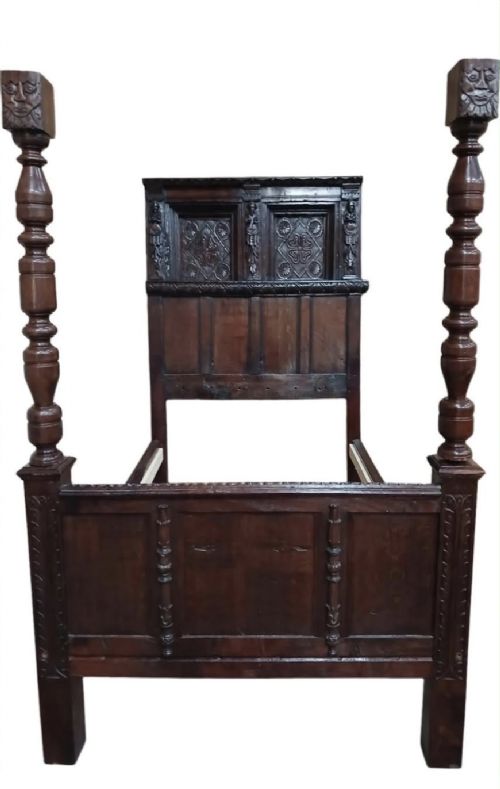
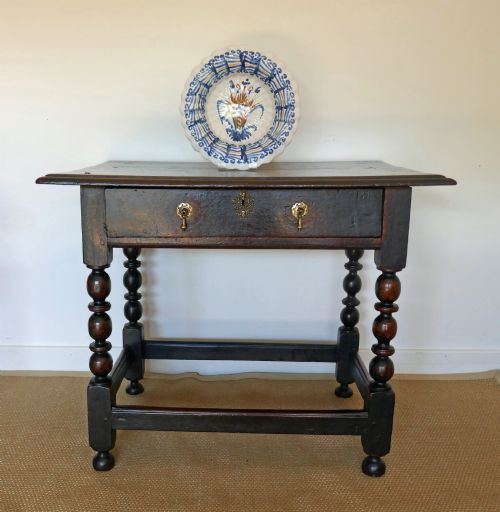
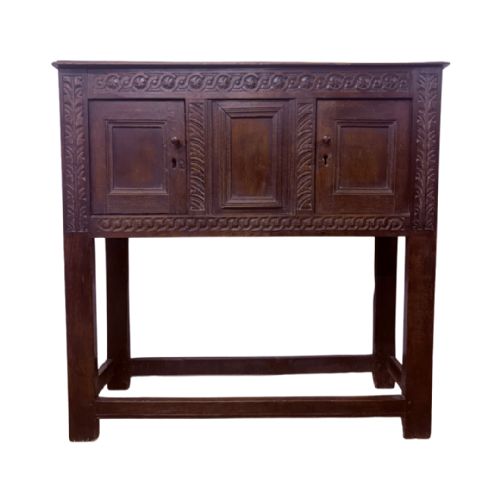
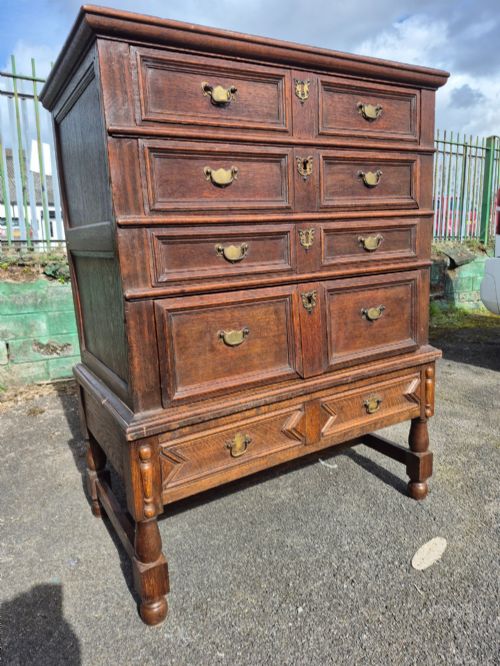
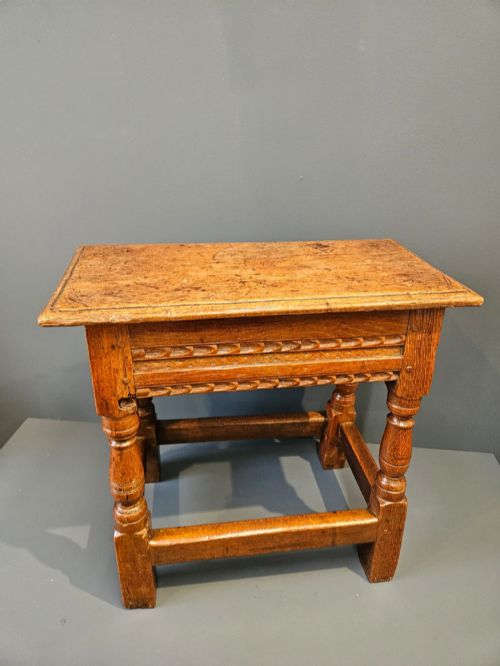
English seventeenth century furniture brings serious structural timber, heavy joined stools and early chests into a room with undeniable physical presence.
English Seventeenth Century Furniture
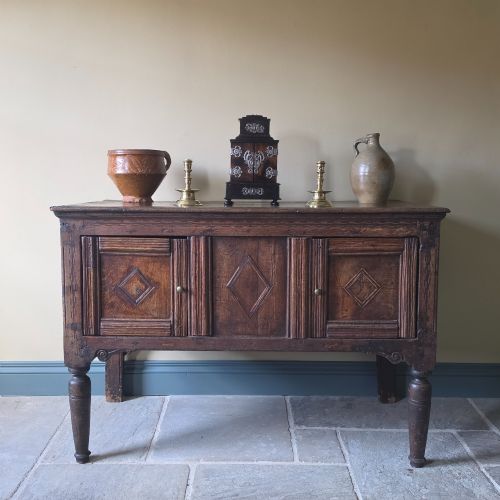
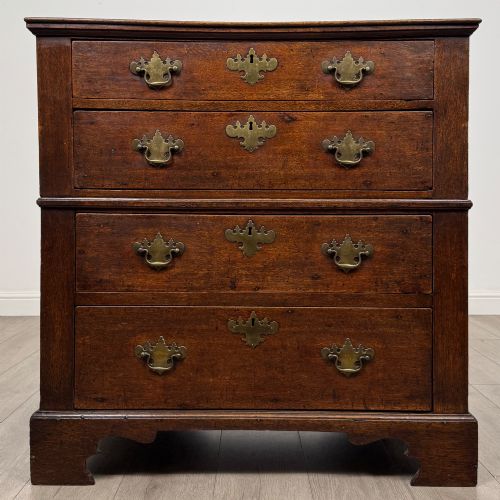
English seventeenth century furniture comprises robust domestic pieces designed for utility, spanning joint stools, court cupboards, gateleg tables and chests of drawers. These utilitarian forms reflect the domestic arrangements of seventeenth century households across regions like Lancashire, Cheshire and the West Country.
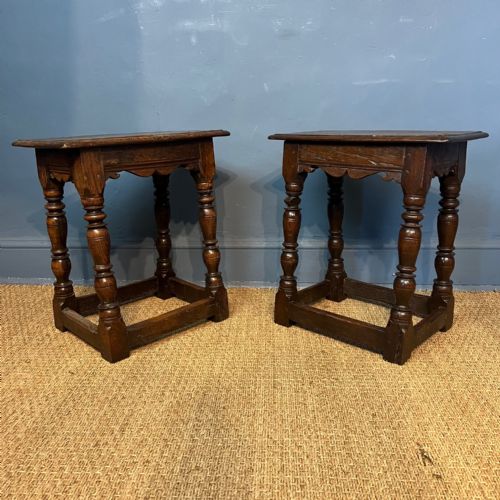
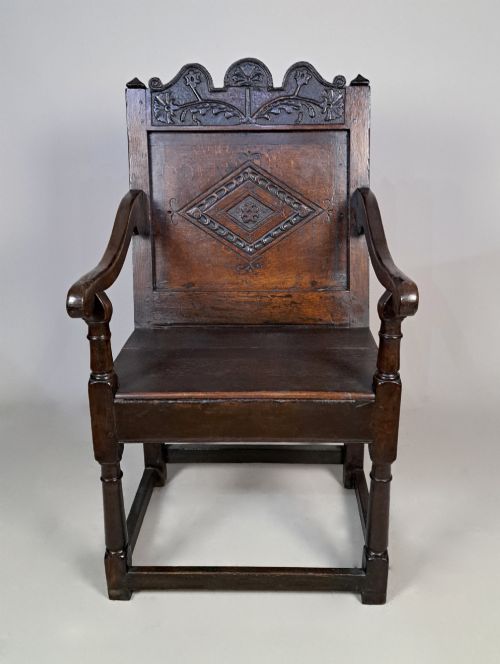
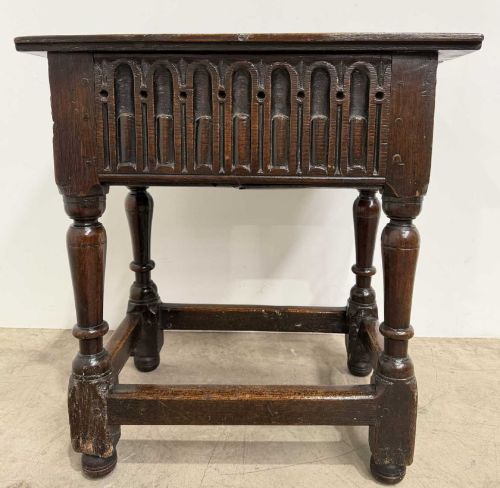
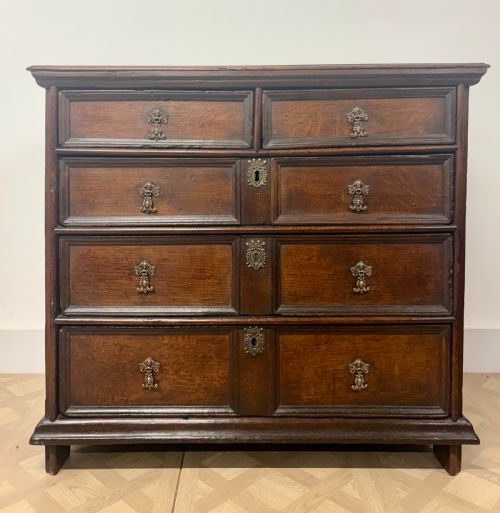
The most common forms met in this selection are sturdy oak joint stools and geometric chests of drawers. Alongside these sit seating like wainscot chairs and backstools, plus larger storage pieces such as coffers and food hutches.
While the core of the material dates firmly to the seventeenth century, occasional pieces carry later adaptations or reflect nineteenth century revivals. The overriding impression is one of heavy timber construction shaped by Jacoubites, Commonwealth ideals and later Restoration tastes.
Gradations in Quality
Quality rests in the integrity of the original timber and the crispness of hand-carved details such as arcading and geometric mouldings. Pieces retaining untouched surfaces and minimal timber replacement stand distinctly apart from heavily restored examples.
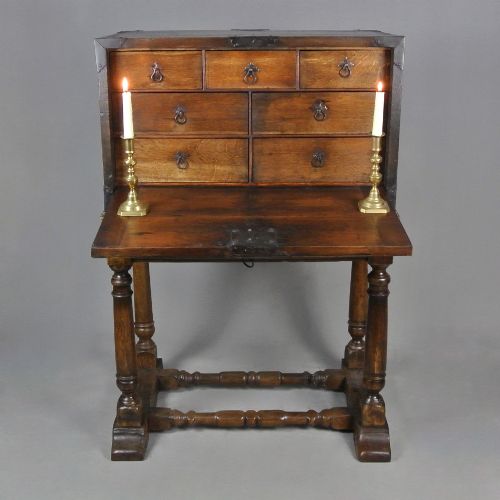
Proportion and scale dictate the visual success of storage pieces like chests on stands and court cupboards. Bolder mouldings and well-balanced joined frames separate utilitarian output from more ambitious workshop production.
English Seventeenth Century Furniture Retail Price Guide 2026
Typical asking prices for english seventeenth century furniture among the pieces listed under this phrase on Sellingantiques today, from the lower quarter to the upper quarter. They describe what is for sale here now, not the wider market.
The English Seventeenth Century Furniture Glossary
- Joint Stool
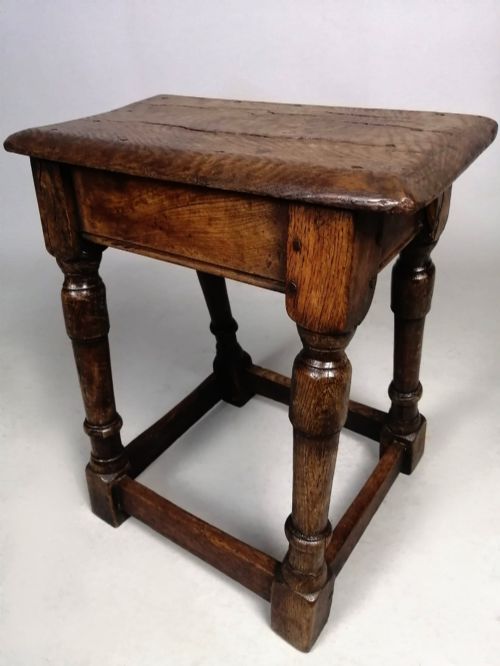
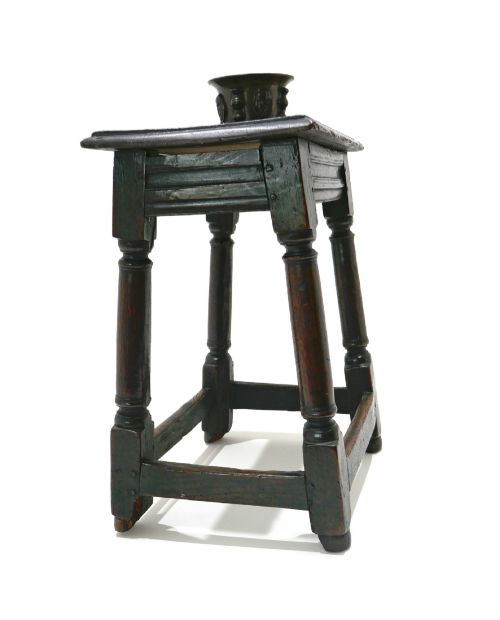
- A sturdy wooden stool constructed with mortise and tenon joints rather than turned legs inserted into a seat. These functional pieces served multiple seating and support roles in early households.
- Gateleg Table
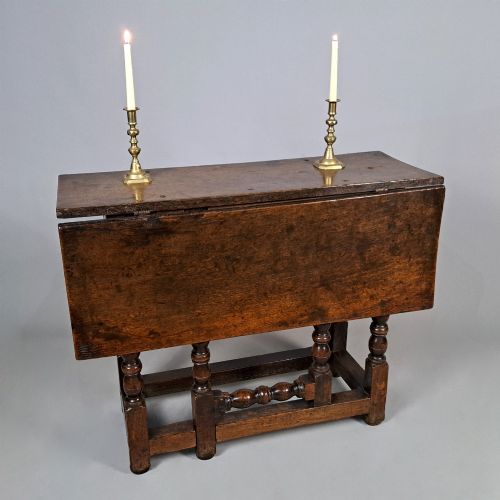
- A drop-leaf table featuring hinged flaps supported by hinged legs that swing out like gates. This clever mechanism allowed the table to expand for dining and fold compactly against a wall.
- Court Cupboard
- An elaborately carved or panelled storage cabinet featuring open or enclosed tiers for displaying plate and storing provisions. They represent status and fine craftsmanship in seventeenth century interiors.
- Oyster Veneer
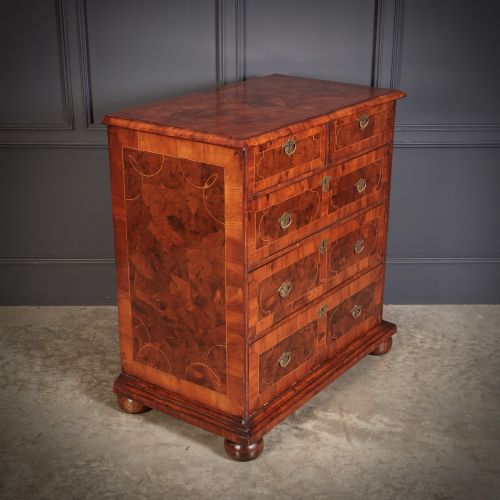
- Thin circular slices cut from small branches or roots of walnut, arranged to resemble the pattern of oyster shells. This technique decorated drawer fronts and cabinet surfaces during the latter part of the period.
- Wainscot Chair
- A heavy wooden armchair constructed with panelled backs and solid wooden seats, derived from the oak panelling used on walls. They are robust, architectural forms found in prosperous seventeenth century homes.
English Seventeenth Century Furniture: Frequently Asked Questions
How do I identify a genuine joint stool?
Examine the joints for traditional pegged construction and check the timber for genuine surface patination and wear consistent with age. Genuine examples show logical structural framing without modern metal fixings.
Look closely at the footings and lower stretchers for signs of timber loss or damp damage that accumulated over centuries of domestic use.
What is a gateleg table used for?
Gateleg tables provided flexible dining and work surfaces in seventeenth century homes, folding down when floor space was needed. The swinging leg design supported drop leaves securely.
In modern rooms, they function well as central dining tables or console surfaces pushed against walls when the leaves are dropped.
How should I care for early oak furniture?
Keep wooden pieces away from direct heat sources and dramatic humidity fluctuations to prevent the solid timber from splitting. Regular light dusting maintains the dry, historic surface.
Avoid modern silicone polishes and instead rely on traditional beeswax sparingly applied to nourish the mature grain without creating artificial shine.
What distinguishes Charles II furniture?
Charles II pieces often introduce richer walnut timbers, oyster veneering and more decorative turnings like bobbin or spiral legs. This reflects changing court tastes after the Restoration.
Sturdier oak forms continued alongside these lighter, more ornate styles, particularly in regional furniture workshops across the country.