



English Serving Tray
An english serving tray carries the weight of hospitality through centuries of silver plating, porcelain, and papier-mâché.
English Serving Tray
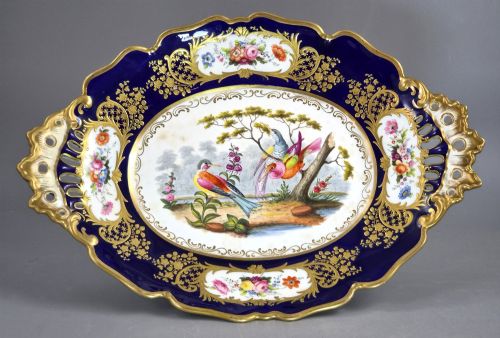
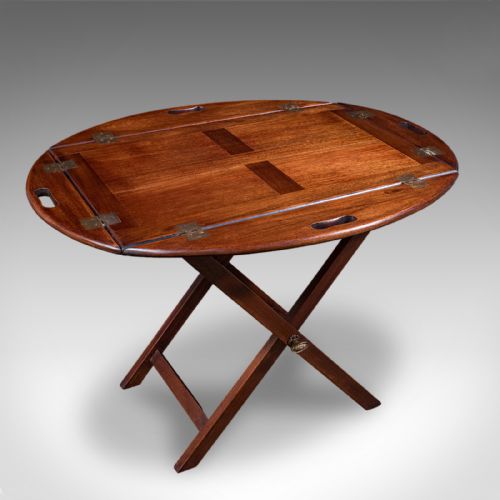
An english serving tray encompasses everything from formal presentation platters to folding butler tray tables and ceramic dishes.
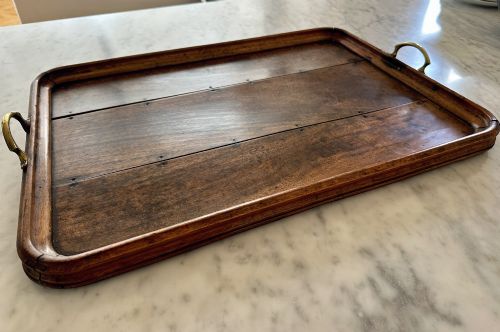
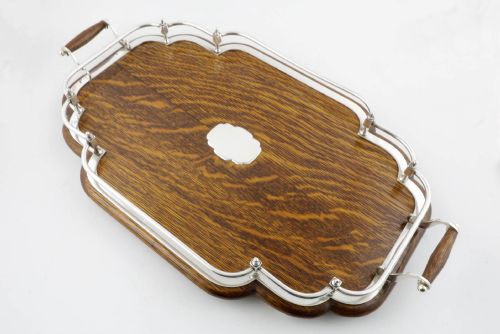
Victorian and Edwardian silver plate and papier-mâché examples appear frequently alongside Georgian mahogany and ceramic platters.
Makers utilised materials ranging from ash wood and oak to earthenware and porcelain for afternoon tea and dining.
Materials and Technique
Papier-mâché trays combine layered paper pulp with durable japanned finishes and hand-painted decoration.
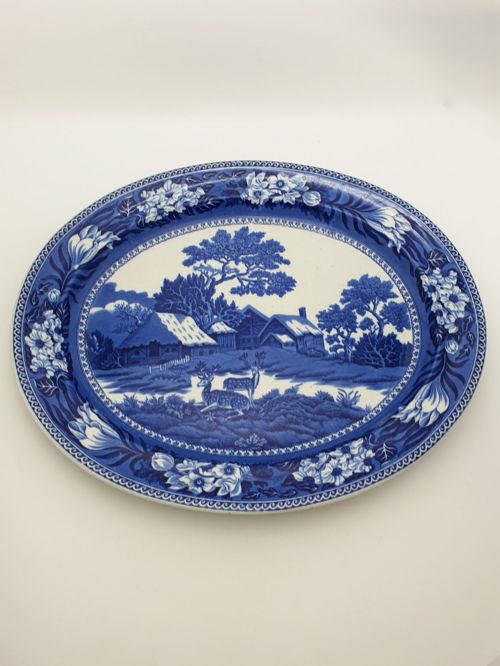
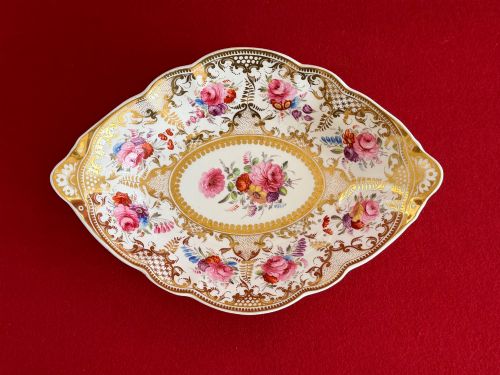
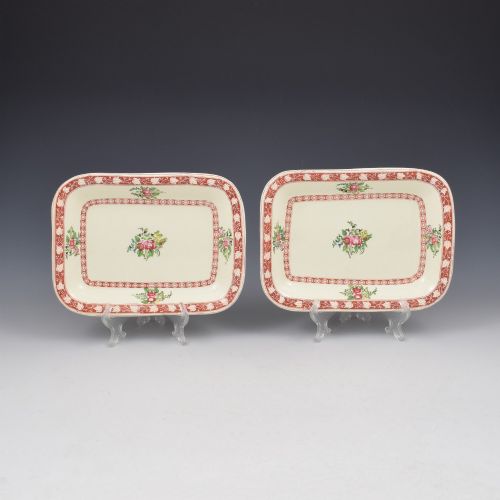
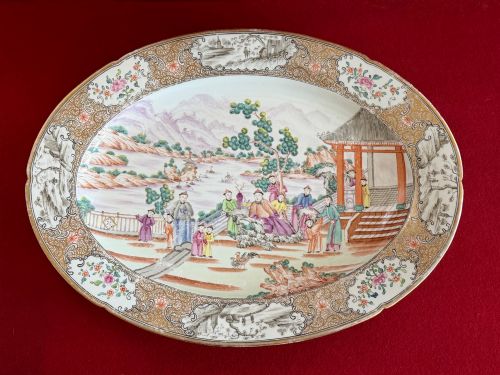
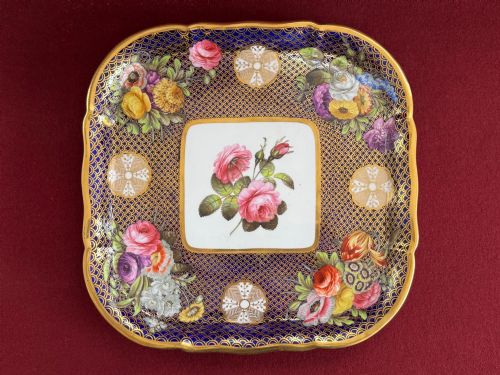
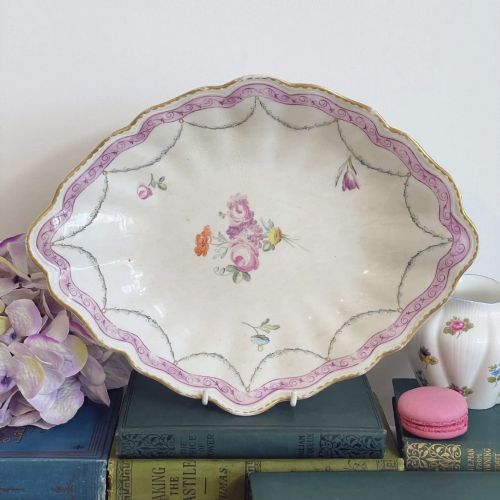
Ceramic dishes and platters employ transfer printing and hand-painted polychrome floral or scenic motifs.
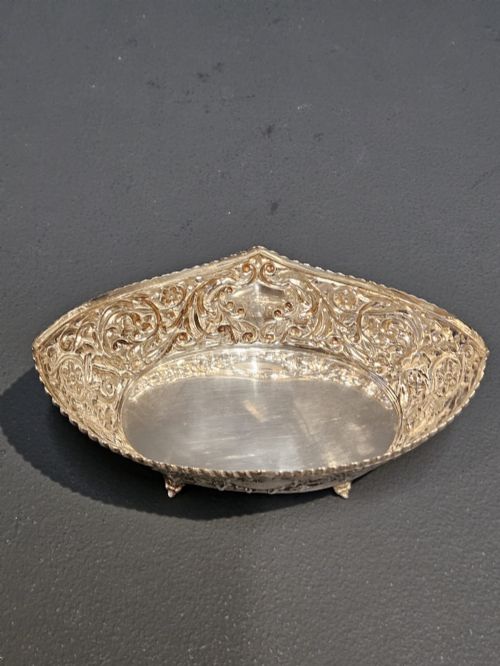
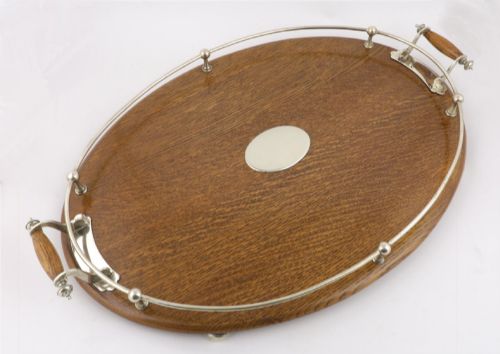
Metal pieces unite silver plate with oak mounts, brass galleries, and carved mahogany stands.
English Serving Tray Retail Price Guide 2026
Typical asking prices for english serving tray among the pieces listed under this phrase on Sellingantiques today, from the lower quarter to the upper quarter. They describe what is for sale here now, not the wider market.
Materials recorded on this page include gold leaf, silver plate, enamel, mahogany, earthenware, porcelain, brass, and papier-mâché.
Distinctions in Execution
Surface preservation separates standard utilitarian items from pieces retaining original gilding and painted detail.
The precision of transfer printing and hand-painted artistry dictates the visual merit of ceramic platters.
Joinery and metalwork integrity define the structural standing of framed trays and folding stands.
Elkington & Co·Spode·Royal Crown Derby·Coalport·Royal Doulton·Daniel Arter·Copeland & Garrett·Liberty & Co·Royal Worcester
The English Serving Tray Glossary
- Papier-mâché
- A composite material made from paper pulp or layers of paper mixed with glue and resin, pressed and baked to form rigid trays.
- Transfer printing
- A method of applying detailed monochromatic or coloured designs to ceramics using an engraved copper plate and tissue paper.
- Japanned
- A European imitation of East Asian lacquerwork, created by applying successive coats of dark varnish and curing them under heat.
- Imari
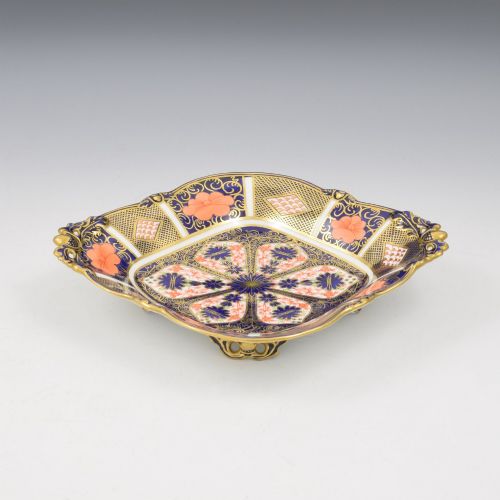
- A decorative style inspired by Japanese export porcelain, characterised by a palette of underglaze blue, iron red, and gilt highlights.
- Gallery
- A raised pierced metal or wooden border fitted around the perimeter of a tray to secure glassware and decanters.
English Serving Tray: Frequently Asked Questions
How do I date a papier-mâché tray?
Georgian and early Victorian examples display hand-painted decoration on deep moulded papier-mâché bases, often featuring japanned surfaces.
Later Victorian pieces frequently incorporate ebonised frames and mother-of-pearl inlay alongside floral transfer or painted motifs.
What is a butler's tray table?
These pieces consist of a removable rectangular tray resting upon a folding wooden X-frame stand, designed for easy storage and service.
Originating in the Georgian and Regency periods, they served tea and drinks in drawing rooms before evolving into Edwardian occasional tables.
How should I clean silver plated trays?
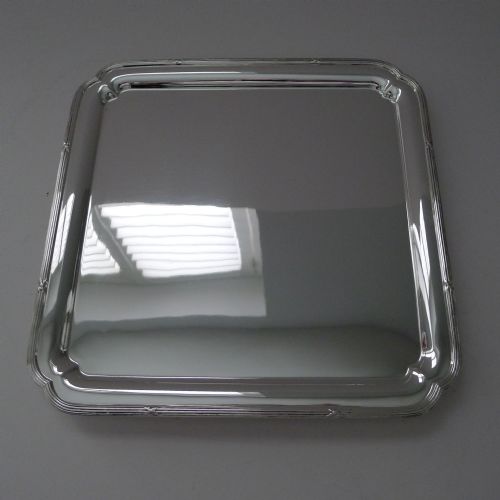
Use a soft microfiber cloth and a mild silver polish formulated specifically for plated items to preserve the underlying base metal.
Avoid abrasive brushes or harsh chemical dips that strip thin nineteenth-century plating from copper or brass.
What distinguishes Imari patterns?
Imari porcelain and earthenware feature a distinct colour palette combining deep underglaze cobalt blue with rust red and generous gold leaf.
Factories such as Royal Crown Derby adapted these Japanese aesthetic traditions for nineteenth-century English dining rooms.