


English Pottery Vessel
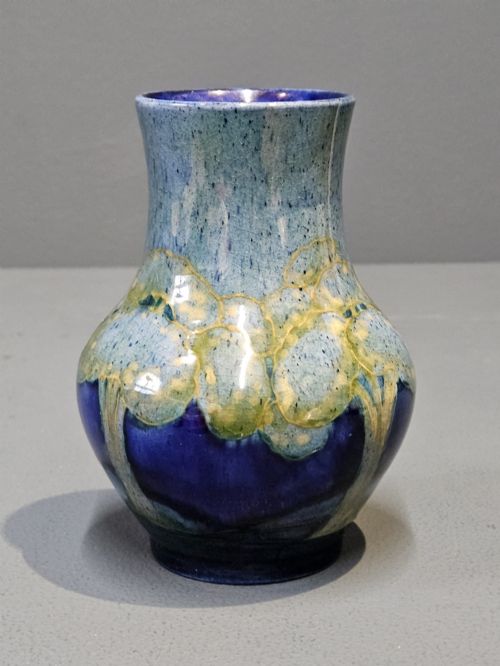
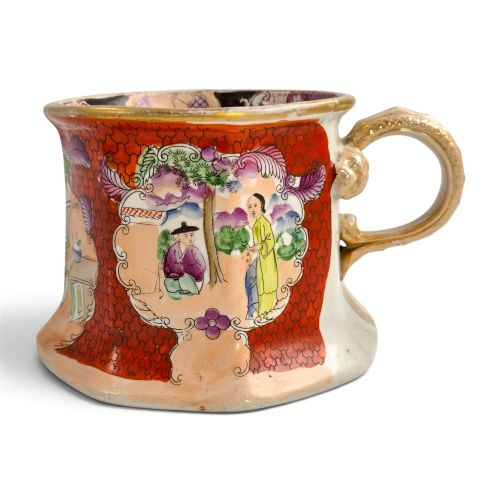
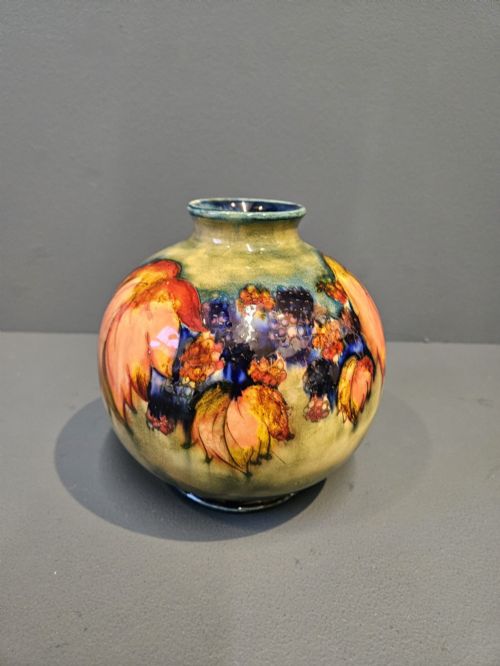
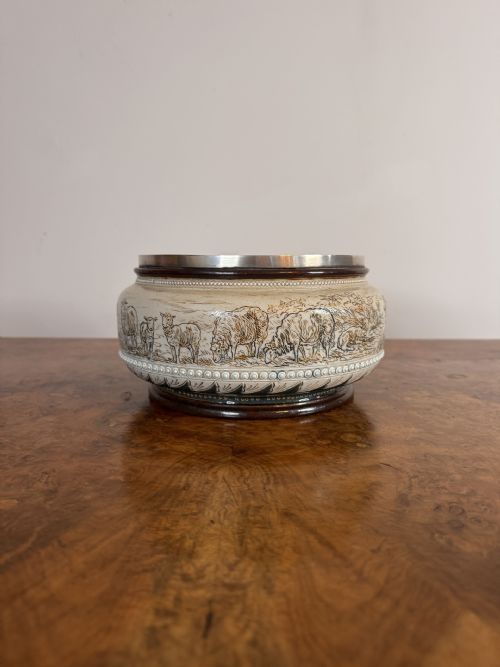
An english pottery vessel carries centuries of domestic and artistic ambition, offering tangible weight and rich glaze to any room.
English Pottery Vessel
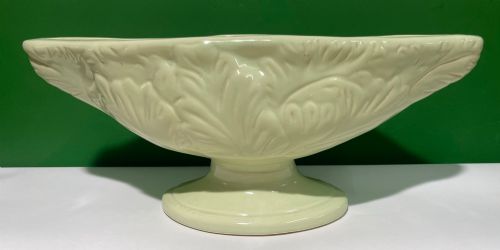
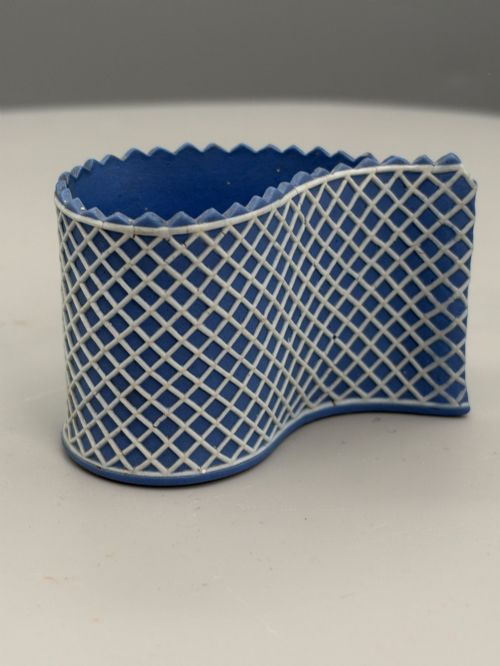
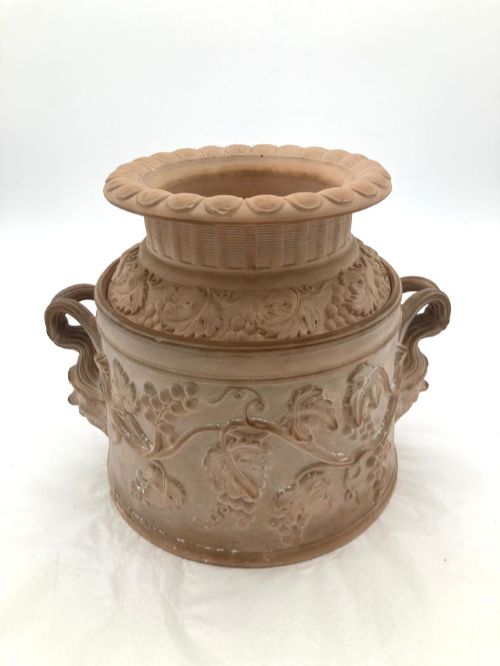
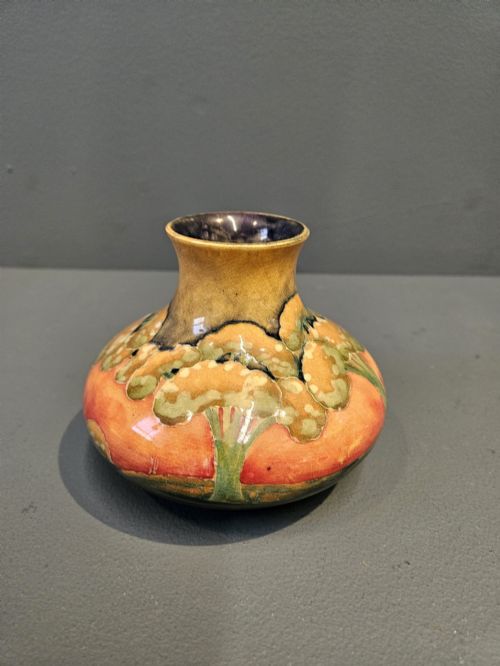
Every english pottery vessel represents a tradition spanning from seventeenth-century utilitarian tavern jugs to twentieth-century studio art pieces. Collectors frequently encounter vases, teapots, and decorative bowls reflecting periods from the seventeenth century through the twentieth century.
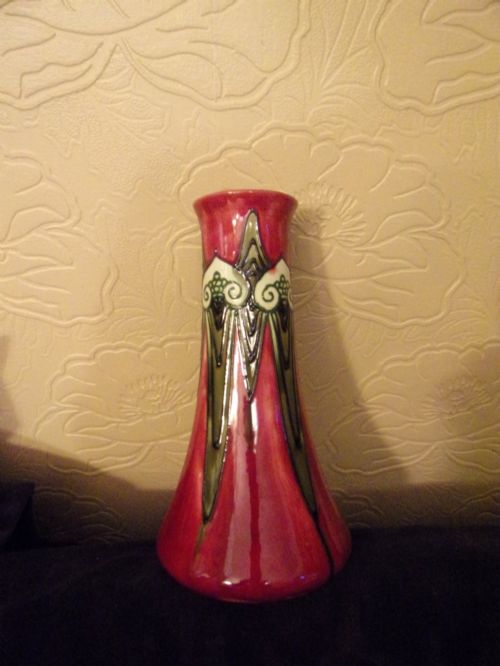
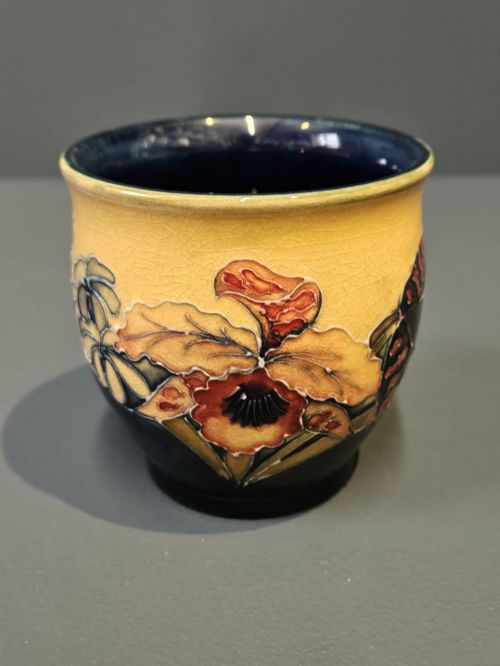
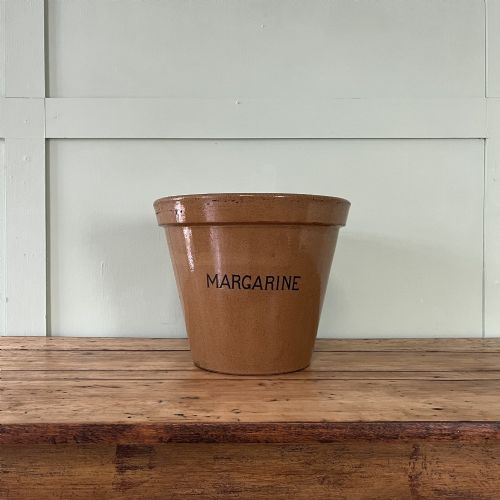
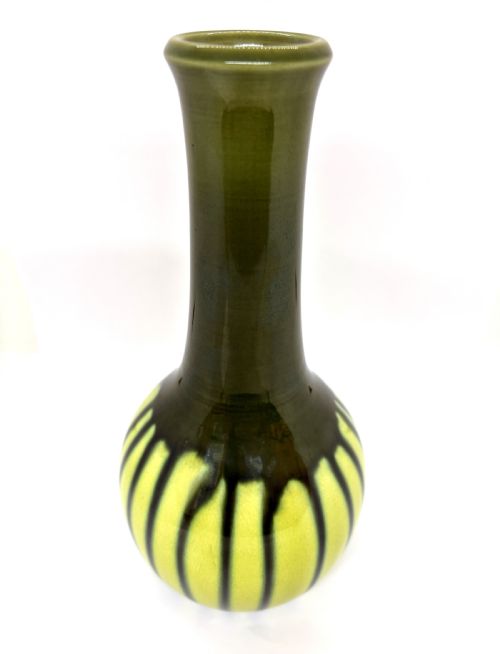
The selection here includes domestic objects like posset pots and apothecary jars alongside purely decorative vases and jardinieres. These pieces originate from diverse aesthetic movements, taking shape across Victorian, Arts and Crafts, Art Nouveau, and Art Deco periods.
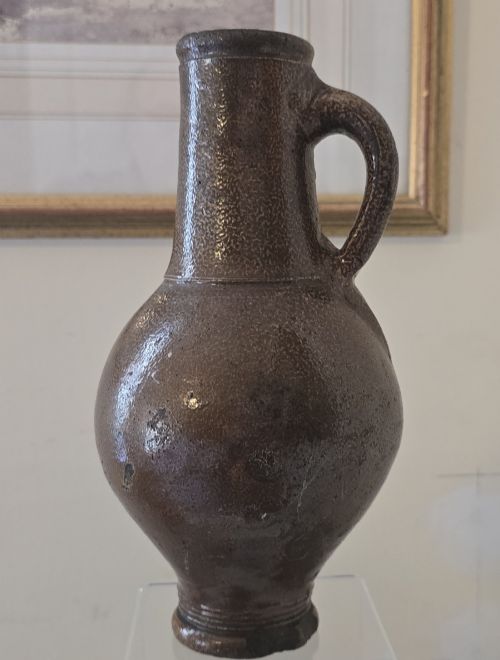
Early salt-glazed bottles and Delftware sit alongside later earthenware and porcelain creations. Buyers find both simple slipware items and elaborate exhibition pieces from notable potteries.
Materials and Technique
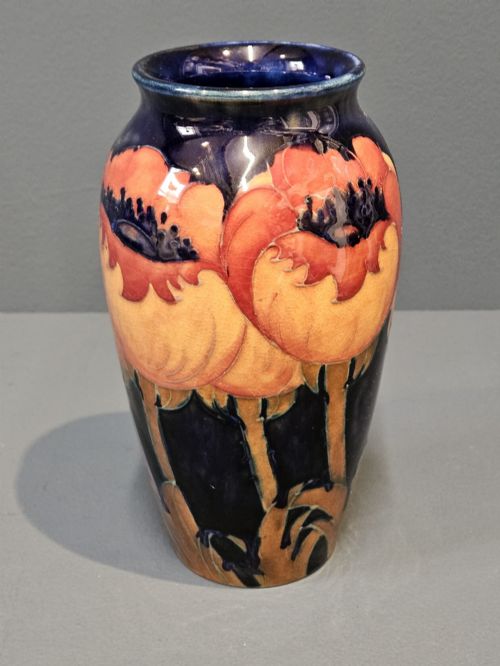
Makers shaped these objects using earthenware, stoneware, terracotta, and porcelain bodies, applying liquid slips, enamel paints, and intricate glazes before firing. Artisans utilised techniques such as tube-lining, salt-glazing, and hand-painting to build surface texture and colour.
Potters combined clay bodies with metal oxides and metallic lustres to achieve rich colour variations during the kiln firing process. Silver mounts and jewelled cabochons occasionally supplemented the ceramic structure on finer decorative commissions.
English Pottery Vessel Retail Price Guide 2026
Typical asking prices for english pottery vessel among the pieces listed under this phrase on Sellingantiques today, from the lower quarter to the upper quarter. They describe what is for sale here now, not the wider market.
Puzzle jugs challenged tavern drinkers to consume ale without spilling through hidden spouts in the hollow handle.
Craftsmanship and Execution
The distinction between standard domestic wares and superior examples rests in the ambition of the design and the precision of the execution. Hand-painted motifs, complex tube-lined patterns, and the depth of the glaze separate ambitious studio and factory pieces from simple utilitarian items.
Artisans who signed their work or produced pieces for specific exhibitions generally achieved a higher standard of modelling and surface decoration. The crispness of relief details and the balance of the form dictate the overall success of the vessel.
John Dwight Fulham Pottery·Doulton Lambeth·Moorcroft·Royal Worcester·Wedgwood
The English Pottery Vessel Glossary
- Delftware
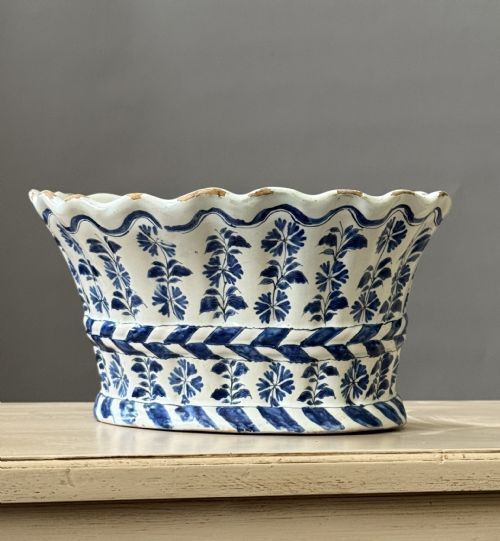
- Tin-glazed earthenware produced in England from the seventeenth century onward, typically featuring a white or pale blue surface painted with cobalt designs.
- Tyg
- A large drinking vessel featuring multiple handles, designed for communal passing around a table during tavern gatherings.
- Stoneware
- A dense, impermeable ceramic fired at high temperatures, often treated with salt glaze to create a durable pebbled texture.
- Slipware
- Pottery decorated with liquid clay applied in trails or patterns over a contrasting clay body before firing.
- Faience
- Earthenware decorated with opaque coloured glazes, frequently utilised for descriptive art pottery pieces and decorative tiles.
English Pottery Vessel: Frequently Asked Questions
How do I identify seventeenth-century pieces?
Seventeenth-century items typically display heavy earthenware bodies, simple lead glazes, and hand-lettered dates or names associated with tavern life. Their forms are robust and utilitarian, shaped by early ceramic techniques.
Examination of the base and interior reveals hand-thrown construction marks distinct from later industrial manufacturing methods. Collectors look for traditional slip trails and authentic patination accumulated over centuries.
What defines Arts and Crafts pottery?
Arts and Crafts ceramics emphasise hand-modelled surfaces, naturalistic plant motifs, and visible maker involvement over mass-produced uniformity. These vessels often feature matte glazes and earthy tones.
Makers working in this style rejected industrial regularity in favour of individual artistic expression. The resulting pieces showcase distinctive textures and thoughtful integration of form and decoration.
Where were salt-glazed pieces made?
Salt glazing was prominently practiced in workshops around London and later expanded to other regional manufacturing centres. Salt thrown into the kiln during high-temperature firing reacted with the silica in the clay.
This chemical reaction produced a distinctive orange-peel texture across the stoneware surface. The resulting glaze provided exceptional durability for household and tavern vessels.
How should I display delicate ceramics?
Display vessels away from direct sunlight and areas subject to sudden temperature fluctuations to protect fragile glazes and enamel decorations. Stable shelving ensures heavy earthenware and porcelain remain secure.
Avoid placing pieces where they might experience accidental impacts during daily household movement. Proper placement allows the form and surface detail to remain visible without risking structural strain.