



English Porcelain Ware
English porcelain ware brings together centuries of delicate ceramic artistry, offering collectors everything from eighteenth-century cups to twentieth-century lustre bowls.
English Porcelain Ware
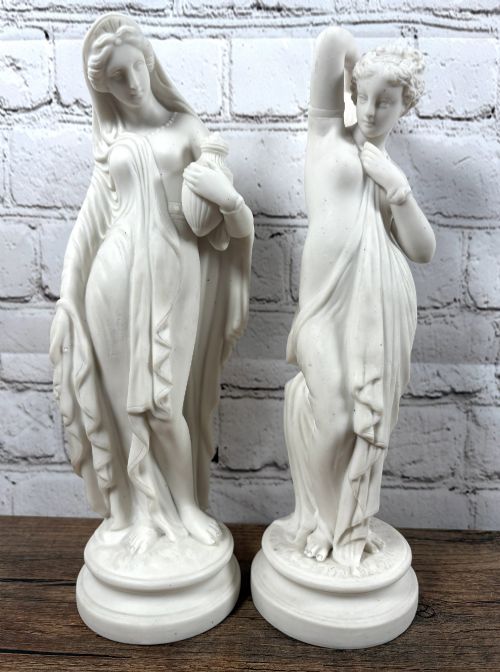
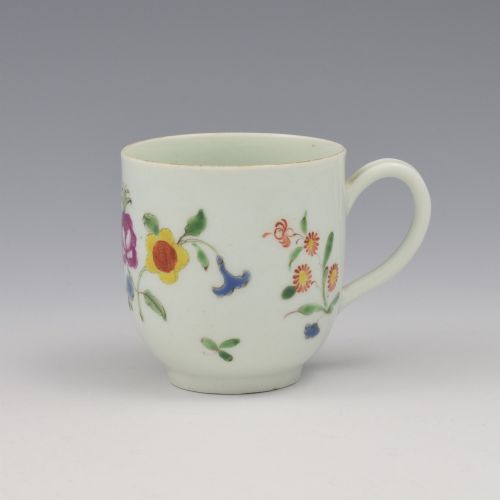
English porcelain ware encompasses a diverse range of historic ceramics, spanning delicate eighteenth-century coffee cups by Richard Chaffers alongside nineteenth-century parian busts and figures. These pieces reflect shifting domestic tastes across the Georgian, Victorian, and Edwardian eras, moving from utilitarian vessels to highly ornamental table art.
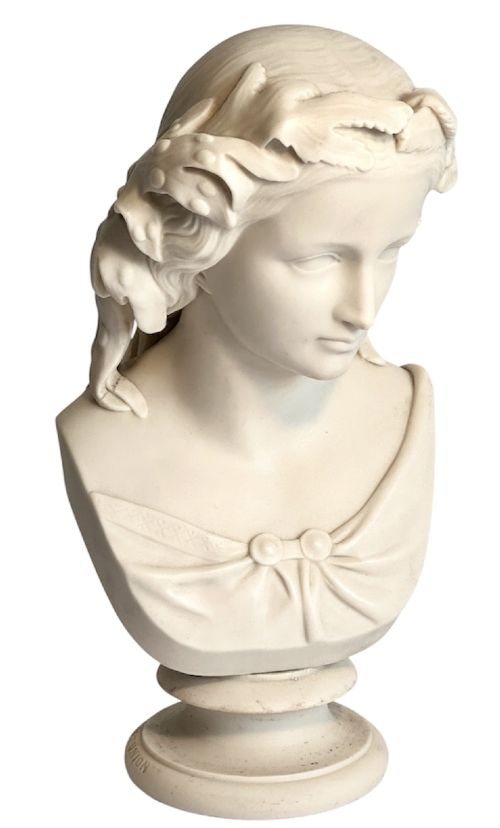
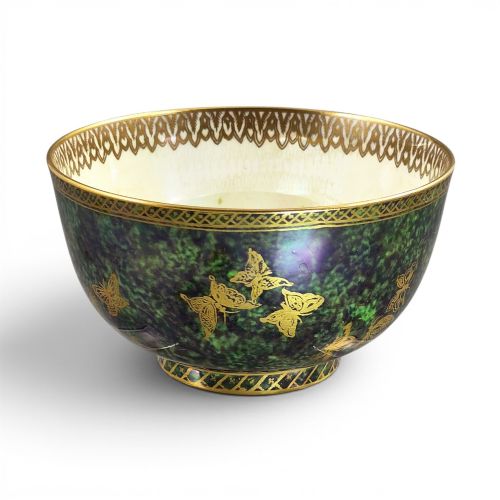
Collectors frequently encounter nineteenth-century parian ware items, including sculptural centrepiece dishes, jugs, and literary busts such as Miranda or William Ewart Gladstone. Later twentieth-century examples also appear, showcasing vibrant glazing techniques like the green butterfly and coiling dragon designs associated with Wedgwood.
The objects recorded range widely in form, incorporating decorative bowls, vases, spoon trays, and pot pourris alongside figural groups. Makers and factories of varying scales produced these wares, leaving behind a rich material record of English ceramic manufacturing.
Materials and methods
Makers utilised fine porcelain, bisque porcelain, and parian porcelain as the primary foundational bodies for these wares. Parian porcelain, celebrated for its marble-like texture, required specialised casting techniques to capture the fine details of sculptural figures and classical busts.
Decoration relied heavily on enamel painting, gold leaf, and intricate gold gilding applied over smooth glazes. Specialised production methods also produced specialised decorative effects, such as the lustre finishes seen on twentieth-century bowls and the pearl ware blue printing found on earlier trays.
English Porcelain Ware Retail Price Guide 2026
Typical asking prices for english porcelain ware among the pieces listed under this phrase on Sellingantiques today, from the lower quarter to the upper quarter. They describe what is for sale here now, not the wider market.
The object forms available range from utilitarian coffee cups and spoon trays to ornamental busts, pot pourris, figural groups, and decorative vases.
Understanding quality
Quality rests in the crispness of the modelling and the precision of the glaze or enamel work. Sculptural parian figures and busts achieve distinction through sharply rendered facial expressions, clean drapery folds, and the smooth, unglazed finish characteristic of high-grade biscuit porcelain.
For decorated vessels and lustre ware, distinction lies in the vibrancy of the colour application and the careful placement of gold leaf or gilding. Pieces bearing the marks of established factories or named designers demonstrate a higher degree of artistic oversight during manufacture.
Richard Chaffers·Wedgwood·Royal Crown Derby·Royal Worcester·Kerr and Binns·Copeland
The English Porcelain Ware Glossary
- Parian porcelain
- A fine-grained, unglazed porcelain developed in the nineteenth century to imitate carved marble. It is particularly associated with portrait busts and sculptural figures.
- Bisque porcelain
- Unglazed ceramic fired to a matte, porous finish that resembles white marble. It was frequently utilised for Victorian figural groups and decorative ornaments.
- Lustre ware
- Pottery or porcelain finished with a metallic glaze that produces an iridescent sheen. This technique created shimmering surface effects on early twentieth-century decorative bowls.
- Imari
- A decorative style inspired by Japanese export wares, characterised by a palette of cobalt blue and iron red enhanced with gold gilding. Edwardian porcelain makers adapted this aesthetic for vases and tableware.
- Pearl ware
- A refined earthenware developed in the late eighteenth century featuring a subtle bluish glaze that pooled in recesses to emulate Chinese export porcelain.
English Porcelain Ware: Frequently Asked Questions
What is parian porcelain?
Parian porcelain is a specialised ceramic body developed during the nineteenth century to resemble carved white marble. It lacks a glossy glaze, allowing light to diffuse softly across the surface of sculptural busts and figures.
This material became immensely popular for replicating classical statues and literary characters in miniature for Victorian drawing rooms.
How do I care for antique porcelain?
Antique porcelain requires gentle handling and should be cleaned manually using lukewarm water and a mild detergent. Avoid submerging pieces with delicate gold leaf or enamel work for extended periods.
Display items away from direct sunlight and areas subject to sudden temperature fluctuations to protect the glaze and body from stress.
How can I date my English porcelain?
Dating English porcelain involves examining factory marks, stylistic influences, and manufacturing materials. Eighteenth-century pieces often display hand-painted underglaze blue, while Victorian works frequently utilise parian ware or neoclassical motifs.
Comparing registration numbers, pattern codes, and known periods of operation for specific makers helps narrow down the year of production.