




English Porcelain Pottery
English porcelain pottery brings together centuries of ceramic history, from Georgian transferware plates to Victorian figures.
English Porcelain Pottery
English porcelain pottery encompasses a vast array of domestic and decorative wares produced across the eighteenth, nineteenth, and early twentieth centuries. When searching for english porcelain pottery, buyers encounter functional tableware alongside purely decorative items such as vases, plates, and ceramic figurines.
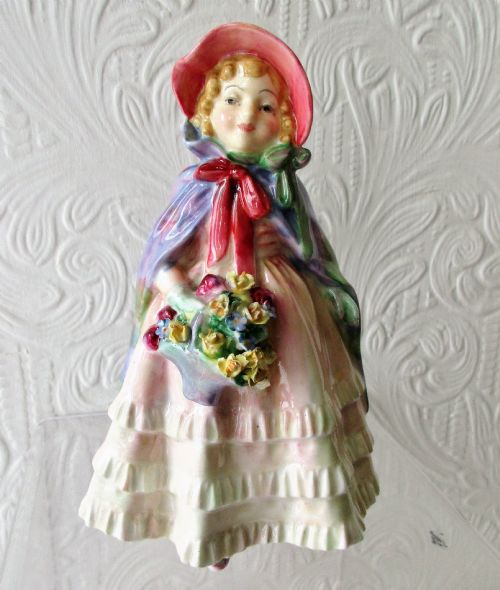
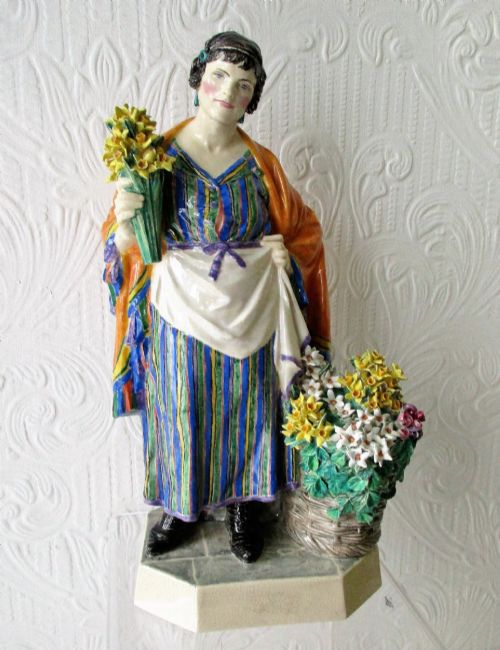
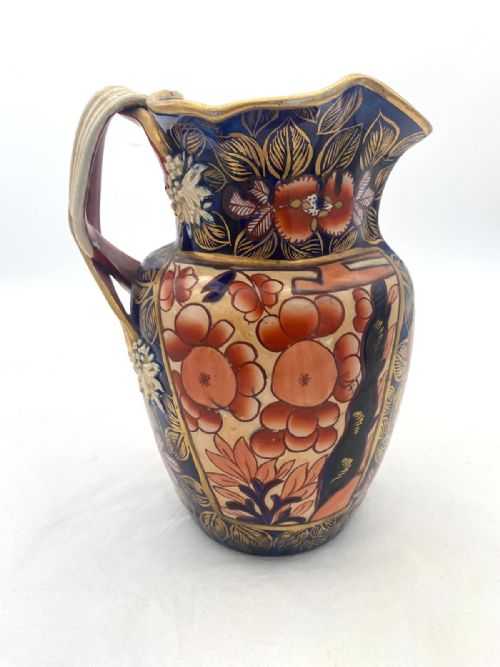
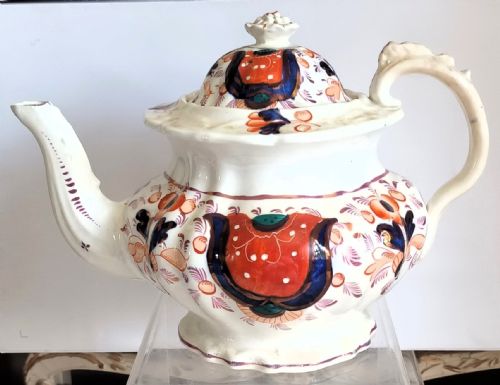
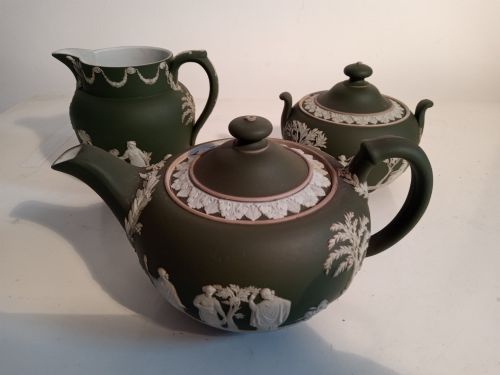
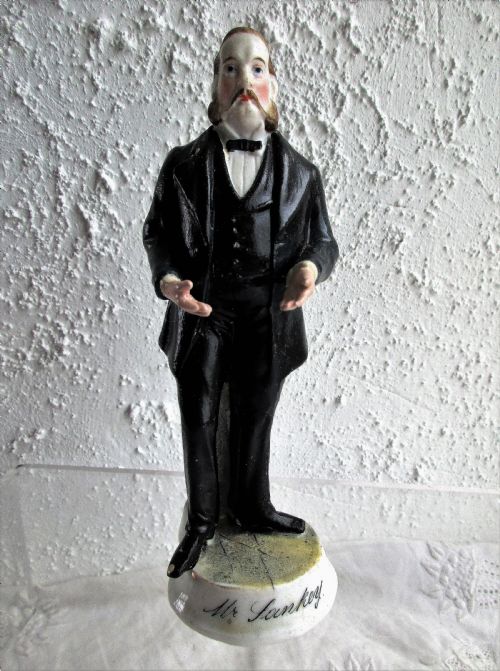
The pieces on this page span diverse periods including the Georgian and Victorian eras, stretching into the Art Deco period. Common forms include jugs, pitchers, decorative bowls, and spill vases shaped as animals or figures.
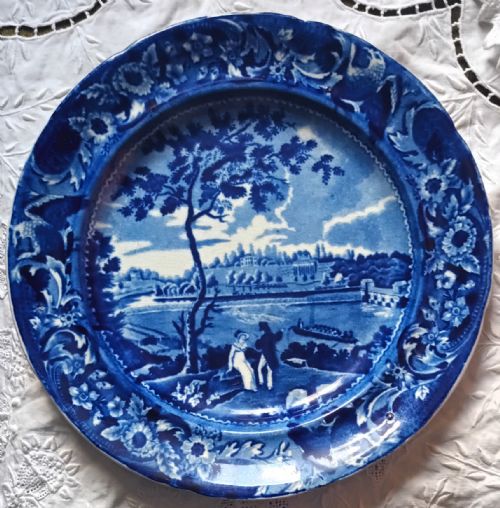
Staffordshire pottery figures and ironstone services appear frequently among the listings, reflecting the industrial scale of production in specific regional potteries. Buyers often find specialised items like lustreware bowls and transfer-printed plates alongside traditional white figures.
Materials and Techniques
Makers utilised various ceramic compositions including earthenware, ironstone, and fine porcelain bodies, often finished with a clear glaze to seal the surface. Decoration relied heavily on hand-painting, enamel colours, and transfer printing in blue and white or polychrome palettes.
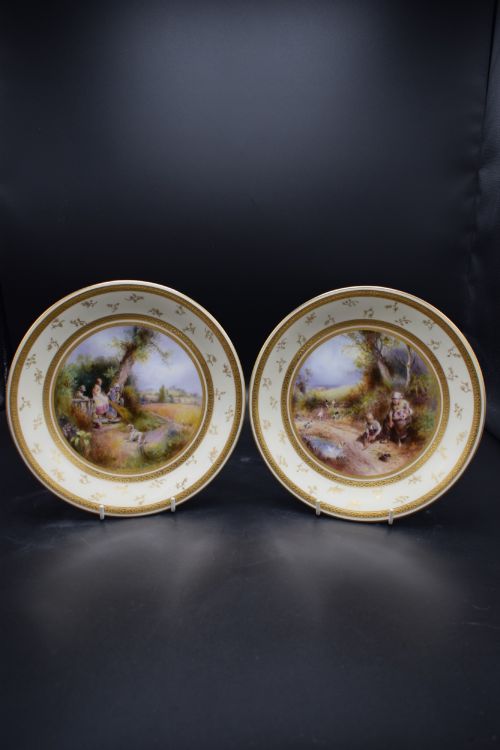
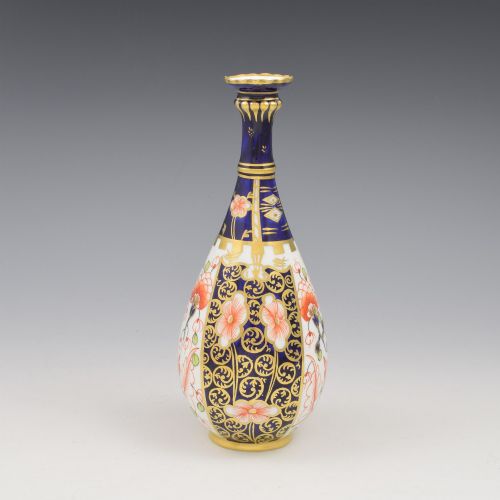
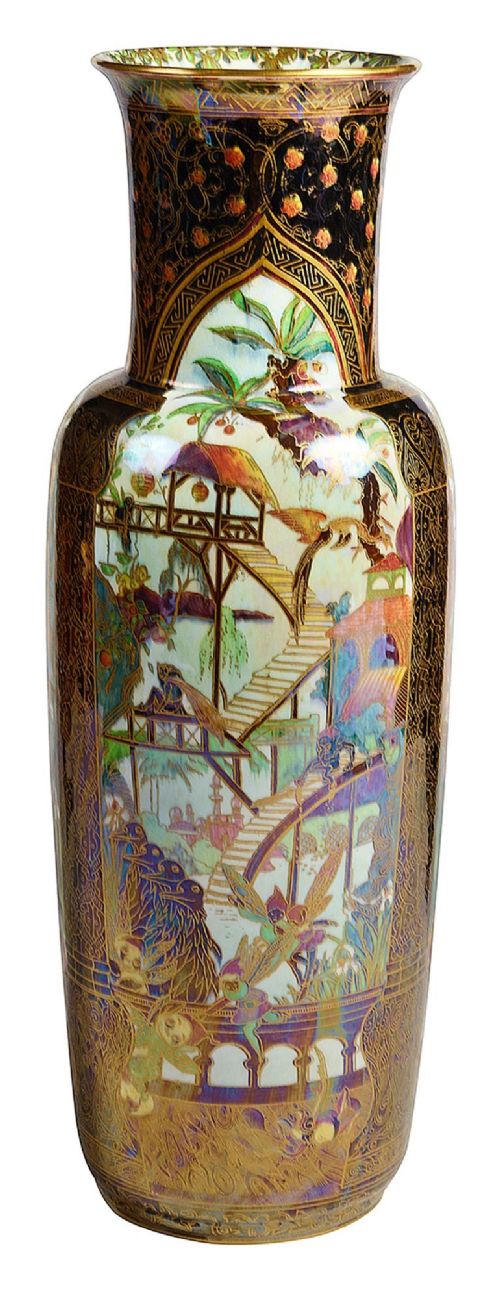
Gilt highlights and gold leaf frequently accent wares from the Victorian and Edwardian periods, adding metallic lustre to porcelain surfaces. Specialised techniques such as lustre glazing created iridescent effects on vessels and decorative pieces.
English Porcelain Pottery Retail Price Guide 2026
Typical asking prices for english porcelain pottery among the pieces listed under this phrase on Sellingantiques today, from the lower quarter to the upper quarter. They describe what is for sale here now, not the wider market.
Listings feature earthenware, ironstone, and porcelain across Victorian, Georgian, and Art Deco styles.
Factors of Quality
Quality in these ceramics rests upon the crispness of the moulding, the precision of transfer printing, and the skill applied to hand-painted details. Early pieces show careful attention to body density and glaze smoothness.
The refinement of the paste and the vibrancy of enamel pigments distinguish finer studio productions from mass-market utility wares. Well-preserved gilding and minimal distortion during firing indicate superior factory standards.
Royal Crown Derby·Wedgwood·Mason's Ironstone·Spode·Minton·Royal Doulton·John Bevington·W.H. Goss·Royal Worcester·Caughley
The English Porcelain Pottery Glossary
- Ironstone
- A durable type of earthenware patented in the nineteenth century to imitate Chinese porcelain. It provided a robust body for heavy-use tableware and decorative jugs.
- Lustreware
- Pottery decorated with a metallic film that produces an iridescent surface sheen. This finish was achieved using copper, silver, or gold compounds in the kiln.
- Transferware
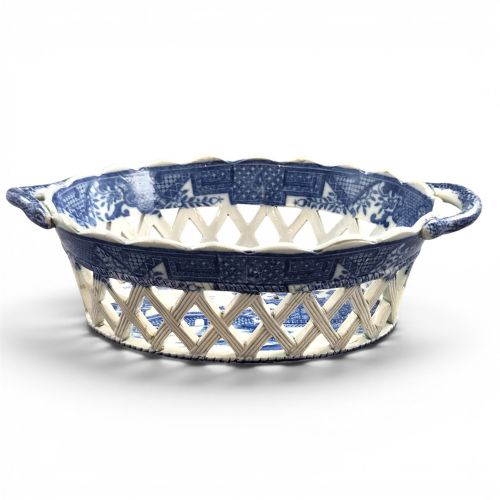
- Ceramic pieces decorated by transferring a printed design from an engraved copper plate onto the bisque surface. Blue and white patterns remained particularly popular throughout the nineteenth century.
- Staffordshire
- A generic term for pottery manufactured in the region of Staffordshire, encompassing numerous independent factories. It is especially associated with figures, animals, and earthenware groups.
- Pearlware
- A fine-grained earthenware developed in the late eighteenth century featuring a subtle blue-tinted glaze. This glaze made the underlying ceramic body appear whiter than standard creamware.
English Porcelain Pottery: Frequently Asked Questions
What is ironstone pottery?
Ironstone is a heavy, durable ceramic body developed in the nineteenth century as a tough alternative to true porcelain. It accepted transfer printing and enamel decoration exceptionally well.
Potteries used it extensively for large domestic services, jugs, and plates intended for daily wear and tear.
How do I identify Victorian pieces?
Victorian ceramics often feature bright transfer prints, rich gilding, or copper lustre glazes. Subject matter frequently includes sentimental figures, animals, and architectural scenes.
Many pieces bear registry marks stamped into the clay body, indicating the exact date the design was protected.
What are Staffordshire figures?
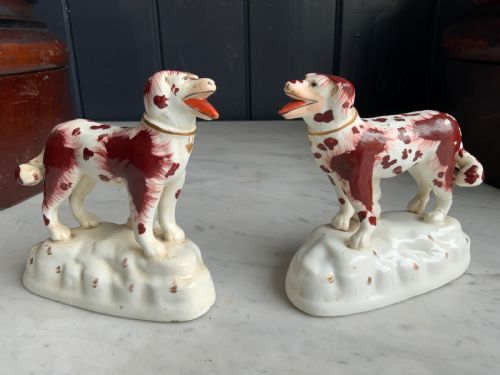
Staffordshire figures are earthenware ceramic sculptures produced by various potteries in the English midlands. They typically depict famous personalities, animals like greyhounds and spaniels, or pastoral scenes.
Potters painted these figures by hand using bright enamel colours over a white or cream glaze.
How should I clean porcelain pottery?
Dust ceramic pieces regularly with a soft, dry brush to prevent the accumulation of dirt. Avoid harsh chemical cleaners or abrasive scouring pads.
Wash items gently in lukewarm water with mild soap only when necessary, keeping painted and gilded surfaces safe from prolonged soaking.