


English Porcelain China
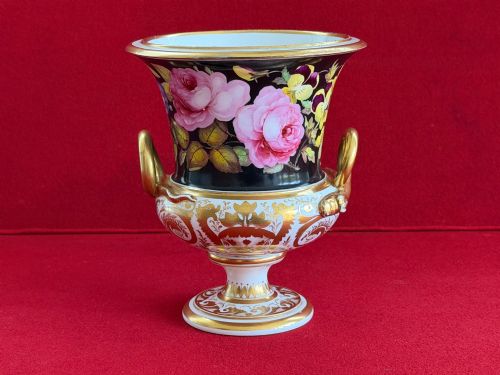
English porcelain china brings together centuries of painted tea services, cabinet plates, and decorative vases made across Georgian, Regency, and Victorian workshops.
English Porcelain China
English porcelain china spans utilitarian tablewares and decorative ornaments produced from the eighteenth century into the twentieth century. When searching for english porcelain china, buyers encounter everything from early soft-paste tea bowls to robust bone china dinner services and figurines.
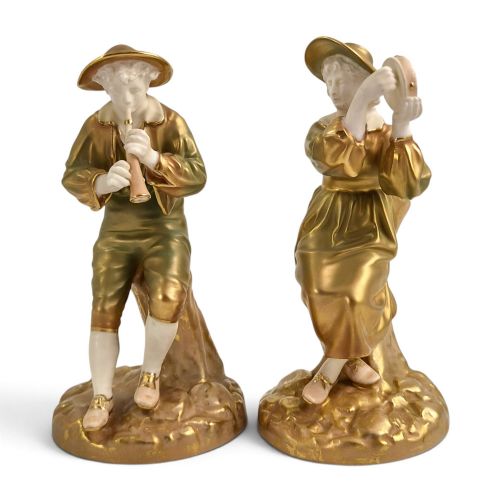
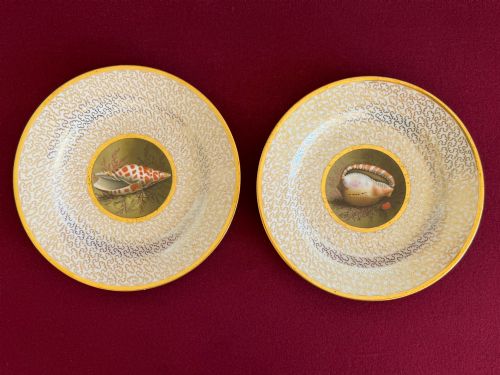
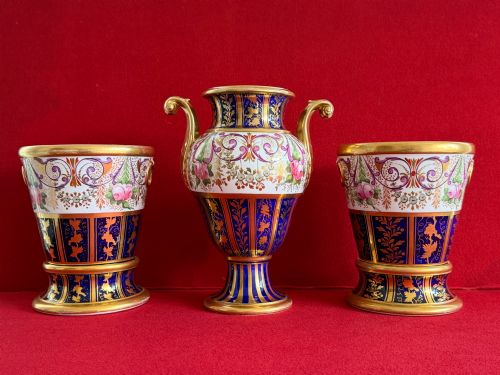
The selection includes specialised forms such as cabinet plates, garnitures, miniature baskets, and dessert services. Pieces originate from noted ceramic centres across the country, encompassing eighteenth-century factories alongside later Victorian and twentieth-century potteries.
Makers represented range from early Worcester and Derby enterprises to nineteenth-century innovators like Spode, New Hall, and H & R Daniel. Forms vary from simple domestic tea trios to elaborate armorial soup plates and hand-painted spill vases.
Materials and Techniques
Early makers utilised soft-paste porcelain body compositions, developing into bone china formulations during the nineteenth century. These ceramic bodies received transparent lead or feldspathic glazes before undergoing high-temperature kiln firings.
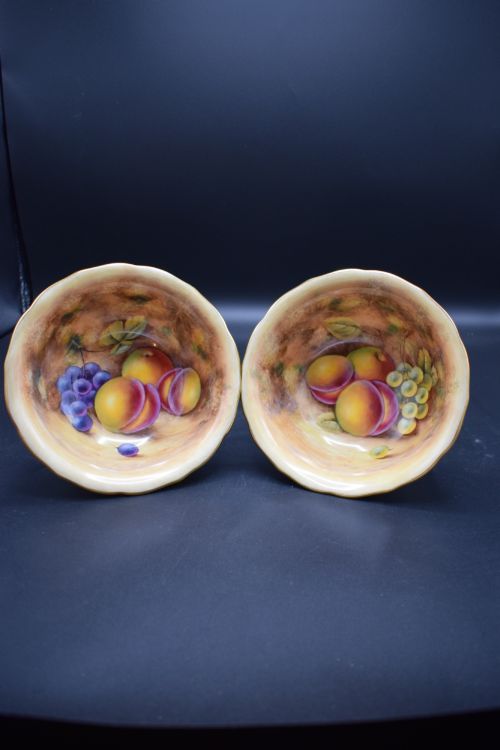
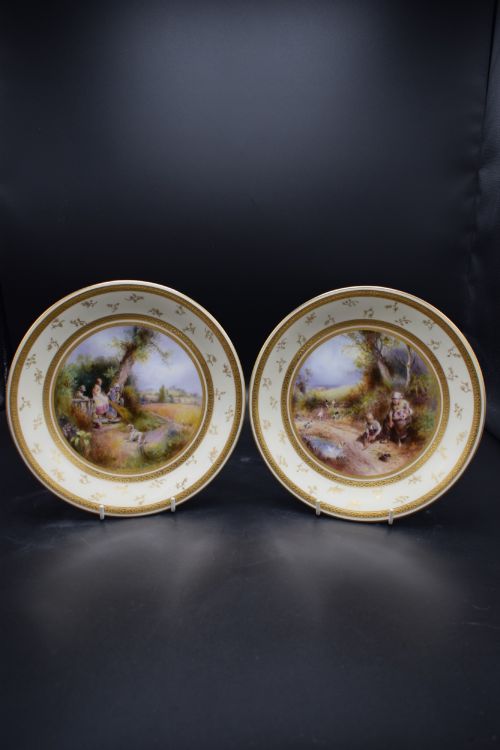
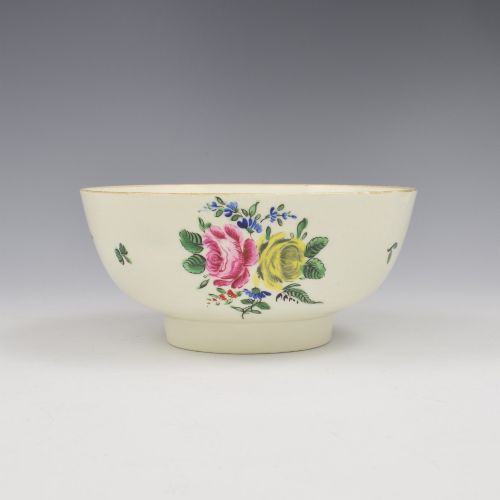
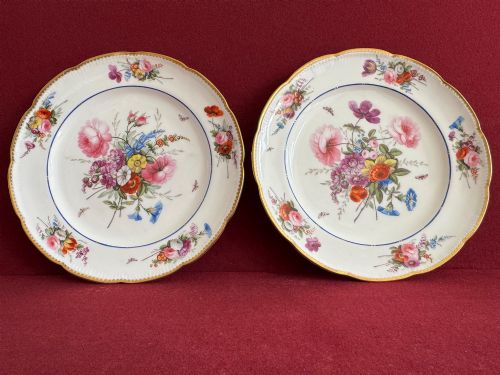
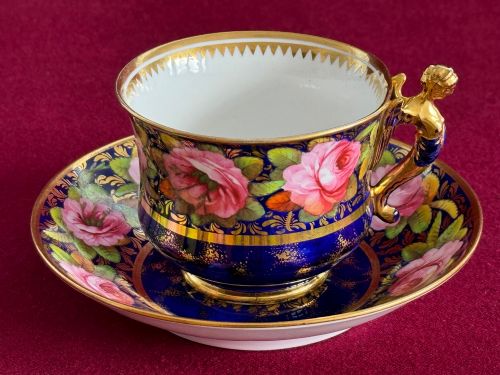
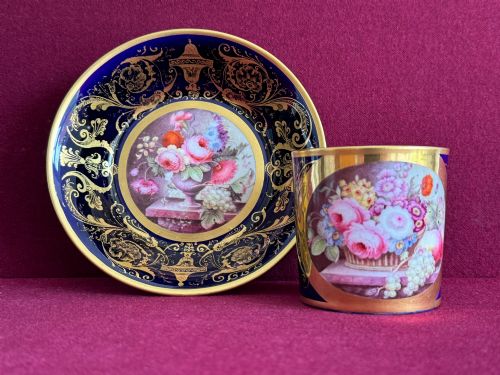
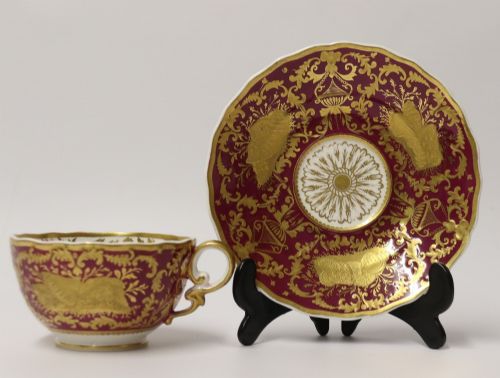
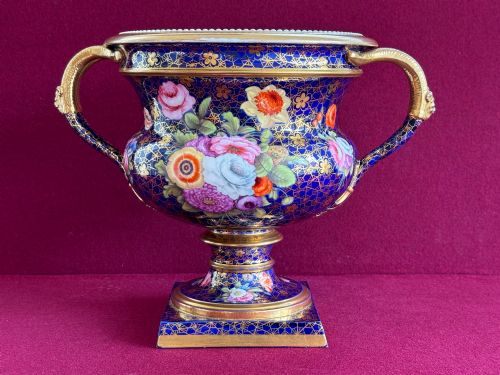
Decoration relied heavily on hand-painted enamel colours, underglaze blue painting, and applied gold leaf or gilding. Many workshops employed specialist artists to execute floral scenes, birds, and armorial crests over the glazed surfaces.
English Porcelain China Retail Price Guide 2026
Typical asking prices for english porcelain china among the pieces listed under this phrase on Sellingantiques today, from the lower quarter to the upper quarter. They describe what is for sale here now, not the wider market.
Several Staffordshire porcelain dogs stand ready to guard the tea table from imaginary intruders.
Assessing Quality and Execution
Quality rests upon the crispness of the porcelain body, the translucency of the glaze, and the precision of the hand-painted decoration. Superior pieces display detailed brushwork by named or skilled anonymous artists rather than mass-produced transfer printing.
The sophistication of the moulded form separates standard domestic wares from high-end cabinet pieces. Fine gilding, intricate piercing, and well-preserved enamel colours elevate the standing of a ceramic object within historical production.
Derby Porcelain·Worcester·New Hall Porcelain·Spode Porcelain·Flight Barr and Barr·Nantgarw·Minton Porcelain·Royal Crown Derby·H and R Daniel·Chamberlain Worcester·Royal Doulton
The English Porcelain China Glossary
- Soft-paste porcelain
- An artificial porcelain mixture fired at lower temperatures than hard-paste, common in eighteenth-century English factories. It presents a warm, slightly creamy body beneath the glaze.
- Bone china
- A porcelain body containing bone ash, invented to increase strength and whiteness while allowing thinner walled vessels. It became a standard medium for nineteenth-century English tableware.
- Enamel
- Opaque coloured glass fused to the porcelain surface during a secondary low-temperature firing. It provides the vibrant palette seen on hand-painted floral and pictorial designs.
- Gilding
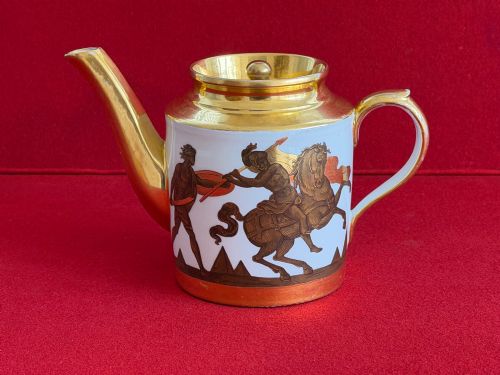
- The application of gold leaf or gold paint to rims, handles, and borders for decorative emphasis. Hand-tooled burnished gold indicates higher workshop standards.
- Imari style
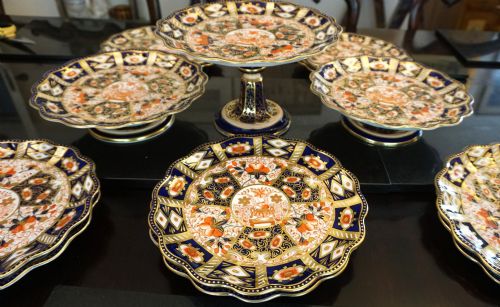
- A decorative scheme inspired by Japanese export ceramics, utilising rich cobalt blue, iron red, and gilt details. English factories frequently adapted this palette on plates and serving dishes.
- Trio
- A matched set comprising a tea cup, coffee cup, and matching saucer used in formal nineteenth-century dining. These groupings demonstrate cohesive factory pattern printing and painting.
English Porcelain China: Frequently Asked Questions
What is English porcelain china?
English porcelain china refers to ceramic tableware and decorative objects manufactured in England from the eighteenth century onwards. It encompasses soft-paste wares, bone china tea services, and hand-painted cabinet pieces.
The category covers utilitarian vessels alongside ornamental vases and figures produced by historic factories like Worcester, Spode, and Derby.
How do I identify eighteenth-century pieces?
Eighteenth-century items often utilise soft-paste porcelain bodies that show warmth and minor kiln imperfections under magnification. Decoration frequently relies on underglaze blue painting or early enamel palettes.
Factory marks from this era, such as crescent or script signatures, help determine origins, alongside characteristic potting traits of periods like the Georgian and Regency eras.
How should I care for antique porcelain?
Antique porcelain requires gentle hand washing in lukewarm water using mild detergent. Avoid mechanical dishwashers, abrasive sponges, and soaking pieces with historic gilding or enamel decoration.
Display items safely away from direct sunlight and extreme temperature fluctuations to protect fragile glazes and nineteenth-century gold leaf details.
What is the difference between tea and coffee cups?
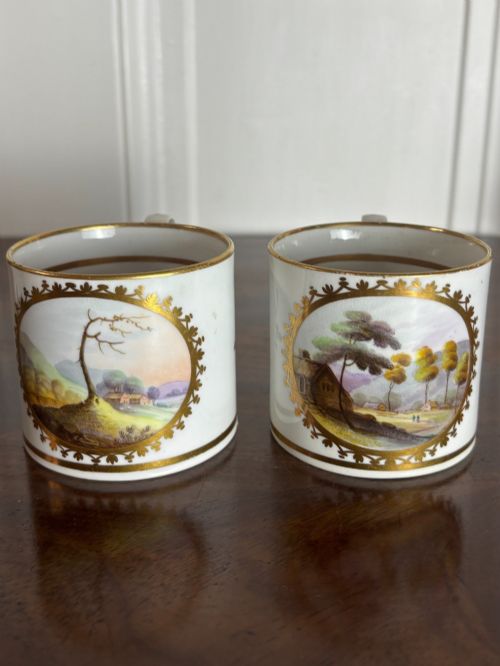
Historic tea cups were traditionally wider, shallower, and often made without handles during the eighteenth and early nineteenth centuries. Coffee cups, known as coffee cans, were typically taller, straight-sided, and fitted with loop handles.
Sets from the Regency period onward frequently combined both cup styles alongside a saucer to form complete trios for formal entertaining.