
English Porcelain Cabinet Dish
An English porcelain cabinet dish is a decorative ceramic piece meant for display rather than dining.
English Porcelain Cabinet Dish
When you search for an english porcelain cabinet dish, you encounter richly painted ceramic pieces created for display in formal rooms rather than for everyday dining. These items span the eighteenth, nineteenth, and twentieth centuries, reflecting changing tastes in British ceramics.
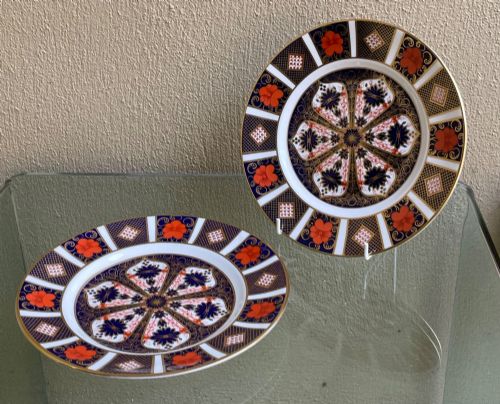
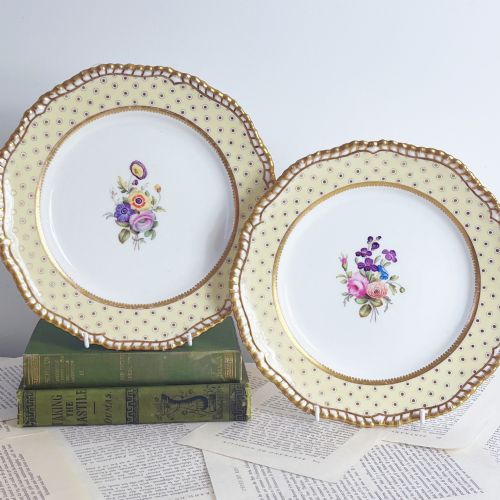
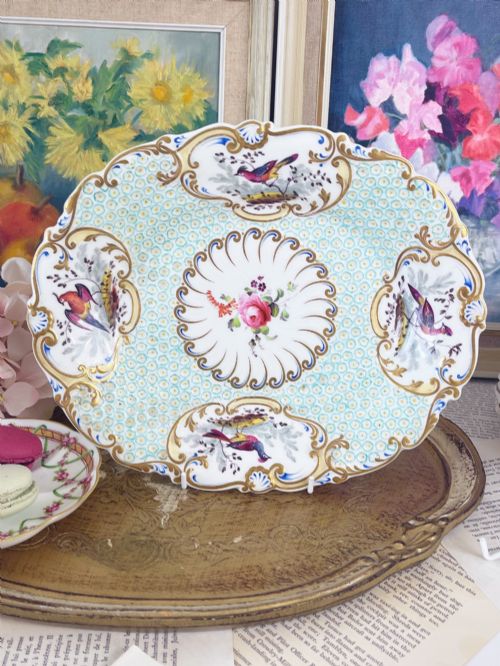
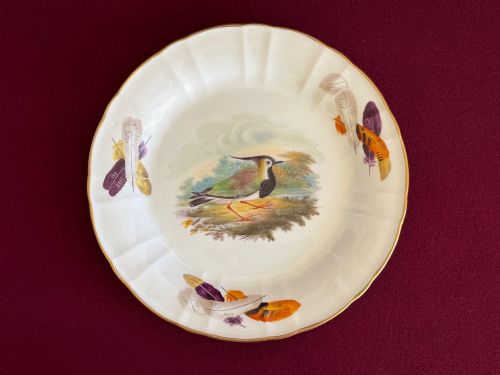
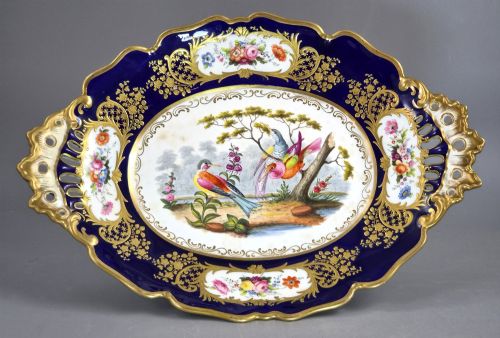
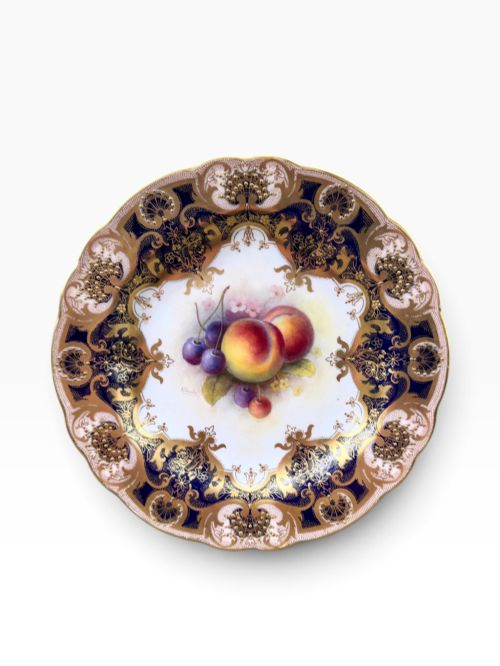
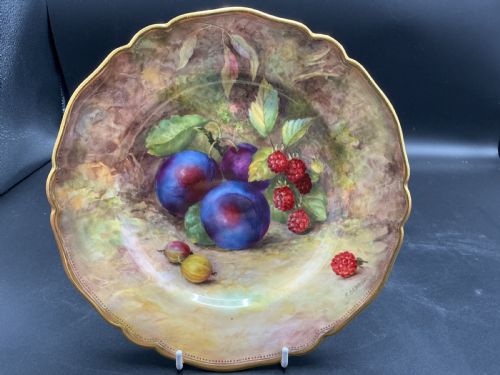
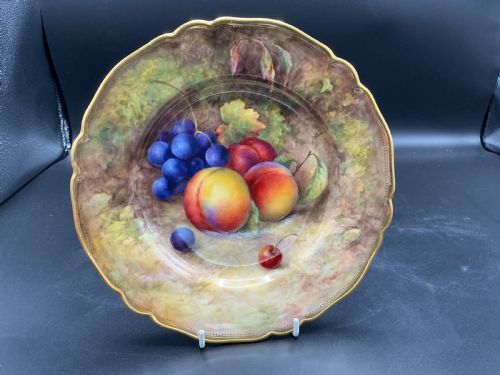
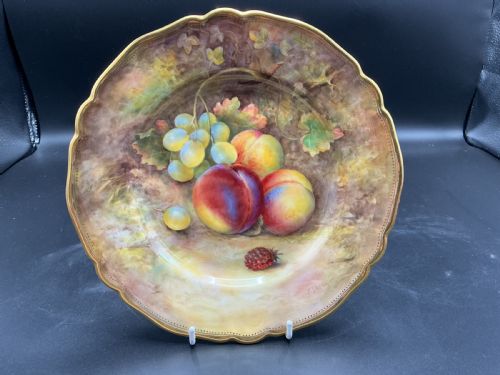
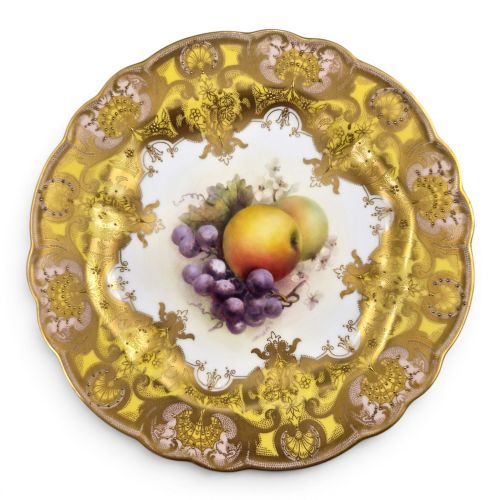
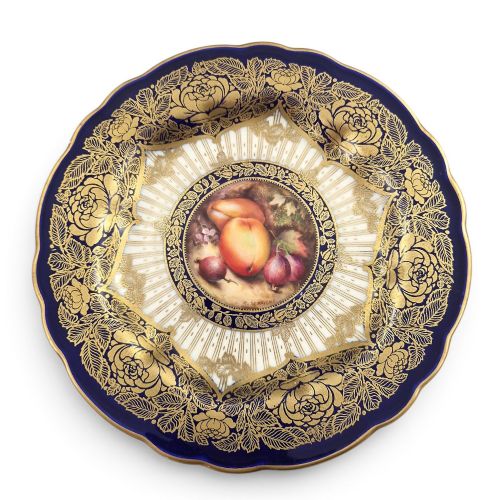
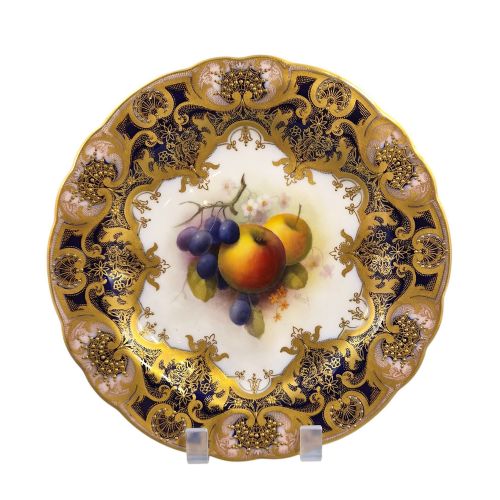
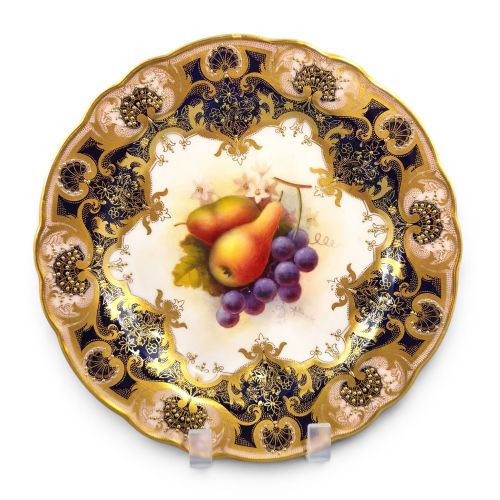
The pieces on this page include cabinet plates, decorative dishes, dessert plates, and porcelain trays from numerous historic factories. You will find botanical studies, handpainted fancy birds, armorial designs, and elaborate fruit scenes executed by notable artists.
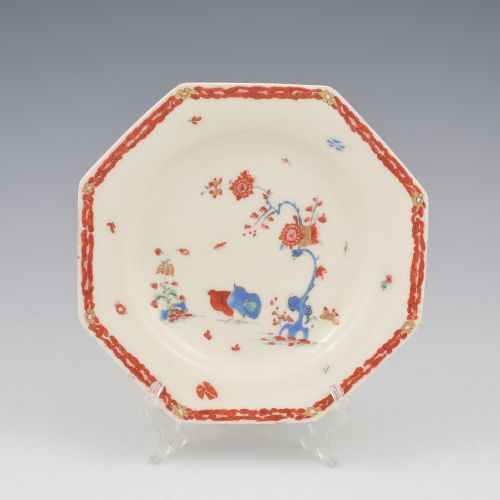
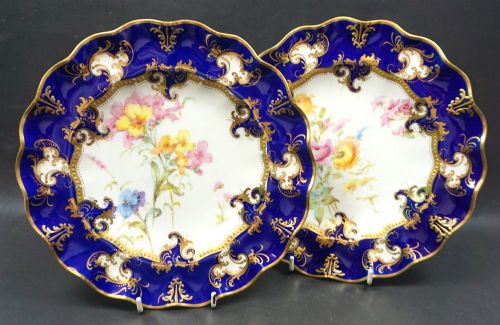
Forms range from octagonal plates and oval serving dishes to deep cabinet plates accented with gilding and cobalt blue. These items demonstrate the technical evolution of British ceramic bodies from early soft-paste porcelain to bone china and ironstone.
Materials and production methods
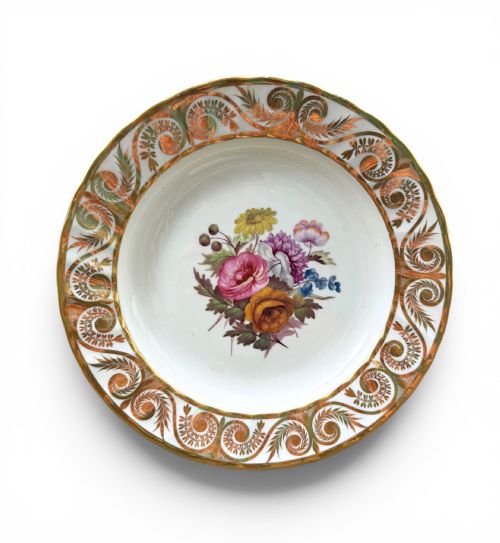
Potters utilised porcelain, bone china, soft-paste porcelain, and ironstone to form the foundation of each dish, often applying a smooth white glaze. Gold leaf and heavy gilding were frequently added to borders and handles to create a luxurious finish.
Decoration relied heavily on handpainted enamel pigments depicting birds, flowers, landscapes, and fruit, sometimes combined with printed outlines. Pieces were fired multiple times in kilns to set the enamel colours and fix the gold leaf securely to the ceramic surface.
English Porcelain Cabinet Dish Retail Price Guide 2026
Typical asking prices for english porcelain cabinet dish among the pieces listed under this phrase on Sellingantiques today, from the lower quarter to the upper quarter. They describe what is for sale here now, not the wider market.
Stilistic influences represented include Regency Chinoiserie, Rococo Revival, Aesthetic Period, and Japanese styles.
Factors of quality and execution
Quality rests in the precision and artistic merit of the handpainting, particularly when executed by named porcelain artists working for major factories. Superior pieces display detailed brushwork in botanical studies, fruit, or figures rather than simple repetitive transfers.
The refinement of the porcelain body, the crispness of moulded details, and the richness of the gilding distinguish finer examples from standard wares. Preservation of the enamel colours and minimal wear to the gold highlights also govern the standing of an individual piece.
Royal Crown Derby·Spode·H and R Daniel·Wedgwood·Coalport·Bow Porcelain·Royal Worcester·Derby Porcelain·Minton·Royal Doulton·John Davenport·Doe and Rogers·Bloor Derby·John Ridgway·Barr Flight and Barr·James Rouse Jnr·Flight Barr and Barr·Copeland
The English Porcelain Cabinet Dish Glossary
- Cabinet plate
- A decorative ceramic plate intended for display in a cabinet or on a wall rather than for use at the table.
- Bone china
- A type of porcelain incorporating bone ash, developed in England to create a strong, brilliantly white ceramic body.
- Soft-paste porcelain
- An early ceramic composition fired at lower temperatures than hard-paste, resulting in a softer body with a creamy glaze.
- Gilding
- The application of gold leaf or powdered gold to ceramic surfaces, used extensively to accentuate borders and motifs.
- Enamel
- Opaque vitreous coloured glass fused to the porcelain surface during firing to create detailed painted imagery.
English Porcelain Cabinet Dish: Frequently Asked Questions
What is an english porcelain cabinet dish?
An english porcelain cabinet dish is an ornate ceramic plate or tray created primarily for display in drawing rooms or cabinets. These pieces were seldom used for food, serving instead to showcase wealth, artistic taste, and fine craftsmanship.
Potters decorated them with elaborate handpainted subjects including botanical specimens, exotic birds, and classical landscapes. Their bright enamels and gold leaf made them ideal focal points for interior decoration during the Georgian and Victorian eras.
How were these dishes displayed originally?
In historic homes, cabinet dishes and plates were arranged on tiered wooden display shelves, mounted in glazed cabinets, or set upon mantelpieces. Wealthy collectors gathered notable works from factories like Worcester, Derby, and Coalport to exhibit their refined aesthetic.
Unlike utilitarian dinner services stored in pantries, these items remained permanently on view in public rooms. Their decorative borders and painted centres were specifically composed to catch the light from oil lamps or windows.
How do I identify the maker of a dish?
Makers are often identified by painted or impressed factory marks found on the underside of the ceramic body. Monograms, pattern numbers, and specific crests help determine which pottery or porcelain works produced the piece.
Some dishes also bear the signature of the individual artist who painted the central scene, such as Richard Sebright or Albert Shuck at Royal Worcester. Comparing stylistic details like border patterns and colour palettes assists in narrowing down attribution when marks are worn.
Can I use these dishes for serving food?
Cabinet dishes are generally unsuited for modern dining use due to their age, delicate ceramic bodies, and fragile surface enamels. Many historical pieces contain lead in their glazes or feature raised gold leaf that can be easily damaged by cutlery and washing.
Instead, these items are best preserved for display behind glass or mounted securely on walls using appropriate plate hangers. Careful handling protects both the fragile porcelain structure and the intricate handpainted artwork.