


English Painted Vanity
These English painted vanity pieces and small accoutrements offer painted surfaces and delicate forms that collectors prize.
English Painted Vanity
An English painted vanity search brings up a varied group of small decorative boxes, desks, washstands and side tables spanning several centuries. The selection ranges from Georgian chinoiserie lacquer boxes to Victorian washstands and side tables.
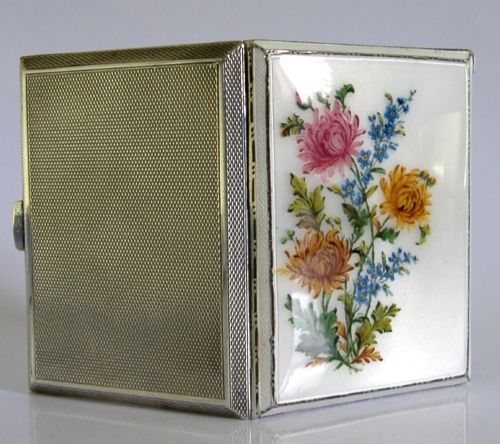
Buyers will encounter painted wood forms alongside smaller enamel patch boxes and porcelain items from the nineteenth and early twentieth centuries. Each piece displays the specific decorative tastes of its period, from Rococo revival curves to Regency elegance.
The objects serve multiple decorative and functional purposes, uniting furniture such as lowboys and desks with smaller items like cigarette cases and lidded jars. This mix reflects the broad scope of painted English craftsmanship across diverse materials.
How they were made
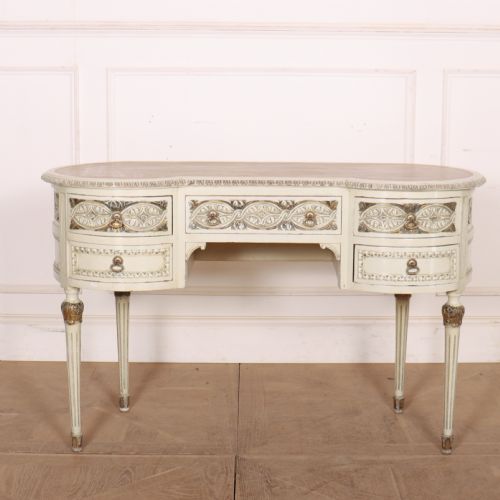
Wood serves as the primary base for larger items such as pine side tables, lowboys and desks, often finished with paint or lacquer. Craftsmen applied surface decoration over wood or utilised porcelain and enamel for smaller boxes and trays.
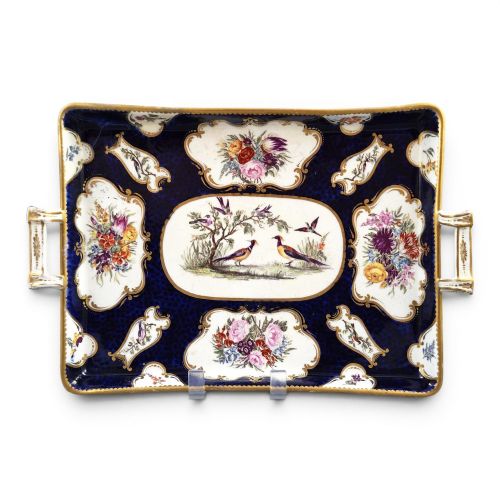
Gilding and detailed hand painting frequently embellish the surfaces, seen in floral motifs and exotic bird traditions on trays and jars. Brass hardware and marble tops provide functional contrast to the painted wooden structures.
Tiny patch boxes once held small silk spots that fashionable Georgians stuck to their faces to hide blemishes or signal secrets.
What varies in quality
The execution of the hand-painted decoration determines much of the visual distinction between examples, with finer brushwork marking out superior pieces. Preservation of the original painted surface and lacquer finish remains paramount for retaining period character.
Materials such as sterling silver mounts and marble tops elevate certain items above standard painted pine or basic wood constructions. The cohesion of the overarching style, whether Neoclassical, Chinoiserie or Victorian, dictates the aesthetic success of the piece.
The English Painted Vanity Glossary
- Lowboy
- A small English side table or dressing table featuring drawers, commonly raised on cabriole legs. These pieces date back to the eighteenth century.
- Washstand
- A piece of furniture designed to hold a basin and pitcher for washing, frequently topped with marble. They are characteristic of nineteenth-century bedrooms.
- Chinoiserie
- A European decorative style interpreting Chinese artistic traditions through painted lacquer and motifs. It appears notably on eighteenth-century boxes.
- Patch box
- A small enamel or porcelain container used in the eighteenth century to hold cosmetic patches. These dainty accessories often feature hinged lids.
- Serpentine
- A curved furniture front shaped in a distinctive convex-concave-convex wave. This line appears on finer desks and case pieces.
English Painted Vanity: Frequently Asked Questions
What is an English painted vanity?
The term covers a diverse range of items including desks, washstands, side tables and decorative boxes adorned with paint, lacquer or enamel. They span the Georgian, Victorian and later periods of English craftsmanship.
Buyers select these pieces for their decorative painted surfaces and historical utility as dressing furniture or storage boxes.
How do I identify a Georgian piece?
Georgian items often exhibit specific stylistic markers such as chinoiserie lacquer, Bilston enamel work, or classic proportions found in lowboys and desks. Their construction techniques and decorative motifs align with eighteenth-century design.
Examining the materials, such as early wood types and hand-applied finishes, helps confirm the period origin.
Where were these pieces used?
Larger items like washstands and desks belonged in bedrooms and dressing rooms of English homes. Smaller accessories such as patch boxes and cigarette cases served as personal vanity items.
These objects moved between private chambers and reception spaces depending on their specific functional scale.
How do I care for painted wood?
Keep painted wooden furniture and decorative boxes away from direct sunlight and excessive moisture to protect the finish. Gentle dusting with a dry cloth preserves the delicate surfaces.
Avoid harsh chemical cleaners that can damage historical paint, gilding and lacquer work.