

English Painted China
English painted china brings together centuries of hand-decorated porcelain, earthenware, and bone china created for display and daily use.
English Painted China
When buyers search for english painted china, they encounter pieces ranging from delicate eighteenth-century cabinet cups to robust twentieth-century dessert services. The selection spans distinct periods including Georgian, Regency, and later Victorian and twentieth-century production.
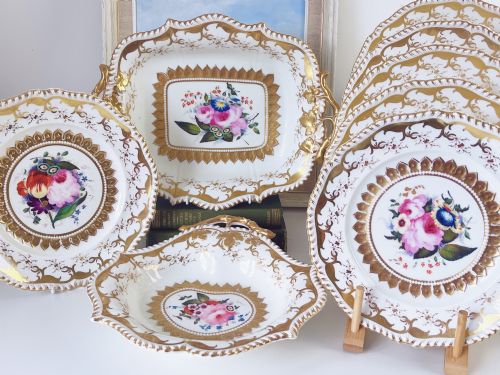
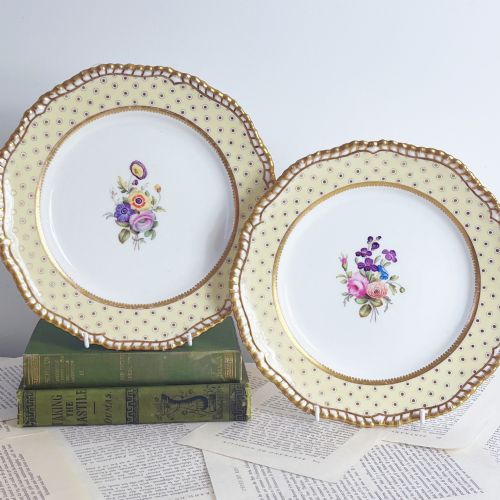
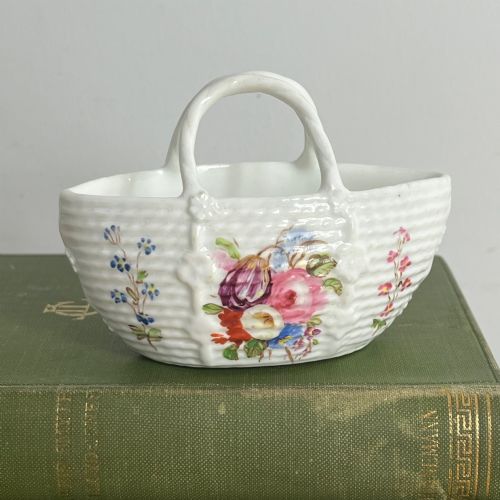
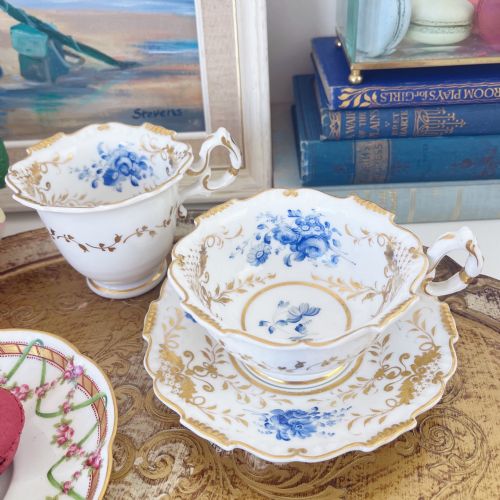
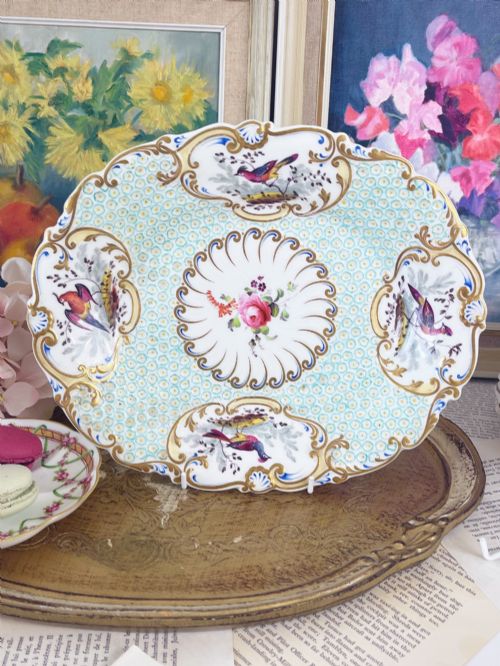
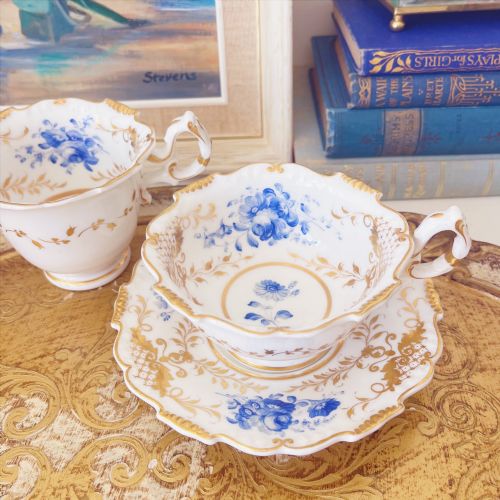
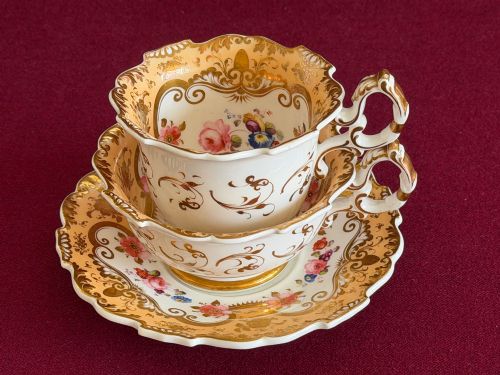
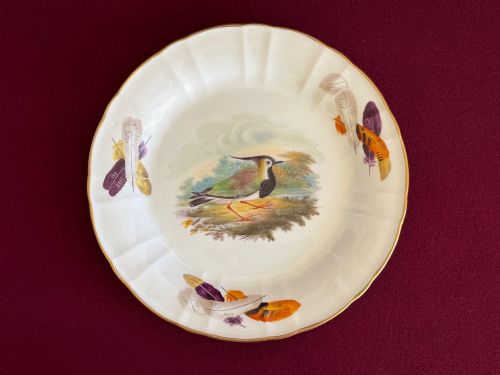
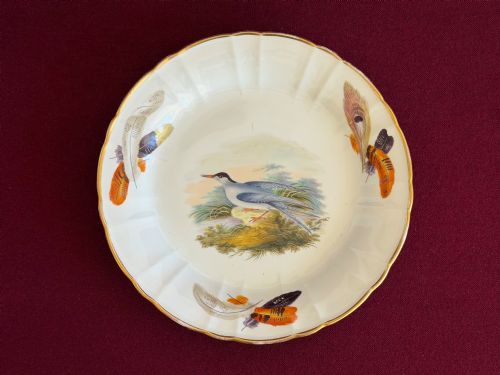
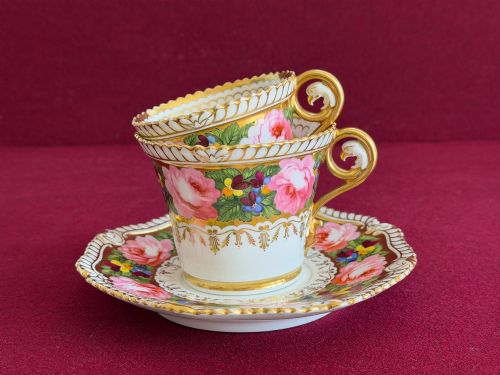
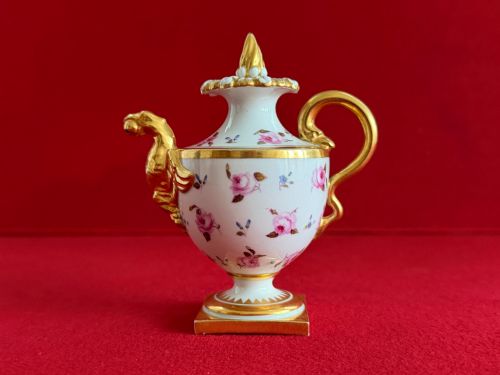
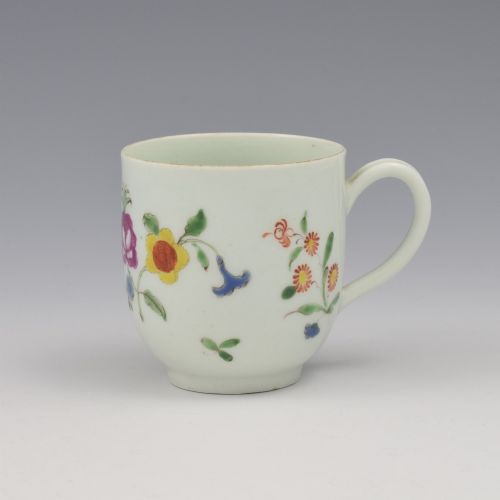
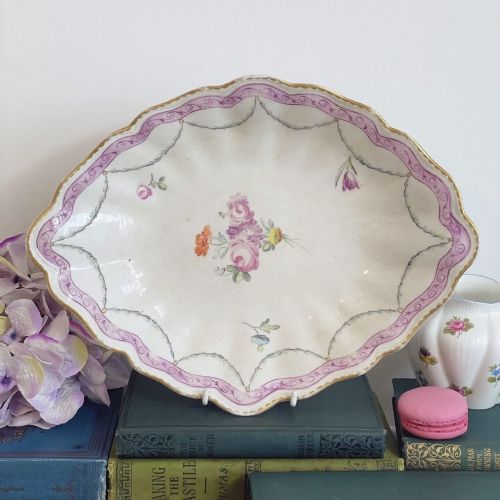
Most items on this page lean towards nineteenth-century Regency and Georgian forms, featuring handpainted botanical studies, birds, and intricate floral sprays. Tableware and decorative items such as plates, teacups, saucers, and small baskets dominate the offerings.
Makers from historic pottery centres like Worcester, Derby, and Coalport represent the core of these listings. Collectors find both cabinet pieces meant for display and service items designed for formal dining.
Materials and production methods
Potters shaped these objects using soft-paste porcelain, bone china, and enamel, applying glazes that created a smooth surface for detailed artwork. Kiln firing fixed the body before artisans added polychrome pigments by hand.
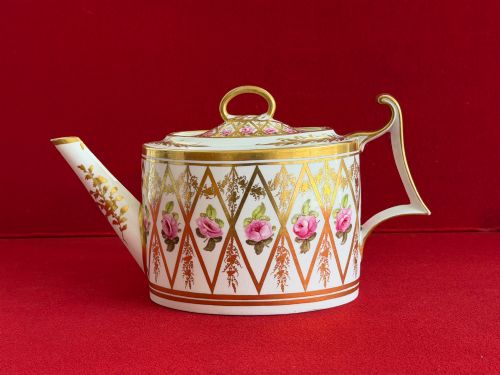
Gold leaf and gilding frequently accent the painted motifs, adding rich metallic borders and highlights to teapots, plates, and trios. Skilled painters used fine brushes to render realistic feathers, petals, and leaves directly onto the glazed ceramic body.
Early Derby artists painted plump putti and vibrant cabbage roses to brighten stubborn Regency mornings.
Distinctions in quality
The precision and detail of the handpainting dictate the standing of each piece, with master artists producing nuanced shading on botanical and avian subjects. Standard production wares show simpler, repetitive floral patterns applied quickly by lesser-known hands.
The weight, translucency, and purity of the porcelain body also separate standard items from superior works created by prominent factories. Gilt application depth and survival of original enamel brilliance further mark the upper tiers of the range.
Grainger Lee And Co·Spode·Flight Barr And Barr·H And R Daniel·Royal Doulton·Derby Porcelain·Wedgwood·Chamberlain Worcester·Richard Chaffers·Chelsea·Newhall·Coalport·Dr Wall·Royal Worcester·Royal Crown Derby·Ridgway
The English Painted China Glossary
- Cabinet plate
- A decorative plate intended for display in a cabinet rather than for serving food at the table. These often feature elaborate painted scenes.
- Bone china
- A type of soft-paste porcelain containing bone ash, developed to improve strength and whiteness. It allows for thin, delicate vessel walls.
- Gilding
- The application of gold leaf or gold powder onto the ceramic surface for decorative borders and accents. This technique requires a secondary low-temperature firing.
- Trio
- A matched set consisting of a teacup, coffee cup, and saucer. Regency and Georgian dining customs frequently utilised these three-piece combinations.
- Soft-paste porcelain
- An artificial porcelain compound fired at lower temperatures than hard-paste varieties. It creates a warm, creamy background ideal for early painted enamels.
English Painted China: Frequently Asked Questions
How do I identify eighteenth-century pieces?
Eighteenth-century items often display soft-paste porcelain bodies with underglaze blue marks or distinct painted anchors and crescents. Artisans painted these works freehand, resulting in slight variations in colour and brushwork.
Examine the footrims for unglazed areas and inspect the glaze pooling under magnification to understand early kiln stacking methods.
What is a cabinet trio?
A cabinet trio comprises a matched teacup, coffee cup, and saucer manufactured together for polite social gatherings. Regency households utilised these sets during morning or evening tea service.
Today, collectors group them as cohesive artistic units to showcase the painter's skill across multiple related forms.
Are these pieces safe for daily use?
Most antique ceramics feature delicate enamel pigments and soft glazes that degrade under modern detergent washing. Handwashing in lukewarm water preserves the fragile gold leaf and surface artwork.
Displaying them in cabinets or using them gently on special occasions ensures the survival of the fragile painted decoration.
How were botanical designs painted?
Painters relied on natural history folios and living specimens to render realistic flowers, birds, and butterflies onto the wet or fired glaze. They built up colour using mineral pigments mixed with oil before firing the piece again to fix the hues.
Signatures or pattern numbers on the base sometimes record the specific decorator or pattern family responsible for the artwork.