




Antique Fruit Urn
Discover an antique fruit urn for your home to bring hand-painted porcelain or turned timber into your display spaces.
Antique Fruit Urn
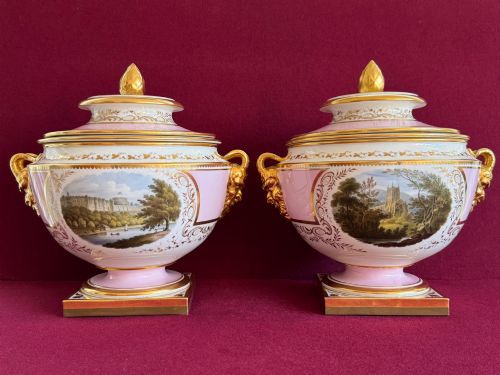
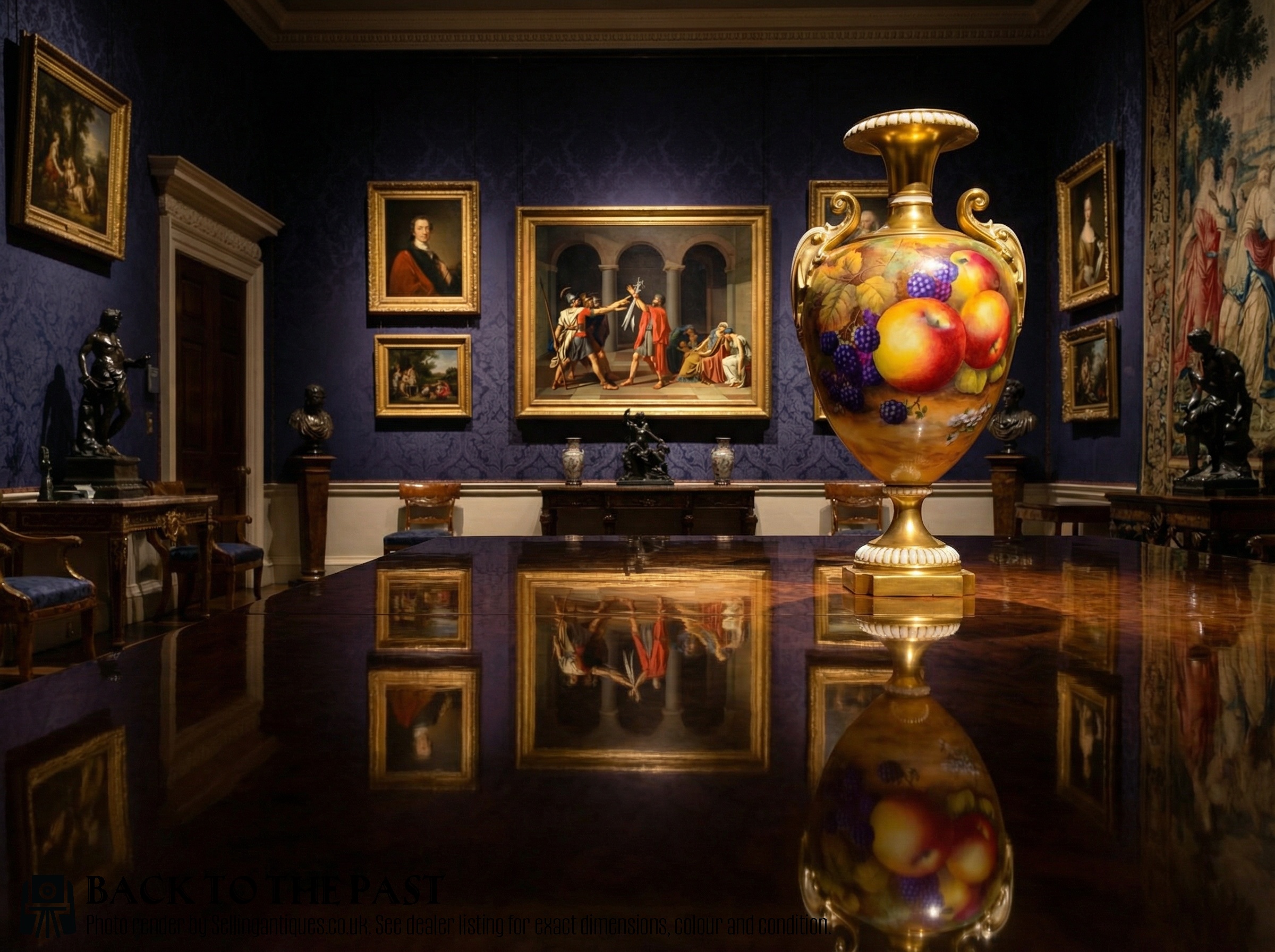
An antique fruit urn brings together classical vessel forms and detailed naturalistic painting or turned timber construction. When exploring this selection, collectors commonly encounter hand-painted porcelain vases, ginger jars, and pot pourri vessels originating from traditional English potteries. These decorative items serve as striking focal points in period interiors, combining historical forms with vivid botanical decoration.
The objects span multiple centuries of craftsmanship, ranging from early nineteenth-century porcelain masterworks to sturdy turned fruitwood utensils and utility items. Pieces take the shape of covered jars, pedestal bowls, and handled urns designed to hold dried flowers or simply display rich artistic skill. Each example reflects the prevailing aesthetic tastes of its era, from Georgian refinement to mid-century studio pottery.
How They Were Made
Potters and artisans utilised fine porcelain and earthenware bodies as the foundation for elaborate hand-painted fruit compositions. Skilled decorators applied rich glazes, enamel, and gold leaf highlights, subsequently firing the vessels multiple times to achieve permanent depth and colour. Alternatively, turners fashioned dense fruitwood on lathes to create utilitarian vessels and treen objects with smooth, tactile surfaces.
Makers integrated traditional throwing and moulding techniques with meticulous brushwork executed by named artists. Gilding was applied by hand to accent rims, handles, and covers, while wood pieces relied on natural grain patterns enhanced by simple polishing.
Antique Fruit Urn Retail Price Guide 2026
Typical asking prices for fruit urn among the pieces listed under this phrase on Sellingantiques today, from the lower quarter to the upper quarter. They describe what is for sale here now, not the wider market.
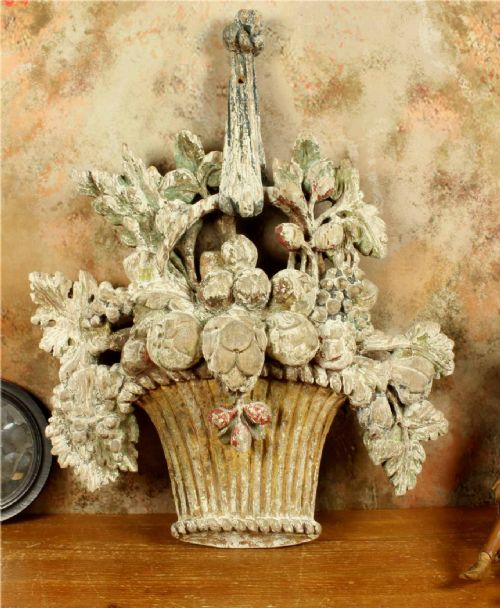
Even a humble nineteenth-century lemon squeezer managed to get itself turned from proper fruitwood.
What Varies in Quality
The distinction between standard production items and exceptional works lies primarily in the skill and detail of the hand-painted decoration. Master painters achieved remarkable realism and subtle colour gradation in their depictions of fruit, whereas lesser pieces display repetitive or mechanical brushwork. The crispness of the porcelain moulding and the precision of the applied gilding further define the upper tier of quality.
In wooden and turned examples, quality depends on the selection of dense timber, the symmetry of the turning, and the preservation of original surfaces. Pieces bearing clear artist signatures or factory marks command greater recognition from collectors due to verified attribution.
Royal Worcester·William Moorcroft·Charlotte Rhead·Flight Barr And Barr·Coalport
The Antique Fruit Urn Glossary
- Pot pourri vase
- A decorative vessel featuring a pierced or perforated cover designed to release the fragrance of dried petals and spices into a room. These pieces often showcase intricate painted fruit motifs across their main bodies.
- Treen
- Small handmade wooden household objects created by turning on a lathe or through simple carving. The term derives from the old word for tree.
- Gilding
- The application of gold leaf or gold powder to the surface of porcelain, wood, or metal to provide metallic ornamentation and highlight raised details. This technique elevates the decorative richness of the piece.
- Earthenware
- Porous pottery fired at lower temperatures and typically covered with a glossy glaze to ensure it holds contents securely. It forms the robust body of many traditional decorative vessels.
- Comport
- A shallow standing bowl or dish raised on a stem, utilised historically for serving fruit or as a centrepiece decoration on dining tables.
Antique Fruit Urn: Frequently Asked Questions
How do I care for painted porcelain?
Painted porcelain requires gentle handling and should be dusted regularly with a soft, dry cloth. Avoid using harsh chemical cleaners or abrasive sponges that might damage the delicate enamel and gold leaf.
Keep these vessels away from direct, prolonged sunlight to prevent the hand-painted colours from fading over time. Display them on stable surfaces where they will not be knocked or vibrated.
How are wooden fruitwood items identified?
Wooden items described as fruitwood are typically turned from dense timber such as apple, pear, or cherry. They display fine, uniform grain patterns and develop a warm, patinated surface through decades of handling.
Collectors examine the tool marks and construction methods to distinguish early turned treen from later reproductions. These pieces include utility items, small containers, and decorative turned vessels.
Who were the notable artists?
Numerous celebrated porcelain painters specialised in botanical and fruit subjects, signing their completed works. Artists working for major factories produced highly detailed compositions that remain sought after by collectors today.
Signatures or monograms are frequently found near the base of the painted scenes or on the underside of the vessel. Identifying these signatures provides clear insight into the provenance of the piece.