




Fine Bone China
Fine bone china pieces are durable, translucent white ceramics prized for their refined elegance and strength, making them sought after for display and formal dining.
Fine Bone China
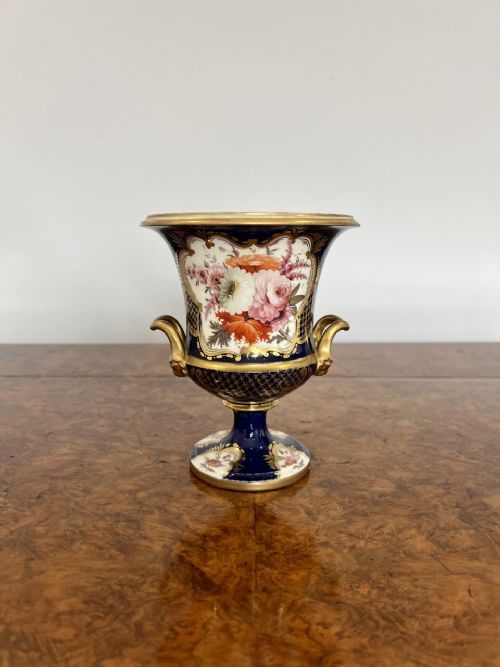
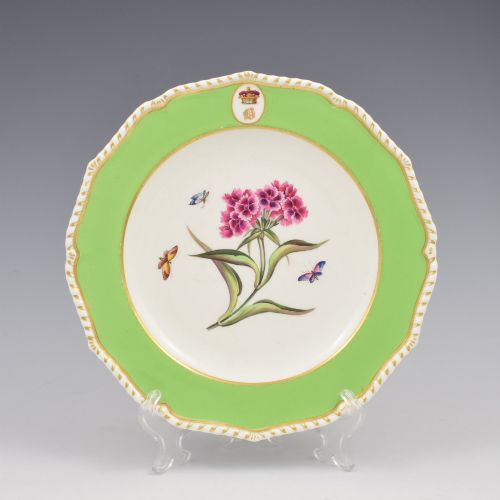
Fine bone china encompasses decorative and practical ceramics including cabinet plates, vases, urns, ginger jars, and dinner and coffee services. These pieces span periods from the early nineteenth century through the Edwardian, Victorian, and Art Deco eras up to the mid-twentieth century.
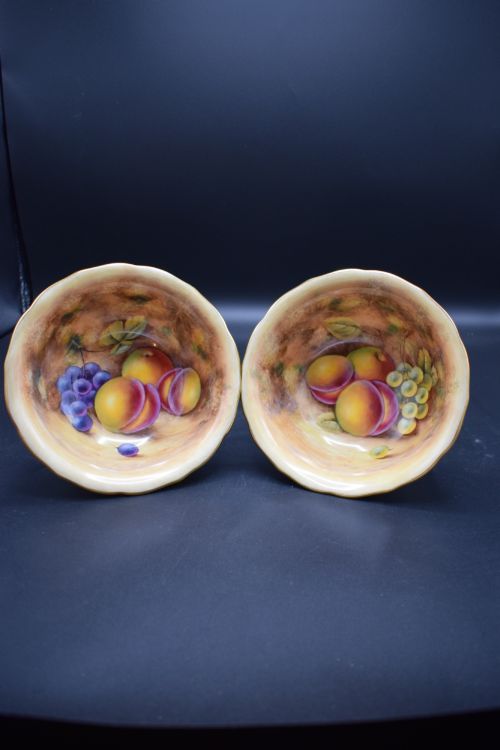
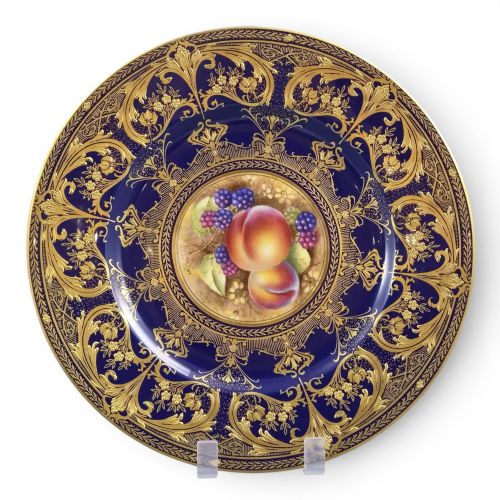
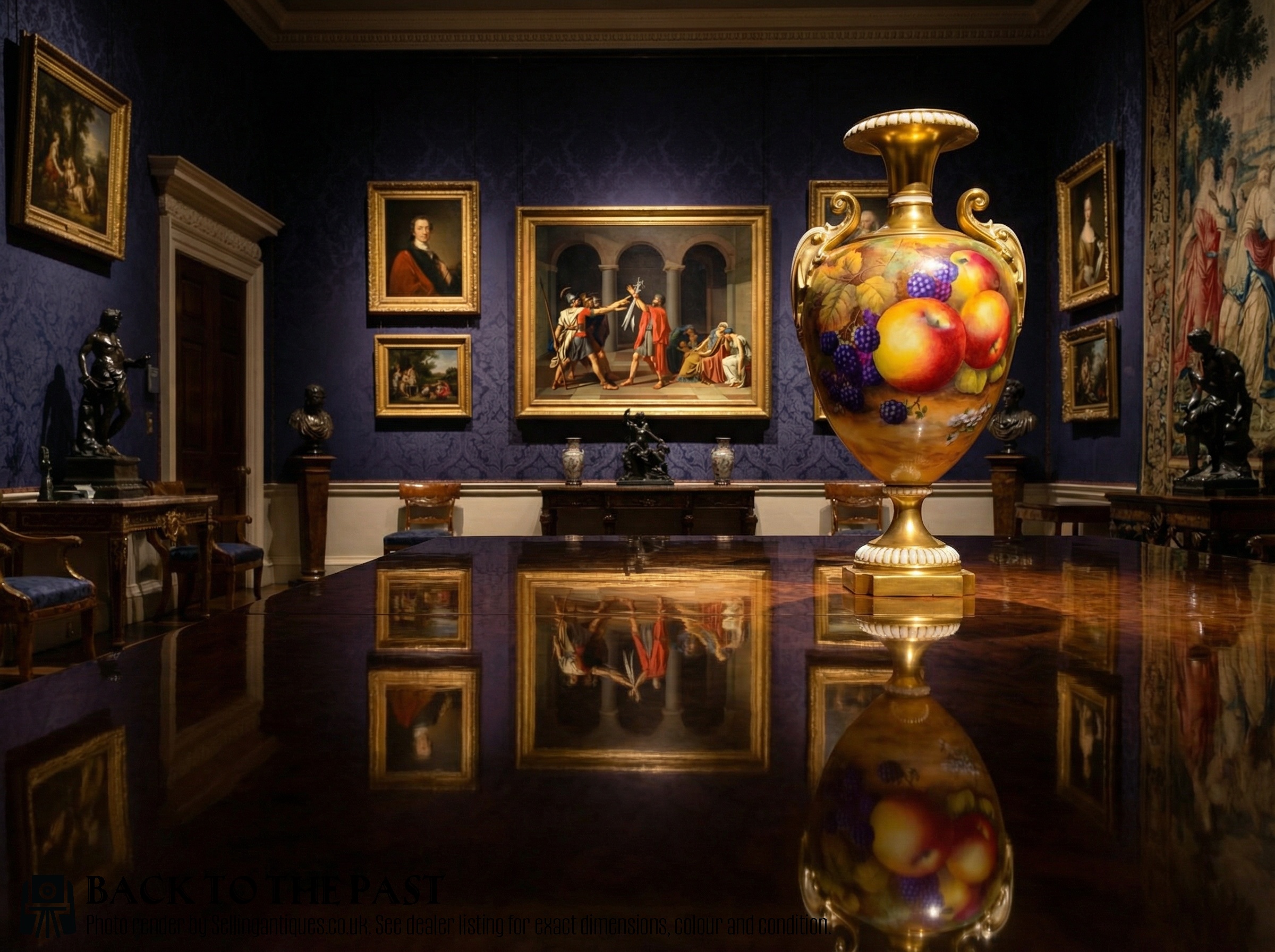
Buyers frequently encounter nineteenth-century armorial and botanical dessert plates alongside twentieth-century hand-painted fruit items. The selection reflects traditional English manufacture across diverse forms such as spill vases, demitasse sets, and dinner services.
How they were made
Production combines bone ash, feldspathic rock, and kaolin to achieve a high degree of translucency and durability during high-temperature firing. Artisans shape the ceramic body on the potter's wheel or in moulds before applying hand-painted enamel decoration and cobalt pigments.
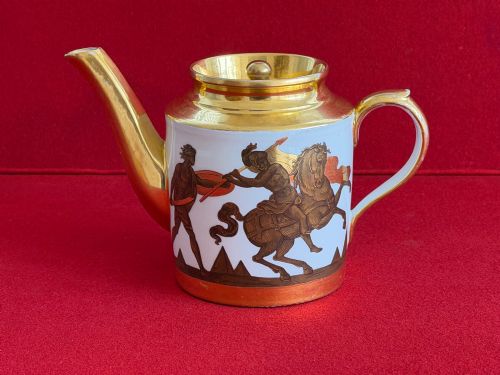
Gilding and gold leaf accents are hand-applied to rims, handles, and borders, often requiring a subsequent low-temperature firing to bond the metal to the glazed surface.
Fine Bone China Retail Price Guide 2026
Typical asking prices for fine bone china among the pieces listed under this phrase on Sellingantiques today, from the lower quarter to the upper quarter. They describe what is for sale here now, not the wider market.
Listings feature items from the nineteenth century alongside pieces from the 1930s, 1950s, and 1960s, utilising porcelain, bone ash, and gold leaf.
What varies in quality
Quality differences lie in the intricacy and execution of the hand-painted brushwork by named artists, where botanical studies, fruit compositions, and armorial bearings demonstrate superior draughtsmanship. The precision of the gilding and the purity of the white bone china body also distinguish higher grade productions.
The historical significance of the maker and the complexity of the object form, such as large covered vases or complete services, elevate the standing of a piece within its period.
Royal Crown Derby·Royal Worcester·Spode·Coalport·Chamberlain Worcester·Minton·Sutherland
The Fine Bone China Glossary
- Bone china
- A type of soft-paste porcelain incorporating animal bone ash, producing a strong, highly translucent ceramic body. This material allows for thinner walls than traditional porcelain without sacrificing structural integrity.
- Armorial
- A design featuring a coat of arms or heraldic insignia hand-painted onto the ceramic surface. These bespoke commissions were typically produced for landed families.
- Enamel
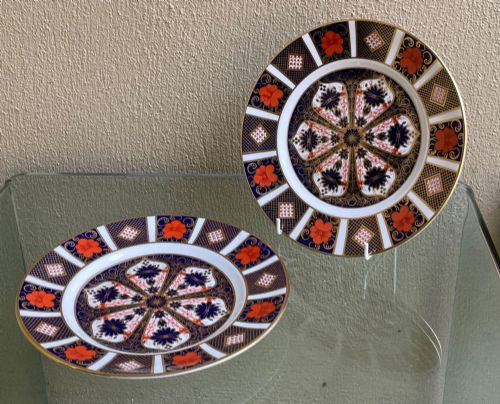
- Vitreous coloured glass fused to the ceramic body during firing to create detailed painted scenes. Cobalt enamel provides a deep, stable blue tone frequently used in traditional patterns.
- Demitasse
- A small cup used for serving strong black coffee or espresso, often accompanied by a matching saucer. These dainty vessels demonstrate the delicacy achievable with fine bone china.
- Blush ivory
- A tinted cream-coloured matte ground finish developed by Victorian potteries, often serving as a subtle backdrop for floral hand-painting.
Fine Bone China: Frequently Asked Questions
Can I use these plates for dining?
Most antique and vintage cabinet plates and decorative services are intended for display or light occasional use. Hand-painted surfaces and delicate gilding can wear down with regular daily dining and mechanical dishwashing.
Reserve these items for special occasions where their historical craftsmanship can be appreciated safely. Stating their heritage, many collectors prefer to mount plates on walls or display them in cabinets.
How do I identify the period of a piece?
Examine the base for maker's marks, pattern numbers, and registration stamps which changed across different decades and reigns. Stylistic clues such as Regency botanical layouts, Victorian florals, or Edwardian gilding styles also help narrow down the date of manufacture.
Consult manufacturer records and date codes specific to firms like Royal Worcester or Coalport. Comparing the paste thickness and enamel palette provides additional context for dating.
Why is bone ash used in the clay?
Incorporating animal bone ash into the porcelain mixture lowers the firing temperature while increasing the vitrification of the body. This specific chemical composition creates the characteristic milky translucency and superior chip resistance.
English potteries refined this recipe during the eighteenth and nineteenth centuries to compete with imported Asian porcelain. The resulting material set a high standard for fine dinnerware.