


English Oak Drawer Table
When you search for an english oak drawer table, you are looking at centuries of functional carpentry designed to hold daily essentials.
English Oak Drawer Table
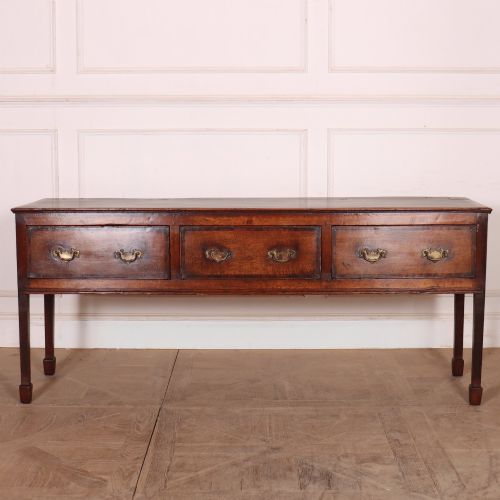
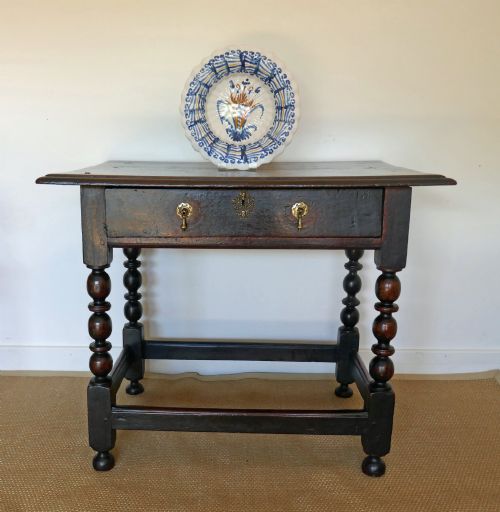
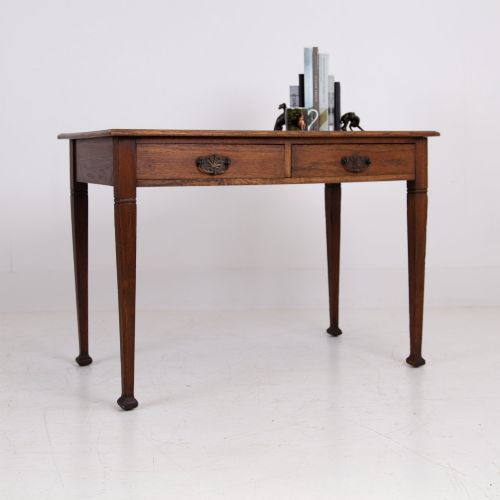
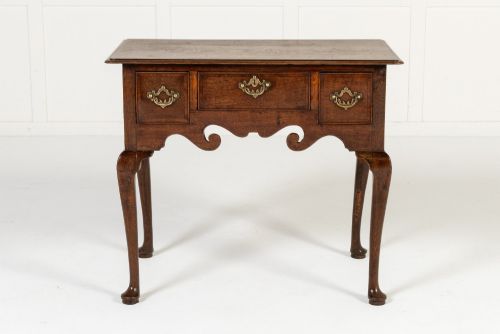
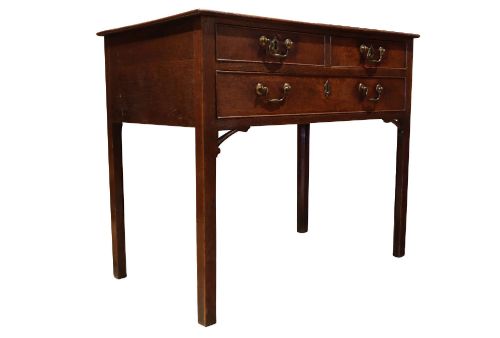
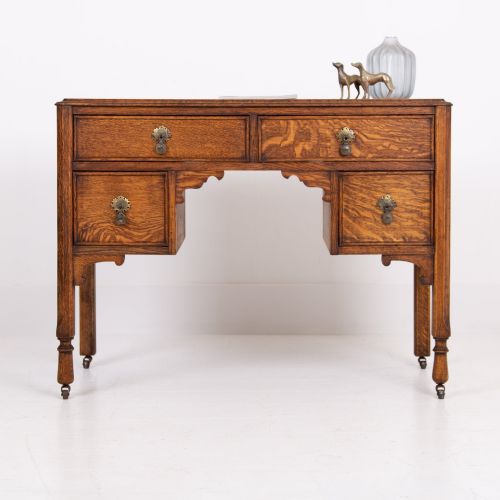
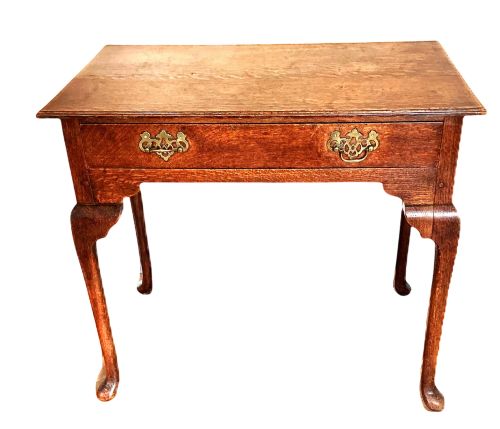
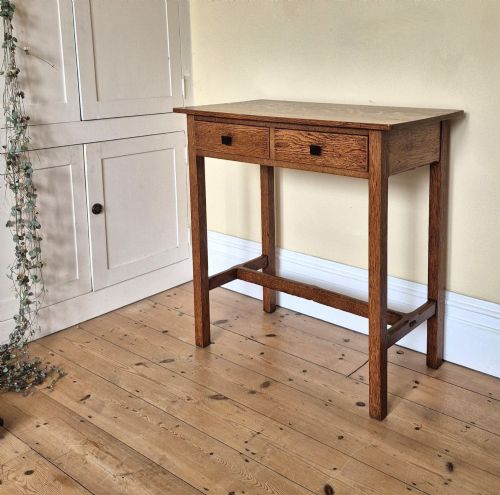
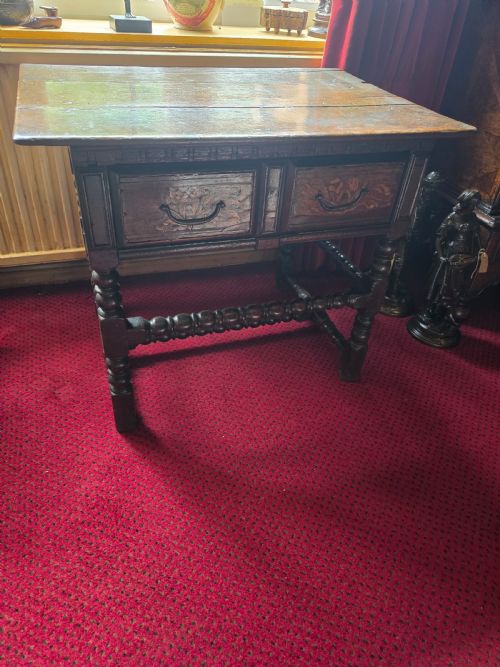
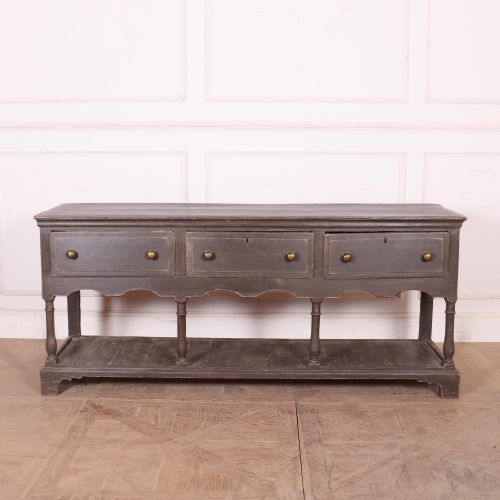
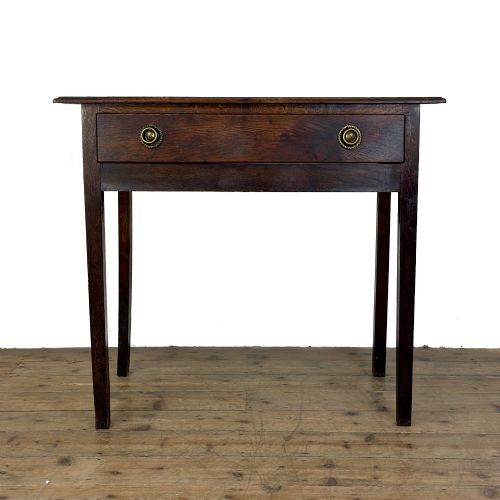
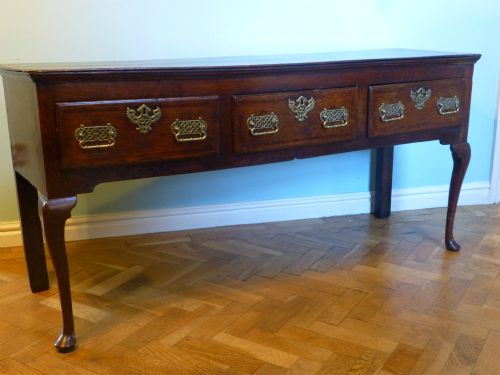
An english oak drawer table typically spans forms such as side tables, lowboys, and dresser bases featuring integrated storage. Pieces in the inventory range from the seventeenth century through the Georgian and Victorian eras up to the nineteen-twenties.
The seventeenth-century examples often display bold proportions and moulded drawer fronts, whilst eighteenth-century versions introduce cabriole legs and potboard bases. Later nineteenth and early twentieth-century interpretations bring lighter golden tones and simpler desks into domestic spaces.
How They Were Made
Carpenters relied primarily on solid oak supplemented by secondary timbers such as pine and ash for internal drawer linings and secondary panels. Construction utilised traditional joinery methods to frame heavy tops above operational drawers.
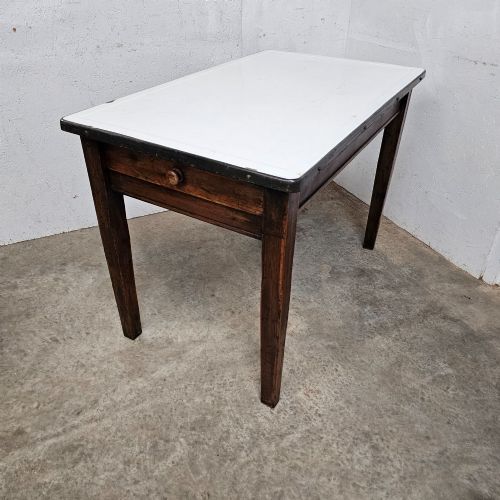
Hardware details incorporated brass drop handles and iron fittings, whilst decorative touches occasionally involved wood inlay or painted surfaces. Certain pieces also combined oak structures with vitreous enamel for specialised prep work.
What Varies in Quality
The caliber of an english oak drawer table depends heavily on the integrity of the timber and the depth of the patination built up over centuries of use. Rich, warm colour and tight grain differentiation distinguish superior examples from plain or heavily altered surfaces.
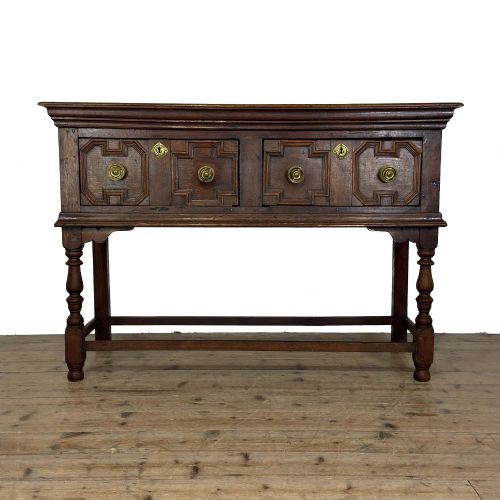
Proportion and execution of carved details dictate desirability among collectors, with crisp geometric mouldings or well-turned legs showing superior workshop execution. The survival of original brass hardware and untouched drawer construction further elevates a piece's standing.
Holland and Sons·Hubert Simpson
The English Oak Drawer Table Glossary
- Lowboy
- A small oak table featuring one or more rows of drawers, typically used as a dressing or side table during the seventeenth and eighteenth centuries.
- Dresser base
- A lower sideboard unit equipped with drawers and sometimes a potboard shelf beneath, originating from early country houses.
- Potboard
- An open lower shelf fitted between the legs of a dresser base, traditionally used for storing pots and heavy kitchen utensils.
- Geometric moulding
- Raised decorative framing applied to drawer fronts, characteristic of late seventeenth-century joinery.
- Cabriole leg
- A furniture leg that curves outward and then tapers inward, popular during the Georgian period.
English Oak Drawer Table: Frequently Asked Questions
What is an english oak drawer table?
These pieces are utilitarian wooden tables equipped with built-in storage drawers, originating from domestic and provincial settings across multiple centuries. They served practical roles as servers, desks, and side tables in historical interiors.
Today, they function as versatile accent furniture in modern homes, providing surface display area alongside enclosed storage for everyday items.
How were these tables used historically?
In early centuries, these tables acted as central surfaces for food preparation, writing, and storing household documents or tableware. Their sturdy construction allowed them to withstand heavy daily labour in kitchens and halls.
Over time, refined versions moved from working areas into parlours and bedrooms to hold personal effects and writing materials.
How do I care for antique oak furniture?
Maintaining these surfaces requires keeping them away from direct heat sources and extreme humidity fluctuations to prevent timber splitting. Regular dusting with a dry, soft cloth preserves the historic wax and polish without stripping the finish.
Applying a traditional beeswax polish occasionally helps nourish the aged wood and maintain its natural lustre.
How can I tell a seventeenth-century table from a Georgian one?
Seventeenth-century examples typically display heavier proportions, pegged joints, and geometrically moulded drawer fronts reflecting earlier joinery traditions. Their timber often exhibits darker, deeper patination developed over centuries.
Georgian pieces frequently introduce lighter golden oak, cabriole legs, and more refined bracket feet influenced by changing stylistic preferences of the eighteenth century.