
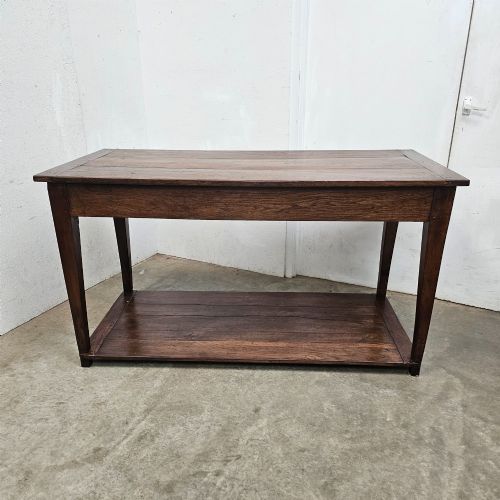
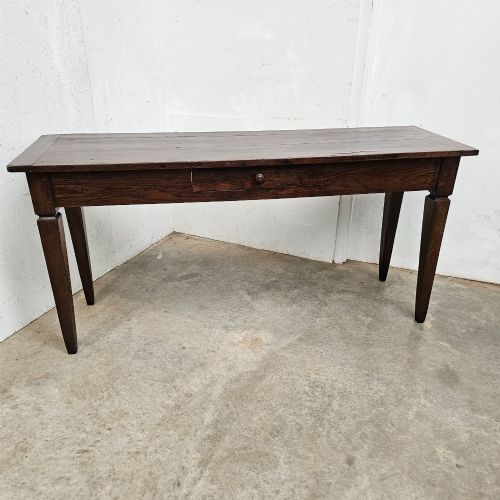
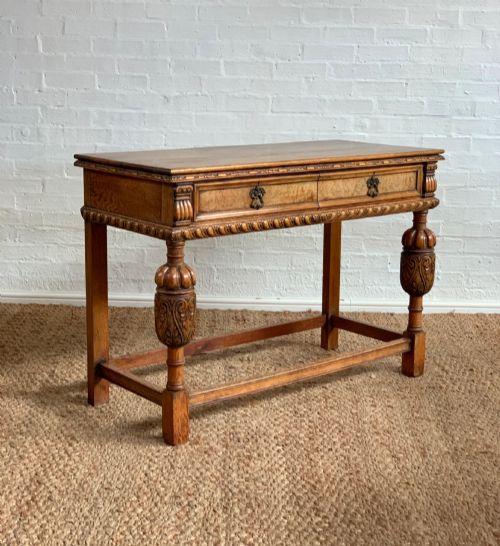
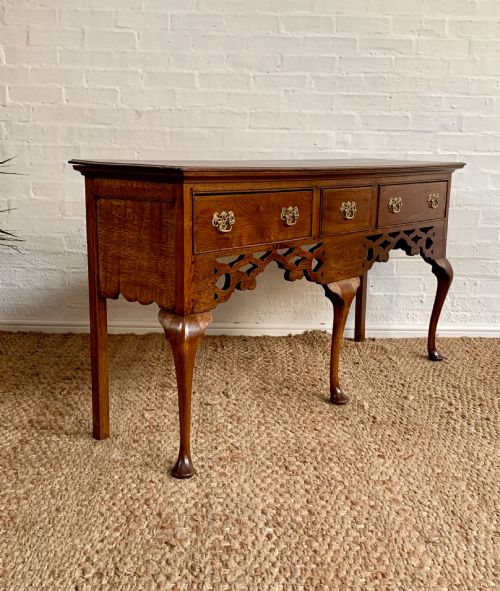
Brown Oak Serving Table
A brown oak serving table brings warmth and utility to a dining room, combining robust timber with historic character.
Brown Oak Serving Table
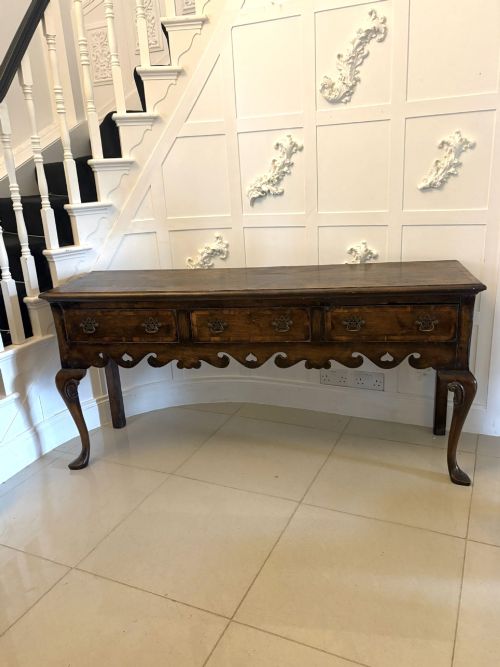
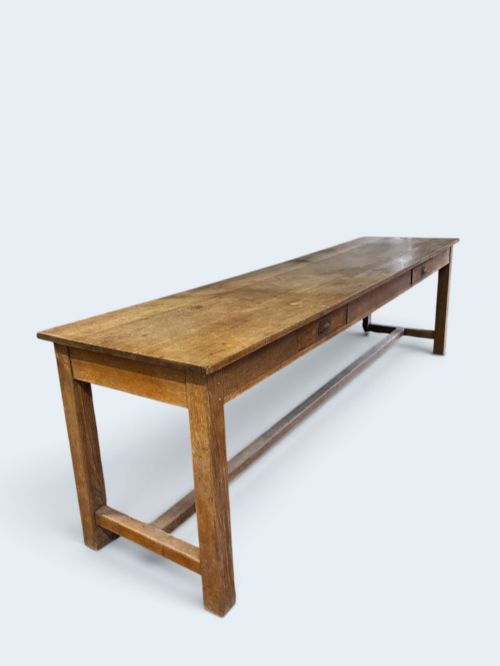
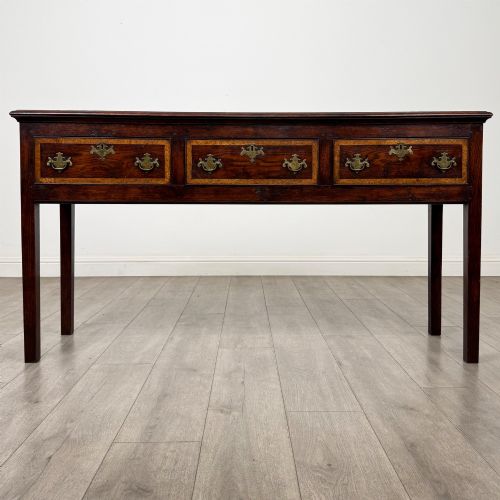
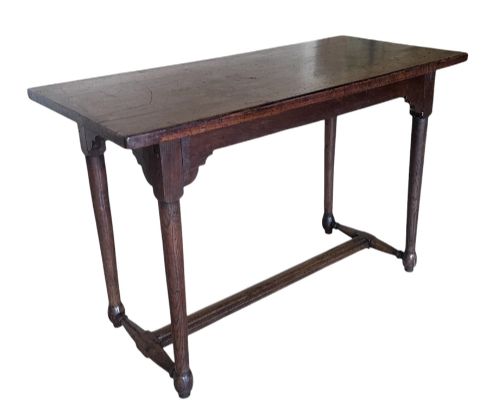
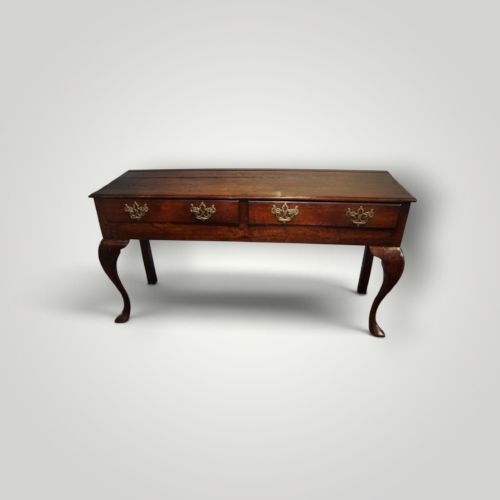
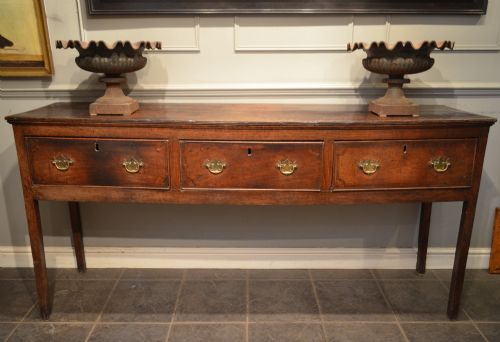
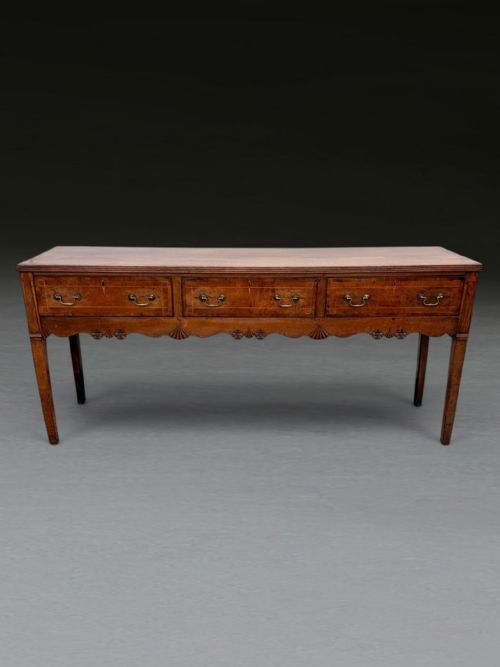
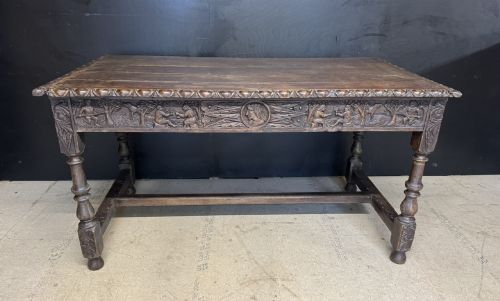
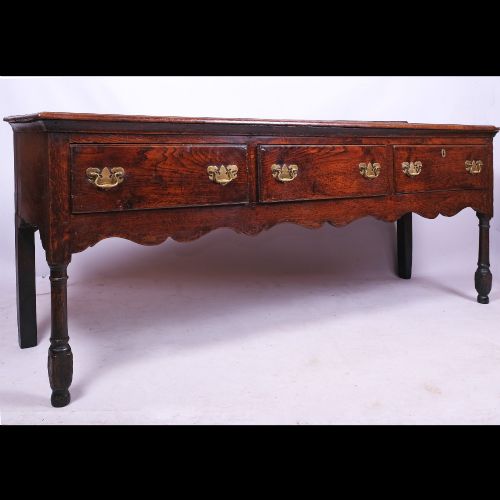
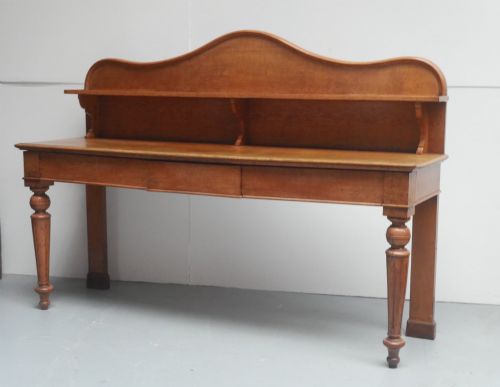
A brown oak serving table is a sturdy timber surface designed for food presentation, dining storage, and domestic utility. These pieces range from rustic country examples to formal Georgian dresser bases and carved Victorian side tables.
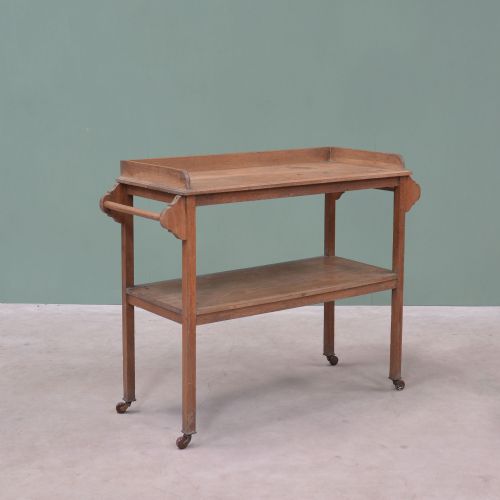
Buyers meet variations spanning the seventeenth century through to the Edwardian era, constructed in formats such as console tables, dresser bases, and multi-tier trolleys. English, French, and Scottish origins appear frequently among the listings.
The dominant material is oak, often enriched with brass hardware, fruitwood accents, and iron fittings. Pieces display regional styles including Jacobean, Gothic Revival, and English Country.
Assessing craftsmanship and condition
Quality rests in the integrity of the timber selection and the precision of the joinery rather than surface ornamentation alone. Superior examples maintain original structural framing, balanced proportions, and minimal later intervention.
Carved details and turning demonstrate the artisan's hand, where crisp lines and deep relief distinguish accomplished workshops from simpler regional production. The depth of the timber's natural patina reflects age and how the surface has matured through use.
One exceptional piece arrives with a provenance straight from Bäckaskog Castle.
Beresford & Hicks London
The Brown Oak Serving Table Glossary
- Dresser base
- A low wooden unit fitted with drawers and occasionally cupboards, traditionally used for food preparation and storage in large kitchens.
- Butlers tray
- A portable wooden tray with raised sides, often set upon a folding X-frame stand for serving refreshments.
- Credence table
- A small wooden side table featuring a folding leaf supported by a swinging leg, historically used in ecclesiastical and domestic settings.
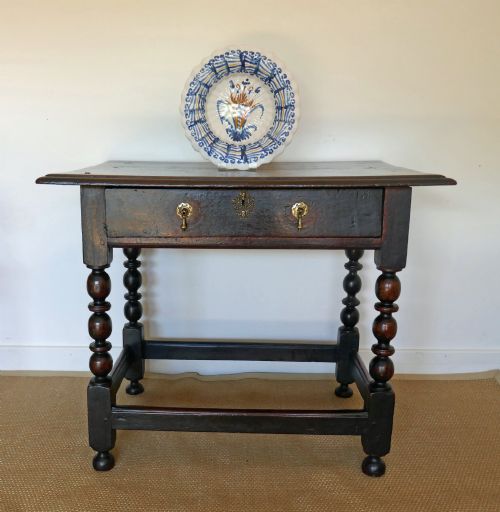
- Bobbin turned
- Timber shaped on a lathe into a series of rounded, spool-like swellings and rings.
- Etagere
- A set of open shelves on legs used for displaying or serving items across multiple tiers.
Brown Oak Serving Table: Frequently Asked Questions
How were serving tables used historically?
Serving tables stood in dining rooms and halls to hold dishes, flagons, and platters before service. They acted as auxiliary surfaces during large meals when the main dining table lacked space.
Servants placed heavy joints of meat and ceramic vessels upon the sturdy oak tops. Drawers stored cutlery, linen, and dining accessories close to hand.
Where should I place one at home?
These tables fit naturally in dining rooms, entrance halls, and large kitchens where practical surface space is required. Their narrow profile allows them to sit flush against walls without obstructing pathways.
In a hallway, a console or side table holds keys, lamps, and decorative objects. In a dining area, it functions as a true server for drinks and serving dishes.
How do I care for antique oak?
Maintain the timber by dusting regularly with a soft, dry cloth and applying natural beeswax occasionally to nourish the grain. Avoid placing oak furniture near direct heat sources or in strong sunlight.
Keep moisture off the surface by using coasters and placestats. Quick attention to spills preserves the historic polish and prevents water marks on the wood.
How can I tell the period?
Dating relies on observing construction methods, tool marks, timber thickness, and stylistic details. Seventeenth-century pieces often show heavy mouldings and bobbin turning, while Georgian examples feature cleaner proportions and cabriole legs.
Hardware styles, drawer linings, and fastener types offer further clues to age. Regional construction traits also help pinpoint the era and origin of each piece.