



English Oak Accent Chair
These english oak accent chair selections combine sturdy native timber with centuries of regional design, offering practical seating built for daily use.
English Oak Accent Chair
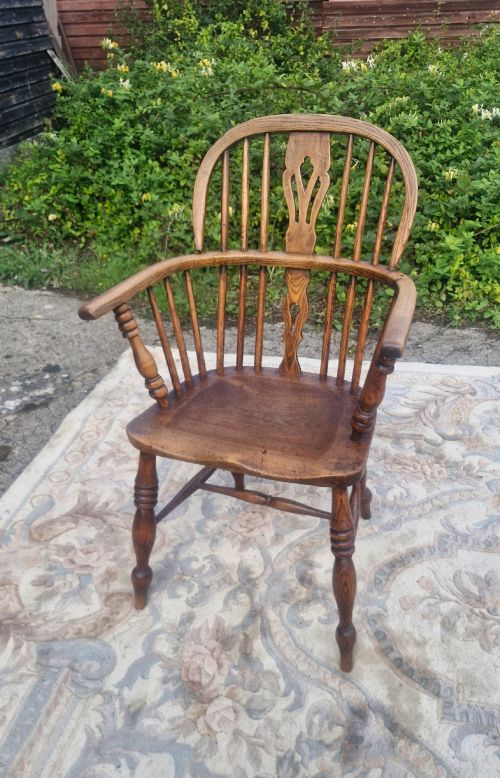
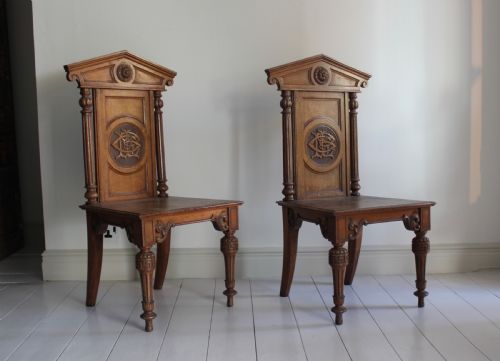
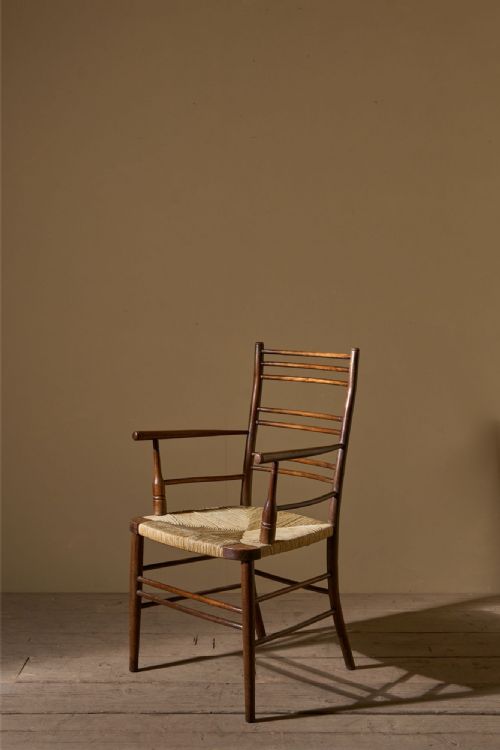
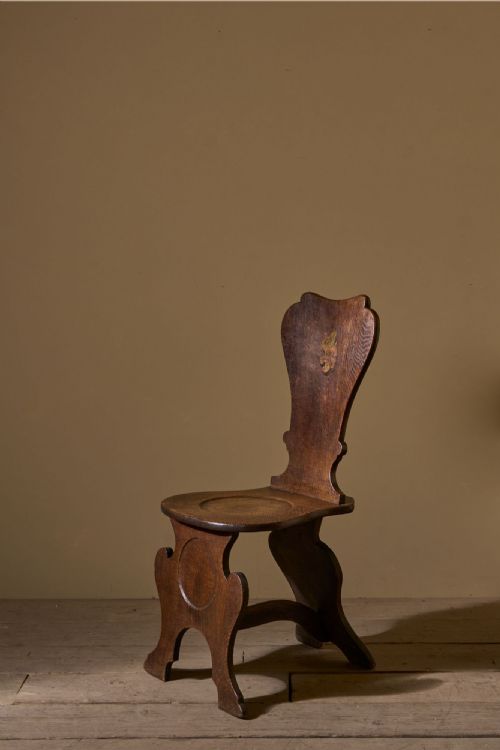
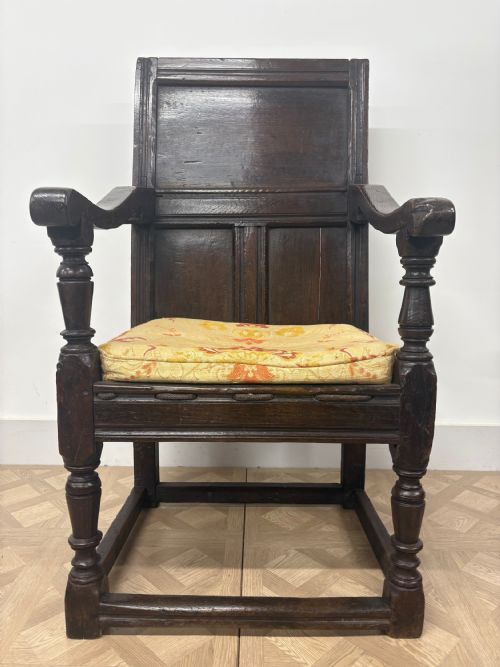
An english oak accent chair spans several distinct historical periods, running from early seventeenth-century wainscot armchairs and backstools through to Victorian Gothic revivals and Arts and Crafts ladderbacks. Buyers searching this phrase encounter substantial timber framing formed into low back Windsors, tall library seats, and rigid hall chairs designed for occasional placement.
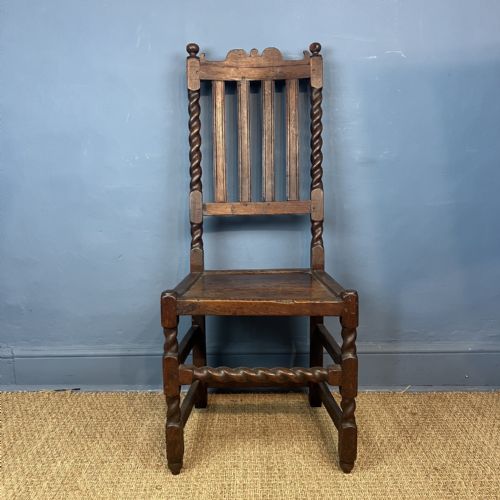
The assortment on this page draws heavily on vernacular English country traditions alongside formal Georgian and Jacobean revivals. While heavy seventeenth-century jointed frames dominate the earlier eras, later nineteenth-century interpretations introduce barley twists, rush seats, and carved Gothic splats to domestic interiors.
How They Were Made
Makers relied on solid oak as the primary structural skeleton, frequently combining it with secondary woods such as elm, beech, and ash for seats and spindles. Construction methods depended on traditional mortise and tenon joinery, secured with wooden pegs rather than metal fastenings.
Surface detailing involved hand turning on a lathe to create bobbin or spindle legs, alongside deep chip carving on panels and splats. Seats were either shaped directly from solid timber planks or woven using natural rush and cane.
Listings feature oak, elm, beech, and ash timbers spanning from the seventeenth century through to the Edwardian era.
What Varies in Quality
Quality rests upon the integrity of the original timber frame and the depth of hand-carved ornamentation. Early pieces showing crisp joinery and minimal structural replacement command greater respect than heavily restored examples.
The balance of proportions and the sophistication of turnings define the upper tiers of these chairs. Finer examples retain their original surface patination, reflecting decades of honest use without losing their structural rigidity.
The English Oak Accent Chair Glossary
- Wainscot armchair
- A heavy seventeenth-century wooden chair constructed with panelled backrests and solid armrests. These pieces represent the height of early vernacular joinery.
- Backstool
- An early upholstered or panelled chair built without arms, functioning primarily as a side or hall seat. They were common in domestic households before the widespread adoption of dining sets.
- Bobbin turning
- A decorative lathe technique producing a series of rounded wooden spheres resembling spools of thread. This detail appears frequently on seventeenth-century and Victorian revival frames.
- Glastonbury chair
- A distinctive folding armchair design featuring X-framed supports and a sloped panel back. This style gained renewed popularity during the Gothic Revival period.
- Splat
- The vertical central strip of wood set within the backrest of a chair. Carved or pierced splats often help determine the period and regional style.
English Oak Accent Chair: Frequently Asked Questions
What defines an english oak accent chair?
These pieces are distinct seating options constructed primarily from native British oak, ranging from early jointed wainscot chairs to later Victorian Gothic revivals. They function as occasional seating that introduces historical character and texture into a room.
Buyers encounter various forms, including sturdy spindlebacks, carved hall chairs, and low lounge seats. Each item reflects the vernacular woodworking traditions of its specific century.
How do I date an older wooden chair?
Dating relies on examining the joinery methods, timber species, and tool marks visible on the underside of the seat. Early seventeenth-century frames use pegged mortise and tenon joints, whereas later nineteenth-century pieces often incorporate machine-sawn components and different secondary woods like beech or elm.
Stylistic markers such as bobbin turnings, shield backs, or carved strapwork also anchor the piece to particular decades or revival movements.
Were these chairs used for dining?
Many of the side chairs and hall chairs listed were originally intended for hallways or perimeter placement rather than daily dining use. Over time, collectors and homeowners have repurposed them as functional accent seating around modern tables and living spaces.
Heavier armchairs served as principal seats of authority in seventeenth-century homes before lighter Windsor and ladderback forms emerged for everyday relaxation.
How should I care for solid oak furniture?
Maintain the timber by keeping the chair away from direct heat sources and sudden humidity shifts, which can cause the old oak to split. Regular dusting with a soft cloth preserves the dry, historic finish without trapping moisture.
Avoid heavy commercial polishes that build up on the grain; instead, let the natural patination develop through gentle handling and occasional waxing.