


English Ironstone Serving Dish
An English ironstone serving dish is a heavy, durable utilitarian vessel designed for the dining table, offering robust charm and striking patterns.
English Ironstone Serving Dish
When you search for an english ironstone serving dish, you encounter sturdy nineteenth-century earthenware and ironstone china designed for substantial family meals. These pieces include large meat platters, lidded tureens, vegetable dishes, low comports, and chargers created during the Victorian and Georgian eras.
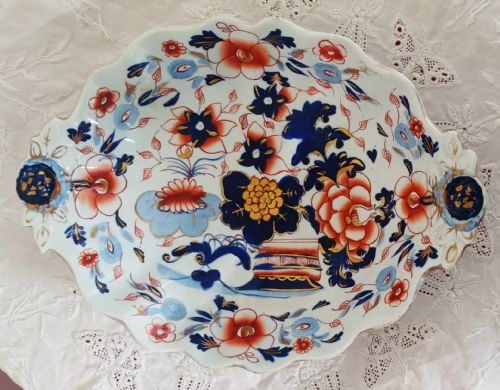
The version you are most likely to meet on this page is a nineteenth-century serving dish or platter featuring transfer-printed or hand-painted patterns influenced by Oriental aesthetics, such as Chinoiserie, Japan, and Imari styles. Makers utilised durable ceramic bodies to withstand heavy daily use while maintaining decorative appeal on the dining table.
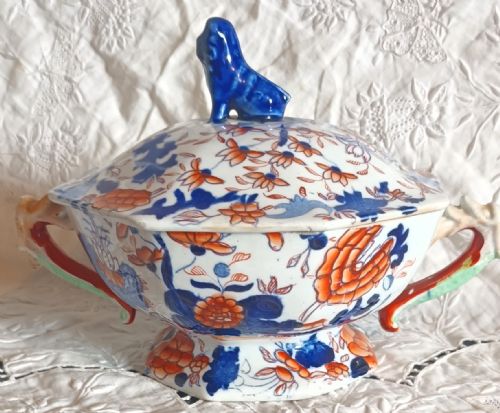
Forms range from simple blue and white transfer-printed lidded tureens with ladles to elaborate green mandarin patterns and well-and-tree meat platters. These items reflect the domestic dining habits of the nineteenth century, combining practical utility with colourful visual presentation.
How they were made
Potters produced these vessels using dense ironstone china and earthenware bodies, which provided exceptional durability compared to standard porcelain. Artisans shaped the clay into large platters, tureens, and ashets before applying glazes and firing the pieces in kilns.
Decoration relied on blue and white transfer printing or hand-applied enamel colours, sometimes enhanced with gold leaf and gilding. Oriental-style motifs, including pagoda and Chinoiserie designs, were meticulously painted onto the glazed ceramic surface.
Listings feature nineteenth-century ironstone serving dishes in forms including tureens, meat platters, and comports, utilising transfer-printed and hand-painted enamel decoration.
What varies in quality
Quality in these heavy ceramic pieces rests upon the crispness of the transfer print and the precision of the hand-applied enamel colours and gilding. Finer examples display vivid, well-preserved palettes and intricate detailing on complex forms like well-and-tree platters or lidded tureens.
The weight, density, and thickness of the ironstone body also distinguish standard utility wares from more ambitious decorative chargers and dessert shapes. Preservation of the original glaze and minimal fading in the gold leaf or enamel contribute significantly to the standing of an individual piece.
Mason's Ironstone·Minton
The English Ironstone Serving Dish Glossary
- Ironstone china
- A patented ceramic body developed in the nineteenth century for its extreme durability and stone-like strength. It served as a robust alternative to porcelain for heavy-duty tableware.
- Ashet
- A regional British term for a large serving platter or dish used for presenting meat at the centre of the table. These are frequently found in nineteenth-century dining services.
- Comport
- A raised dish or bowl used for serving fruit or dessert during formal nineteenth-century meals. Low comports sit on a short integral foot.
- Well-and-tree platter
- A large meat serving platter featuring a channel and recessed well designed to collect meat juices during carving. This practical innovation kept joints of meat elevated.
- Imari
- A decorative style characterised by rich blue, red, and gold colour schemes inspired by Japanese export porcelain. Victorian potteries adopted these vibrant palettes for serving dishes.
English Ironstone Serving Dish: Frequently Asked Questions
What is an ironstone serving dish?
An ironstone serving dish is a heavy ceramic vessel produced in Britain during the nineteenth century for presenting food at the dining table. These pieces include platters, tureens, and comports made from durable earthenware bodies.
Potters designed them to withstand regular use while displaying colourful patterns, often inspired by Asian ceramics. They remain functional and decorative items for modern interiors.
How do I use an antique tureen?
Antique tureens were originally utilised for serving soups, vegetables, or sauces at the dining table, keeping the contents warm with a matching cover. Many include ladles for easy serving during meals.
Today, you can utilise a lidded tureen as a centrepiece on a sideboard or as a container for storage. Their robust ceramic construction makes them suitable for careful domestic use.
What is a well-and-tree platter?
A well-and-tree platter is a large serving dish featuring an engraved channel system that drains meat juices into a central well. This design kept roasted meats from sitting in their own liquids during carving.
Victorian dining rooms relied on these platters for serving large joints of meat at dinner parties. Their distinctive surface makes them easily recognisable among nineteenth-century ceramics.
How do I identify Victorian ironstone?
Victorian ironstone is identified by its dense, heavy ceramic body, thick glaze, and characteristic nineteenth-century decorative patterns such as Chinoiserie or blue and white transfer print. Many pieces bear maker marks on the underside.
The weight and solidity of the earthenware distinguish ironstone from lighter porcelain or creamware. Stylistic cues like pagoda motifs and Imari colours point directly to this era.