




English Ironstone Earthenware
English ironstone earthenware offers durable ceramic serving platters, jugs, and tureens shaped by nineteenth-century utilitarian needs.

English Ironstone Earthenware
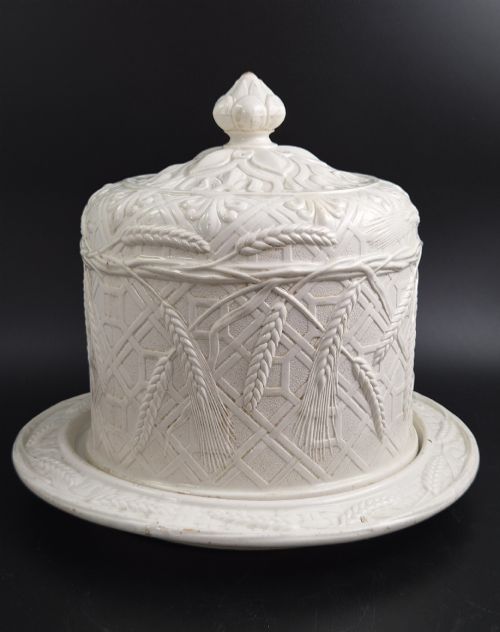
When you search for english ironstone earthenware, you encounter heavy utilitarian ceramics designed for nineteenth-century dining tables. The forms on this page range from large serving platters and soup bowls to cheese domes and garden seats.
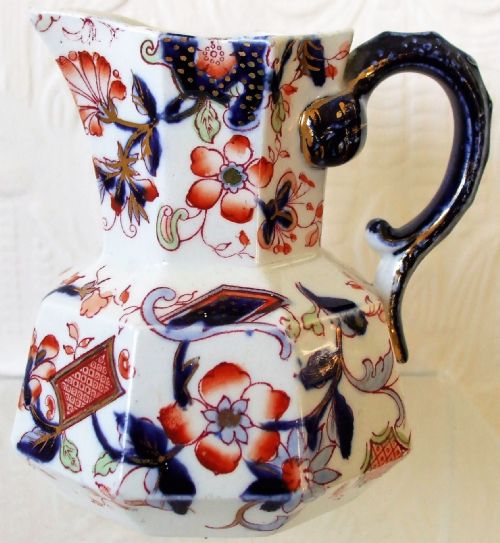
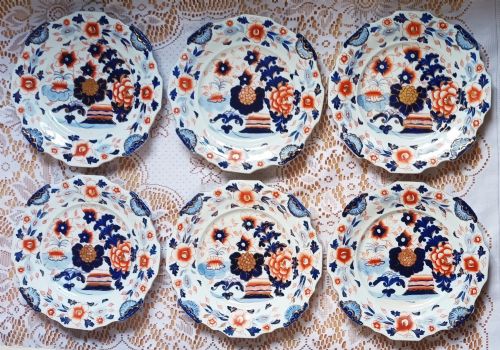
Most pieces date to the Victorian and Georgian periods, displaying robust shapes intended for heavy use. Alongside plain white utility wares, you find vibrant patterns influenced by Regency Chinoiserie and Imari styles.
The objects reflect both domestic dining traditions and ambitious decorative output from major potteries. Jugs, tureens, and plates dominate the selection, often featuring transfer printing or hand-painted details.
How they were made
Potters produced english ironstone earthenware using dense ceramic bodies designed to resist chipping and wear. These heavy bodies received smooth glazes that provided a clean surface for subsequent decoration.
Decoration techniques included blue and white transfer printing, hand-painted enamel colours, and occasional applications of gold leaf and gilding. Some pieces combined printed outlines with rich hand-painted infills in the Chinoiserie or Imari manner.
English Ironstone Earthenware Retail Price Guide 2026
Typical asking prices for english ironstone earthenware among the pieces listed under this phrase on Sellingantiques today, from the lower quarter to the upper quarter. They describe what is for sale here now, not the wider market.
Grasshoppers hop across early nineteenth-century dinner service plates, bringing unexpected insects to formal dining tables.
What varies in quality
The quality of english ironstone earthenware depends on the crispness of the moulded form and the precision of the surface decoration. Hand-painted enamels and intricate transfer prints show varying degrees of artistic control across different workshops.
Subtlety in glaze finish and the complexity of patterns like Chinoiserie or Japan designs separate standard utility wares from ambitious cabinet pieces. Potteries achieved different levels of refinement in weight, body density, and decorative application.
Keeling and Co·Masons·C.J. Mason·Miles Mason·Davenport·Copeland·Minton
The English Ironstone Earthenware Glossary
- Ironstone
- A heavy, durable ceramic body patented in the nineteenth century to imitate porcelain while offering greater strength for domestic use.
- Transfer Print
- A decoration technique where a design is transferred from a copper plate onto paper and then applied to the ceramic surface before glazing.
- Chinoiserie
- A decorative style reflecting European interpretations of Chinese artistic traditions, frequently featuring pagodas, figures, and exotic foliage.
- Clobbered
- A term describing older ceramic wares that received later, often colourful enamel decoration added over the original glaze.
- Well and Tree
- A specialised serving platter design featuring channels and a collection well to catch meat juices during carvery.
English Ironstone Earthenware: Frequently Asked Questions
What is ironstone earthenware?
Ironstone is a durable, heavy ceramic developed in the nineteenth century to provide a strong alternative to delicate porcelain. It combines clay, feldspar, and slag to create a robust body suitable for daily dining.
Potteries utilised this dense material for large serving vessels, plates, and jugs that required high resistance to chipping during heavy household use.
How do I date these pieces?
Dating relies on stylistic clues, factory marks stamped into the ceramic body, and the specific patterns applied to the surface. Georgian and Regency pieces often display hand-painted Chinoiserie motifs, while Victorian examples frequently use transfer printing.
Examining the weight, glaze characteristics, and potting style helps place an object within the nineteenth century.
Were these used daily?
Many english ironstone earthenware items served practical functions in nineteenth-century kitchens and dining rooms. Tureens, platters, and soup bowls handled regular meals for large households.
Simultaneously, more decorative items like garden seats and specialist jugs demonstrated the versatility of the material in domestic interiors.
What is clobbered ironstone?
Clobbered wares are older ceramic pieces that had additional enamel colours and gilding applied over the original glaze at a later date. This secondary decoration often sought to brighten plain or worn surfaces.
Such pieces show a fascinating overlap of periods where earlier forms received fresh aesthetic treatment.