
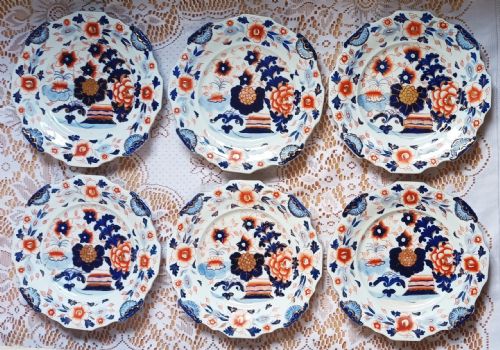
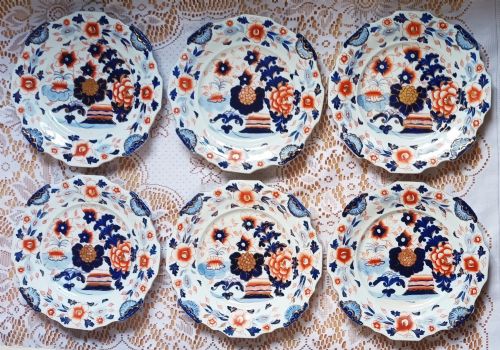


English Ironstone China
English ironstone china provides sturdy earthenware bodies decorated with vibrant enamel patterns that transform daily dining into an artistic display.
English Ironstone China
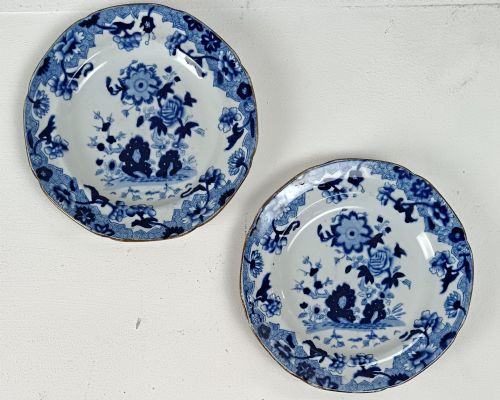
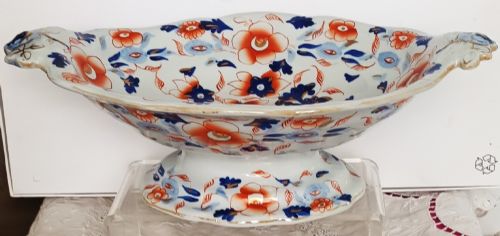
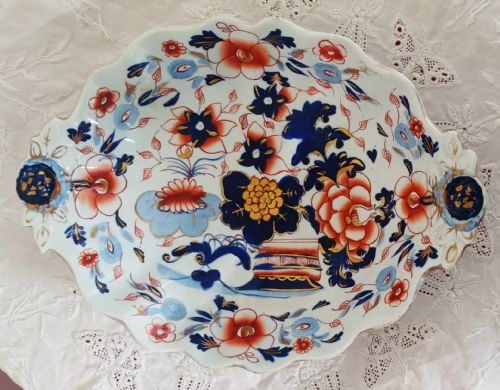
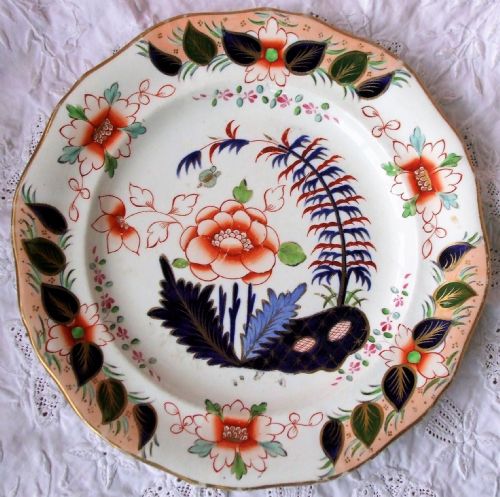
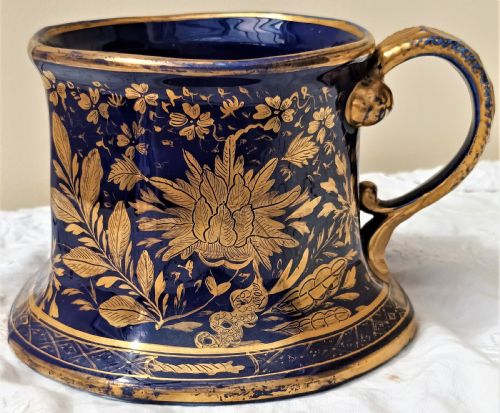
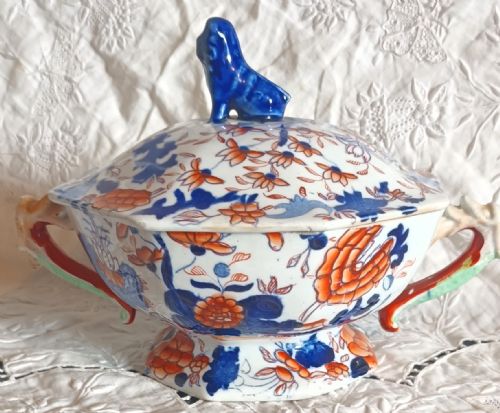
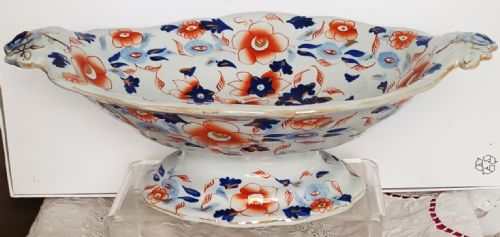
English ironstone china spans functional vessels and decorative forms produced across the nineteenth and early twentieth centuries. These pieces encompass everything from everyday plates and soup bowls to elaborate comports, sauce tureens, and garniture vases.
Makers such as Mason's, Davenport, and Keeling & Co. dominate the origin points within these listings. Buyers encounter both single service pieces and larger sets intended for substantial table displays.
Production Methods
Potters created this ceramic ware using a dense, durable paste of feldspar, china stone, and fine clay fired at high temperatures. This heavy body resisted chipping far better than standard earthenware while remaining heavier than porcelain.
Artisans applied complex patterns using hand-painting over printed outlines, often incorporating enamel colours and gilt highlights. Glaze sealed the surface to protect the ironstone body from staining during regular use.
English Ironstone China Retail Price Guide 2026
Typical asking prices for english ironstone china among the pieces listed under this phrase on Sellingantiques today, from the lower quarter to the upper quarter. They describe what is for sale here now, not the wider market.
Listings feature ironstone pieces spanning the Georgian, Victorian, and Edwardian periods, utilising ceramic bodies decorated with enamel, glaze, and gold leaf.
Quality and Craftsmanship
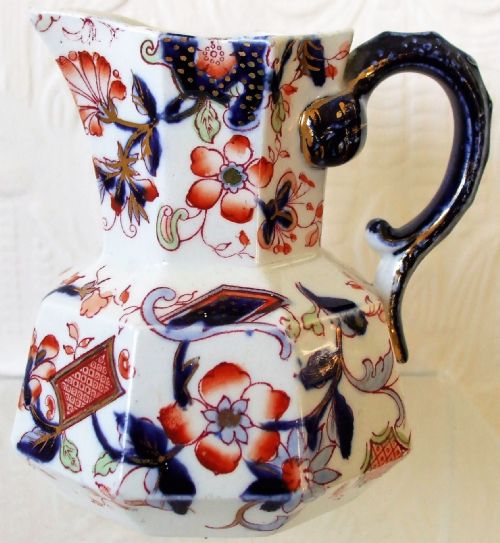
Superior examples display crisp transfer printing beneath rich, hand-applied enamel work and intact gold leaf detailing. The precision of the moulding, particularly on complex shapes like hydra jugs and footed comports, dictates the tier of the piece.
Subtle differences in the weight and translucency of the ironstone body separate standard production runs from specialised factory issues. Preservation of the painted surface without excessive rubbing of the gilding governs desirability among collectors.
Mason's·Davenport·Keeling & Co.·Livesley Powell & Co
The English Ironstone China Glossary
- Ironstone
- A heavy, durable ceramic body patented in the nineteenth century to imitate porcelain while offering superior strength. It served as a resilient base for colourful transfer-printed and enamelled designs.
- Comport
- A decorative footed dish or bowl elevated above the table surface for serving fruit or sweets. These pedestal pieces formed central elements of large nineteenth-century dinner services.
- Hydra Jug
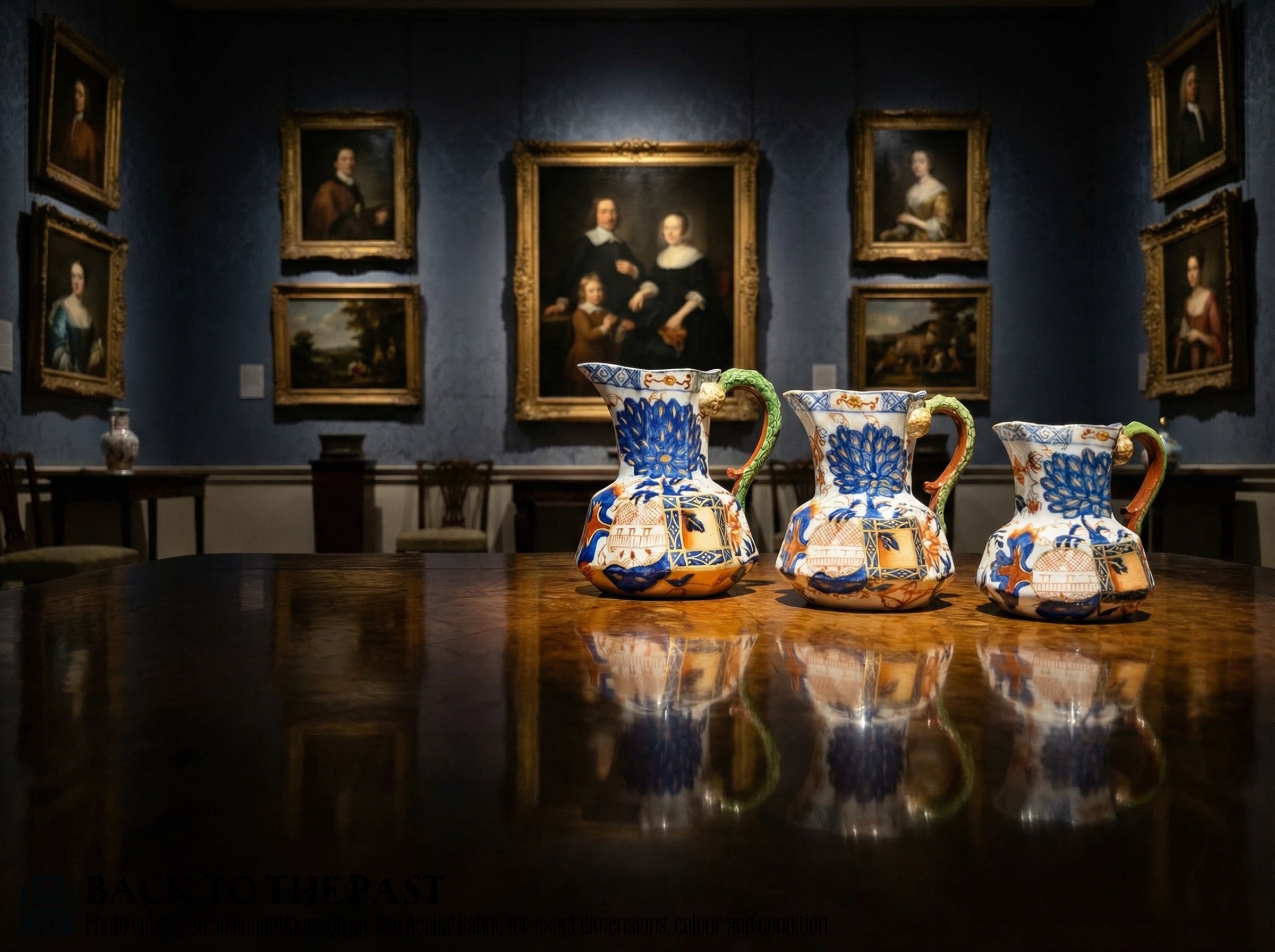
- A pitcher featuring a serpent-handled design inspired by ancient Greek pottery forms. Makers frequently applied dense Chinoiserie and Japan patterns across these distinct vessels.
- Chinoiserie
- A decorative European style interpreting Chinese artistic motifs through asymmetrical landscapes, exotic birds, and architectural elements. This aesthetic dominated many nineteenth-century ironstone dinner services.
- Gilt
- A thin layer of gold or gold-coloured leaf applied to ceramic rims, handles, and pattern details for surface enhancement. It added a reflective quality to formal table settings.
English Ironstone China: Frequently Asked Questions
What is ironstone china?
Ironstone is a dense, hard-wearing ceramic material developed in nineteenth-century England to provide a durable alternative to porcelain. It combined clay and feldspathic rock to create a sturdy body suitable for heavy domestic service.
Potters valued the substance for its ability to hold intricate transfer-printed patterns and bright enamel colours without losing structural integrity during daily use.
How were tureens used?
Tureens served soups, sauces, and vegetables at formal nineteenth-century dining tables. Their fitted covers kept food warm between the kitchen and the dining room.
Matching ladles and under-dishes often accompanied these vessels, creating coordinated sets for grand dinner parties.
How do I date these pieces?
Dating relies on maker marks stamped or printed on the undersides, alongside stylistic clues such as colour palettes and moulding shapes. Georgian and early Victorian pieces often feature hand-written pattern numbers and distinct crown stamps.
Later Edwardian productions tend to display clearer factory stamps and registration numbers that pinpoint production years.
Can I use ironstone daily?
The robust ceramic body makes these pieces physically capable of regular handling and dining use. Many collectors prefer gentle hand washing to preserve fragile overglaze enamels and gold leaf highlights.
Avoiding abrasive scourers and dishwashers protects the historical surface decoration from fading over time.