
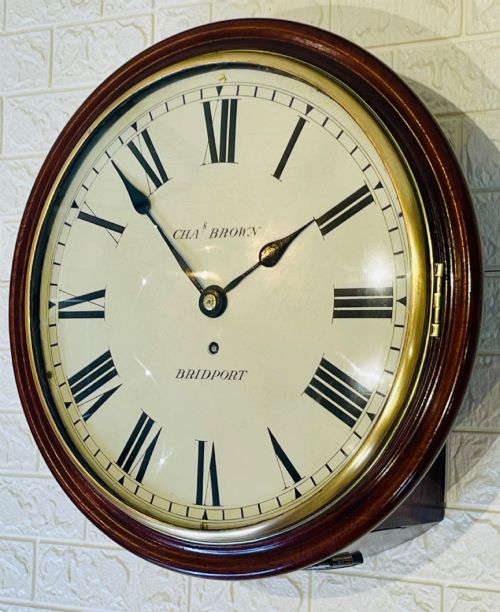

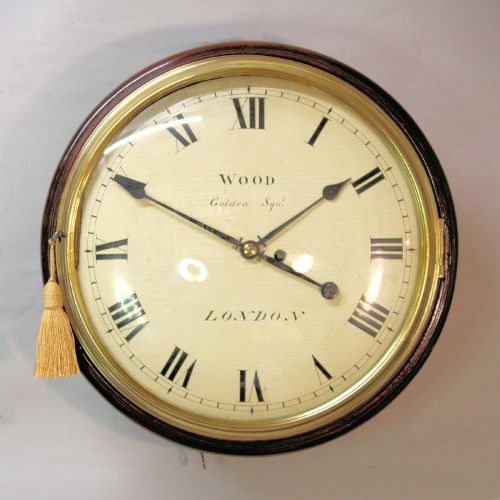

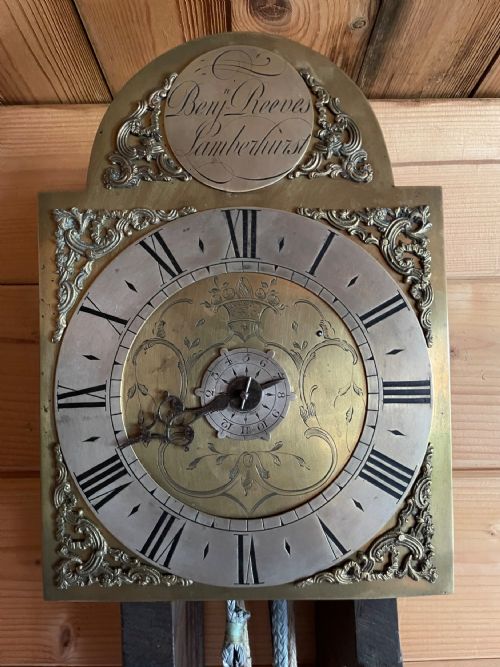


English Horology Wall Clock
An english horology wall clock brings centuries of mechanical mastery and fine cabinet-making into a room.
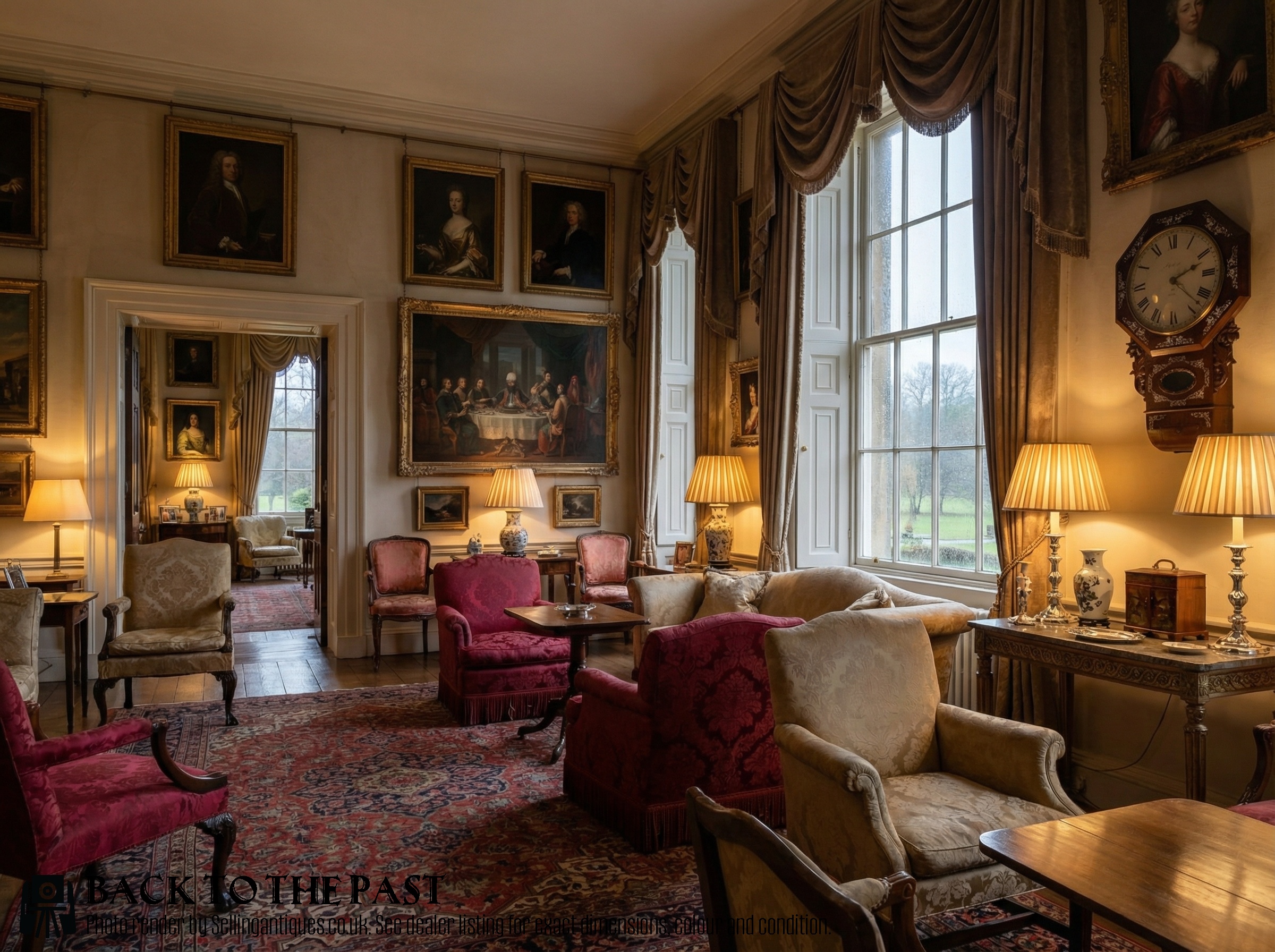
English Horology Wall Clock
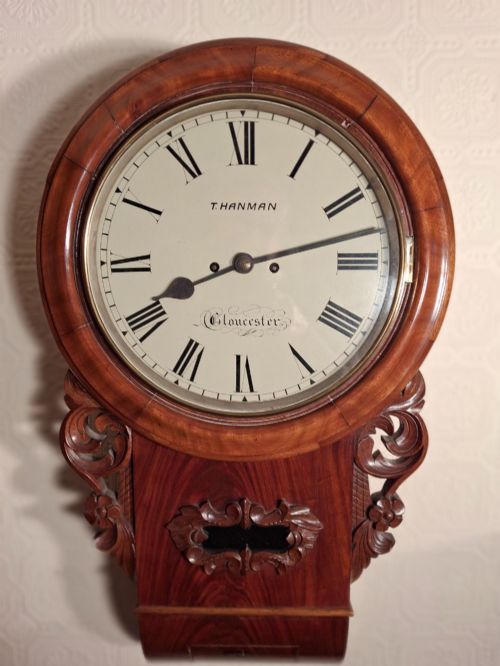
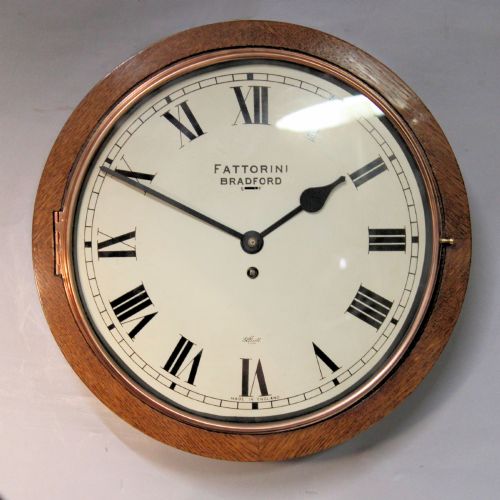
An english horology wall clock encompasses timepieces spanning the seventeenth century through to the twentieth century. The selection ranges from early lantern clocks and hooded wall clocks to mahogany dial clocks and school clocks.
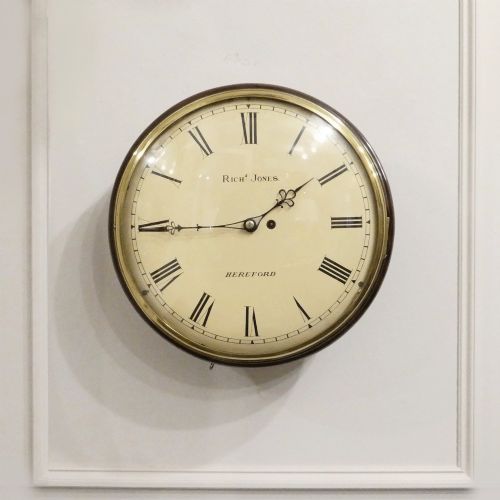
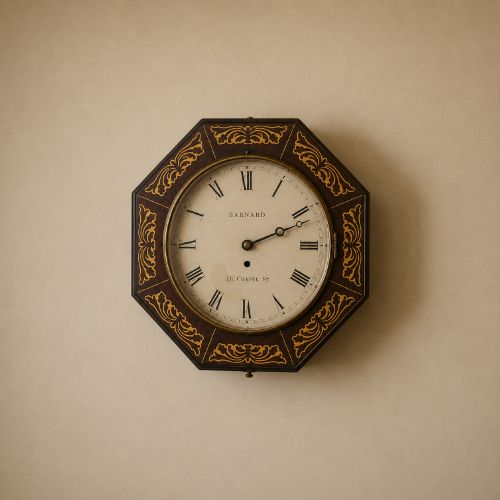
Buyers most frequently encounter nineteenth-century fusee dial clocks housed in mahogany or walnut cases. These round or octagonal variants often feature brass bezels and wooden or silvered brass dials produced by regional makers and London firms alike.
How they were made
Cases utilise solid timbers such as mahogany, oak, walnut and rosewood, frequently incorporating brass inlay, glass inspection panels and distinct bezels. Movements rely on brass and steel components, driven by fusee mechanisms, weights or verge escapements.
Dial construction varies from traditional painted wood and silvered brass to convex wooden surfaces. Makers constructed these timepieces by hand, combining cabinet-making traditions with precision horological gearing.
Styles recorded across the inventory include Victorian, Georgian, Regency, Edwardian, Jacobean and Twentieth Century English designs.
What varies in quality
The standard of an english horology wall clock rests on the crispness of the dial markings, the fidelity of the timber case and the original condition of the movement. Master makers ensured precise wheel-cutting and clean engraving on brass chapter rings and dial plates.
Superior examples retain their original brasswork, fusee chains, pendulum assemblies and matching case timbers without modern timber replacements. The proportional harmony between the dial diameter and the depth of the wooden housing also distinguishes finer workshop output.
Richard Jones of Hereford·John Spershott of Titchfield·Samuel Tinham of New Sarum·Francis Perigal London·Peter Debaufre
The English Horology Wall Clock Glossary
- Fusee
- A conical pulley used in clock movements to maintain an even drive force as the mainspring unwinds. This mechanism ensures steady timekeeping throughout the duration of the wind.
- Lantern clock
- An early brass chamber clock driven by weights, featuring corner pillars and prominent bell top assemblies. These represent some of the earliest domestic timepieces.
- Verge escapement
- An early escapement mechanism utilising a crown wheel and a oscillating rod with pallets. It governs the release of power in seventeenth and eighteenth-century clocks.
- Drop-dial
- A wall clock design where the round dial sits above an extended wooden box case that houses the pendulum. This form became popular during the Regency and Victorian periods.
- Spandrel
- An ornamental corner bracket placed around the circular chapter ring on a clock face. They evolved from pierced brass castings in early periods to painted motifs later on.
English Horology Wall Clock: Frequently Asked Questions
How do I wind a fusee wall clock?
Use the appropriate key inserted into the dial winding hole, turning it gently until resistance indicates the spring is fully tensioned. Take care not to overwind older movements.
Ensure you support the pendulum or secure the mechanism if transporting the clock after winding.
What is a fusee movement?
A fusee movement uses a conical drum paired with a cord or chain to equalise the diminishing power of a mainspring as it unwinds. This clever device ensures consistent torque reaches the gear train.
It stands as a hallmark of quality British clockmaking across Georgian and Victorian periods.
Where should I hang a wall clock?
Mount the clock securely onto a solid wall stud or masonry using robust fixings suited to the weight of hardwood cases. Position it away from direct sunlight, dampness and intense heat sources.
Level the case carefully to ensure the pendulum swings freely and keeps accurate time.
How do I identify the period?
Examine the materials, case geometry, dial construction and signature style cues such as Sheraton bezels or robust oak hoods. Seventeenth-century pieces typically feature brass lantern frames, while nineteenth-century models favour mahogany dial cases.
Maker signatures and recorded trade styles further narrow down the exact decade of manufacture.