





English Historical Wall Art
English historical wall art brings past centuries into a room through oil paintings, detailed maps, and engraved portraits.
English Historical Wall Art
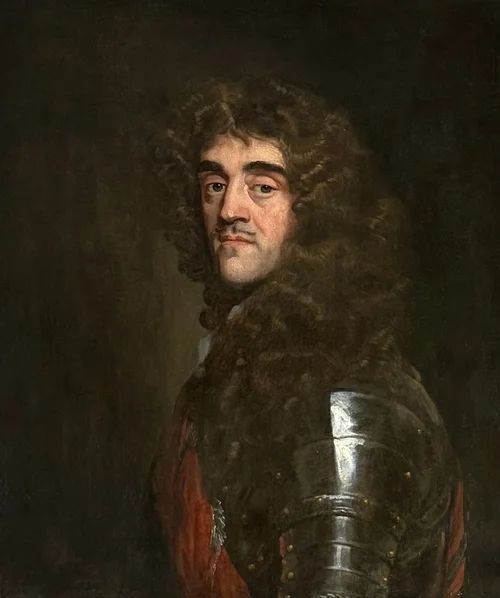
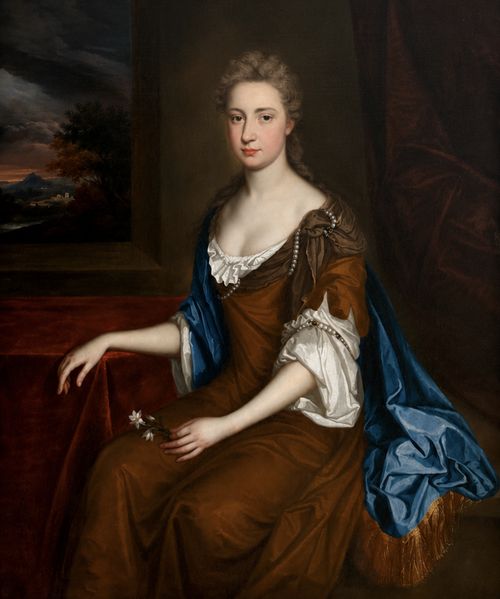
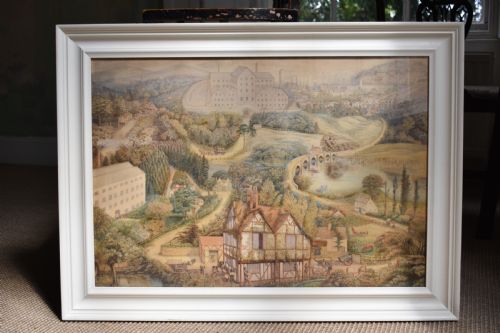
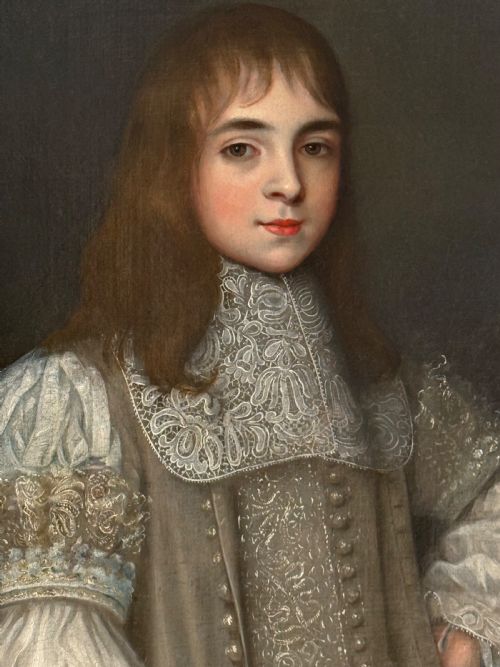
English historical wall art encompasses framed oil paintings, watercolours, county maps, and portrait engravings spanning the seventeenth century to the twentieth century. These pieces record notable figures, military events, and topographical landscapes from British history.
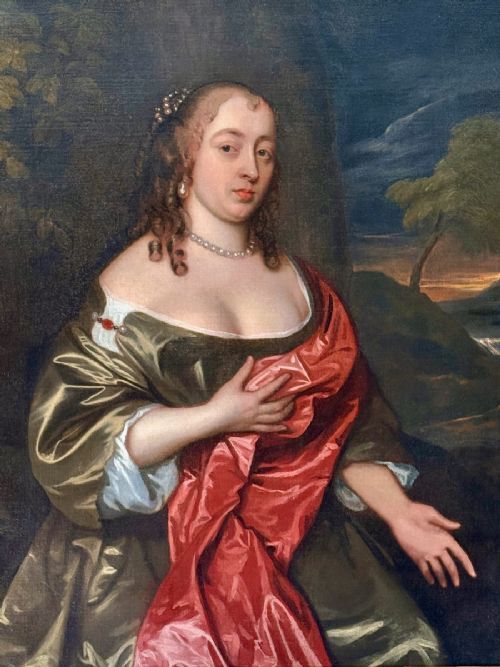
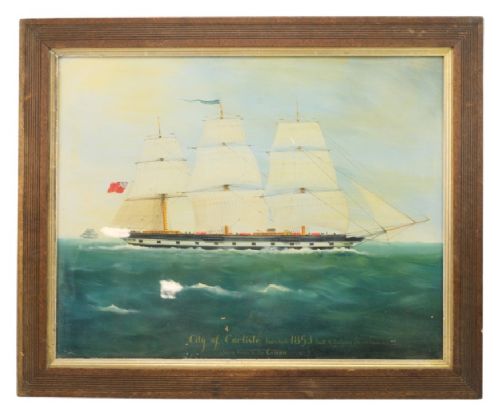
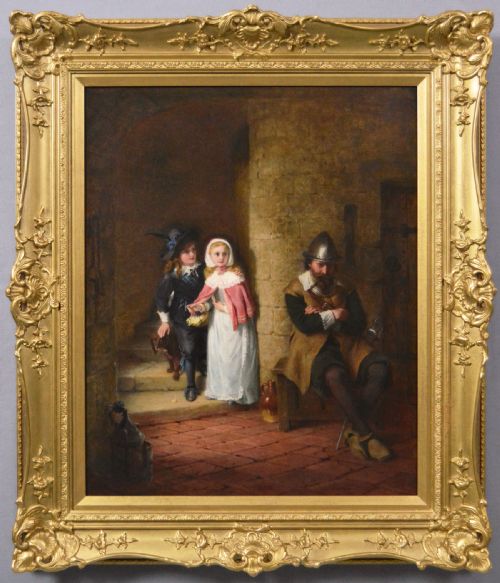
Portraits of monarchs, cavaliers, and nobility dominate the earlier periods, often executed in oil on canvas with giltwood framing. Later Victorian and twentieth-century works shift towards genre scenes and maritime views.
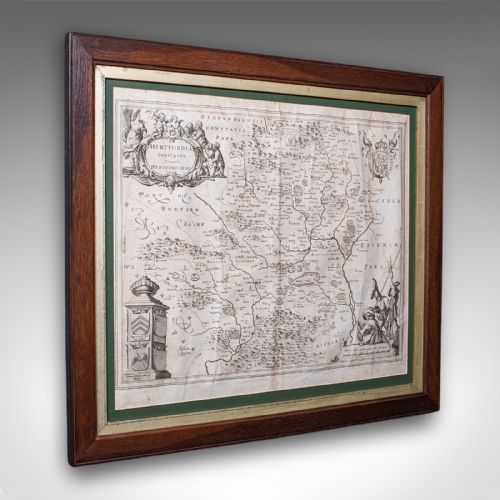
Buyers will also encounter antique cartography by makers such as Robert Morden, alongside hand-coloured engravings and illuminated documents on vellum dating back to the Carolean era.
Materials and methods
Paintings of this category rely heavily on oil on canvas or watercolour applied to paper, housed within timber frames adorned with gold leaf or giltwood. Cartography and portraiture from the seventeenth and eighteenth centuries utilise copperplate engraving and hand-tinted printing techniques.
Early documents and indentures employ vellum as a durable writing surface, inscribed with iron gall ink and official seals. Wood is standard for the construction of period stretchers and heavy protective frames.
Listings feature paper, wood, glass, canvas, oil on canvas, giltwood, oil, and gold leaf.
Assessing quality and execution
The distinction between standard works and finer pieces rests in the handling of facial expression, garment detail, and the provenance of the subject. Master portraitists achieve subtle depth in textiles and flesh tones, whereas lesser workshop copies remain stiff and formulaic.
Cartography quality is determined by the clarity of the plate impression, the accuracy of the contemporary hand-colouring, and the preservation of paper margins within the original framing.
John Hayls·Sir Peter Lely·Samuel Cooper·Anthony Van Dyck·Blaeu·John Greenhill·Robert Byng·John Michael Wright·Thomas Beach·Sir Joshua Reynolds RA·Robert Morden·W Roffe·Frank Moss Bennett·William Wyld·Michael Dahl·Jonathon Richardson·Sir William Beechey
The English Historical Wall Art Glossary
- Mezzotint
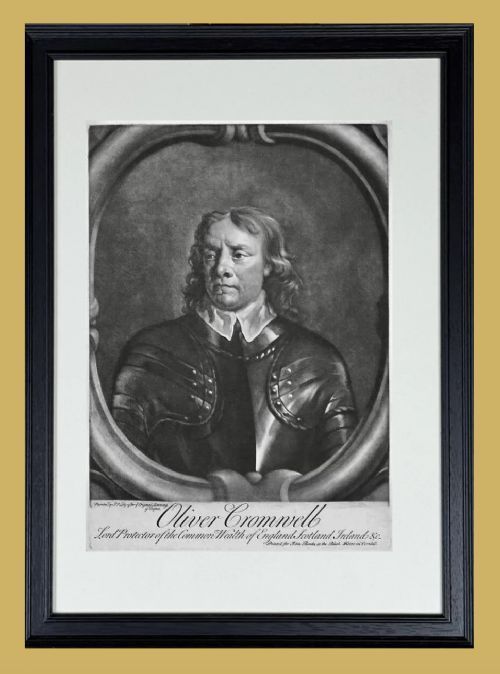
- A printmaking process of the scraper method that allows deep tonal shades and smooth gradations of light and dark. It was frequently used for reproducing oil paintings of historical figures.
- Cartography
- The study and practice of making maps. Antique examples on this page often depict English counties decorated with cartouches and heraldic crests.
- Vellum
- A fine parchment made from calfskin, used historically for important legal documents, indentures, and certificates.
- Giltwood
- Wood that has been treated with a thin layer of gold leaf or gold paint. It forms the decorative surface of many traditional picture frames.
- Genre painting
- Pictorial representation of scenes from everyday life. In historical art, these often depict domestic narratives or past social events.
English Historical Wall Art: Frequently Asked Questions
What subjects appear in historical wall art?
Subjects range from seventeenth-century nobility and military commanders to eighteenth-century county maps and nineteenth-century naval battles.
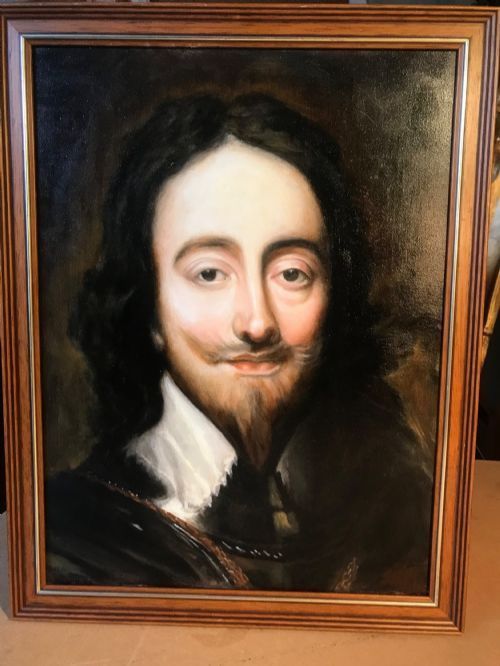
Portraits capture specific historical figures like King Charles the First and Oliver Cromwell, while topographical works record historical towns and landscapes.
How should I hang heavy oil paintings?
Heavy oil paintings in giltwood frames require secure fixing directly into wall studs or the use of heavy-duty wall anchors rated for the weight.
Ensure the picture wire and D-rings on the reverse are robust and professionally fitted before mounting.
Are antique maps considered fine art?
Antique maps combine cartographic science with decorative engraving, making them a distinct category of wall display.
Many feature hand-coloured borders, cartouches, and coats of arms that elevate them beyond mere reference documents.
How do I care for antique paper prints?
Antique paper prints and watercolours must be kept away from direct sunlight to prevent fading of the pigments and yellowing of the paper.
Framing with acid-free mount board and UV-filtering glass helps protect the delicate media from environmental degradation.