


English Hall Furniture
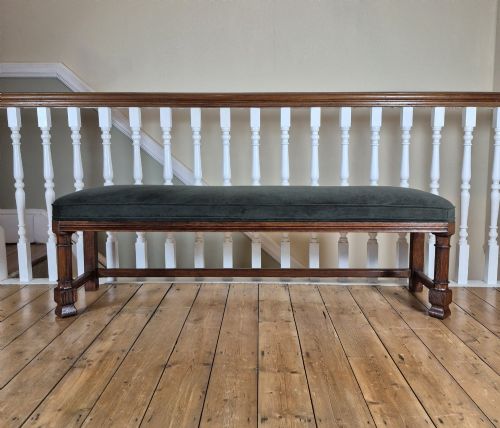
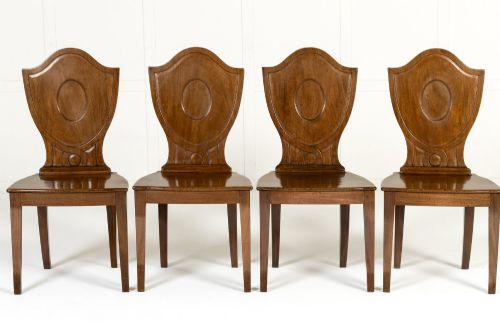
English hall furniture comprises benches, settles, tables and stands crafted to welcome visitors into period houses.
English Hall Furniture
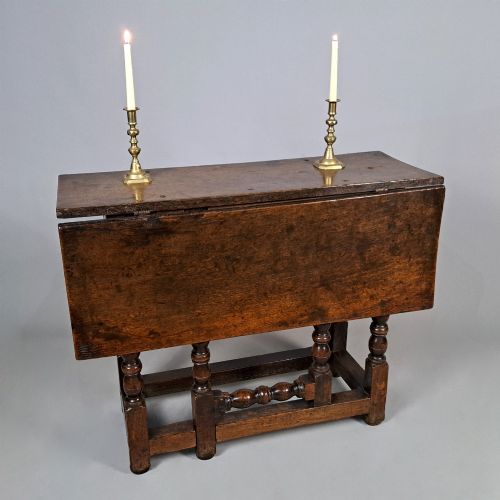
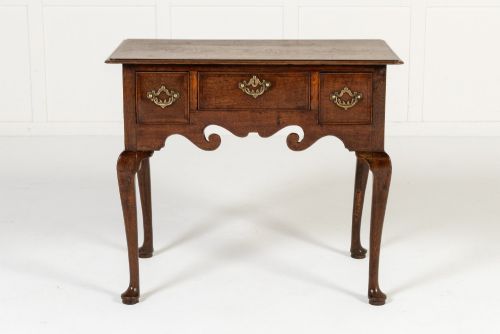
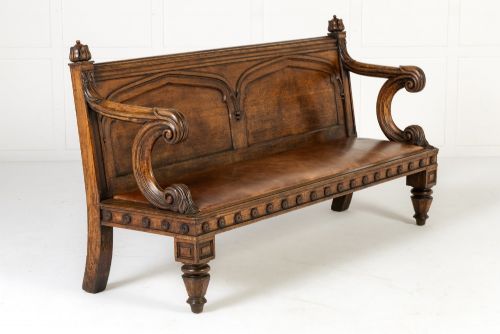
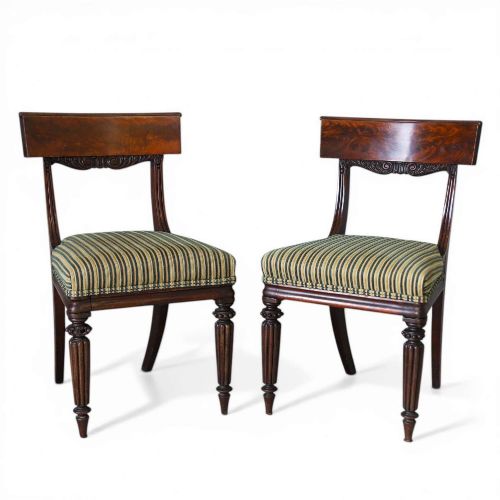
English hall furniture spans practical seating, storage and display pieces designed for entrance spaces and reception rooms. Buyers encounter sturdy oak settles, lowboys, console tables and side chairs originating from the seventeenth century onwards.
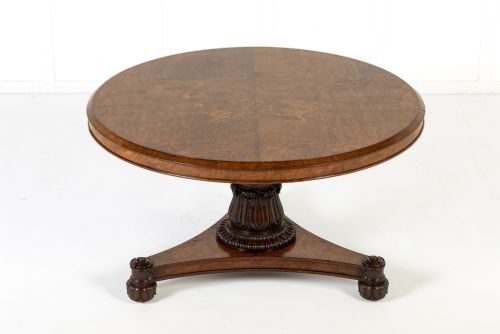
The selection ranges from robust seventeenth-century oak benches and wainscot chairs to elegant Regency mahogany console tables and Victorian hall stands. Oak and mahogany dominate, supported by walnut, pine, elm and rosewood across various periods.
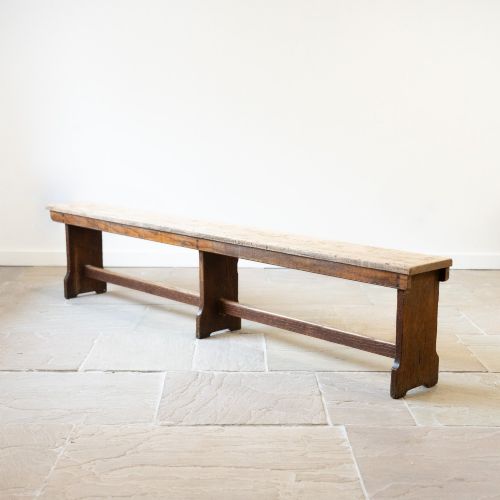
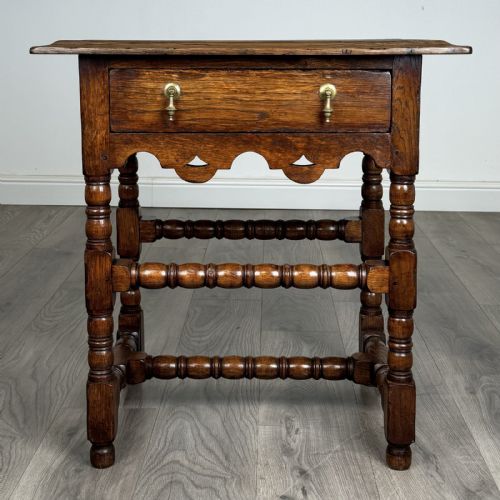
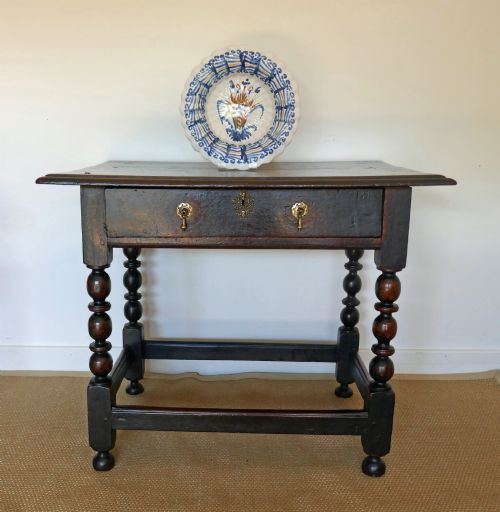
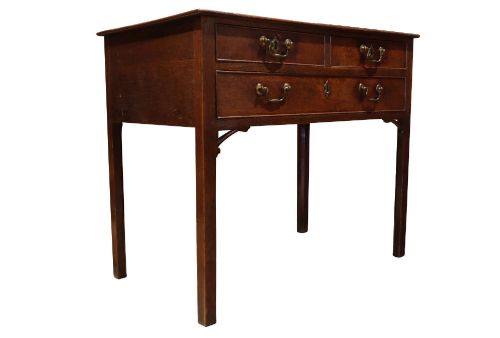
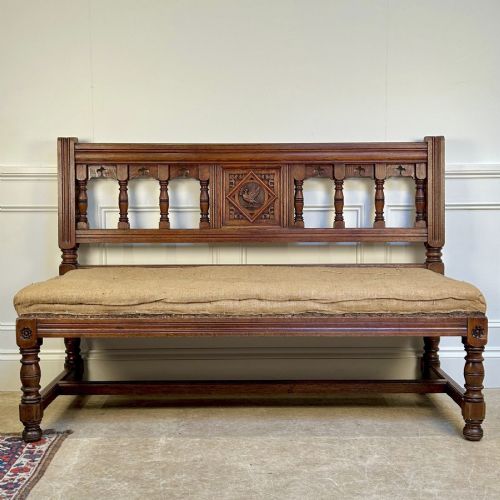
Side tables and lowboys function as compact surfaces for correspondence and hats, whilst high back settles and hall benches provide substantial seating. These forms reflect the changing requirements of British hallways through the Georgian, Victorian and Edwardian eras.
Materials and construction
Cabinetmakers utilised native timbers principally, selecting sturdy oak for seventeenth and eighteenth-century pieces alongside imported mahogany and rosewood for later Regency designs. Pine and elm served regional and country house workshops for utilitarian seating and tables.
Joinery methods rely on traditional pegged mortise and tenon frames for early oak furniture, ensuring rigidity in heavy settles and side tables. Later nineteenth-century pieces incorporate sophisticated turning, carving and veneering techniques typical of Victorian and Edwardian craftsmanship.
English Hall Furniture Retail Price Guide 2026
Typical asking prices for english hall furniture among the pieces listed under this phrase on Sellingantiques today, from the lower quarter to the upper quarter. They describe what is for sale here now, not the wider market.
Listings feature oak, mahogany, walnut and elm across periods spanning the seventeenth century to the Edwardian era.
Indicators of quality
Quality rests upon timber selection, timber figuring and the crispness of hand carving on structural elements like splats and friezes. Superior pieces retain their original patination, surface finish and structural integrity without excessive later alterations.
Proportion and scale distinguish finer examples, particularly in lowboys and side tables where leg turning and drawer construction demonstrate maker proficiency. Early joined oak pieces show tighter joints and thoughtful grain alignment compared to routine provincial workshop output.
GIllows·Hubert Simpson of Kendal
The English Hall Furniture Glossary
- Settle
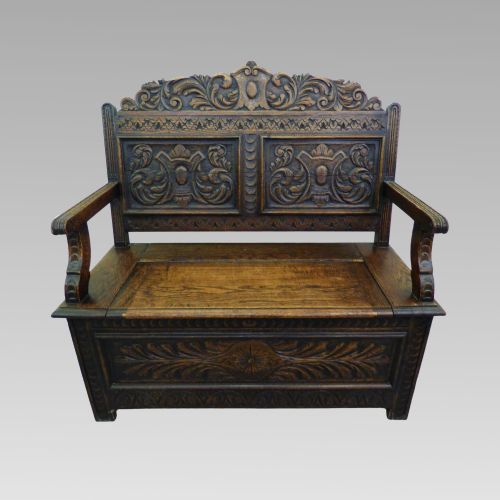
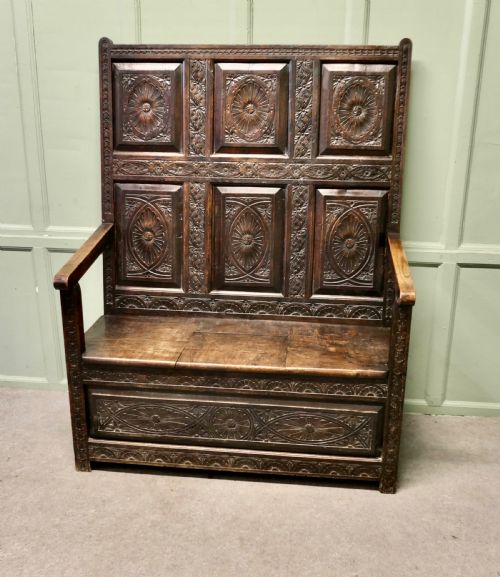
- A wooden wooden bench with a high back, solid arms and often a box seat below. These items provided shelter from draughts in traditional hallways.
- Lowboy
- A small kneehole dressing table or side table featuring one or two rows of drawers. Cabinetmakers produced these in walnut and oak during the Georgian period.
- Wainscot chair
- An early wooden armchair constructed primarily from oak with panelled backrests. They date predominantly to the seventeenth century.
- Backstool
- An early form of upholstered or plain single chair without arms, serving as a precursor to the dining chair. These appear frequently in seventeenth-century English interiors.
- Console table
- A wall-mounted or freestanding table designed to sit against a hallway or reception room wall. Regency examples often feature marble or mahogany tops.
English Hall Furniture: Frequently Asked Questions
How do I use a lowboy in a hallway?
Lowboys serve as compact writing desks or slim reception tables positioned against entrance walls for keys and correspondence. Their shallow drawers provide discreet storage for everyday sundries.
Pairing a walnut or oak lowboy with a small side chair creates a practical telephone or writing station within larger hallways.
What wood is most common for English hall furniture?
Oak is the predominant timber found in early pieces dating from the seventeenth and eighteenth centuries. It provides the heavy structural stability required for high-traffic entrance spaces.
Later nineteenth-century pieces transition to mahogany, walnut and rosewood, reflecting changing stylistic preferences towards polished surfaces and refined Regency or Victorian aesthetics.
How do I date a seventeenth-century oak table?
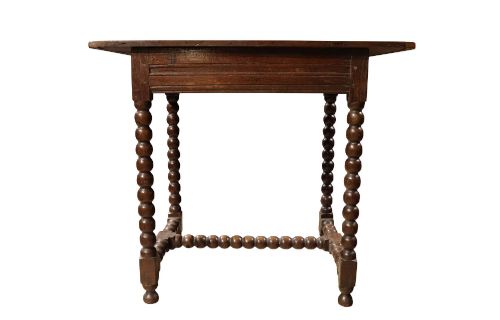
Seventeenth-century oak tables display pegged mortise and tenon joinery, hand-planed surfaces and dense timber patination developed over centuries. Bobbin-turned legs and bold proportions point specifically towards the Charles II period.
Examining the underside and drawer construction reveals tool marks and construction methods consistent with seventeenth-century provincial or London workshops.