

English Gilt Ceramic Urn
When you search for an english gilt ceramic urn, you enter a world of painted porcelain and classical forms made to command a mantelpiece.
English Gilt Ceramic Urn
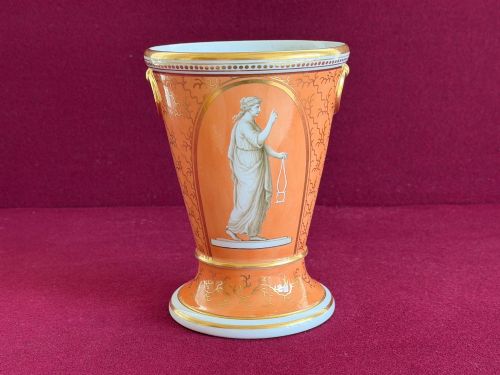
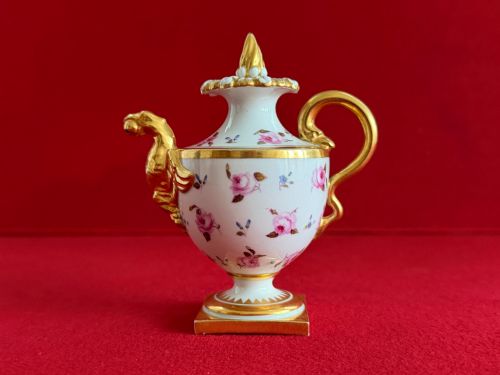
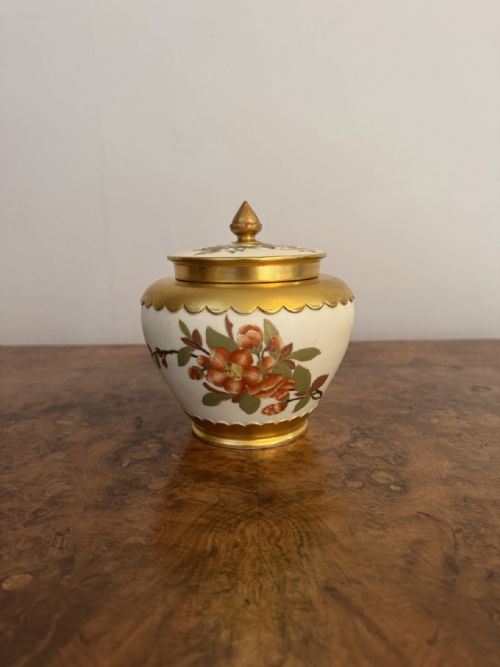
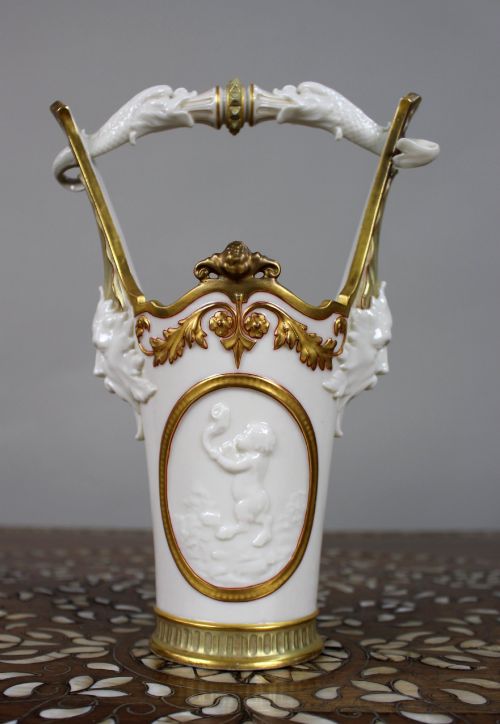
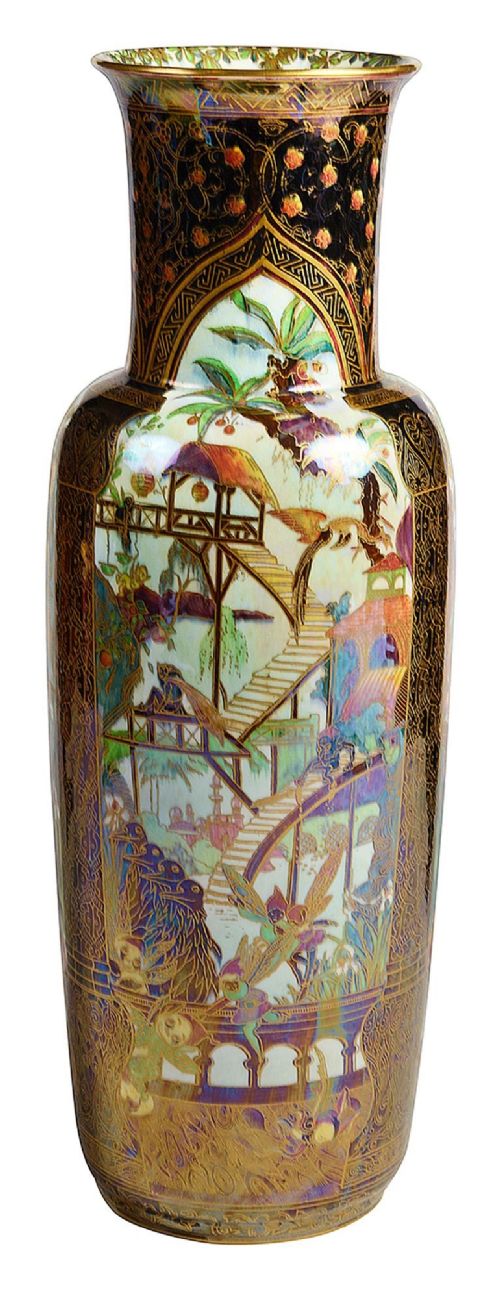
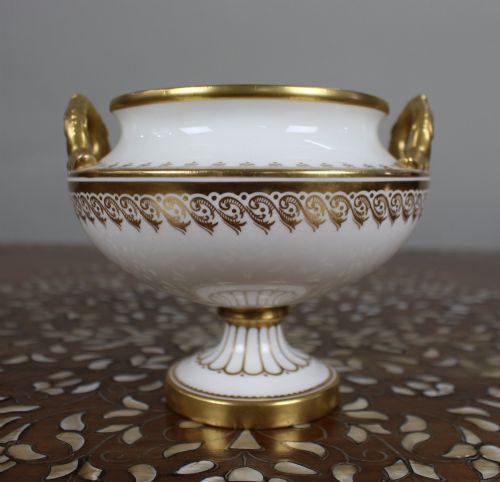
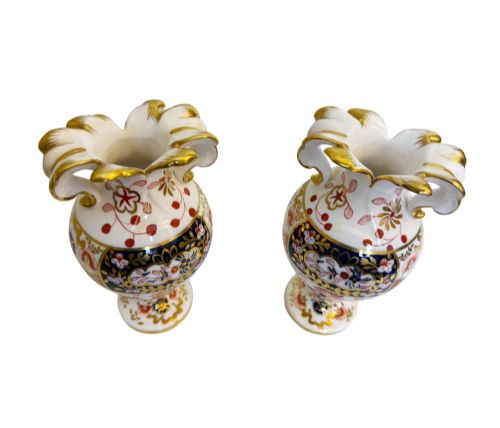
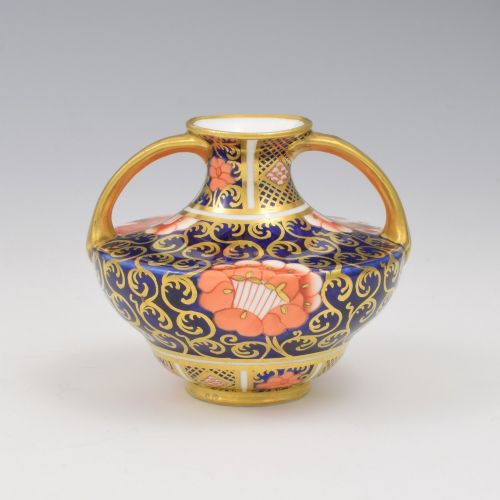
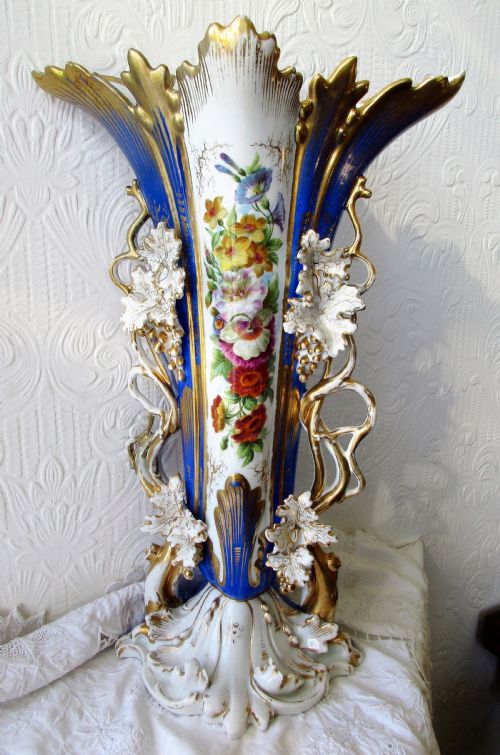
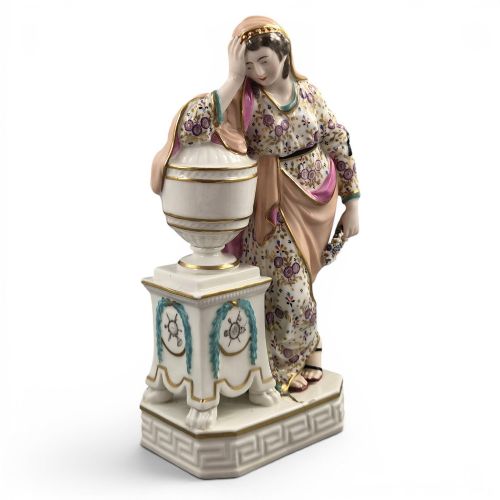
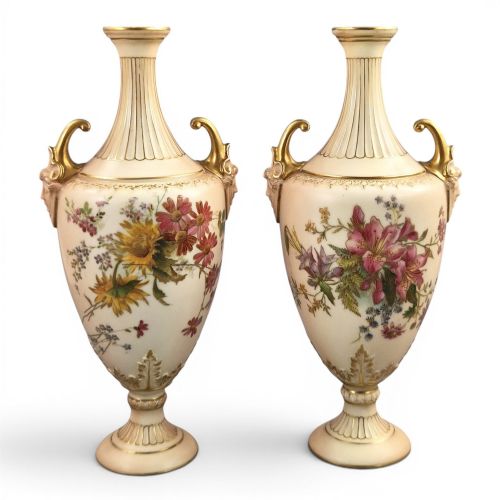
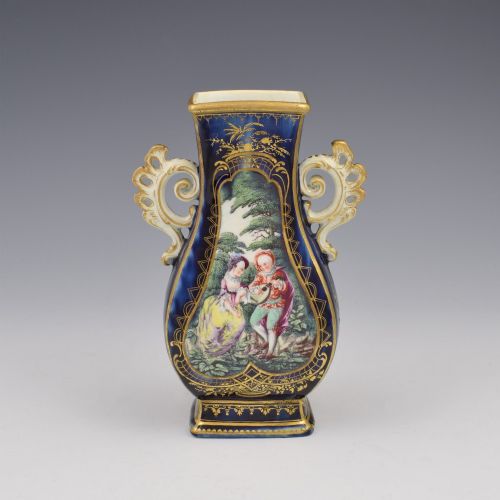
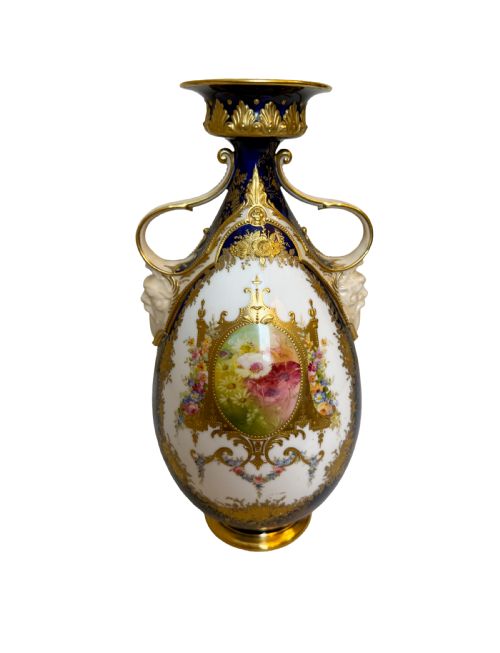
An english gilt ceramic urn brings together porcelain, bone china or ironstone with applied gold leaf, gilding or enamel. These vessels span periods from the eighteenth century through the Georgian, Victorian and Edwardian eras into the twentieth century, taking forms such as campana vases, lidded potpourri pots, jardinieres and exhibition vases.
You will most frequently encounter nineteenth-century porcelain and ironstone pieces shaped as twin-handled urns or decorative vases. The styles range from Neoclassical and Rococo to Art Deco, reflecting the changing tastes of English potteries over two centuries.
Makers such as Royal Worcester, Flight, Barr & Barr, and Spode dominate the selections. Their works bridge the gap between ornamental display and functional interior decoration.
How they were made
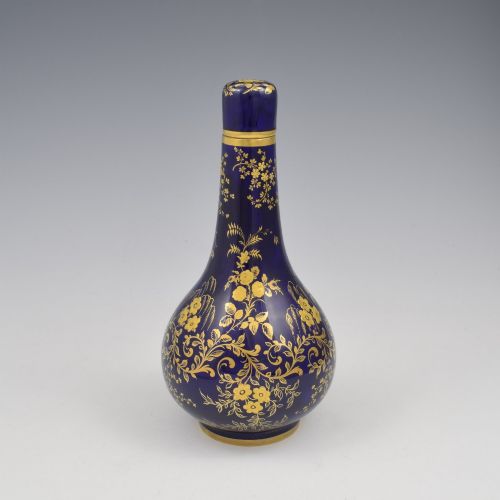
Potters shaped porcelain, bone china and ironstone on the wheel or in moulds before applying hand-painted cobalt, mazarine blue or blush ivory glazes. Artisans then laid down gold leaf or mixed powdered gold with oils to paint intricate gilt highlights and borders.
Kiln firing fixed the body and underglaze colours, while subsequent lower-temperature firings set the enamel colours and the final layer of gilding. Skilled hands often added hand-painted panels depicting birds, flowers or classical scenes after the initial glazing process.
Listings feature pieces spanning the eighteenth, nineteenth and twentieth centuries, executed in porcelain, bone china and ironstone.
What varies in quality
The precision and delicacy of the hand-painted details separate standard production items from masterworks. Vases bearing the signatures of known artists or specific pattern numbers show a higher level of individual artistic engagement.
The richness and preservation of the gilding determine much of the visual weight. Thick, burnished gold leaf retains its brilliance far better than thin painted washes that have worn away from handling and cleaning.
Flight And Barr·Royal Worcester·Spode·Royal Crown Derby·Coalport·Masons Ironstone·Samuel Alcock
The English Gilt Ceramic Urn Glossary
- Campana
- A bell-shaped classical urn with a flaring rim and a footed base. This form was widely adopted by English porcelain factories in the Georgian and Victorian periods.
- Bone china
- A type of soft-paste porcelain incorporating bone ash, developed in England to create a strong, translucent ceramic body suitable for fine gilding.
- Gilding
- The application of gold leaf or gold dust to the ceramic surface. It provides the metallic highlights characteristic of these decorative urns.
- Ironstone
- A heavy, durable type of earthenware patented in the early nineteenth century. It offered a robust alternative to porcelain for large decorative vases and hall jars.
- Jardiniere
- An ornamental pot or stand designed to hold plants or flowers. In ceramic form, these pieces often feature matching pedestals and heavy gilt handles.
English Gilt Ceramic Urn: Frequently Asked Questions
What is an English gilt ceramic urn used for?
These vessels served primarily as decorative objects for drawing rooms, mantelpieces and sideboards during the Georgian and Victorian periods. Some forms, such as potpourri pots and rose water sprinklers, held dried flowers or scented waters to freshen the air in large formal rooms.
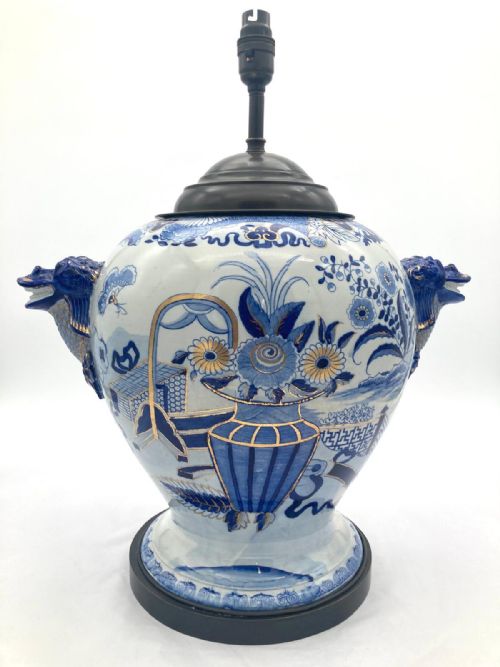
Over time, many of these urns transitioned into purely ornamental display pieces. Larger examples were occasionally converted into lamps in later decades while retaining their ceramic bodies.
How do I identify the period of an urn?
The style of the painting, the shape of the ceramic body and the factory marks on the underside point directly to the era of manufacture. Georgian and Regency pieces often favour classical Neoclassical motifs, while late Victorian and Edwardian examples lean toward blush ivory grounds and naturalistic floral studies.
Examining the foot rim and the texture of the glaze helps confirm the age. Earlier soft-paste and early bone china bodies show different translucency compared to twentieth-century ceramics.
How should I clean a gilt ceramic urn?
Dusting with a soft, dry brush remains the safest method for routine maintenance. Avoid using water, chemical cleaners or abrasive cloths on the surface, as these can easily damage the delicate enamel painting and wear away the gold leaf.
Keep these vessels away from direct sunlight and areas of high humidity to protect the glaze and prevent any degradation of the ceramic body over time.