
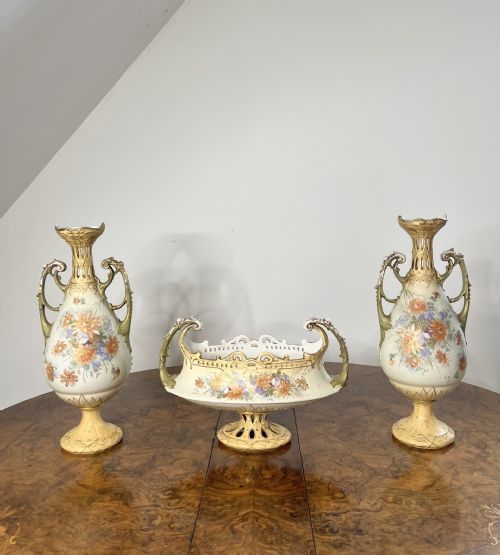
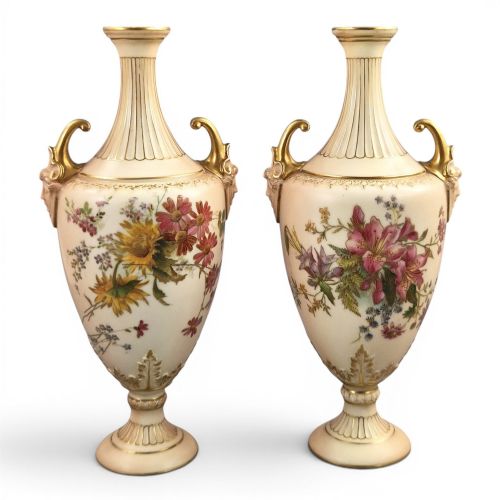
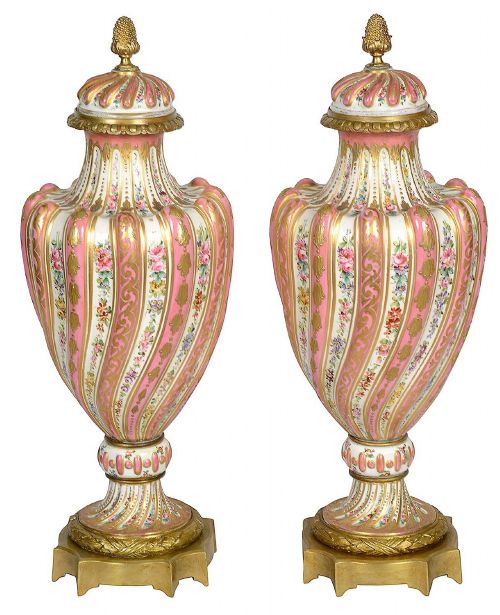
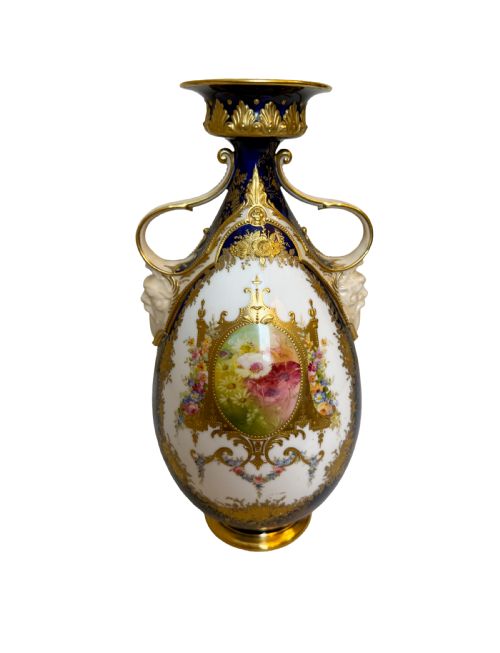


Victorian Gilt Ceramic Vase
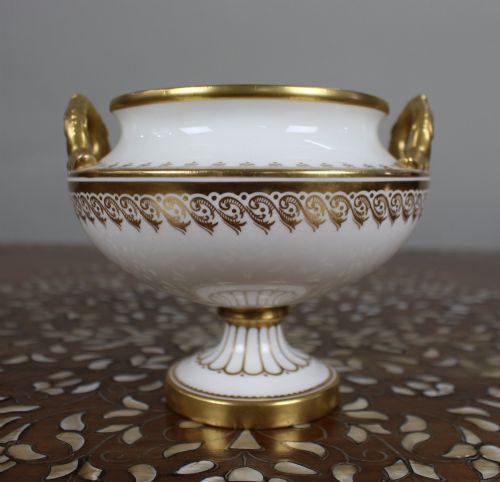
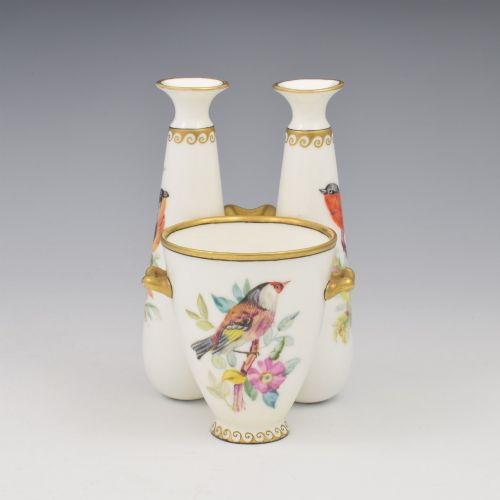
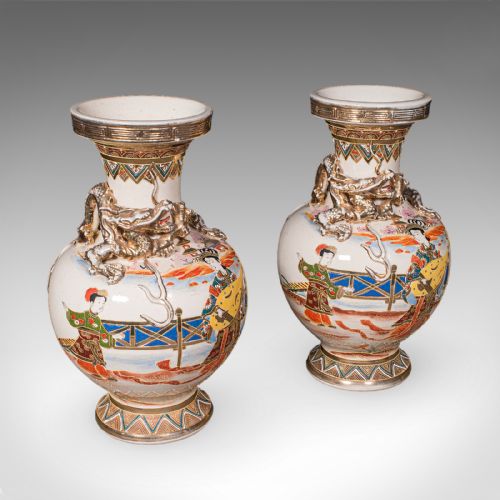
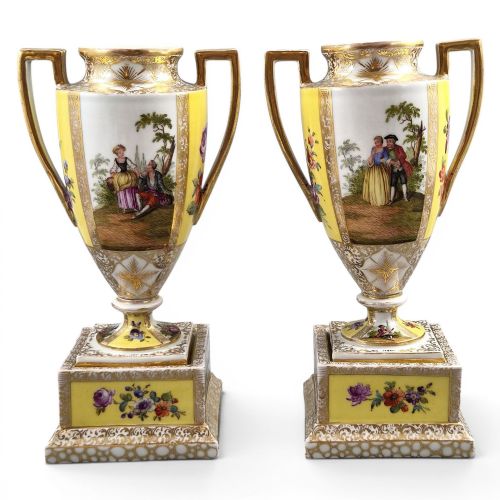
A victorian gilt ceramic vase brings brilliant gilding and hand-painted detail into a room, offering both decorative presence and historical charm.
Victorian Gilt Ceramic Vase
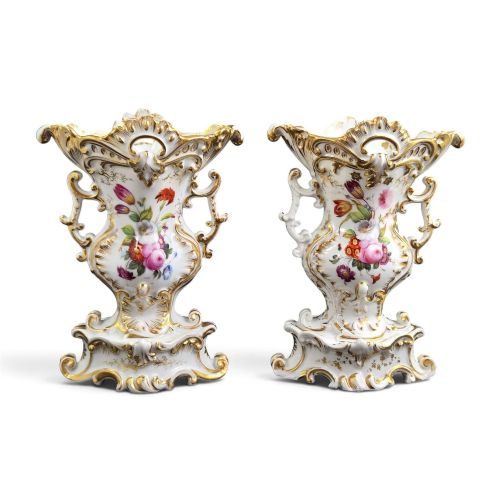
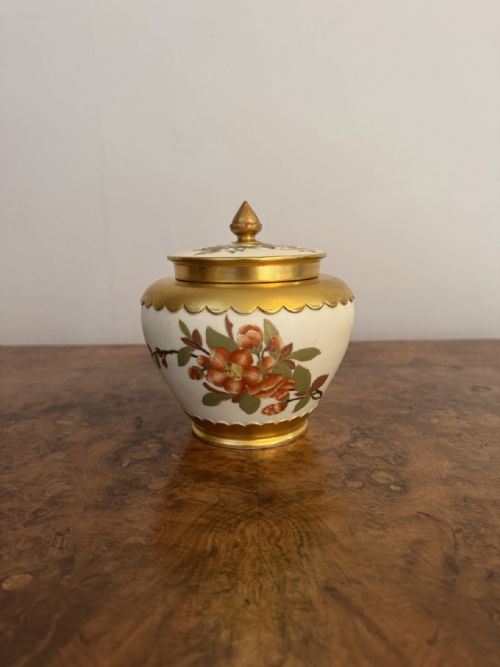
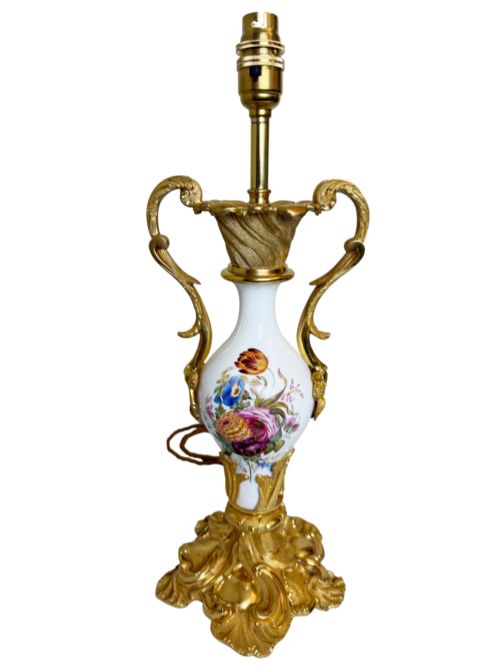
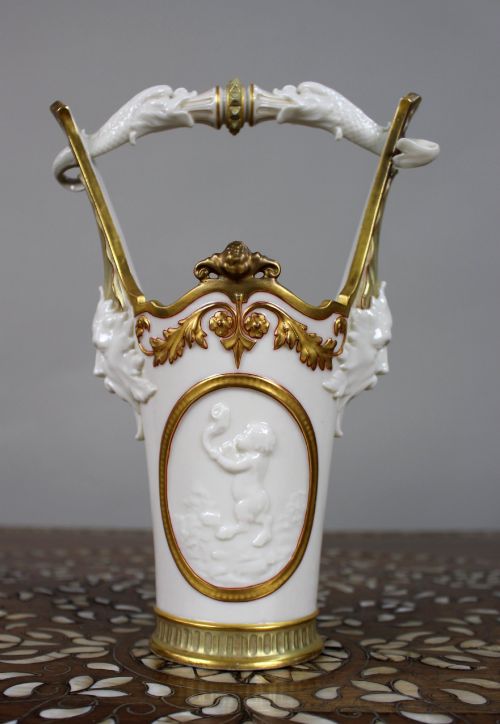
A victorian gilt ceramic vase encompasses a range of ornamental vessels, including campana urns, lidded potpourri pots, ewers, and table lamps from the nineteenth century. These pieces reflect diverse stylistic influences, spanning from Rococo Revival and the Aesthetic Movement to Chinoiserie and Art Nouveau.
Buyers frequently encounter English factories such as Royal Worcester, Royal Doulton, and Spode alongside continental European manufacturers like Royal Vienna, Dresden, and Sevres. Japanese ceramics from the Meiji period also appear frequently alongside these European works.
How They Were Made
Potters shaped porcelain and earthenware bodies on the wheel or in moulds before applying glazes, enamel colours, and detailed hand-painting. Artisans then added metallic embellishments through gilding, gold leaf, or applied gilt bronze mounts.
Techniques such as reticulation, pierced handles, and copper-plate printing were utilised alongside freehand botanical and ornithological painting. Makers fired these ceramics multiple times to fuse the enamel colours and secure the metallic lustre.
Agnes Augusta Talboys painted fluffy Persian kittens while Victorian ceramicists painted elaborate birds, proving the era possessed an equal devotion to fine porcelain and very small cats.
What Varies in Quality
Quality depends upon the precision of the hand-painting and the depth of the ceramic moulding, where named artists and major potteries demonstrate superior execution. Pieces featuring intricate pierced work, multi-fired enamels, and heavy, burnished gilding stand apart from standard production items.
The integration of metal mounts, such as gilt bronze or ormolu hardware, distinguishes finer decorative ewers and lamps. Preservation of the original gilding and enamel surface without excessive rubbing dictates the desirability of each piece.
Jacob Petit·Royal Worcester·Helena Wolfsohn Dresden·Royal Vienna·Royal Doulton·Ridgeways·Grainger Worcester·Minton·Spode·Samuel Alcock·Doulton Burslem·Royal Crown Derby·Ernst Wahliss·Staffordshire Adams
The Victorian Gilt Ceramic Vase Glossary
- Gilding
- The application of gold leaf or gold powder to the ceramic surface to create metallic highlights. This finish requires careful cleaning to prevent surface wear.
- Campana
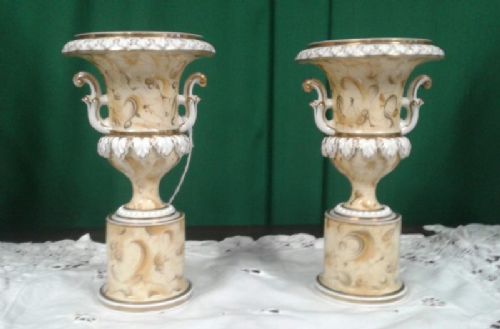
- A bell-shaped urn or vase form popular during the nineteenth century. These vessels often feature twin handles and pedestal feet.
- Ewer
- A large jug with a wide spout and handled body, frequently adapted for decorative display. Many nineteenth-century examples incorporate painted panels and gilt mounts.
- Reticulation
- An openwork or pierced ceramic lattice technique used to decorate the shoulders or necks of vases. This delicate process demands high technical skill from the potter.
- Garniture
- A set of three or more matching vases or urns designed to be displayed together on a mantelpiece or sideboard. These matching groups often include a central urn and side vases.
Victorian Gilt Ceramic Vase: Frequently Asked Questions
What is a campana vase?
A campana vase takes the shape of an inverted bell, featuring a flared rim and a footed base. Makers often fitted these classical urns with cast handles.
During the nineteenth century, these vessels served primarily as decorative mantel ornaments or centrepieces rather than flower holders.
How are nineteenth-century vases marked?
Potteries used printed factory marks, painted ciphers, and impressed numbers on the unglazed base of the ceramic body. Artist signatures or specific pattern numbers frequently appear alongside these factory stamps.
Examining these under magnification helps determine the exact period and originating workshop of the piece.
What is blush ivory porcelain?
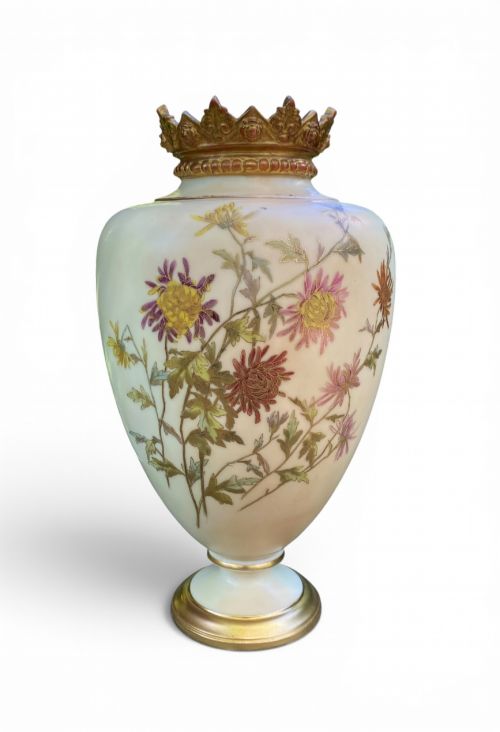
Blush ivory refers to a soft, cream-coloured ceramic body developed by factories like Royal Worcester to imitate ivory. Artisans painted floral sprays directly onto this matte surface.
Gold outlining and rich gilding typically accent the warm tones of the ivory glaze.
Can these antique lamps be rewired?
Many nineteenth-century vases and ewers were converted into table lamps using gilt bronze or brass fittings. Modern electrical components can be installed safely by a qualified electrician without damaging the ceramic body.
Retaining the original mounting hardware preserves the historical integrity of the conversion.