
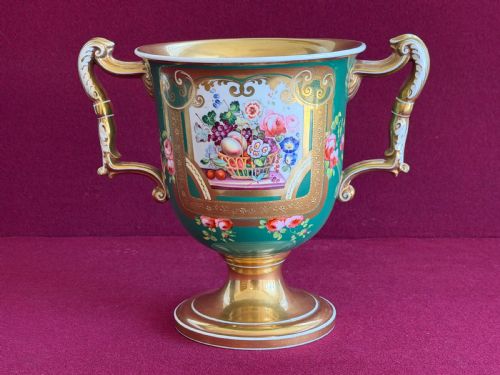


Vintage English Porcelain Urn
These vintage english porcelain urn pieces bring traditional ceramic artistry into a room, offering classic forms designed for display.
Vintage English Porcelain Urn
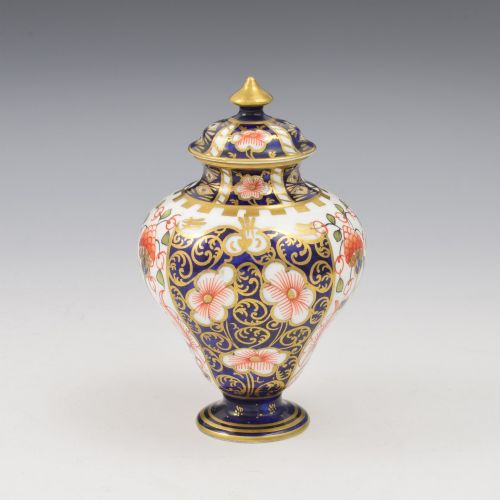
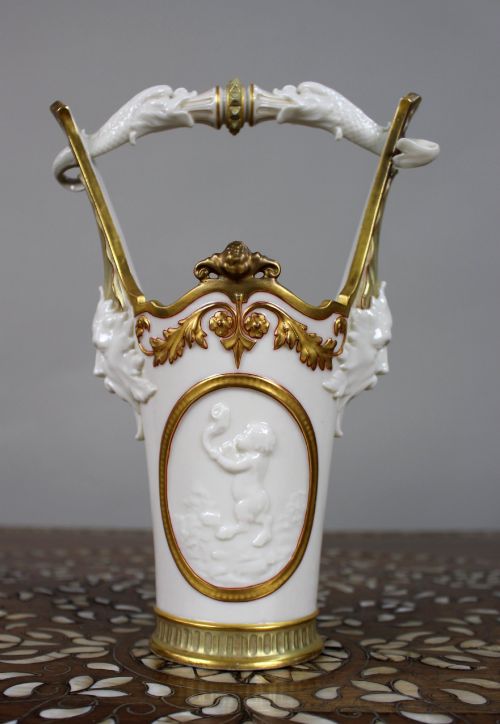
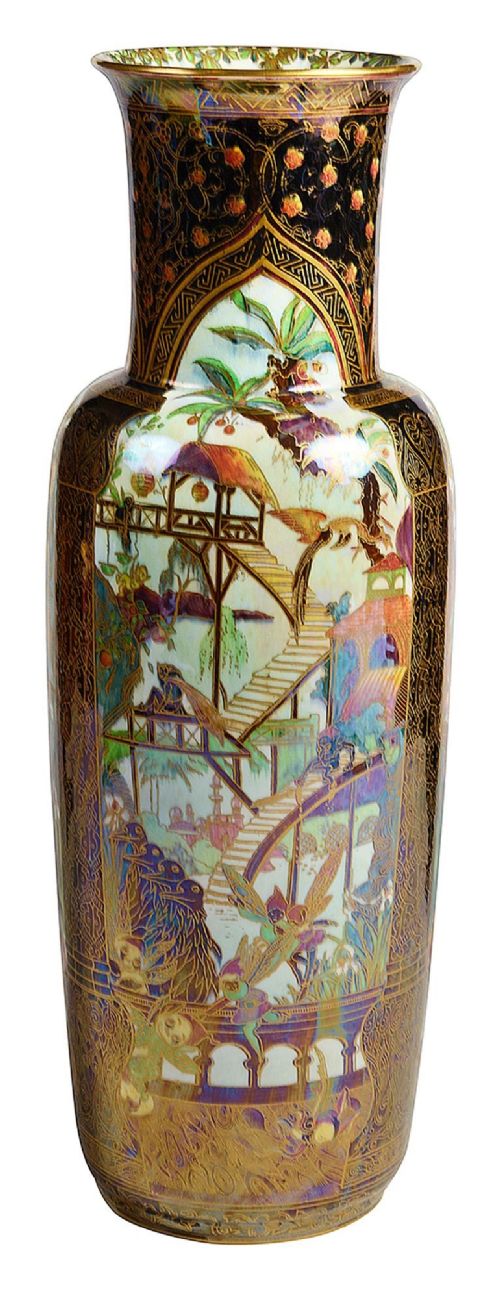
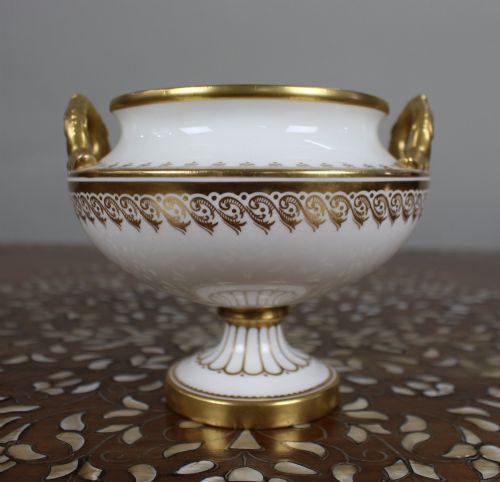
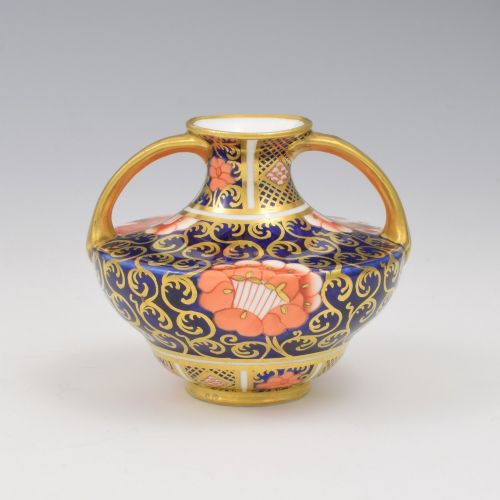
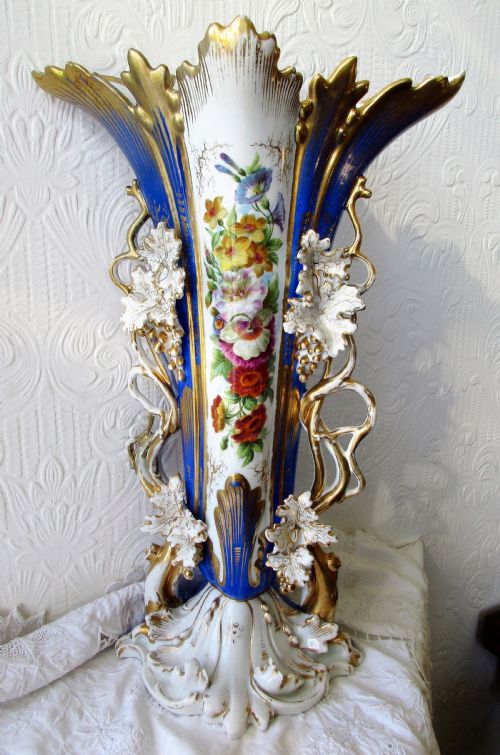
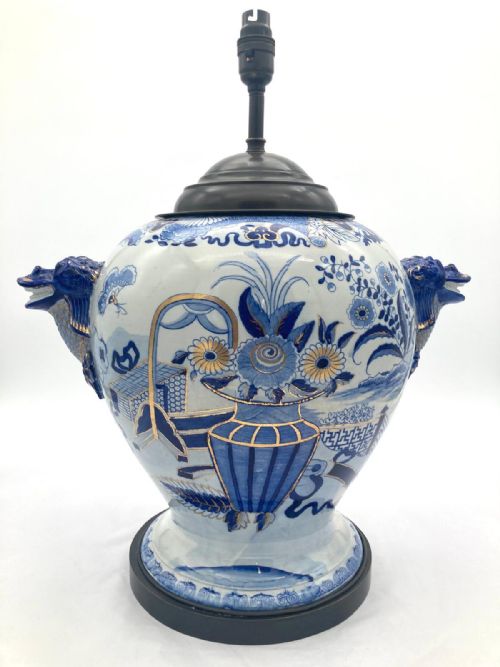
When hunting for a vintage english porcelain urn, a buyer will encounter various decorative vessels shaped as vases, pot pourri jars, and loving cups. These objects stem from diverse periods ranging from the Regency era through the Edwardian years up to the mid-twentieth century.
The selections span traditional English aesthetics, Victorian neo-classical designs, and Art Deco styles. Most items originate from established factories, presenting classic handles, covers, and ovoid profiles.
Materials and construction
Maker workshops utilised fine porcelain, bone china, and earthenware as the foundational bodies for these vessels. Artisans shaped these ceramic materials into vases and urns before applying intricate glazes.
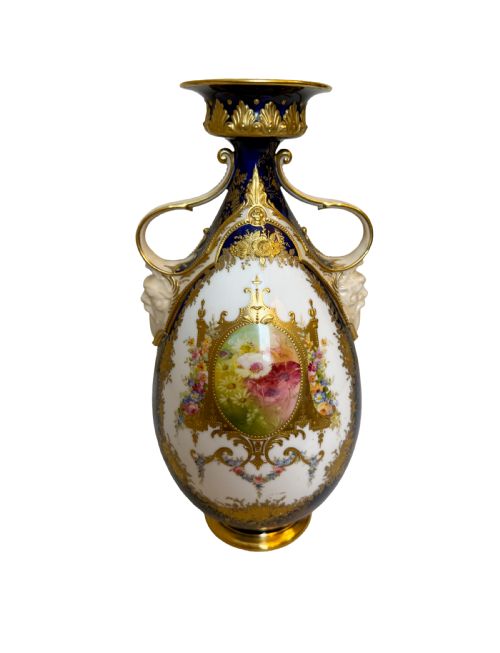
Decoration relied heavily on hand painting, gilding, and gold leaf application. Many examples integrate enamel details and gilt highlights over white or coloured glaze grounds.
The listings feature porcelain, bone china, earthenware, and gold leaf across multiple periods from Regency to the 1960s.
Judging execution and artistry
Excellence in these ceramics rests upon the precision of the hand painting and the application of gilding. Master painters delivered detailed bird, fruit, or floral motifs that elevate standard production pieces into notable works.
The complexity of the form, such as twin handles, pierced covers, or special porcelain bodies like bone china, distinguishes high-tier examples. Finer specimens display superior control over glaze firing and enamel adherence.
Royal Crown Derby·Royal Worcester·Hicks and Meigh·H and R Daniel·Losol·Coalport·Wedgwood
The Vintage English Porcelain Urn Glossary
- Porcelain
- A white vitrified translucent ceramic material fired at high temperatures. It forms the primary body for the finest decorative urns and vases.
- Pot Pourri
- A vessel featuring a pierced or perforated cover designed to hold scented dried plant materials. These jars allow fragrance to diffuse while concealing the contents.
- Gilding
- The application of gold leaf or gold paint to ceramic surfaces. This technique highlights rims, handles, and decorative motifs.
- Bone China
- A type of porcelain incorporating bone ash for enhanced strength and translucency. It permits thinner walls and finer forms.
- Imari
- A decorative style utilising rich blue, iron red, and gold colours inspired by Japanese export wares. English factories frequently adopted this palette.
Vintage English Porcelain Urn: Frequently Asked Questions
What is a pot pourri urn?
A pot pourri urn is a lidded ceramic vessel designed specifically to hold fragrant dried plant mixtures. The pierced cover allows the scent to permeate the room.
These pieces combine decorative painting with practical function, serving as centrepieces on mantelpieces and tables.
How do I date an English porcelain vase?
Dating relies on factory factory marks stamped or painted on the underside, stylistic cues like Regency shapes, and recorded artist signatures.
Comparing the decorative motifs against known production periods helps narrow down the decade of manufacture.
Were these urns used for flowers?
Many urns and vases served primarily as decorative ornaments rather than functional water holders for fresh stems. Large country house examples were meant for visual impact.
Covered jars and pot pourri vessels were specifically intended to hold dry aromatics rather than floral arrangements.
What is hand painted fruit decoration?
Hand painted fruit is a traditional genre of ceramic decoration depicting detailed apples, pears, and berries against natural foliage. Master artists signed their work on the surface.
This style became a signature look for mid-century production, particularly among Worcester painters.