

English Georgian Oil Painting
An english georgian oil painting brings the depth of eighteenth-century portraiture and landscape into a room through layered pigment and aged canvas.
English Georgian Oil Painting
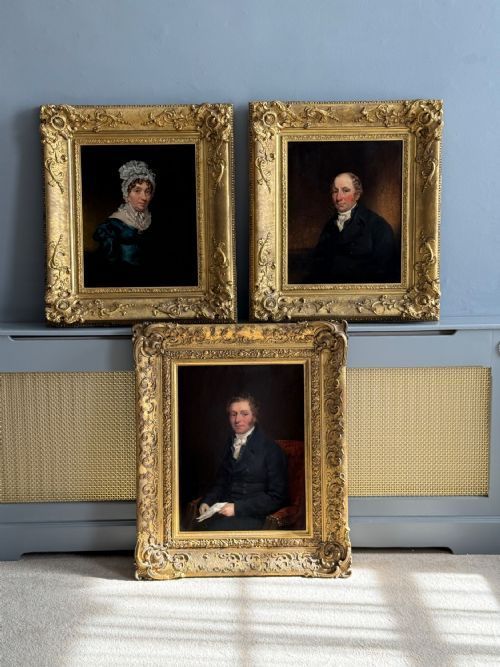
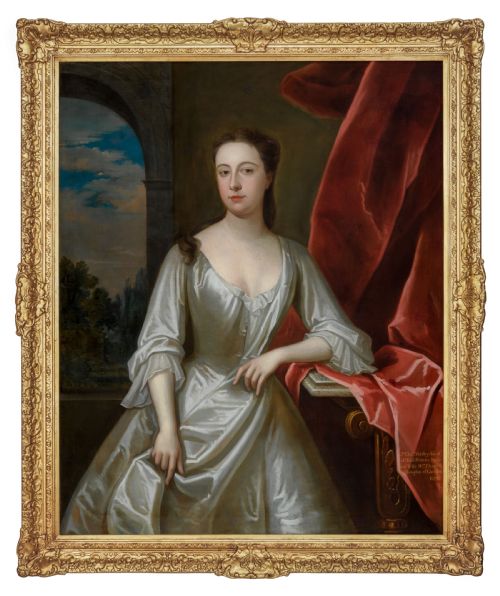
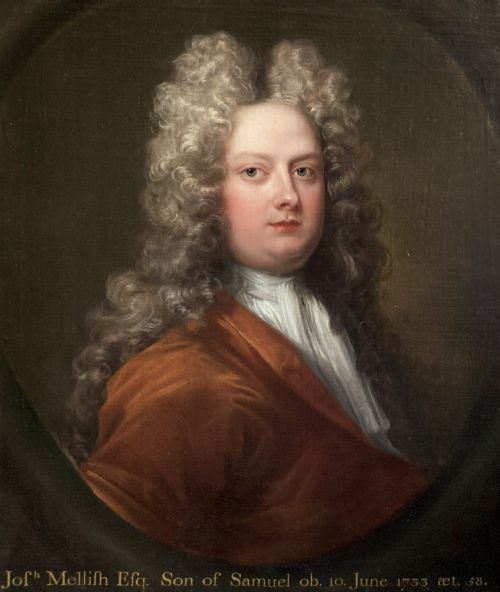
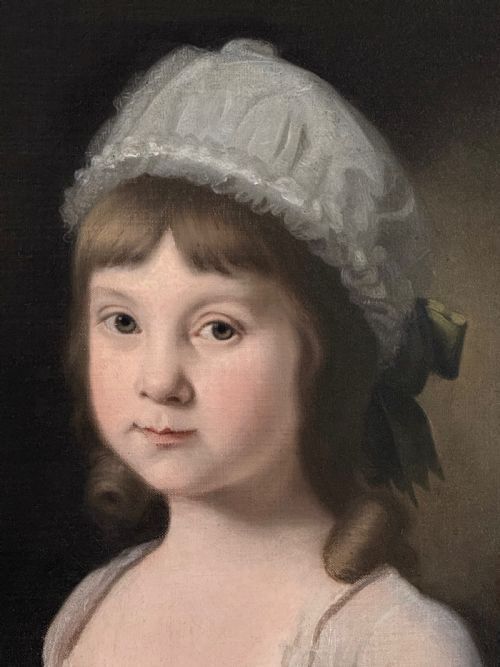
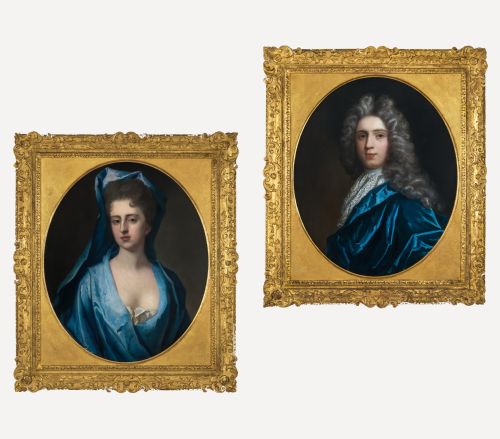
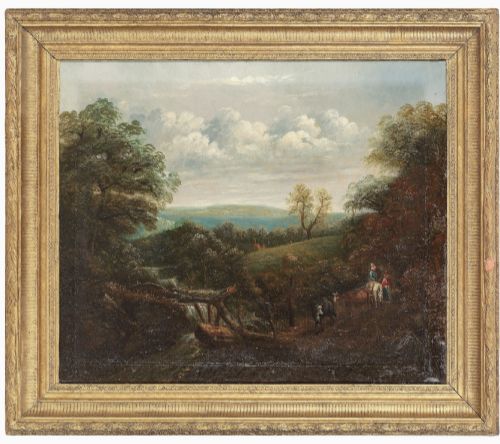
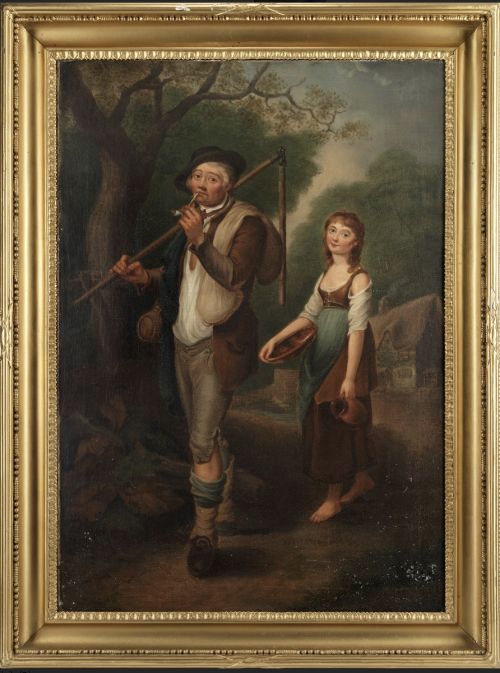
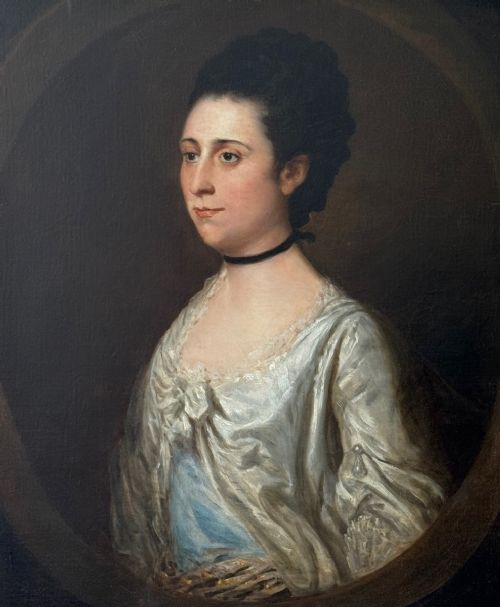
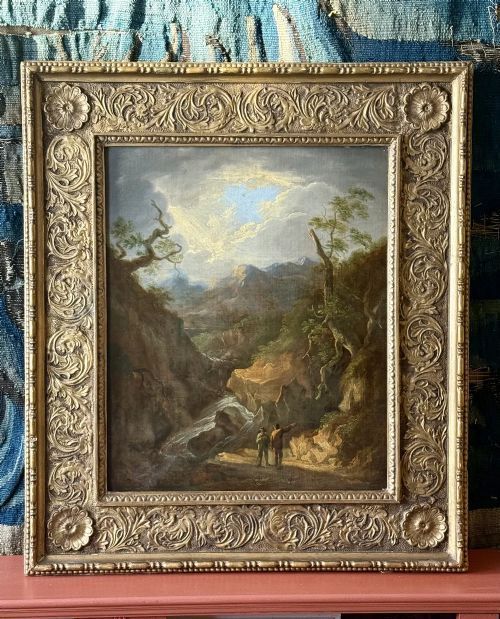
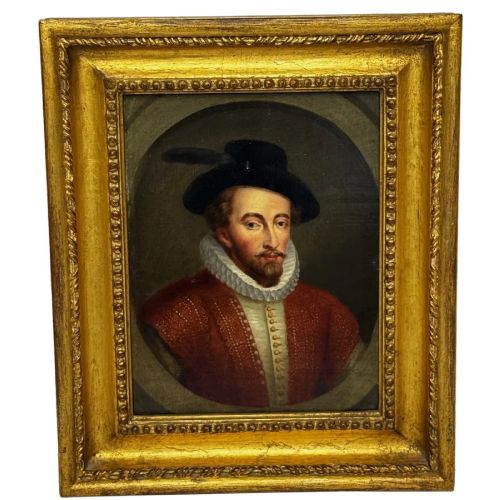
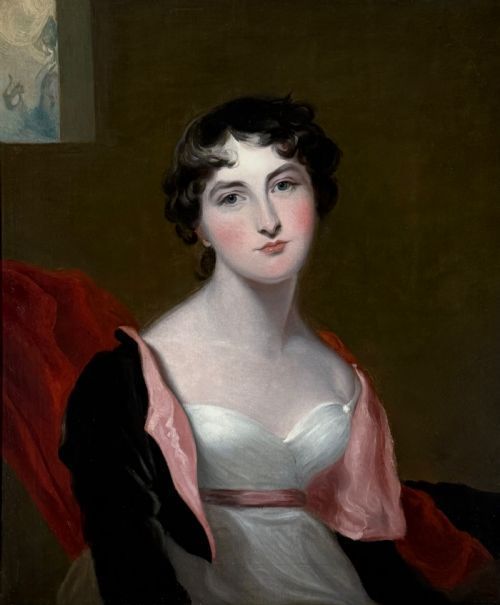
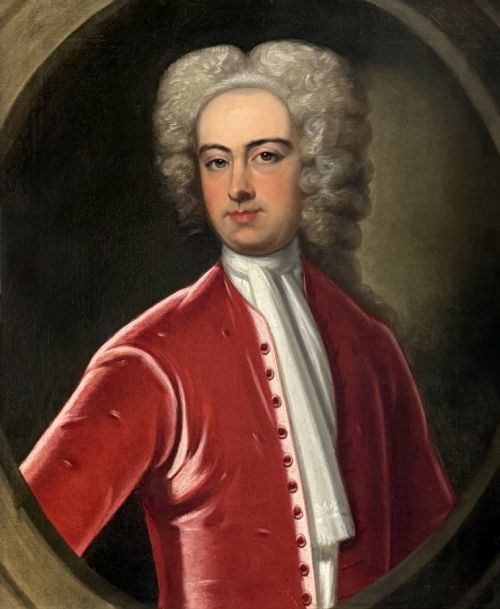
An english georgian oil painting encompasses portraits of gentlemen and ladies, narrative scenes, and rural landscapes produced during the eighteenth and early nineteenth centuries. The pieces on this page span the 17th century through the Victorian era, with a strong representation of Georgian and Regency periods. Works range from formal seated portraits by named artists to atmospheric countryside views by provincial British schools.
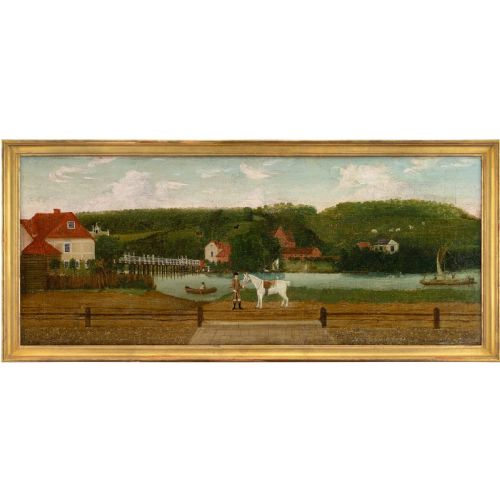
Portraiture dominates the selection, showing sitters accompanied by animals, architectural elements, or natural backdrops. Landscapes record rural paths, river estates, and mountainous terrain under the influence of the Norwich School. These canvases often retain their original aesthetic context through period framing techniques.
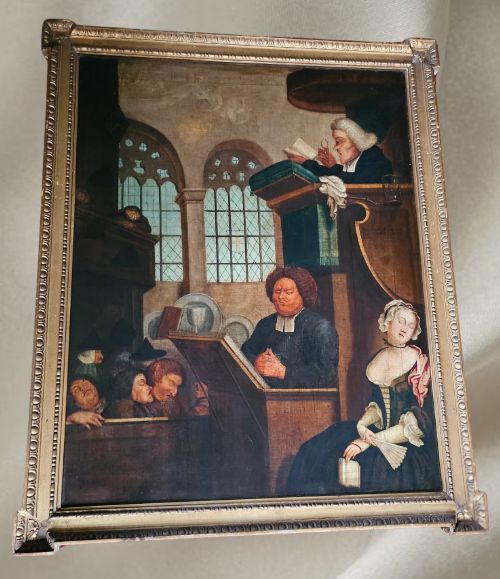
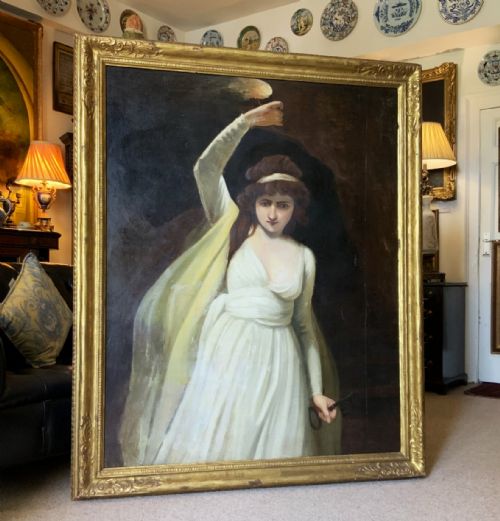
Domestic and historic subjects also appear alongside figurative works, capturing theatrical themes and equestrian scenes. Buyers encounter both signed masterworks and pieces attributed to regional British schools or followers of major painters.
How they were made
Artists applied oil paint to stretched canvas or wooden panels, sometimes utilising boards or laying older canvases onto secondary supports for structural reinforcement. Pigments were built up in glazes to achieve skin tones and fabric textures, sealed with varnishes that darken over time.
Frames form an integral part of these works, constructed from wood and shaped with gesso mouldings. Many retain giltwood or gold leaf finishes applied by hand during the period.
Listings feature oil paintings on canvas and panel from the 17th, 18th, and 19th centuries, framed in period gesso and giltwood.
What varies in quality
The preservation of the original paint surface and the stability of the support dictate the integrity of a painting. Secondary linings and the condition of the gesso frame influence the overall survival of the work.
Sir William Beechey·Joseph Clover·Sir Godfrey Kneller·Charles Jervas·Joshua Reynolds·Michael Dahl·Thomas Murray·Thomas Barker of Bath·Thomas Beach·Benjamin Barker of Bath·Sir Thomas Lawrence·William Hogarth·John Opie·George Morland·T C Hofland·Joseph Highmore·William Etty·John Constable·John Sanderson Wells
The English Georgian Oil Painting Glossary
- Gesso
- A plaster-like mixture applied to wood frames as a base for gilding. It provides a smooth surface for detailed moulding work.
- Giltwood
- Wood carved and coated with gold leaf or metallic powder. This finish reflects light and frames the darkened tones of oil paintings.
- Canvas laid onto board
- A conservation or studio method where an older fabric support is adhered to a rigid backing. This technique prevents sagging in aged materials.
- British Baroque
- An artistic style characterised by dramatic movement and grandeur. It influences early eighteenth-century portraiture on this page.
- Norwich School
- A regional movement of landscape artists depicting local scenery. Their works emphasise natural light and rural topography.
English Georgian Oil Painting: Frequently Asked Questions
How do I hang a heavy oil painting?
Secure fixings directly into wall studs or use heavy-duty wall anchors rated for the weight of the frame and canvas. Hang the piece using braided picture wire attached to sturdy brass screw eyes on the stretcher bars.
Ensure the painting sits at eye level and away from direct heat sources or strong sunlight that might damage the oil pigments and gesso frame over time.
What is the difference between canvas and panel?
Canvas consists of woven fabric stretched over a wooden frame, offering slight flexibility and a textured surface for brushwork. Panel uses a rigid wooden board that provides a smooth, stable ground for finer detail.
Both supports were widely used during the Georgian period depending on the artist's preference and the intended scale of the work.
How can I tell the period of a frame?
Period frames feature hand-carved gesso ornamentation and corner joints that reflect eighteenth or nineteenth-century joinery techniques. The depth of the gilding and the presence of underlying red bole layers often indicate age.
Replacements or later additions typically show machine-cut precision and synthetic binders beneath the gold leaf.