
English Folk Art
When you handle English folk art, you touch the unpretentious vernacular of local makers who carved, painted, and stitched without academy rules.
English Folk Art
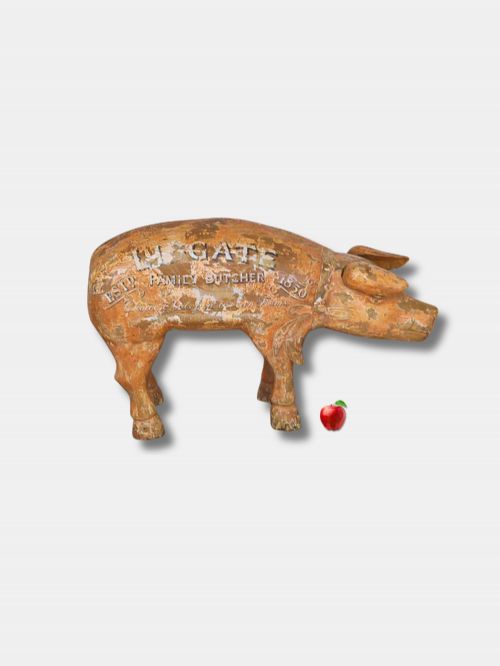
English folk art encompasses utilitarian objects, trade signs, carved treen, and naive paintings made outside the formal academic traditions of their day. Buyers seek these pieces for their direct visual honesty and the palpable connection they offer to past rural and maritime communities.
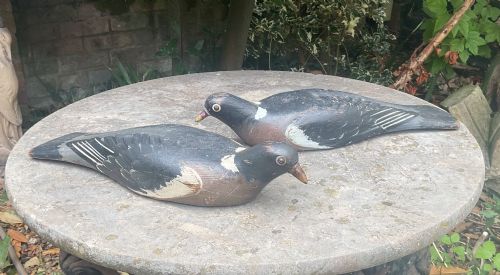
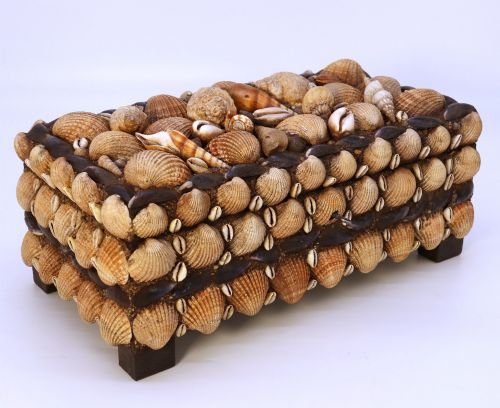
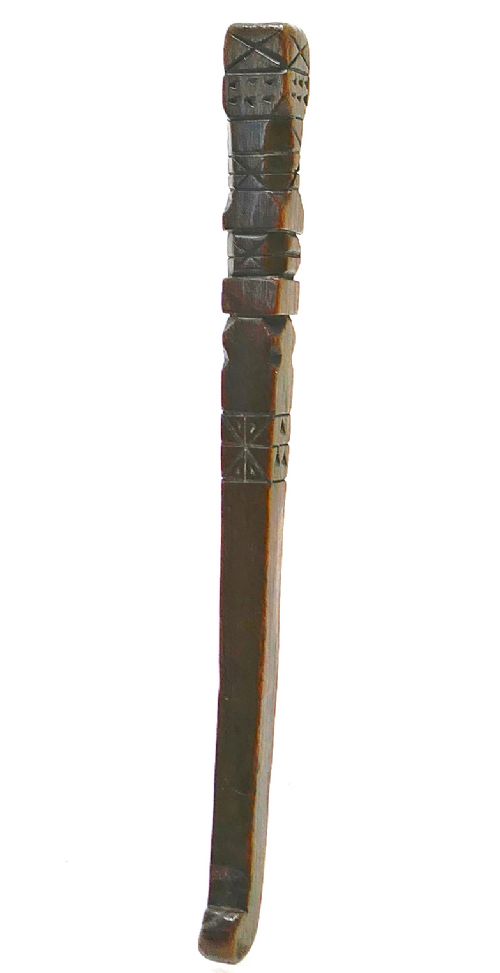
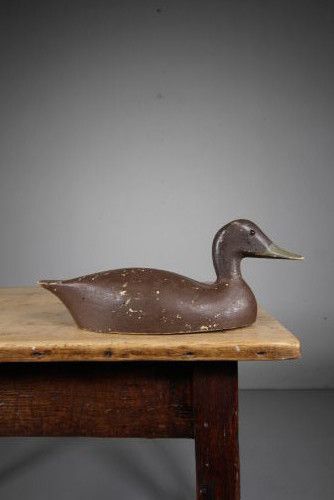
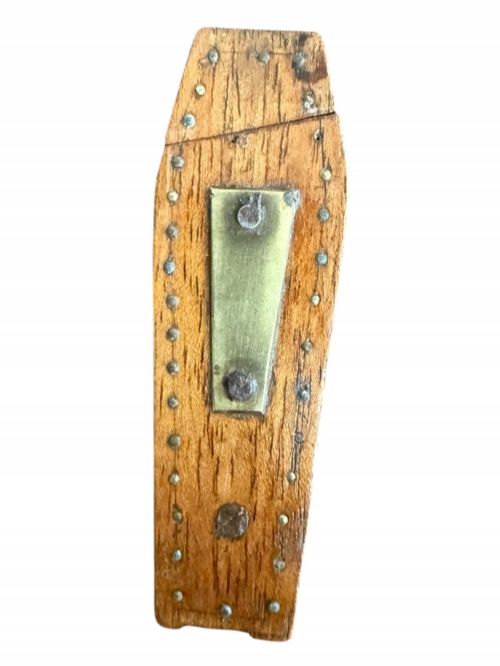
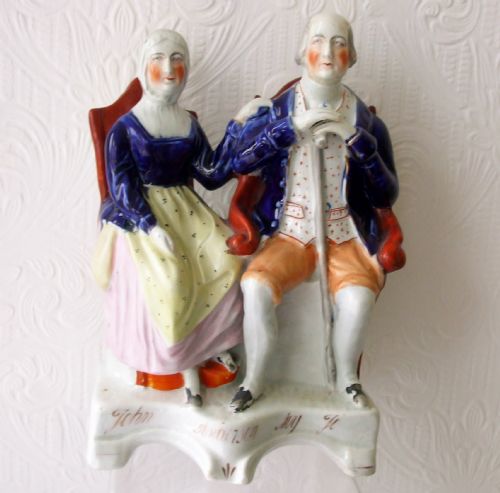
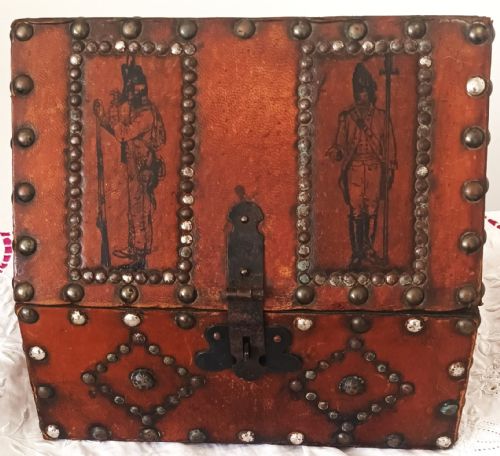
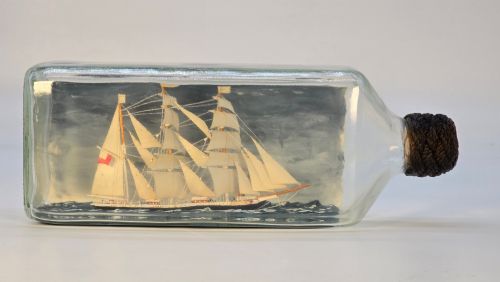
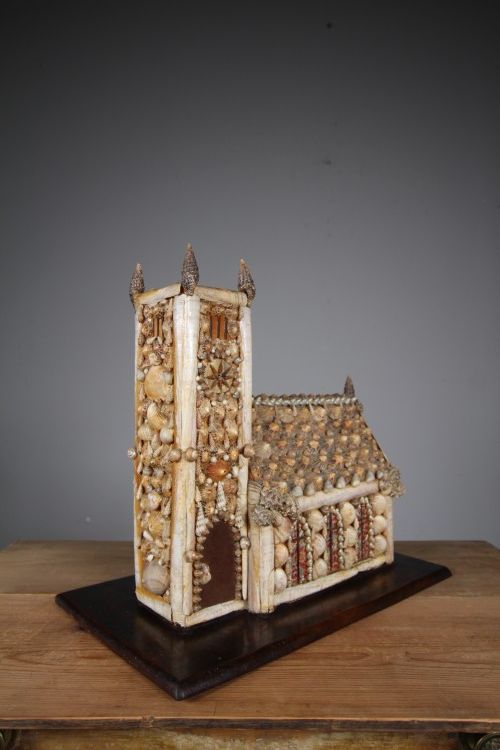
The objects appearing most frequently on this page span from the eighteenth century through the interwar period, capturing a broad sweep of vernacular expression. Common forms include painted wooden decoy birds, intricate shellwork boxes, metal weathervanes, and domestic treen such as fruitwood knitting sheaths.
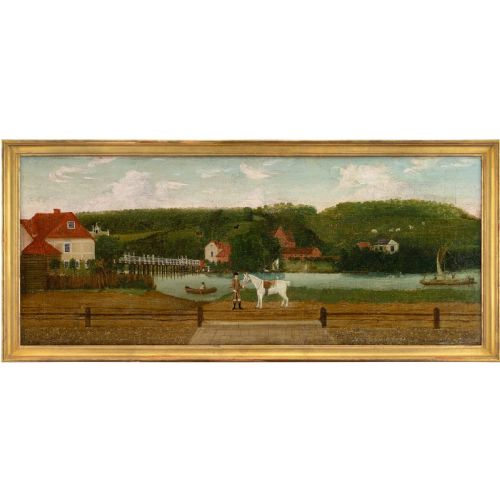
Regional variations emerge strongly across the selection, from Cumbrian knitting sheaths to Dorset earthenware money boxes and Sussex topographical paintings. This localized character ensures that every piece tells a specific story rooted in its immediate geographical origin.
How they were made
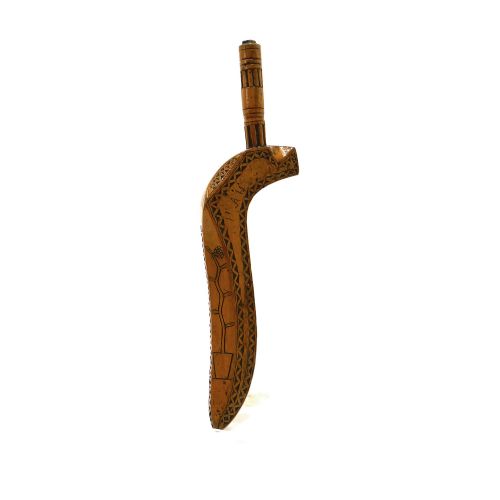
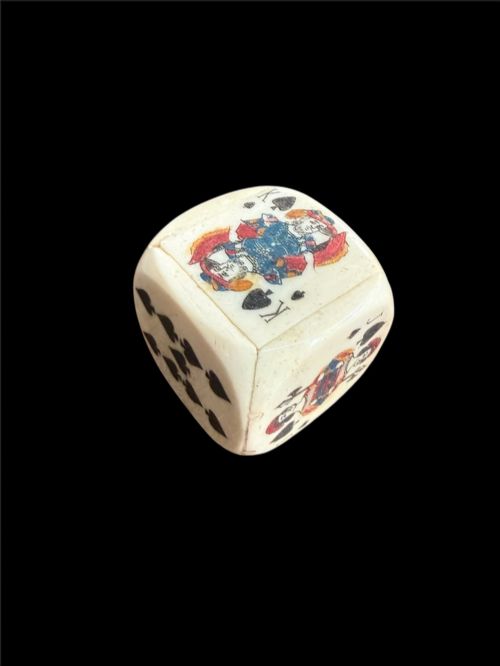
Makers utilised accessible local materials like fruitwood, earthenware, lead glaze, and oil on canvas, shaping them with basic hand tools. Woodworking techniques such as punchwork, incised line decoration, and bone inlay turn simple utilitarian items into richly textured decorative objects.
Painted surfaces play a central role, with many pieces retaining original oil paint, verdigris, or aged patination that records decades of handling and exposure. Metalwork components, from iron and copper weathervanes to cast bronze mortars, demonstrate traditional blacksmithing and foundry methods applied with domestic economy.
What varies in quality
Quality in these vernacular pieces rests upon the strength of the maker's naive vision and the integrity of the surface preservation. An object retaining its original paint or untouched patination commands greater admiration than one stripped or heavily restored by later hands.
Proportion and execution distinguish accomplished vernacular work from mundane manufacture, even within unpretentious domestic objects. The crispness of punchwork on a fruitwood knitting sheath or the balanced composition of a naive oil painting reveals the maker's innate skill.
R.D. Roberts·Gertrude Halsband·Thomas James Lloyd
The English Folk Art Glossary
- Treen
- Small handmade wooden objects for domestic use. These items include kitchenware, snuff boxes, and knitting sheaths carved from fruitwood or boxwood.
- Naive school
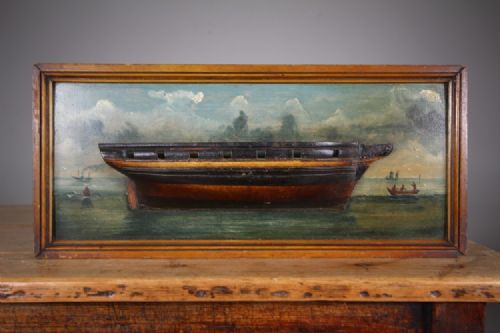
- Art created by self-taught painters working outside traditional academic conventions. Such works prioritize direct expression and storytelling over strict adherence to perspective.
- Slipware
- Earthenware pottery decorated with a liquid clay mixture before firing. This technique produces rich amber and cream patterns seen on large tavern jugs and money boxes.
- Weathervane
- A movable metal or wooden indicator mounted on a roof to show wind direction. Surviving examples often take the form of cockerels or ships fashioned from copper and iron.
English Folk Art: Frequently Asked Questions
What defines English folk art?
English folk art consists of utilitarian objects, models, and paintings made by self-taught individuals for domestic, trade, or recreational use. These pieces bypass academic rules in favour of direct utility and personal expression.
They reflect the everyday lives, trades, and hobbies of past communities across different English regions and counties.
How were trade signs used?
Large painted trade signs hung outside shops and businesses to advertise the services provided within. They utilised bold lettering and recognizable imagery so literate and illiterate passersby alike could identify the establishment.
Over time, exposure to the weather created the characteristic aged paint surfaces and patination valued by collectors today.
How do I date naive paintings?
Dating relies upon costume, hairstyles, architectural details, and framing materials depicted within the canvas or panel. Examining the stretcher bars, canvas weave, and pigments offers further clues to the period of creation.
Comparative analysis with dated examples from similar regional schools helps narrow down the active years of the artist.