


Vintage Gaming Piece
A vintage gaming piece brings tactile history to the table, offering finely turned bone, boxwood, and ebony for the serious collector.
Vintage Gaming Piece
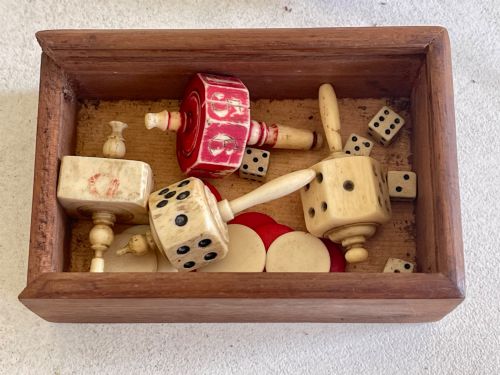
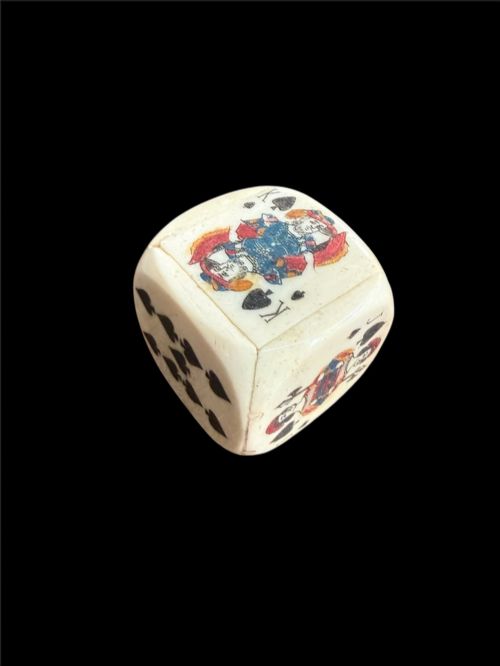
A vintage gaming piece covers everything from nineteenth-century bone dominoes and prisoner-of-war teetotums to Edwardian chess sets and early twentieth-century draughts. These items represent parlour pastimes and tabletop games produced across the Victorian, Edwardian, and later periods.
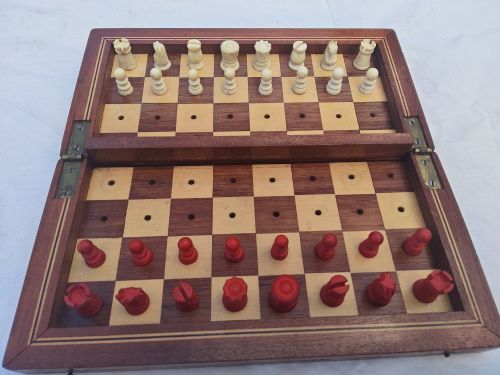
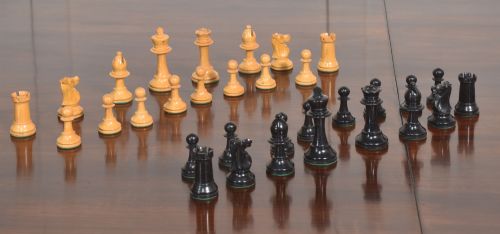
The version most commonly met on this page is the traditional chess set or individual counter, frequently turned from boxwood and ebony or carved from bone. Alongside these standard sets, collectors encounter specialised items such as dice shakers, folding boards, and games compendiums.
How they were made
Craftsmen shaped these materials using traditional turning on a lathe and intricate hand-carving, particularly visible in patterned pieces like Staunton, Calvert, and Whittington designs. Weighting is often integrated into the bases of later pieces using lead or similar materials.
Listings feature nineteenth-century and Edwardian pieces, utilising materials such as boxwood, bone, ebony, and mahogany across various chess and games sets.
What varies in quality
The standard of carving and turning dictates the character of each piece, where crisp details on knights and finely incised dots on dominoes separate standard items from superior examples. Proportion and balance across an entire set determine its visual and practical harmony.
Makers and specific patterns introduce distinction, as branded sets from established workshops or recognizable regional styles carry greater weight among collectors. The survival of original boxes, compendiums, and matching components preserves the integrity of the ensemble.
F. H. Ayres·British Chess Company
The Vintage Gaming Piece Glossary
- Staunton
- The standard pattern for chess sets established in the mid-nineteenth century, characterised by heavily weighted and mathematically proportioned pieces. This design remains the most widely recognised style for competitive and collection play.
- Teetotum
- A small spinning top used for gambling or children's games, frequently carved from bone by prisoners of war during the nineteenth century. These items often feature faceted sides marked with letters or numbers.
- Compendium
- A fitted box containing multiple games, such as chess, draughts, and backgammon, designed for parlour entertainment. They bring together diverse gaming pieces within a single compartmentalized case.
- Calvert Pattern
- An early nineteenth-century style of chess pieces associated with a prominent London maker, known for distinctive rook turrets and carved knights. These sets are prized by collectors for their specific regional execution.
- Ebonised wood
- Timber treated with a dark stain or finish to imitate the appearance of genuine ebony. This technique was widely utilised on boxwood chess pieces and draughts to create the dark side of a set.
Vintage Gaming Piece: Frequently Asked Questions
What is a Staunton chess set?
A Staunton chess set is the definitive pattern introduced in the mid-nineteenth century, featuring standardised, highly recognizable forms for every piece on the board. Its design balances practical play with dignified architectural detailing.
Such sets are typically turned from boxwood and ebony or ebonised wood, often weighted at the base to improve stability during a game.
How do I care for antique bone pieces?
Antique bone items require stable environmental conditions away from direct sunlight and excessive humidity to prevent warping or drying out. Gentle dusting with a dry cloth is sufficient for routine maintenance.
Avoid using water, oils, or modern chemical cleaners on nineteenth-century bone, as porous materials absorb liquids and risk permanent staining.
What is a games compendium?
A games compendium is a fitted wooden box housing the equipment for multiple tabletop pursuits, including chess, draughts, backgammon, and dominoes. These versatile sets were popular in Victorian and Edwardian parlours.
They usually feature internal trays and folding boards, keeping diverse gaming pieces organised within a single transportable case.
How can I date a chess set?
Dating a chess set involves examining the turning style of the pieces, the wood types employed, and the construction of any accompanying box. Standardised designs like the Staunton pattern emerged in the Victorian era, while earlier sets display distinct regional characteristics.
Makers' stamps, lead weighting techniques, and the wear patterns on boxwood and ebony further narrow down the production period.