




Twentieth Century Folk Art
Twentieth century folk art brings vernacular sculpture, carvings and textiles together, offering immediate character for an interior through handmade forms.
Twentieth Century Folk Art
Twentieth century folk art encompasses diverse handcrafted items made across the decades from the Edwardian era through to the 1940s, reflecting traditional skills and domestic creativity. Buyers encountering these pieces will find sculptural works, wall hangings and everyday objects shaped outside academic art traditions.
The selections on this page span several distinct regional styles, including English folk art, American folk art, Spanish folk art and Central Asian tribal works. Forms range from decoy birds and gaming collectibles to figural planters, outsider art paintings and embroidered wall hangings.
Origins vary widely across the inventory, touching upon Edwardian craftsmanship, Spanish terracotta and Kyrgyz textile traditions. This variety ensures that each piece carries a tangible sense of its local material culture and period.
Materials and construction
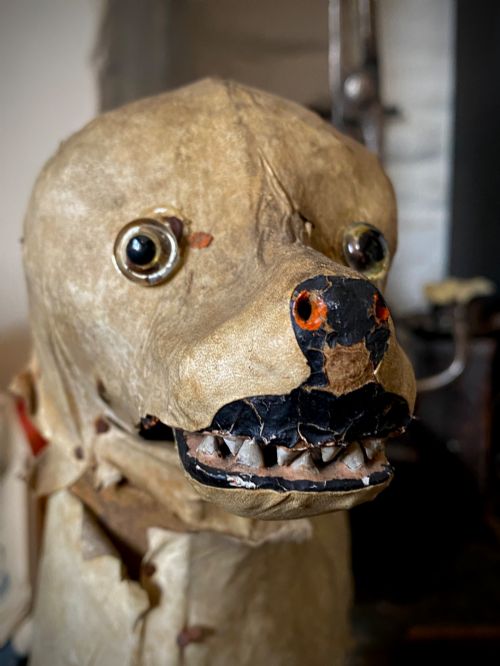
Carved wood and painted surfaces dominate the sculptural works, utilising materials that were readily available to makers working in the Edwardian period and subsequent decades. Pigments, ink and natural bark frequently enhance carved wooden figures, bird scarers and decoys.
Textiles employ cotton and silk threads on larger wall hangings, demonstrating careful hand-embroidery techniques typical of tribal and regional traditions. Other pieces utilise terracotta and bone, combining sculpted clay with carved organic elements.
Twentieth Century Folk Art Retail Price Guide 2026
Typical asking prices for twentieth century folk art among the pieces listed under this phrase on Sellingantiques today, from the lower quarter to the upper quarter. They describe what is for sale here now, not the wider market.
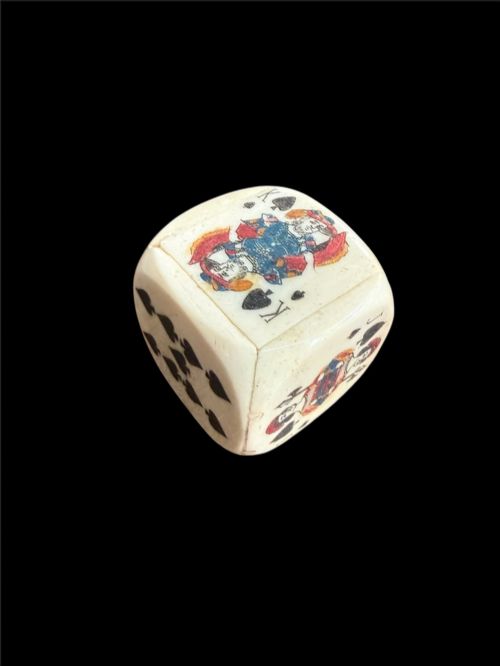
Dice shakers carved from wood remind us that historical entertainment involved handmade wooden dice cups rather than plastic.
Judging quality and character
Quality in twentieth century folk art rests upon the strength of the maker's hand and the expressive force of the carving or painting. Pieces that retain their original surface patination and honest wear stand apart from those with later interventions.
The directness of execution and the balance of form define the better examples within the genre, whether dealing with a primitive sculpture or a detailed tribal embroidery.
Franz Keller
The Twentieth Century Folk Art Glossary
- Folk art
- Artistic work created within a culture by untrained or traditional artisans, often reflecting utilitarian or decorative community traditions. These objects prioritise local materials and functional design over academic conventions.
- Outsider art
- Creative work produced by self-taught individuals operating outside the mainstream artistic establishment, sometimes encompassing art brut. Such pieces share a direct, unmediated expression.
- Decoy
- A carved and painted representation of a bird or animal originally used in hunting, now valued for its sculptural silhouette and surface paint. Makers often utilised carved wood and applied pigments to achieve lifelike forms.
- Tush kyiz
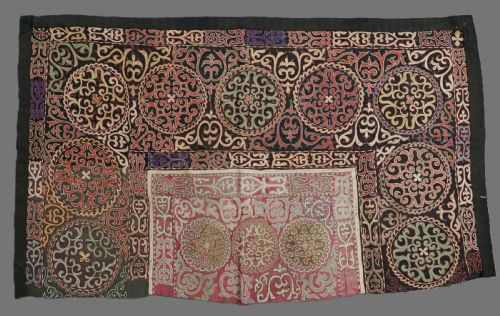
- Large, elaborately embroidered wall hanging traditionally made by Kyrgyz women to commemorate the marriage of a son or daughter. These textiles utilise rich cotton and silk needlework to display cultural motifs.
- Jigger doll
- A kinetic folk art toy designed to dance or jig on a wooden board when tapped by hand. These American figures combine carved wooden components with textile clothing.
Twentieth Century Folk Art: Frequently Asked Questions
What is folk art?
Folk art comprises utilitarian and decorative objects made by traditional craftspeople or self-taught makers outside formal artistic academies.
These pieces reflect the local materials and cultural practices of their specific period and region.
How were bird scarers used?
Bird scarers were placed in agricultural fields or gardens during the early twentieth century to deter pests and protect crops.
Their functional origins have given way to an appreciation of their sculptural presence as decorative objects.
Where do tush kyiz hang?
Tush kyiz were traditionally displayed inside Central Asian yurts as significant domestic wall hangings.
Today they function as prominent textile artworks within residential interiors.
How do I date these pieces?
Dating relies upon material analysis, recorded provenance, stylistic markers and construction techniques associated with periods like the Edwardian era.
Comparative study with documented maker examples also helps establish a reliable timeline.