
English Folding Table
An English folding table offers versatile utility, shifting seamlessly from compact storage to a generous dining or card surface.
English Folding Table
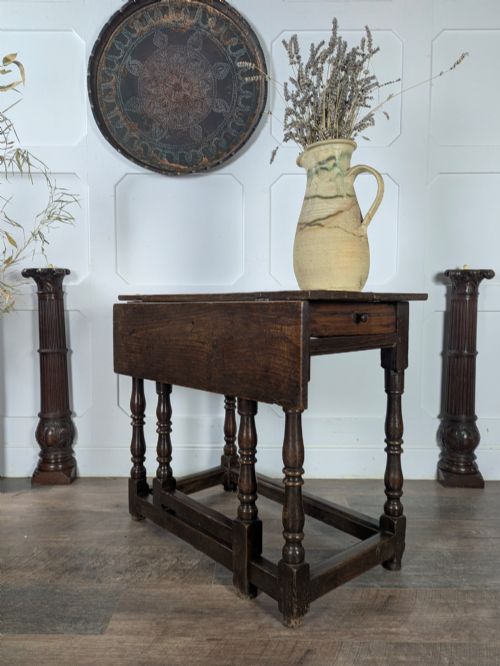
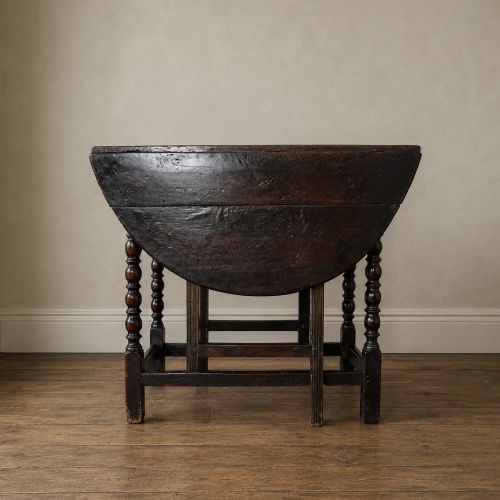
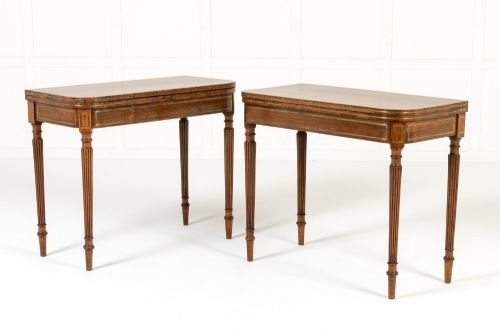
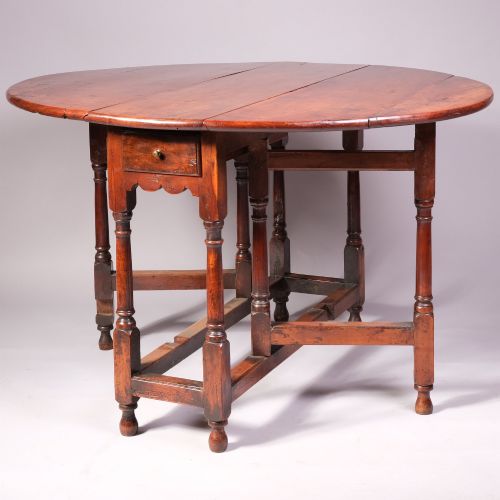
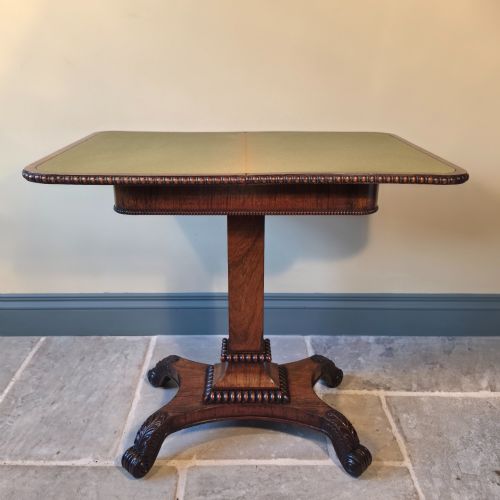
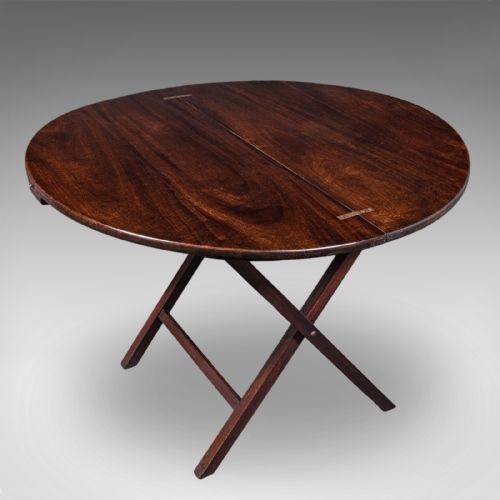
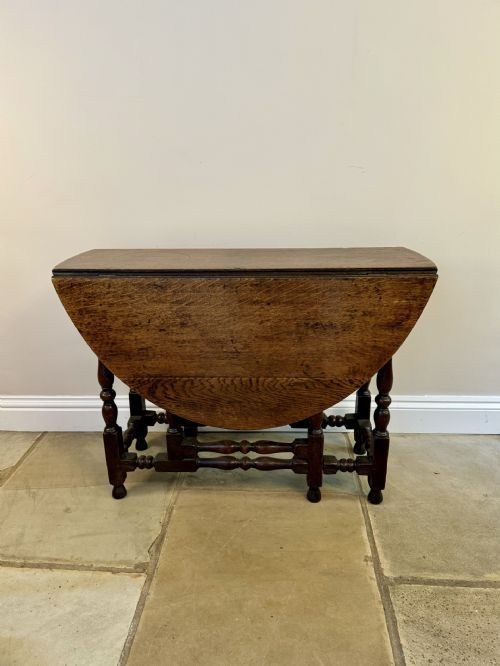
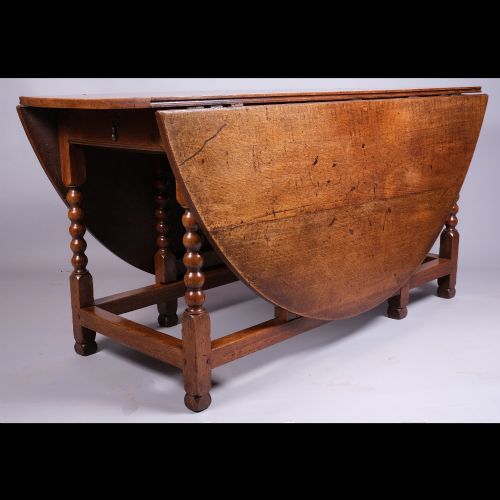
When searching for an english folding table, buyers encounter a diverse selection of historical forms designed to adapt to changing domestic spaces. The pieces range from substantial 17th-century oak gatelegs to refined Georgian card tables and practical Victorian butler's trays.
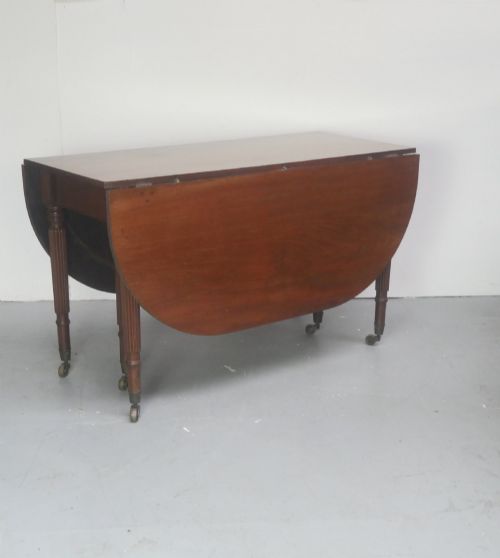
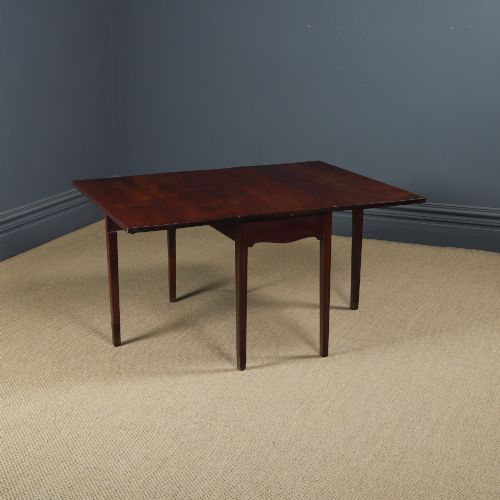
Dining and drop-leaf variations dominate the larger formats, providing expandable surfaces for meals before folding down against a wall. Smaller occasional, garden, and coaching tables utilise hinged or trestle mechanisms for effortless portability.
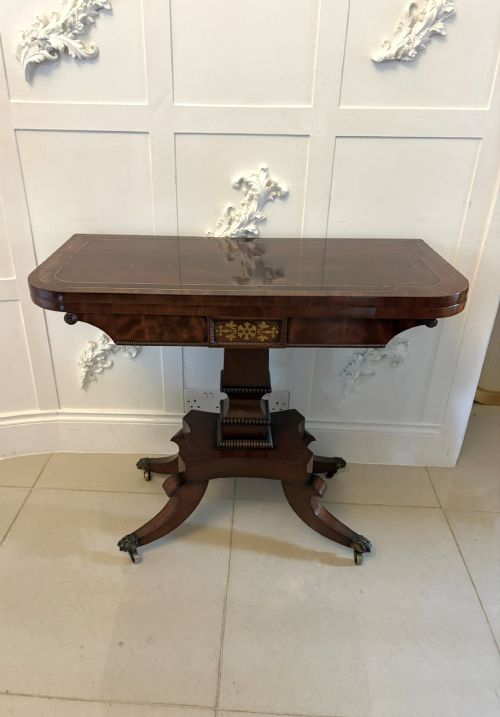
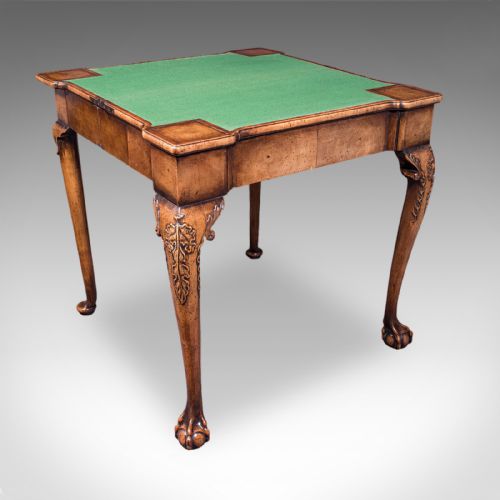
Card and games tables introduce specialised fold-over tops lined with baize, alongside intricate fold-away writing desks and Sutherland tables. These examples reflect centuries of ingenious British furniture design tailored for hospitality and entertainment.
How They Were Made
Craftsmen relied heavily on durable hardwoods like oak, mahogany, walnut, and rosewood, ensuring structural integrity for moving parts and hinges. Secondary materials such as brass, iron, and baize provided functional hardware and smooth playing surfaces.
Gateleg and drop-leaf constructions required precise joinery to support swinging legs and hanging leaves without sagging. Fold-over mechanisms utilised tight-fitting wooden pivots and brass hinges to allow surfaces to double in area seamlessly.
Listings feature oak, mahogany, walnut, and rosewood across centuries spanning from the 17th century to the Edwardian era.
What Varies in Quality
Superior examples showcase exceptional timber selection, such as figured flame mahogany, rich burr walnut, or quarter-sawn oak with prominent medullary rays. The grain pattern and colour consistency across folding leaves indicate a maker's dedication to aesthetic harmony.
Mechanical precision sets finer pieces apart, ensuring that hinges sit flush, gatelegs swing smoothly without binding, and fold-over tops align perfectly when closed. Hand-cut dovetails, crisp brass inlay, and stable structural joints demonstrate advanced workshop competency.
Gillows
The English Folding Table Glossary
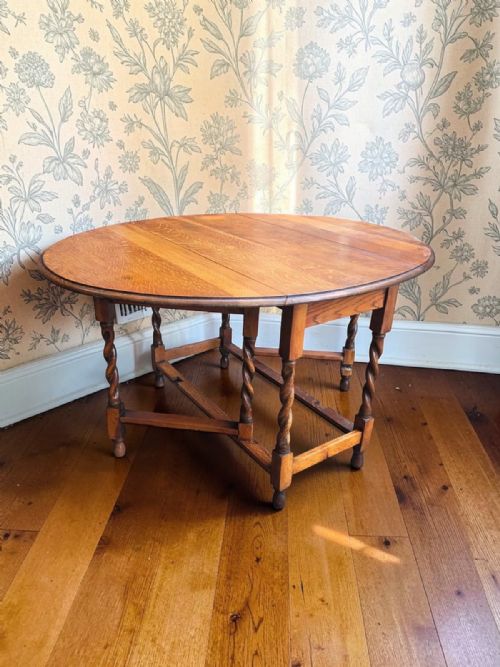
- Gateleg table
- A table featuring hinged leaves supported by swing-out legs that pivot from the frame. This design allows a compact surface to expand significantly for dining.
- Card table
- A specialised folding table designed for gaming, typically featuring a fold-over top lined with baize or felt. Many include small corner wells for counters or coins.
- Drop-leaf table
- A table with a fixed centre section and hinged flaps on either side that lower when not in use. These pieces conserve floor space in smaller rooms.
- Sutherland table
- A narrow-profile drop-leaf table with exceptionally slim folding leaves supported by swinging gate legs. It stands on a central trestle base.
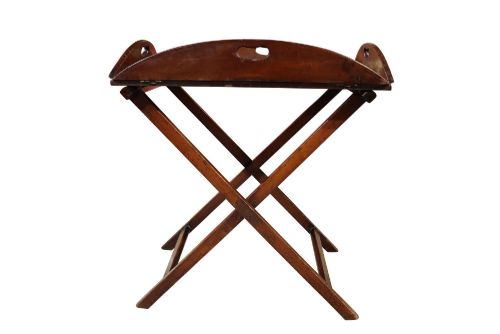
- Butler's tray
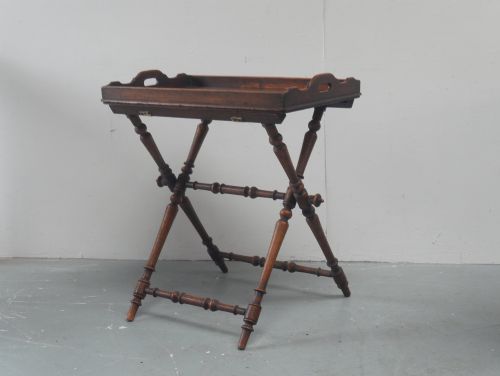
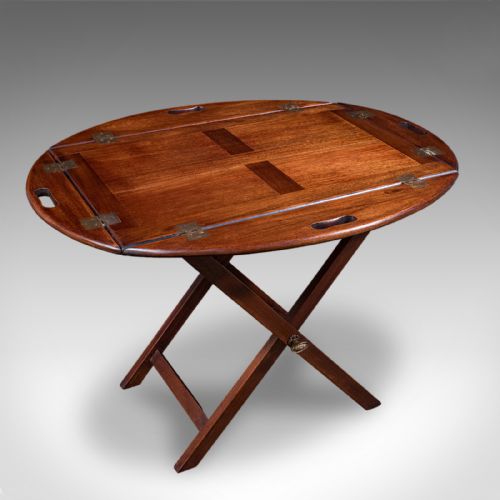
- A removable wooden serving tray with hinged flaps, traditionally set upon a folding X-frame stand. It offers portable service for tea or dining.
English Folding Table: Frequently Asked Questions
How do you use a folding card table?
These tables feature a hinged top that unfolds to double the surface area for evening games or writing.
When closed, the console sits flat against a wall as a decorative side table.
What is a gateleg table used for?
A gateleg table provides an expandable surface for dining or working by utilising swinging wooden legs to support drop leaves.
Lowering the leaves allows the heavy oak or mahogany structure to be tucked away compactly.
How do you distinguish Georgian from Victorian tables?
Georgian pieces often display restrained mahogany craftsmanship with Chippendale influences and subtle crossbanding.
Victorian examples frequently introduce rosewood, walnut, ebonised finishes, and more elaborate turning or carving.
Where were butler tray tables placed?
Servants used these portable trays and folding stands to carry refreshments into drawing rooms or gardens.
The removable tray lifted easily from its X-frame base for convenient serving.