


Circular Folding Table
A circular folding table combines practical adaptability with classical form, offering a versatile surface that packs away cleanly when not needed.
Circular Folding Table
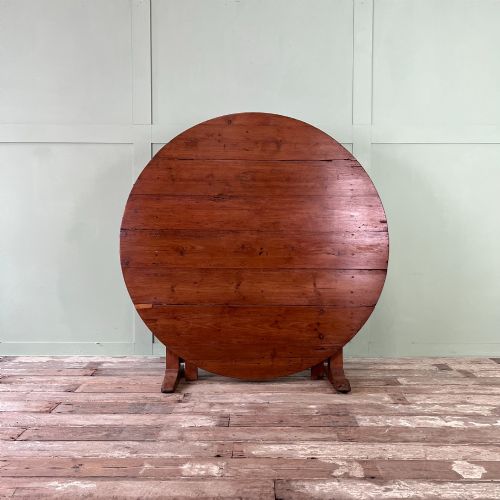
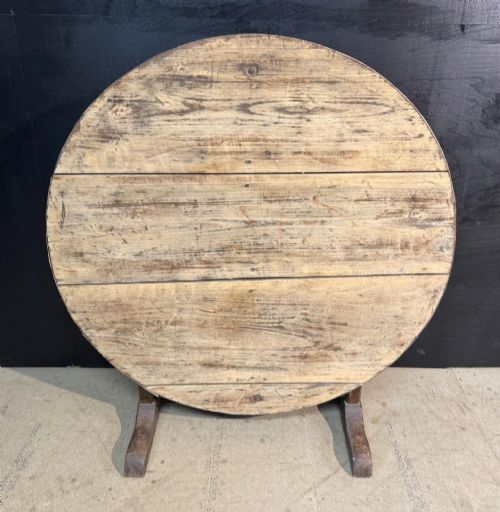
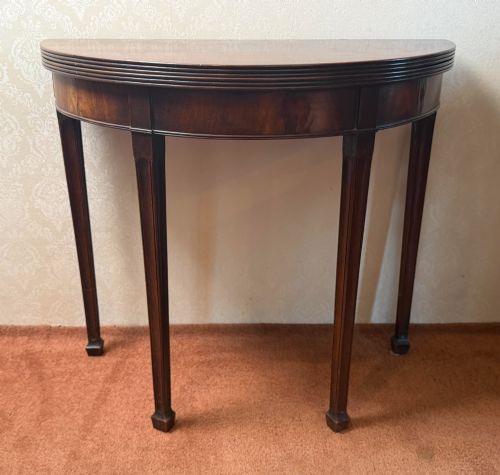
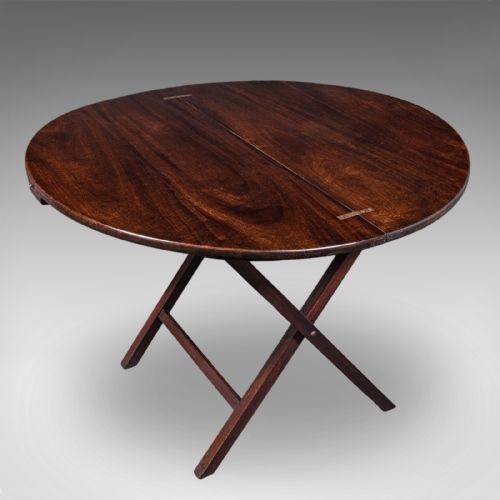
A circular folding table in the marketplace covers a diverse array of clever domestic designs, from French oak and cherry vineyard tables to English coaching tables and dumb-waiters. Buyers seeking a circular folding table will encounter pieces spanning several centuries, including Georgian mahogany examples and later colonial styles.
The selection frequently includes drop-leaf formats, gate-leg structures, and specialised wine-tasting pieces designed to adapt to shifting interior spaces. These items served dining, serving, and occasional display purposes in historic homes, making them equally practical for contemporary living rooms and kitchens.
Materials and Construction
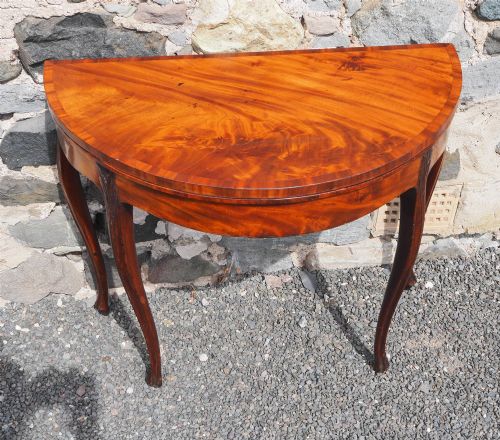
Cabinetmakers utilised a range of robust timbers for these folding surfaces, notably mahogany, oak, cherry, fruitwood, and teak. Selected pieces incorporate rich veneers such as flame mahogany and satinwood to elevate the visual grain.
Hinges, pivots, and drop-leaf brackets allow the frames to collapse or fold flat efficiently. Brass inlay and metal fittings appear on specific regional variants, adding durability and decorative contrast to the timber.
Listings feature timbers such as mahogany, oak, teak, and satinwood across periods spanning from the seventeenth century through the nineteen-twenties.
Evaluating the Build
The integrity of the folding mechanism dictates daily utility, where smooth operation and tight joints separate superior examples from lesser pieces. Timber selection and grain matching across leaves also indicate the original maker's investment of time and skill.
Proportion and stability when fully opened reveal the caliber of the carpentry. Well-executed pivot actions and solid hinge placement ensure the table remains level and secure under weight.
The Circular Folding Table Glossary
- Vendange table
- A French agricultural table featuring a folding base, traditionally utilised during grape harvests. These pieces often employ cherry or oak construction.
- Coaching table
- A portable folding table designed for easy transport and compact storage. Georgian examples in oak demonstrate this utilitarian heritage.
- Dumb-waiter
- A multi-tiered serving stand with folding or revolving circular surfaces. These structures allowed discreet dining service without constant servant attendance.
- Demi-lune
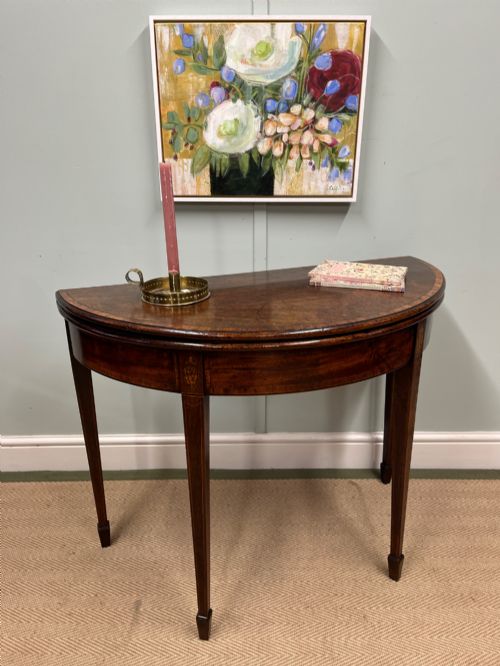
- A half-moon shape typical of fold-over tea and card tables. When opened against a wall or combined, they form a complete circular or oval top.
- Gate-leg table
- A drop-leaf table supported by hinged legs that swing outward like a gate. This design provides sturdy support for extended table surfaces.
Circular Folding Table: Frequently Asked Questions
How were historic folding tables used?
These pieces provided flexible surfaces for dining, card games, and serving tea in period homes. Their ability to collapse allowed rooms to be cleared quickly for other activities.
Working variations like dumb-waiters and coaching tables served specific domestic duties, moving easily between spaces as household needs shifted throughout the day.
What woods appear most often?
Mahogany and oak dominate the English and Georgian pieces, offering durable frames and rich natural patinas. Walnut, cherry, and fruitwood also feature prominently across continental and regional variations.
Satinwood and flame mahogany veneers were reserved for finer parlour and card tables, providing decorative surfaces with distinct grain patterns.
Are these tables suitable for daily use?
Sturdy timber construction and reliable folding mechanisms make many of these historical pieces entirely practical for modern living. Their original purpose was functional, so they handle regular use well when treated with appropriate care.
Regular checks on hinges and drop-leaf supports help maintain stability, ensuring the timber adapts smoothly to contemporary homes.
How do I spot regional differences?
French examples frequently employ cherry, fruitwood, or oak in robust vineyard and wine-tasting formats. English pieces lean toward mahogany and oak with formal Sheraton or Georgian influences.
Colonial and Indian variations introduce teak and intricate brass inlay work, reflecting the specific materials available to overseas workshops.