


English Fine Bone China
English fine bone china objects are sophisticated ceramic pieces combining delicate translucency with robust strength, offering collectors refined historic artistry for daily display or formal service.
English Fine Bone China
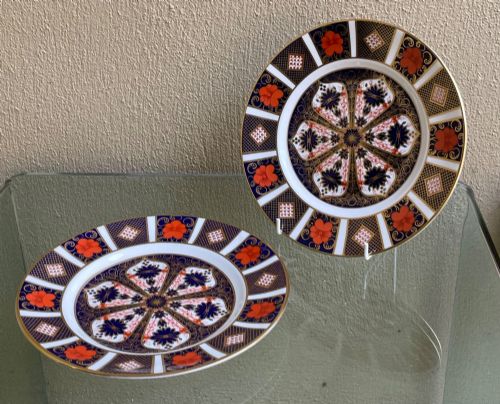
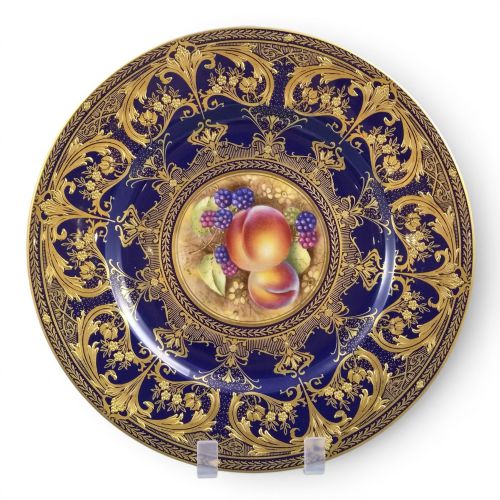
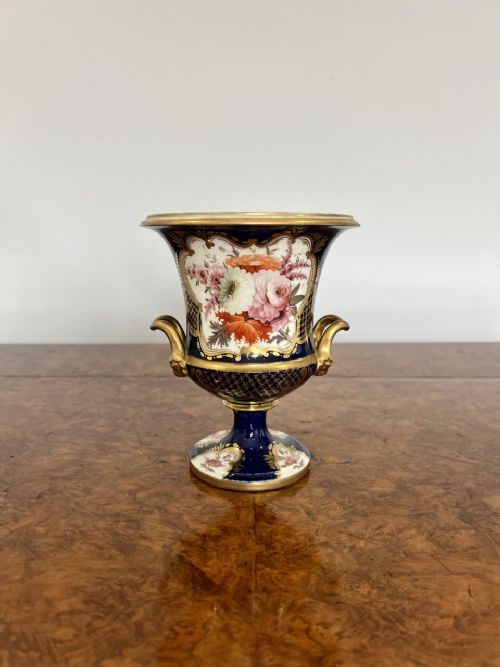
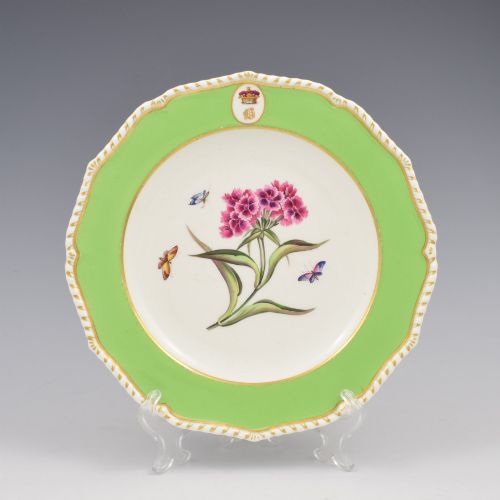
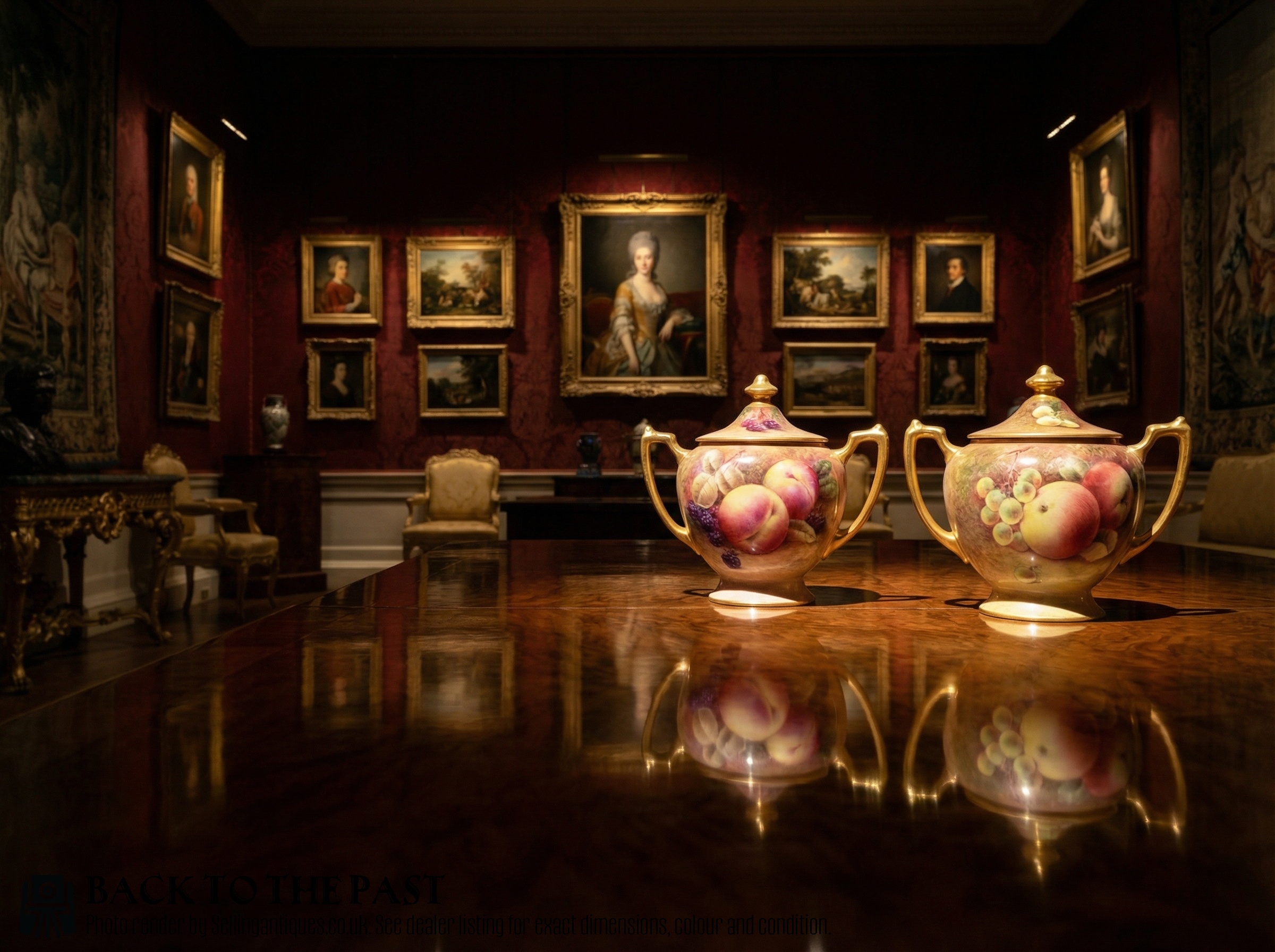
English fine bone china encompasses a range of decorative and functional items, from cabinet plates and vases to complete dinner and coffee services. These items span various eras including Regency, Victorian, and mid-twentieth-century periods, reflecting shifting aesthetic tastes across British manufacturing history.
How they were made
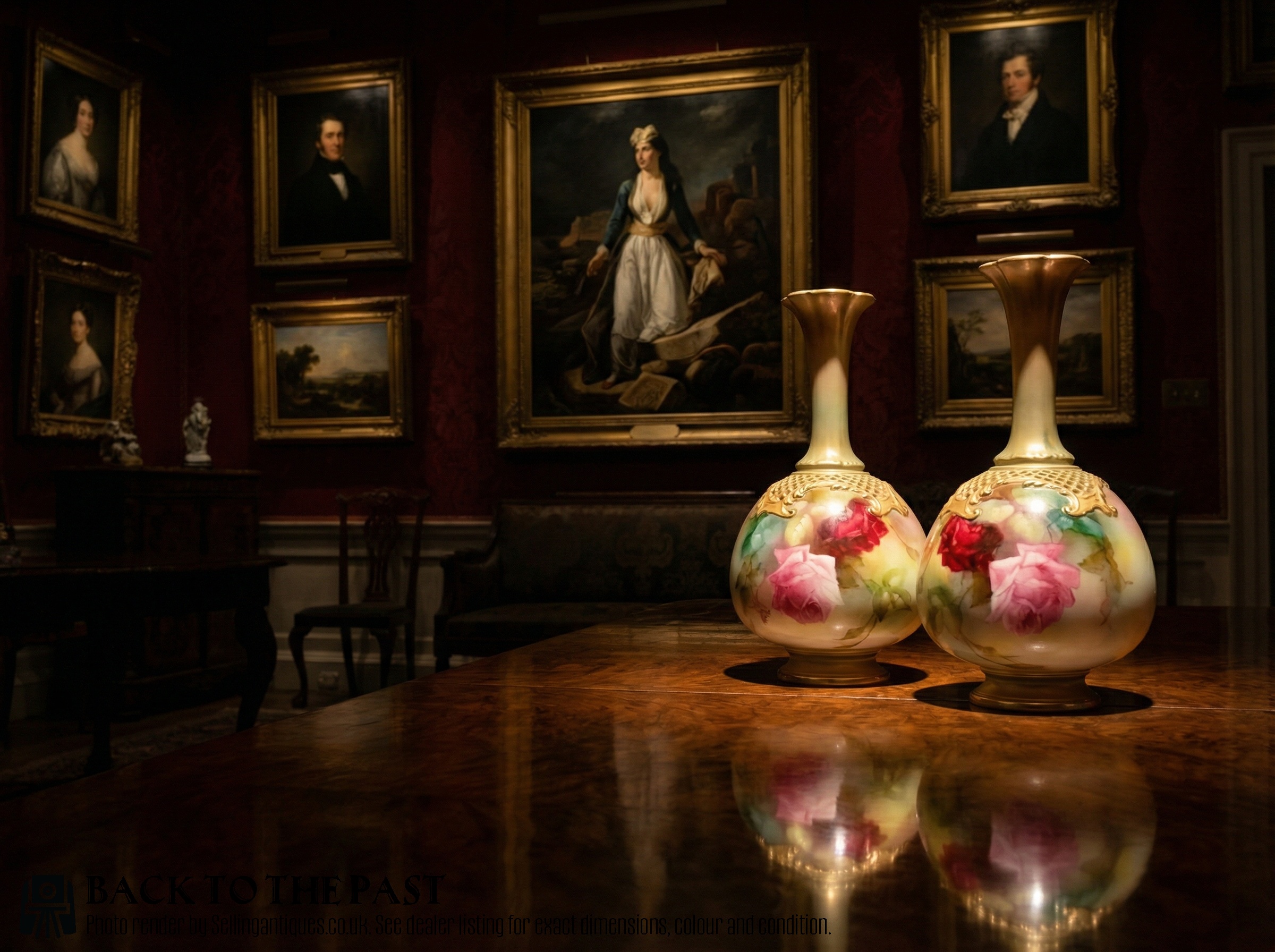
The manufacturing process integrates bone ash into traditional porcelain paste to achieve superior strength, whiteness, and a characteristic delicate translucency. Artisans then apply detailed hand-painted enamel decoration, frequently incorporating cobalt pigments and naturalistic subjects directly onto the glazed surface.
Gilding techniques complete the ornamentation, utilising gold leaf and rich gilt applications to highlight rims, handles, and borders. These metallic accents require careful firing in kilns to bond securely with the underlying bone china body.
English Fine Bone China Retail Price Guide 2026
Typical asking prices for english fine bone china among the pieces listed under this phrase on Sellingantiques today, from the lower quarter to the upper quarter. They describe what is for sale here now, not the wider market.
Periods represented span from the early nineteenth-century Regency era through Victorian times to mid-twentieth-century decades.
What varies in quality
The standard of painting distinguishes superior pieces from standard wares, particularly when executed by named artists known for botanical or fruit studies. Precision in brushwork, depth of enamel colour, and the finesse of the hand-applied gilding set exemplary cabinet plates and vases apart.
The crispness of the porcelain moulding and the preservation of the original gilt and enamel surfaces over time dictate overall desirability. Pieces retaining unrubbed gilding and vibrant, intact painted scenes represent the highest tier of historic craftsmanship.
Royal Crown Derby·Royal Worcester·Spode·Bloor Derby·Coalport·Chamberlain Worcester·Minton
The English Fine Bone China Glossary
- Bone china
- A type of porcelain incorporating animal bone ash, producing a durable, milky-white body with high translucency. This composition allows for thinner walled vessels without sacrificing structural integrity.
- Cabinet plate
- A decorative ceramic plate intended for display in a cabinet or on a wall rather than for dining use. These pieces often feature elaborate hand-painted scenes or armorial bearings.
- Armorial
- A design incorporating a coat of arms or heraldic insignia painted onto ceramic services. These commissioned pieces often record specific aristocratic or historic lineages.
- Gilding
- The application of gold leaf or powdered gold suspended in a medium to ceramic surfaces. It accentuates rims and decorative borders on fine tableware.
- Cobalt enamel
- A deep blue metallic oxide pigment used for underglaze or overglaze ceramic decoration. It withstands high firing temperatures while retaining rich colour intensity.
English Fine Bone China: Frequently Asked Questions
How do I identify early English bone china?
Early pieces often display specific paste characteristics, distinct glaze textures, and particular hand-painted motifs associated with nineteenth-century manufacturing centres like Worcester or Spode.
Examining the base for period-specific marks, pattern numbers, and the absence of modern backstamps helps determine the approximate production era.
Can I use antique bone china daily?
While durable, antique bone china requires careful handling, gentle washing by hand, and avoidance of sudden temperature changes to protect the historic glaze and delicate gilding.
Many collectors prefer to reserve hand-painted cabinet plates and decorative vessels for display rather than active dining use.
How should I clean painted porcelain?
Clean painted porcelain gently using warm water and a mild detergent, avoiding abrasive sponges that can scratch the delicate overglaze enamel or wear away the gilt borders.
Pat the pieces dry immediately with a soft cloth to prevent water spots on the vintage glaze.