


English Door Stop
An English door stop holds a room open while adding weight and character to an interior.
English Door Stop
An english door stop serves the practical purpose of holding a heavy door open while introducing sculptural form into a hallway or room. Buyers searching this phrase encounter substantial functional objects designed to withstand heavy daily use in period houses.
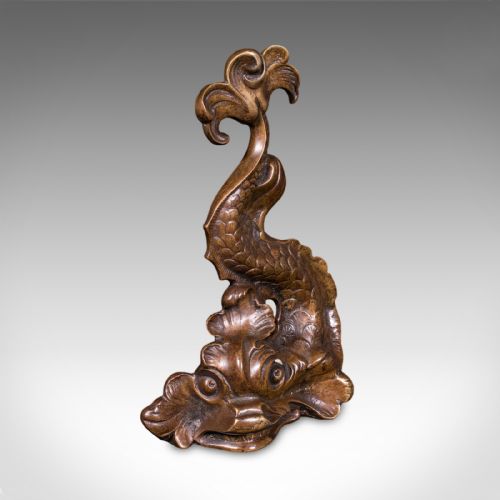
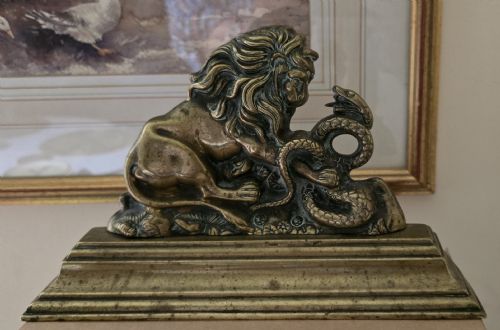
The pieces appearing on this page span the Georgian, Regency, Victorian, and Edwardian eras, reflecting the changing tastes of domestic interiors. Common forms include figural animals, heraldic emblems, and architectural motifs created to suit country houses and town residences alike.
Distinctions in quality
The definition and sharpness of the casting set superior examples apart from simpler utilitarian pieces. Fine chiselling work on brass surfaces and careful hand-painting on iron subjects indicate higher workshop standards.
Proportion and stance contribute to desirability, with well-balanced figures offering both visual appeal and practical stability. Pieces bearing maker signatures or registration marks demonstrate documented provenance that elevates their standing.
Listings feature cast iron, brass, bronze, and plaster materials across the Georgian, Victorian, and Edwardian periods.
Kenrick & Sons·William Tonks and Sons·EJ Riley
The English Door Stop Glossary
- Door porter
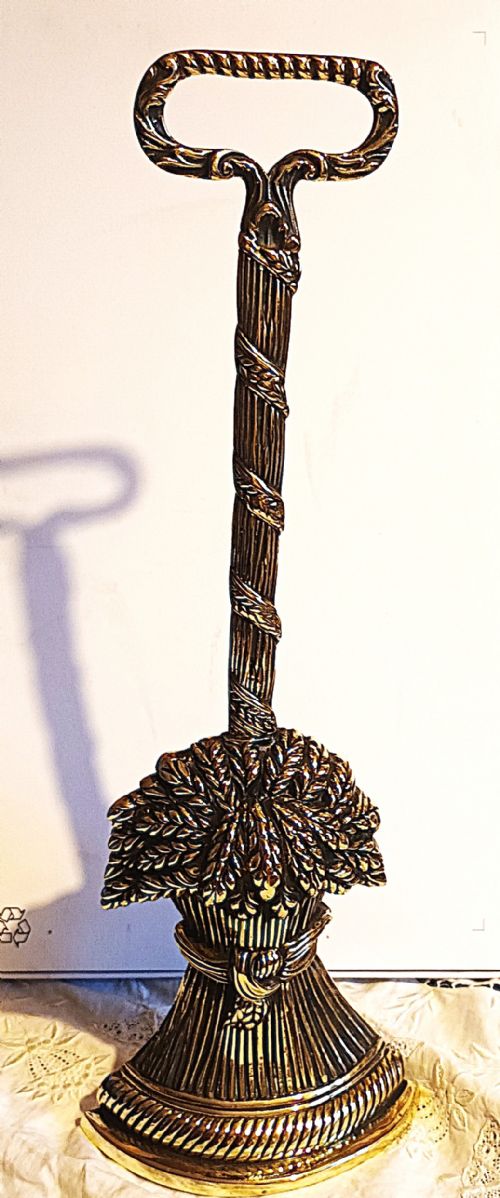
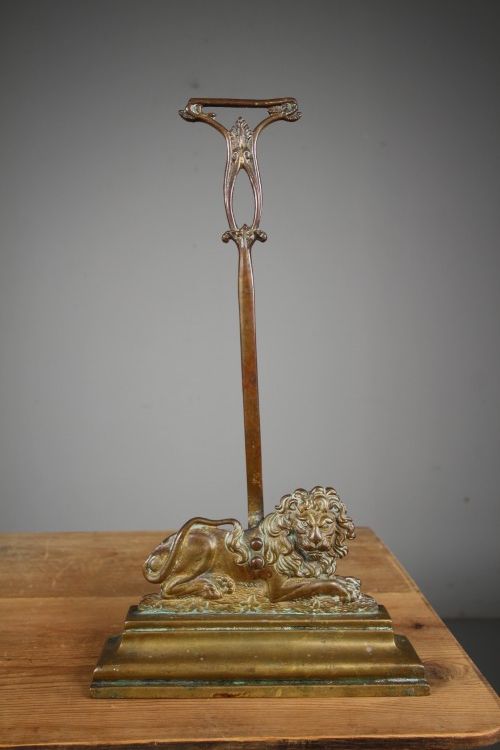
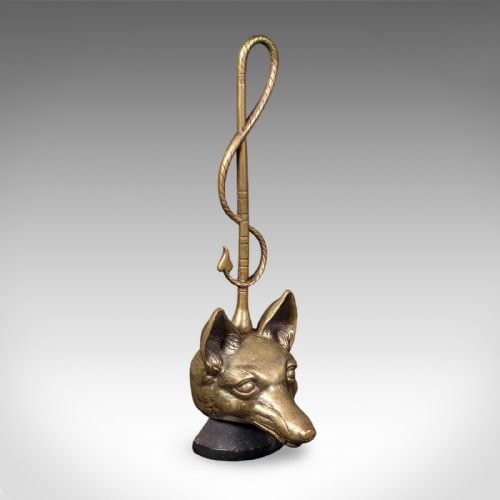
- A traditional heavy upright door stop featuring a handle at the top for easy movement. These tall brass or iron pieces sit against the door rather than sliding underneath.
- Cast brass
- Molten brass poured into a sand mould to create solid decorative shapes. This material develops a rich patina over decades of handling.
- Egyptian revival
- A design style inspired by archaeological discoveries in Egypt, featuring motifs such as sphinxes and pharaohs. This aesthetic influenced Regency and Victorian metalwork.
- Heraldic
- Incorporating coats of arms, crests, or symbolic animals such as lions and griffins. These designs reflect lineage and traditional English country house decor.
- Serpentine
- A curved, undulating shape often seen in the cast bases of heavy metal door stops. This contour adds stability and visual flow to the object.
English Door Stop: Frequently Asked Questions
What is an english door stop?
An english door stop is a heavy portable weight designed to hold interior doors open. They combine practical utility with decorative sculptural forms.
Traditional examples utilise dense metals or filled bases to prevent heavy timber doors from moving in draughty hallways.
How were they used historically?
Servants placed these heavy objects against doors to keep rooms ventilated or to ease movement between large reception spaces. Their substantial weight ensured they stayed firmly in place.
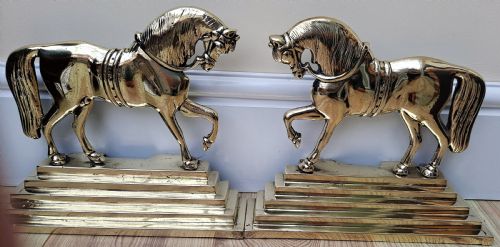
In country houses, specific rooms featured thematic stops, such as equestrian motifs for libraries or heraldic lions for grand entrances.
How do I live with one?
Place them directly against the base of a heavy door where air currents tend to cause slamming. Their solid construction requires minimal maintenance beyond occasional dusting.
Avoid dragging heavy iron or brass stops across delicate wooden floors to prevent scratching the surface finish.
How do I date an antique door stop?
Dating relies on stylistic clues, manufacturing techniques, and material composition. Georgian and Regency pieces often exhibit classical restraint or Egyptian revival motifs.
Victorian and Edwardian examples introduce varied animal subjects, registry marks, and distinct foundry stamps that help pinpoint their origin.