



Victorian Door Keeper
These Victorian door keeper pieces are heavy cast iron and brass weights or substantial pine cupboards designed to hold rooms in order.
Victorian Door Keeper
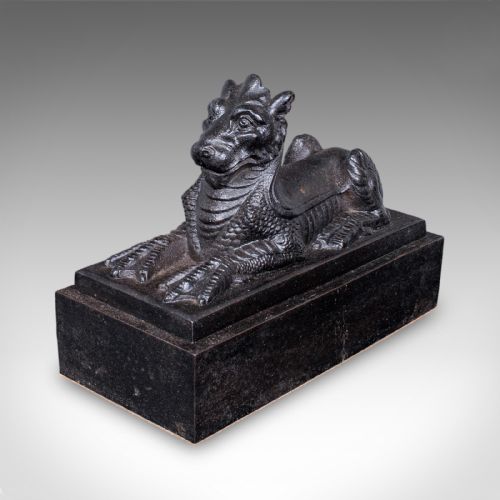
When you search for a victorian door keeper, you encounter two distinct forms designed for period interiors: heavy figural doorstops and large utility cupboards. The doorstops appear frequently as lions, dogs, knights, and agricultural figures cast in iron or brass.
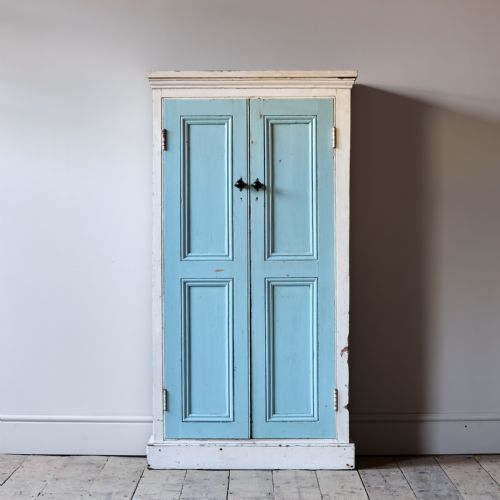
The cupboard variety represents a larger household form, constructed from painted pine and built for practical storage. Both manifestations reflect the functional demands of nineteenth-century domestic life.
The selection ranges from robust English cast iron door sentries to Scottish country house pieces and occasional continental bronze items. Each object serves a distinct spatial purpose within the traditional interior.
How they were made
The metal items rely on traditional casting techniques using iron, cast iron, brass, steel, and bronze. Molten metal poured into moulds produced the dense, weighty forms necessary to hold heavy doors open.
Wooden furniture pieces utilise sturdy pine construction, frequently featuring turned elements and dry scraped surfaces that reveal original paint layers. Craftsmanship prioritised durability and structural integrity over delicate ornamentation.
Victorian Door Keeper Retail Price Guide 2026
Typical asking prices for victorian door keeper among the pieces listed under this phrase on Sellingantiques today, from the lower quarter to the upper quarter. They describe what is for sale here now, not the wider market.
Border collie doorstops keep eternal vigil on the floor, requiring neither walks nor feeding.
What varies in quality
Cupboards vary according to the survival of original timber and uncompromised structural proportions. Pieces retaining authentic dry scraped paint surfaces command greater interest from collectors.
The Victorian Door Keeper Glossary
- Doorstop
- A heavy portable weight placed against a door to keep it open. These take sculptural forms such as lions, dogs, and human figures.
- Housekeepers Cupboard
- A large storage cabinet utilised in domestic service for linens or provisions. They feature sturdy pine construction with two doors.
- Cast Iron
- An iron-carbon alloy poured into a mould to create solid decorative objects. It provides the essential weight required for functional door porters.
- Dry Scraped
- A conservation technique removing later paint layers to expose the original finish beneath. This process uncovers the authentic early coloration of wooden furniture.
- Gothic Revival
- An architectural and decorative style drawing inspiration from medieval design. This aesthetic influences the ornamentation of selected ironwork.
Victorian Door Keeper: Frequently Asked Questions
What is a door keeper?
A door keeper is a heavy decorative weight or a utility cupboard from the nineteenth century. These objects served practical domestic functions in period houses.
Metal examples held heavy doors in place against drafts, while large pine cupboards stored household stores and linens.
How heavy are they?
Metal door stops and porters possess considerable weight cast from iron, brass, or bronze. This density ensures they function effectively as doorstops.
Pine cupboards require two people to move due to their solid timber construction and large dimensions.
Where were they used?
Door keepers were positioned in hallways, drawing rooms, and country house interiors where controlling airflow was necessary. Large cupboards stood in service quarters and larders.
Their robust construction suited the heavy daily traffic of Victorian households.
Are they made of iron or brass?
Both metals appear frequently across the available selection of figural doorstops and hardware. Iron and cast iron provide heavy utility, whilst brass offers a brighter decorative finish.
Selected items also incorporate bronze or steel elements depending on the specific design.
What styles are common?
Victorian and Victorian Gothic Revival predominate alongside vernacular country pieces. Decorative themes include heraldic animals, sporting motifs, and figural sentries.
Art Nouveau examples appear in later hardware items from around nineteen hundred.