


English Countryside Landscape Painting
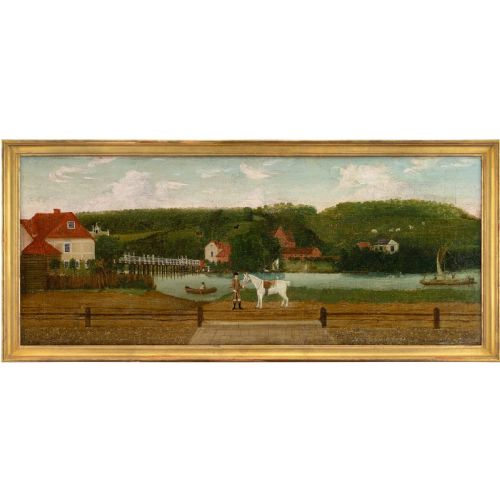
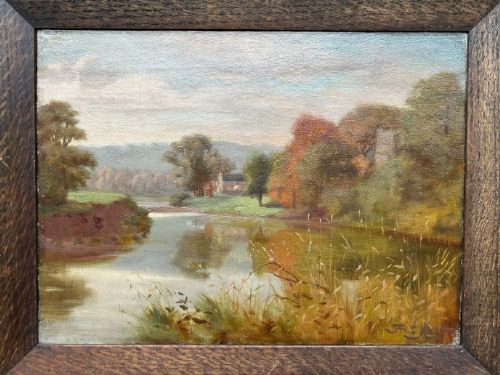
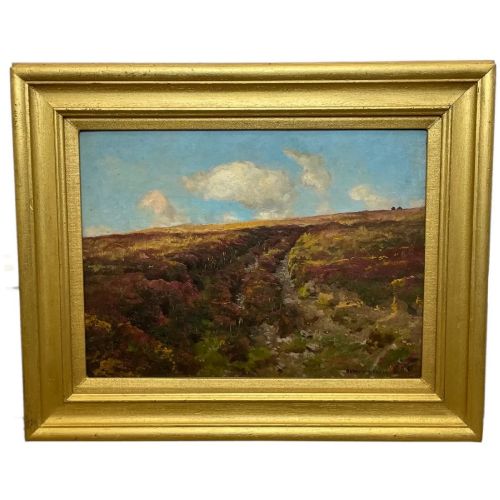
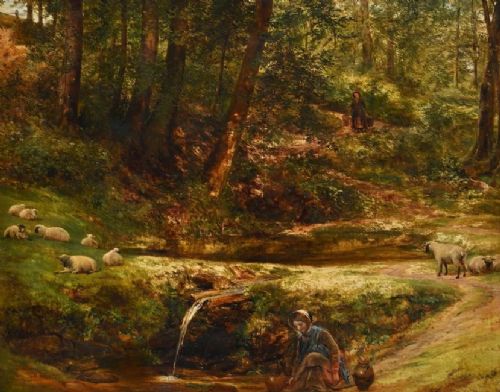
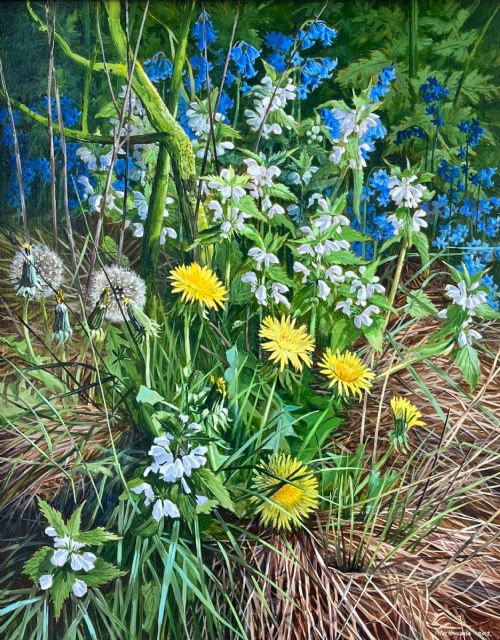
An English countryside landscape painting brings the pastoral calm of rural valleys and riverbanks directly onto the interior wall.
English Countryside Landscape Painting
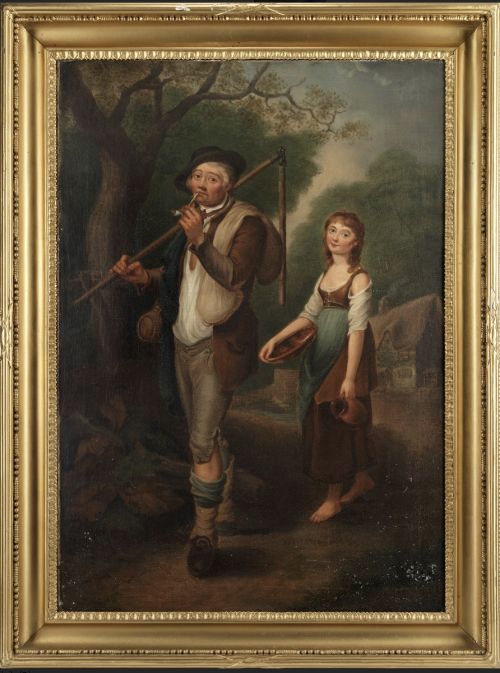
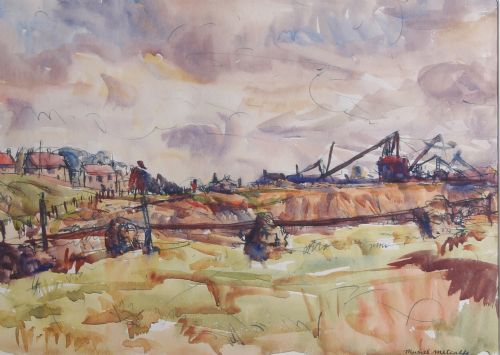
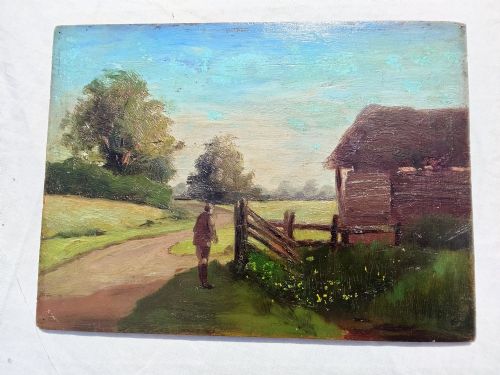
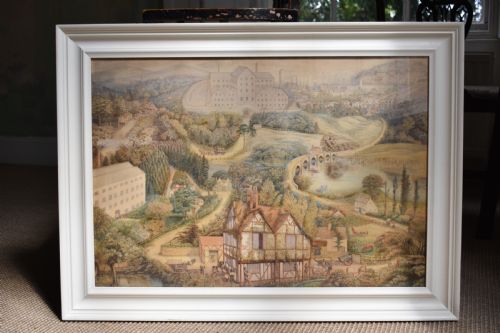
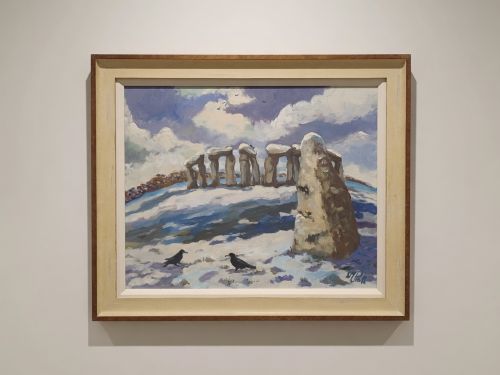
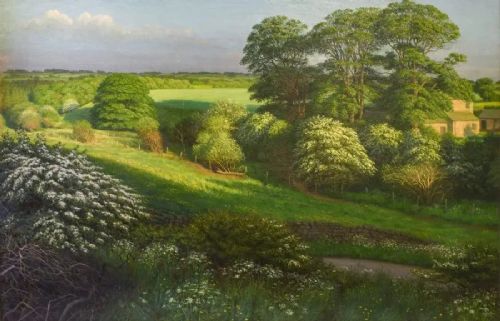
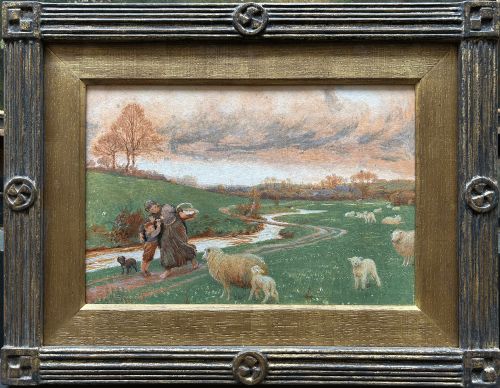
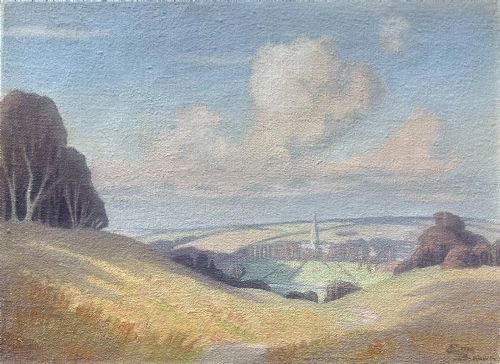
An English countryside landscape painting captures rural scenes from the nineteenth and twentieth centuries, depicting rivers, cottages, farms, and livestock across various counties. Buyers encounter works ranging from Victorian pastoral watercolours to early twentieth-century oil paintings on canvas, panel, or board.
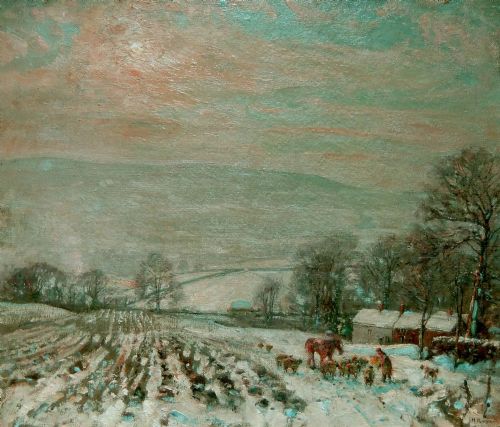
These framed artworks span movements such as British Impressionism, Naturalism, and Modern British painting. They record changing regional light and rural architecture from periods including the Edwardian era and the interwar years.
Materials and Technique
Artists painted these rural scenes using oil or watercolour applied to canvas, paper, wood panels, or wooden boards. Oil pigments provided rich texture and depth, particularly on canvas or panel supports, while watercolours achieved delicate transparencies on paper.
Many works incorporate impasto technique for tactile highlights, paired with traditional framing in wood or gilded wood. Glazing frequently protected works on paper from environmental damage.
Artists frequently painted sheep because the animals stayed still longer than the farmers.
Quality Variations
Quality rests upon the artist's ability to capture atmospheric light and natural topography with brushwork conviction. Superior examples demonstrate confident handling of composition, colour harmony, and spatial depth, whereas weaker pieces rely on formulaic repetition.
The distinction also lies in the preservation of the original medium, where stable paint layers, minimal surface cracking, and authentic period framing elevate the standing of the piece.
George Graham·Frederick Marriott·Arthur Wardle·Herbert Royle·David Bates·Muriel Metcalfe·Lucy Pratt·Raymond Booth·Frederick Walker·Eric Brown·Richard Redgrave·Peter Newcombe·George Oyston·Russell Sidney Reeves·Florence Adelina Hess·John Horace Hooper·Hubert Wellington·Alfred George Morgan·Edgar Woollatt·Joseph Edward Hennah·Charles Walter Simpson·Charles Gregory·Helen Layfield Bradley·Henry Charles Fox·Cuthbert Crossley
The English Countryside Landscape Painting Glossary
- Impasto
- Paint applied thickly to a canvas or panel, standing out in relief from the surface. This technique creates physical texture that catches the light and adds dimension to foliage, water, or sky.
- British Impressionism
- A late nineteenth and early twentieth-century painting style focusing on everyday subjects and natural light. Artists working in this manner used loose brushstrokes to capture fleeting atmospheric conditions.
- Watercolour
- A paint consisting of pigment suspended in a water-based solution, typically applied to paper. It allows for luminous, translucent washes that define skies and water.
- English School
- A designation for works produced by British artists sharing stylistic traits without belonging to a formal academy. It often describes unsigned or regionally focused historic paintings.
English Countryside Landscape Painting: Frequently Asked Questions
What periods do these paintings cover?
The available artworks span from the nineteenth century through the mid-twentieth century, capturing Victorian, Edwardian, and interwar periods.
Most pieces date from the late 1800s to the 1950s, reflecting changing British artistic styles over several generations.
How should I hang an antique landscape?
Hang paintings at eye level on walls away from direct sunlight to protect pigments from fading over time.
Ensure the room maintains stable humidity levels to preserve canvas, wood panels, and historic wooden frames.
Are watercolours as durable as oils?
Watercolours painted on paper require protective glass framing and shielding from bright light to prevent fading.
Oil paintings on canvas or wood boards offer greater resilience but still benefit from stable indoor environments.
How do I identify the English School?
The term denotes historic British paintings where the specific artist remains unrecorded or falls under a regional tradition.
These works are identified by period materials, typical subjects like cottages or rivers, and regional British aesthetics.