
English Country Wall Art
English country wall art captures the quiet character of rural life through paintings, prints, and needlework from past centuries.
Identifying English Country Wall Art
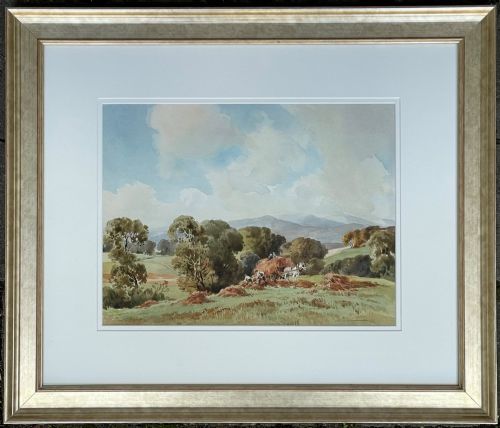
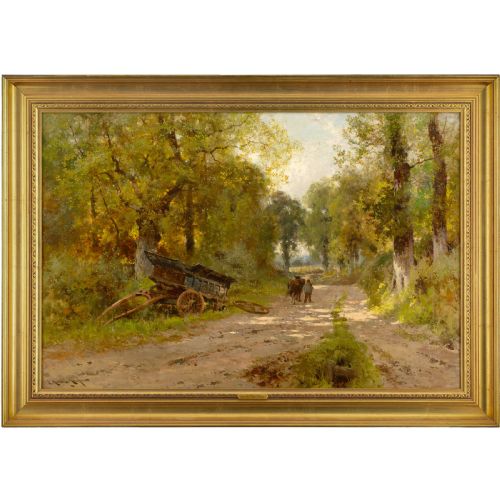
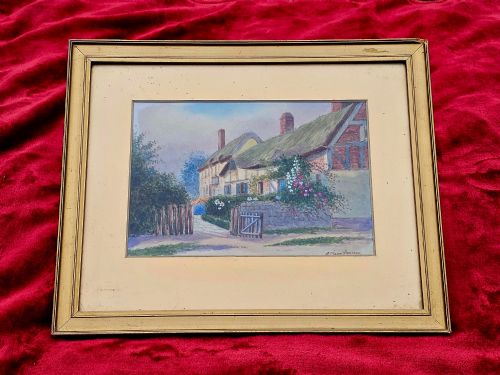
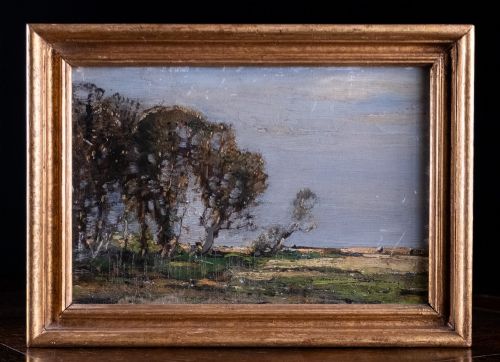
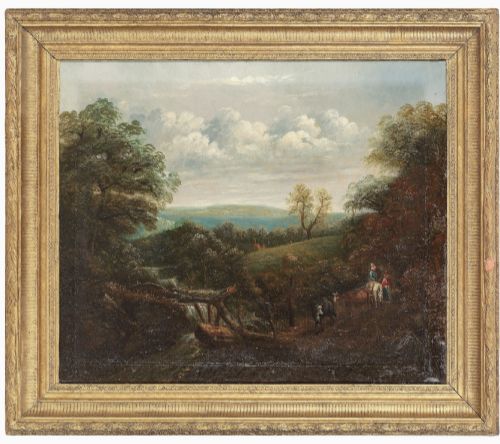
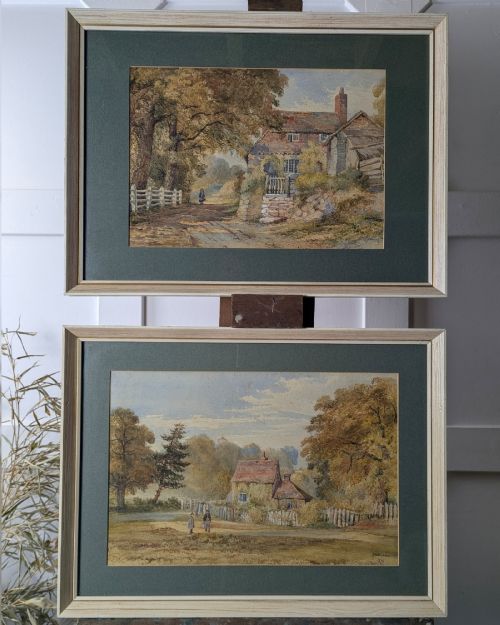
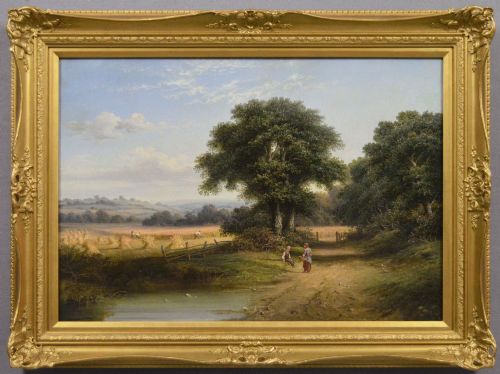
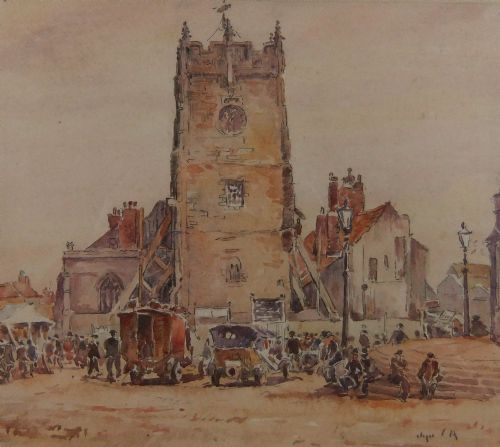
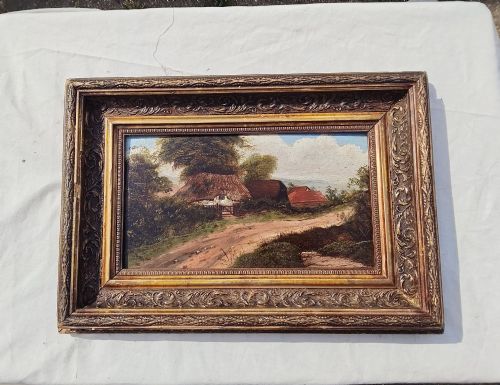
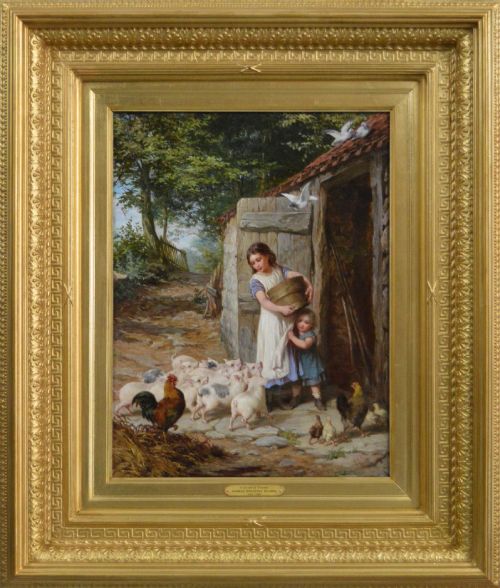
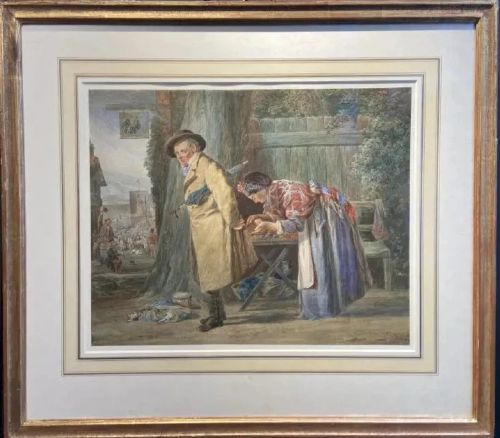
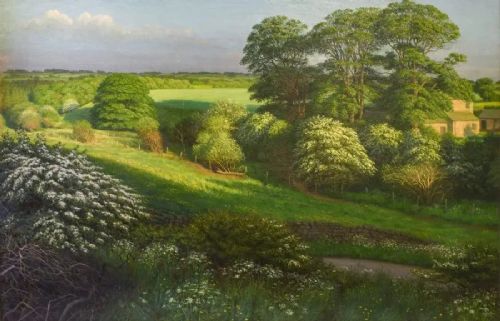
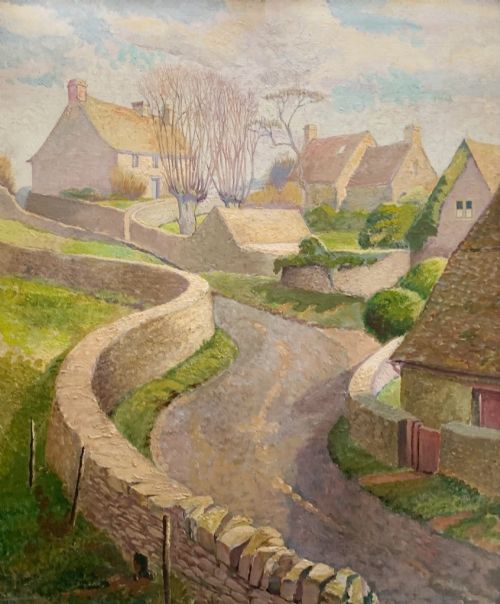
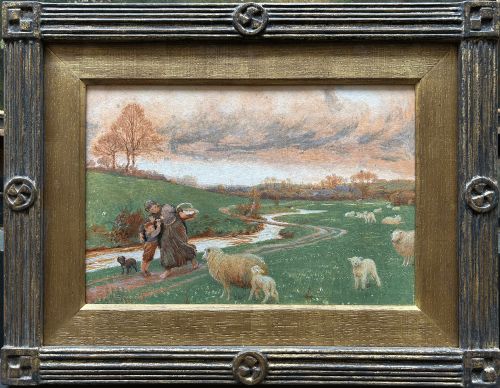
English country wall art comprises traditional paintings, watercolours, prints, and needlework pictures that depict rural scenes, farms, and local landscapes. These pieces reflect the artistic interests of the Georgian, Victorian, Edwardian, and early twentieth-century periods.
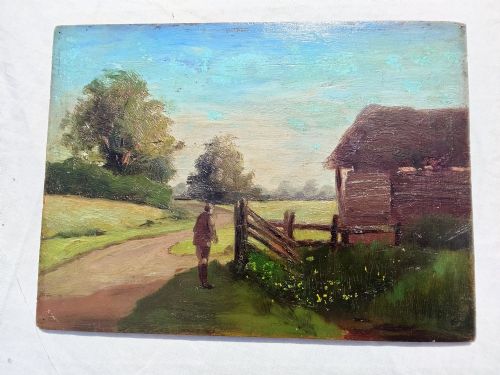
Buyers frequently encounter works showing farmyards, coastal cliffs, rivers, and floral studies framed in wood or gold leaf. The selection ranges from detailed nineteenth-century needlework to signed twentieth-century oil paintings on board.
Each item offers a direct window into the British countryside as recorded by regional artists and makers over the decades.
Materials and Techniques
Makers utilised traditional mediums such as oil paint on canvas and board, delicate watercolour on paper, and hand-painted silk combined with needlework. Frames incorporate wood and gold leaf to house these paper, canvas, and textile works.
Artists applied paint with careful brushwork to capture natural light in landscapes, farm views, and botanical subjects like birds' nests and primroses.
Retail Price Guide 2026
Typical UK retail prices for english country wall art, calculated from the Sellingantiques database of over a million retail prices indexed since 2003. This retail price guide relies exclusively on Sellingantiques data; no external sources or auction records are used, so the figures do not describe the wider market.
Listings feature paper, wood, gold leaf, glass, watercolour, oil on canvas, silk, and oil paint across several historic periods.
Assessing Quality and Execution
Quality rests upon the artist's ability to render light, texture, and anatomical detail within landscapes and animal studies. Finer works display confident brushwork and secure framing that preserves the original paper, canvas, or silk.
The choice of subject matter and the clarity of the composition distinguish standard decorative pieces from accomplished works by named painters.
William JB Jenkins·William Manners·J Harrison·W A Clark·William Sidney Cooper·John Sherrin
The English Country Wall Art Glossary
- Watercolour
- A painting method where fine pigment is suspended in water-based solution on paper. This medium suits delicate rural views and botanical studies.
- Oil on Canvas
- Pigment mixed with drying oil applied to a stretched canvas support. This technique provides rich colour depth for landscapes.
- Needlework
- Decorative sewing executed with thread on a textile ground. Victorian examples often combine stitchery with hand-painted silk pictures.
- Gold Leaf
- Extremely thin gold beaten into sheets and applied to wooden frames. It adds a reflective border to traditional artwork.
- Georgian
- The design period spanning the reigns of the first four Georges. Pieces from this era often display classical restraint and fine craftsmanship.
Frequently Asked Questions
What subjects appear in this art?
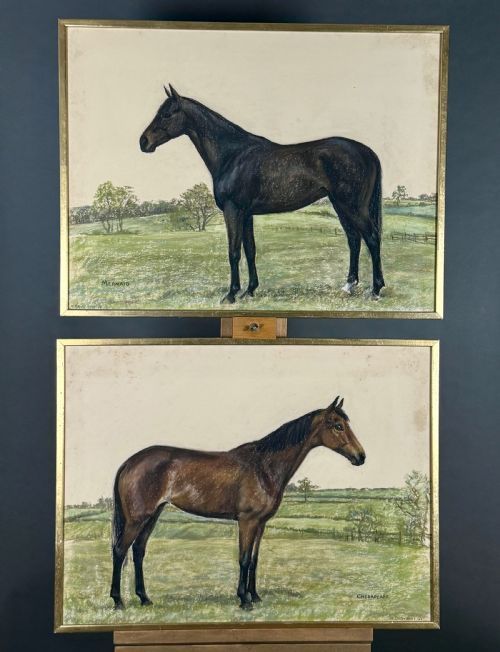
The artworks primarily show rural English scenes, including Yorkshire farmyards, Somerset farm views, and coastal clifftops near Kent. Botanical studies and animal paintings also feature prominently.
These subjects reflect a deep nineteenth and early twentieth-century artistic interest in the domestic landscape and local nature.
How are these pieces framed?
Many examples retain traditional wooden frames, sometimes accented with gold leaf to complement the painting or print within. Original framing helps preserve paper, silk, and canvas works.
Buyers should examine the frame construction alongside the artwork itself to ensure both remain stable.
How do I date an artwork?
Dating relies on recorded signatures, dated inscriptions, stylistic markers from Georgian, Victorian, or Edwardian periods, and the physical materials used. Needlework and silk pieces often point to early nineteenth-century origins.
Comparing the artist's recorded active period provides further chronological context.
Where should I hang these pieces?
These works suit traditional interiors, studies, or living rooms where rural landscapes and botanical watercolours can be viewed closely. Keeping them away from direct sunlight protects watercolours and silk from fading.
Displaying them at eye level allows the detail of the brushwork or needlework to be appreciated fully.