








English Country Pine Sideboard
These English country pine sideboards bring honest utility and character to a room, built from solid timber to last generations.
English Country Pine Sideboard
When you search for an English country pine sideboard, you encounter robust storage pieces designed for practical domestic use rather than formal display. The selection spans sturdy dresser bases, painted servers, and large housekeepers cupboards originating from rural homesteads and country houses.
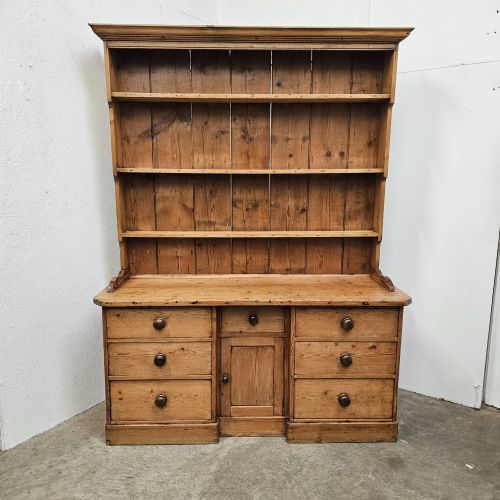
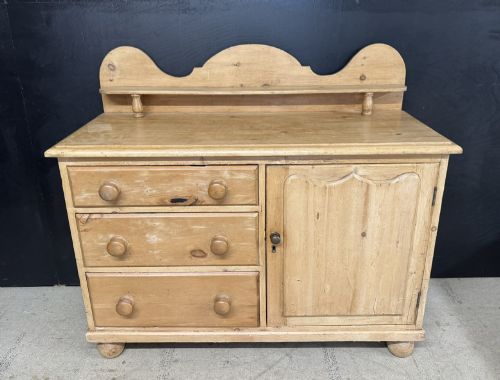
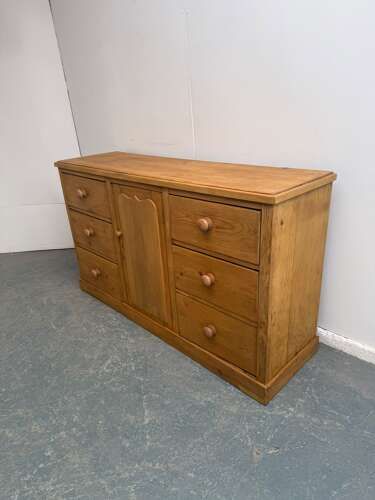
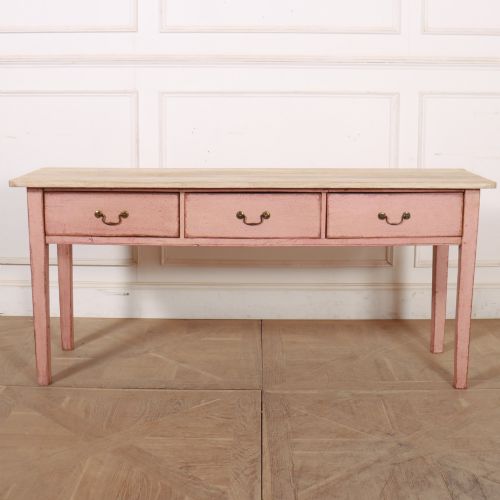
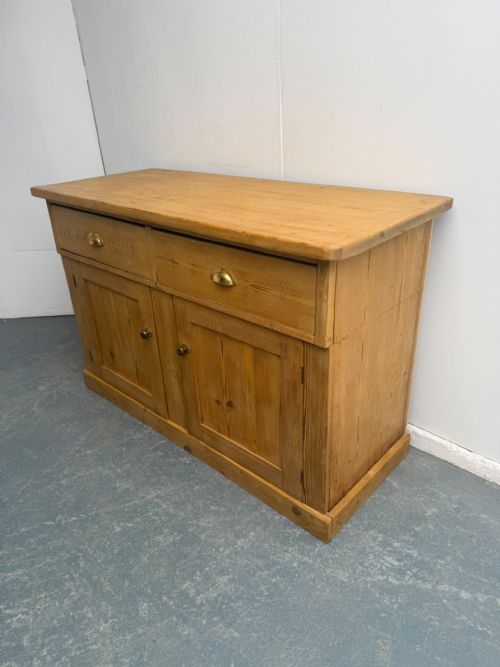
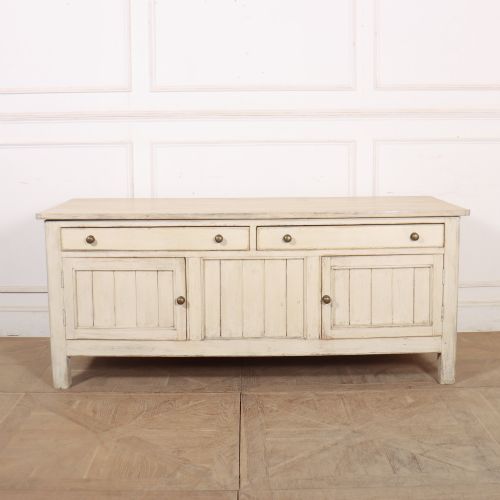
The version you are most likely to meet on this page is the nineteenth-century pine dresser base or painted buffet. These lower storage units typically feature a combination of drawers and cupboards, constructed to hold kitchenware, linen, or provisions in a traditional farmhouse setting.
Materials and Construction
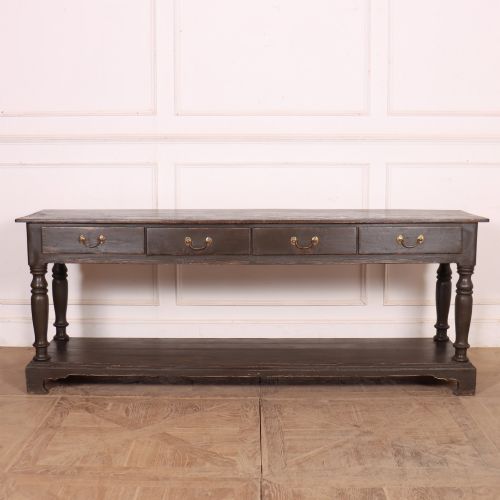
Makers relied on solid pine and painted timber for the primary structure, utilising local woods that were readily available and straightforward to work. Brass fittings and metal hardware appeared on doors and drawer pulls, while glass elements featured in related storage pieces.
Surfaces received either a natural waxed finish to highlight the grain or coats of paint that aged with use. Potboard bases incorporated open lower shelves for storing heavy items, reflecting the practical demands of historic kitchens.
English Country Pine Sideboard Retail Price Guide 2026
Typical asking prices for english country pine sideboard among the pieces listed under this phrase on Sellingantiques today, from the lower quarter to the upper quarter. They describe what is for sale here now, not the wider market.
Some potboard bases still carry the faint impressions of heavy iron pots left behind by generations of busy housekeepers.
Assessing Quality and Character
Construction methods determine durability, with superior pieces showing careful joinery in the drawers and frame. The integrity of the timber and the honesty of the wear separate standard utility items from finer examples.
Original painted surfaces hold distinct appeal compared to stripped or modernly finished timber. The depth of the patina and the consistency of the proportions guide the standing of each piece.
The English Country Pine Sideboard Glossary
- Dresser base
- A lower storage unit featuring drawers and cupboards, historically used in kitchens for food preparation and storage. It forms the foundation of many dining and living spaces.
- Potboard
- An open lower shelf built into a dresser base, designed to hold pots, pans, and heavy kitchen utensils. This feature provides sturdy, accessible storage close to the floor.
- Chiffonier
- A compact sideboard or low cabinet equipped with drawers and doors, popular in the Victorian period. It offers enclosed storage suited to smaller rooms.
- Housekeepers cupboard
- A large storage cabinet utilised for linens, dry goods, and household supplies. These substantial pieces anchor historic domestic interiors.
- Waxed pine
- Timber treated with natural wax to protect the surface while maintaining a soft sheen. This finish emphasises the natural knots and grain of the wood.
English Country Pine Sideboard: Frequently Asked Questions
What is a dresser base?
A dresser base is a low kitchen or dining cabinet featuring a flat top surface above rows of drawers and enclosed cupboards. These practical units served as workspaces and storage for everyday utensils in country houses.
They sit lower than full dressers because they lack the upper plate racks. This proportion makes them versatile for use as sideboards in modern dining rooms and living spaces.
How do I date an antique pine piece?
Dating relies on construction details, timber characteristics, and hardware styles found across the piece. Eighteenth-century examples often display hand-cut joinery and heavy timber scantlings, whereas nineteenth-century pieces may incorporate machine-sawn elements.
Surface finishes also provide clues, as original paint layers and historic wax build-up accumulate over generations of use. Comparing the form to documented regional styles helps narrow the period of origin.
Are painted finishes original?
Many pieces feature historic paint layers applied during their working lives in country houses and farmhouses. These surfaces often show characteristic wear, minor chips, and softening around the handles.
Determining whether paint is original requires examining the integration of the pigment into the grain and the presence of underlying historic layers. Original paint adds significant character and documents the working history of the furniture.
How should I care for waxed pine?
Waxed pine benefits from occasional applications of quality beeswax to nourish the timber and maintain its protective barrier. Regular dusting with a soft, dry cloth prevents the accumulation of dirt in the grain.
Keep these pieces away from direct heat sources and strong sunlight to prevent the timber from drying out or warping. Spills should be wiped away promptly to protect the wax finish.