
English Country Oil Painting
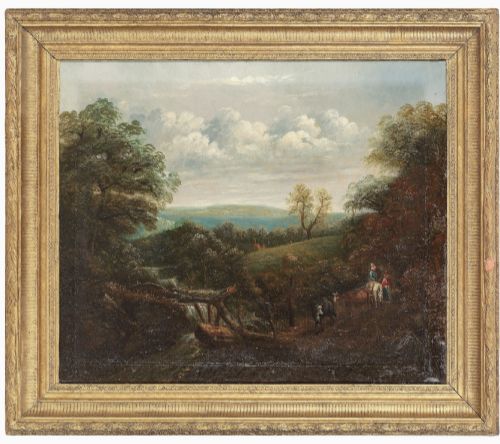
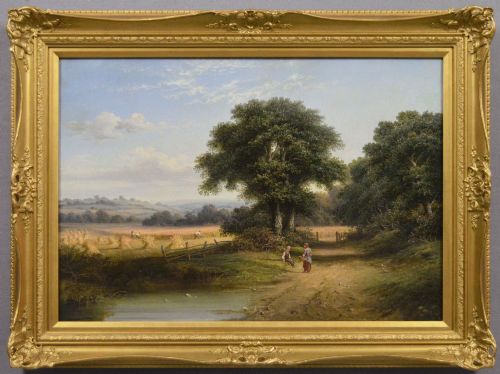
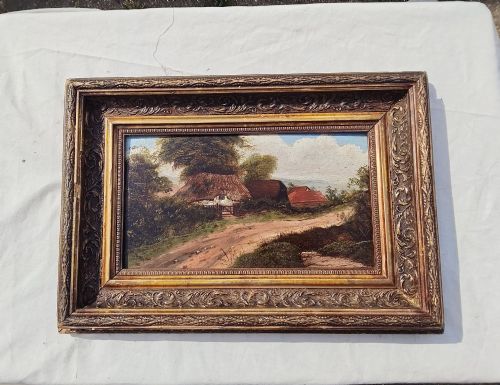
An english country oil painting brings rural life into a room through pigment and canvas, capturing quiet fields, old cottages, and farmyard animals.
The Character of the Canvas
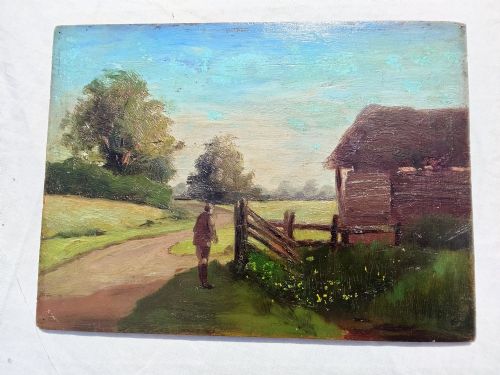
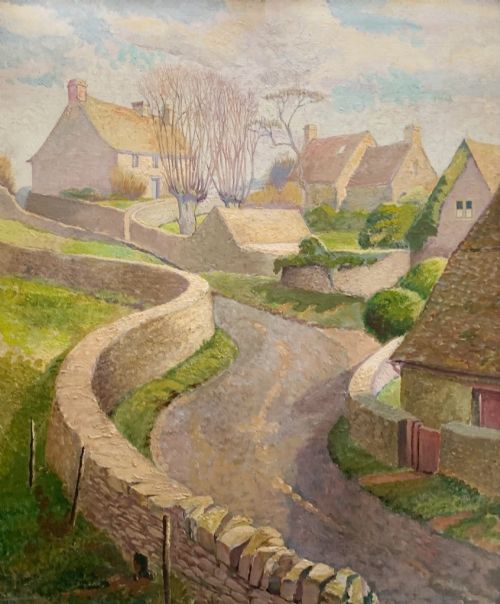
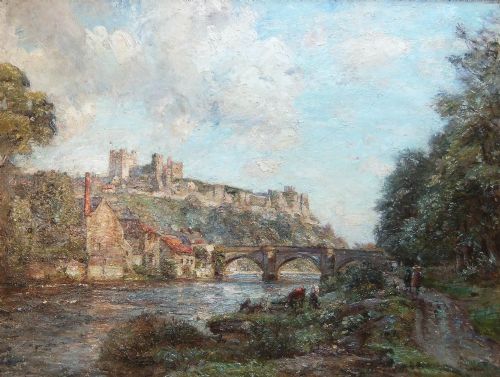
An english country oil painting records the rural landscape, quiet farmsteads, and agrarian labour across changing seasons. These works span from the eighteenth century through the mid-twentieth century, shifting in tone from genre realism to impressionist light.
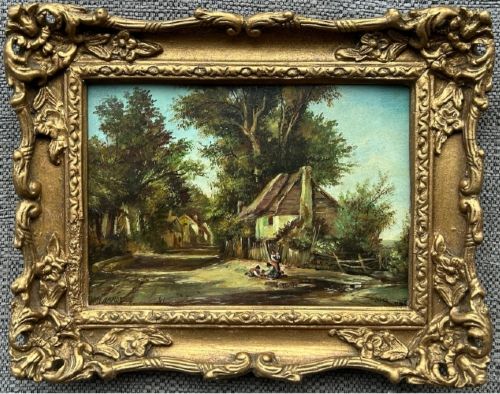
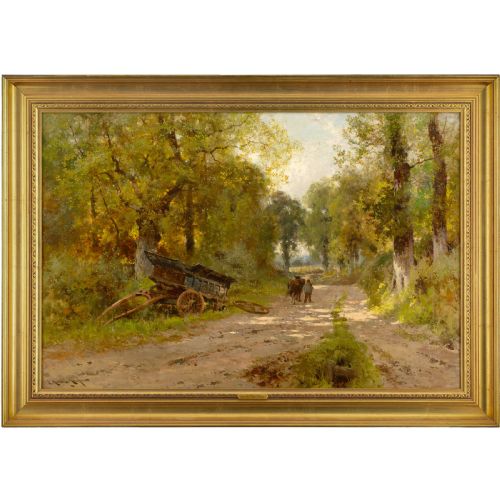
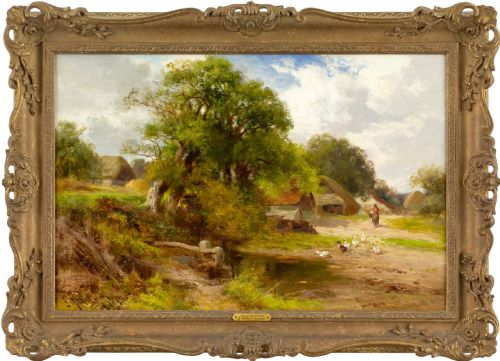
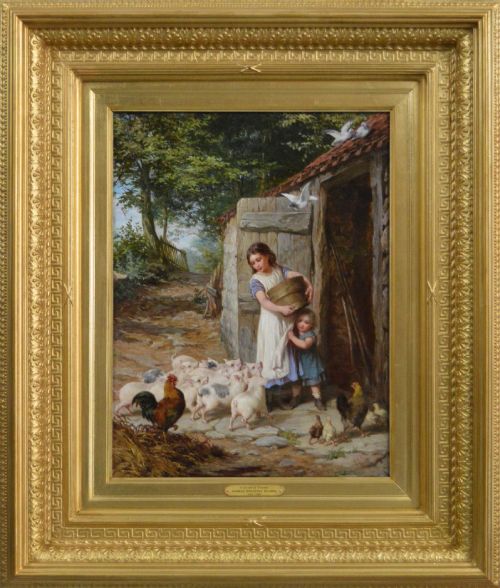
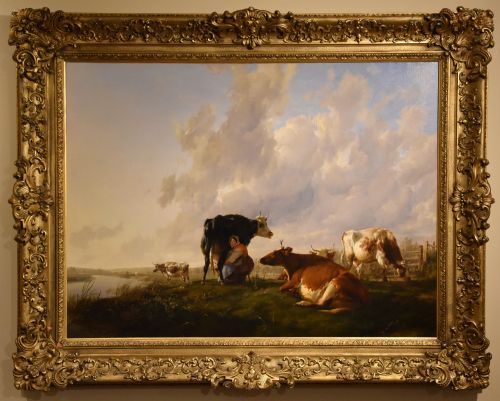
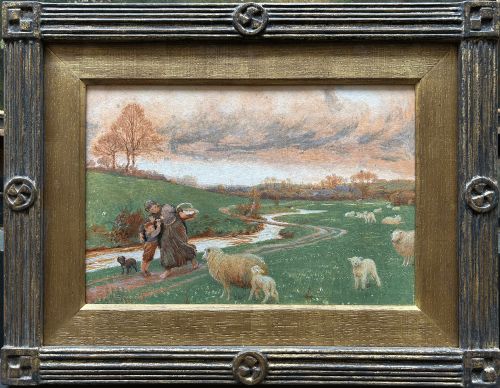
The subjects on this page centre on farmyard scenes, cottages, rivers, and livestock rather than grand historical narratives. A buyer encounters horses being unyoked, haymakers at work, and ducks resting by a lane.
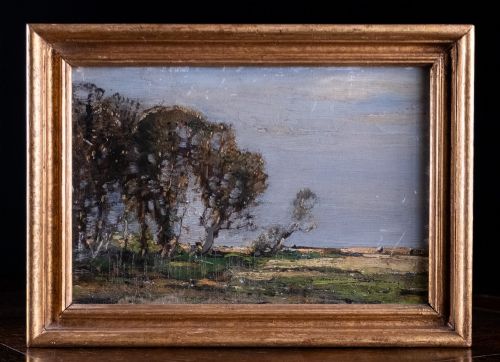
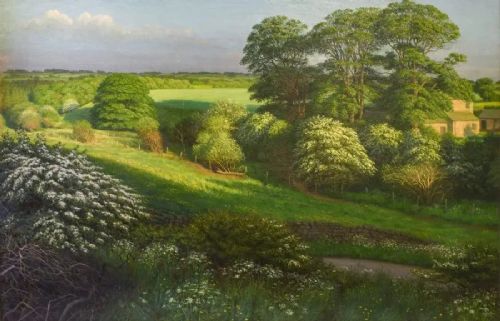
Most pieces utilise canvas, wood panel, board, or card as a base, housed within decorative gilt wood frames adorned with gesso and gold leaf. The palette moves from rich autumnal tones to the muted greens and browns of the British countryside.
Materials and Method
Painters applied oil pigments to stretched canvas, mahogany panels, or wooden boards, building up texture with brushwork and knife application. The slow drying time of oil allowed artists to blend tones and achieve atmospheric depth in skies and foliage.
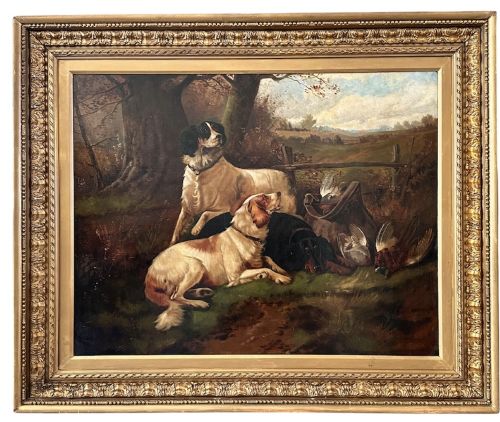
Many works survive in their original gilt wood frames, constructed with carved gesso details and gold leaf application. The backing materials range from simple card and wood panels to heavy linen canvas attached to older boards.
Retail Price Guide 2026
Typical UK retail prices for english country oil painting, calculated from the Sellingantiques database of over a million retail prices indexed since 2003. This retail price guide relies exclusively on Sellingantiques data; no external sources or auction records are used, so the figures do not describe the wider market.
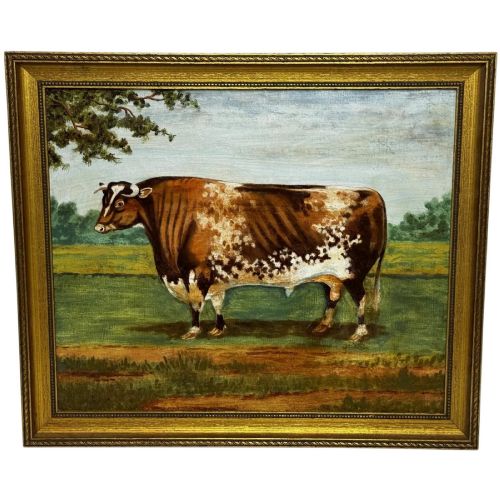
Farmyard ducks, inquisitive pigs, and heavy shire horses populate these canvases, proving rural artists loved a noisy stable.
Assessing the Work
The distinction between standard provincial pieces and finer works rests upon the handling of light, anatomical accuracy in animal subjects, and the subtlety of brushwork. A master hand captures the specific weight of shire horses or the transient light of a Yorkshire haytime with confidence.
Framing plays a role in the preservation and presentation of these paintings, with original period gilt frames carrying distinct craftsmanship that complements the canvas. The integrity of the ground layer and the absence of heavy overpainting also separate well-preserved examples from compromised ones.
Herbert Royle·Harry Freckleton·Edgar Hunt·W E Millner·Owen Bowen·Percy Hipkiss·J Bell·A Sefton·William Burns·Robert Weir Allan·Georgina Lara·John Bowes·Edward Adveno Brooke·Francis Wheatley·E L Musgrave·Edmund Bristow·William Shayer·J T Meggeson·Amy Antill·Charles Morris·A Bossi·Henry Charles Woollett·Kershaw Schofield·Samuel Dean·Joseph Thors
The English Country Oil Painting Glossary
- Gesso
- A plaster-like mixture applied to wooden frames before gilding, providing a smooth base for gold leaf. It is frequently moulded into decorative patterns along the corners and edges.
- Genre Realism
- A style depicting scenes from everyday life, such as farm work and cottage interiors, without idealisation. Artists working in this mode focused on believable human and animal activity.
- British Impressionism
- A painting approach focusing on natural light, loose brushwork, and plein-air observation. This style emerged in late nineteenth and early twentieth-century British art.
- Animalier
- Art focusing on the realistic portrayal of animals, particularly horses, cattle, and farmyard poultry. Painters in this tradition studied anatomy closely.
- Gold Leaf
- Hammered gold beaten into extremely thin sheets, used to gild wooden frames. It provides a warm, reflective border to the oil painting within.
Frequently Asked Questions
What periods do these paintings date from?
The available selection spans from the late eighteenth century through the mid-twentieth century. Most examples cluster within the nineteenth and early twentieth centuries.
Artists during these eras captured traditional rural practices and landscapes before widespread mechanisation altered the countryside. Each era reflects shifting attitudes toward pastoral life and naturalism.
Are original frames included?
Many listings specify whether the piece retains its original gilt wood frame, often featuring period gesso ornamentation. These frames were designed specifically to complement the depth of the oil painting.
Replacing a frame requires care to match the period style and scale of the canvas. Surviving original frames add significantly to the historical integrity of the artwork.
How do I identify a naive school painting?
Naive works often display a charming disregard for formal perspective, paired with a direct and honest approach to everyday subjects. Figures and animals may appear slightly out of proportion yet full of local character.
These pieces typically originate from provincial schools or self-taught artists recording local cottages, farmsteads, and village life without academic strictures.