






English Country Occasional Table
An English country occasional table brings practical utility and honest domestic character to a room, forged from sturdy native timbers.
English Country Occasional Table
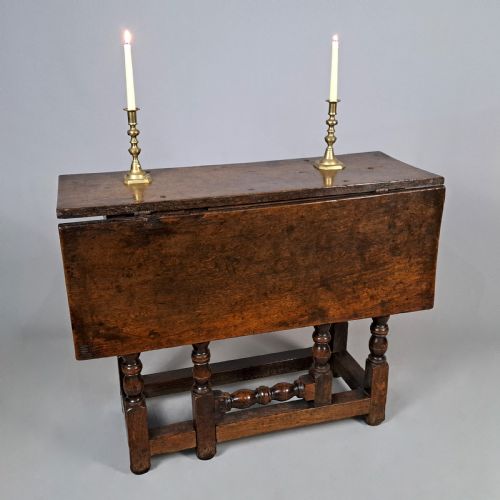
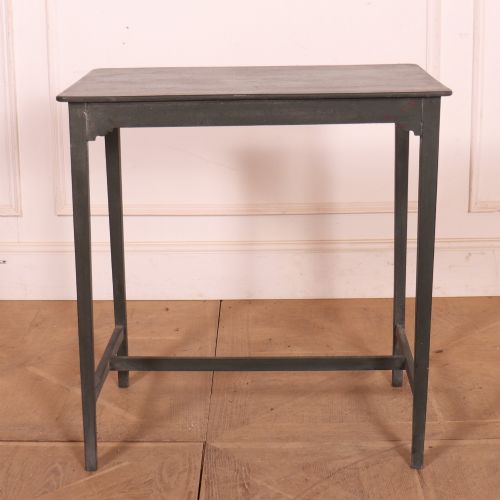
An english country occasional table encompasses diverse domestic forms including tripod tables, cricket tables, side tables, and gateleg tables built for everyday utility. These pieces originate primarily from the seventeenth, eighteenth, and nineteenth centuries, reflecting regional workshops and rural domestic life.
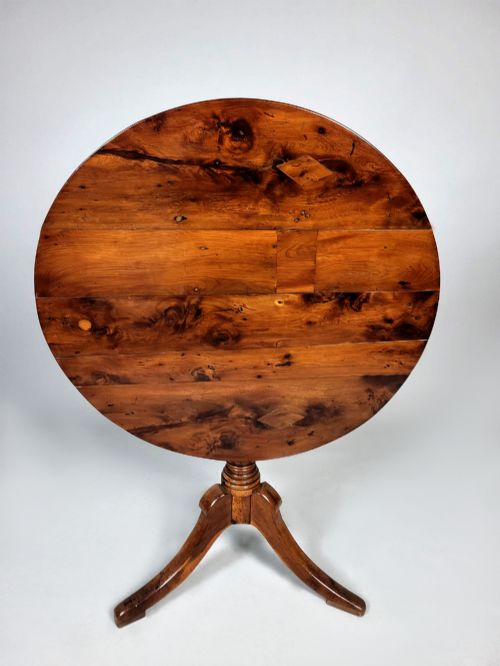
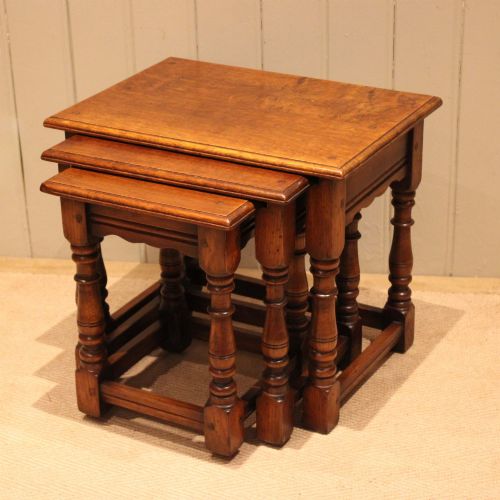
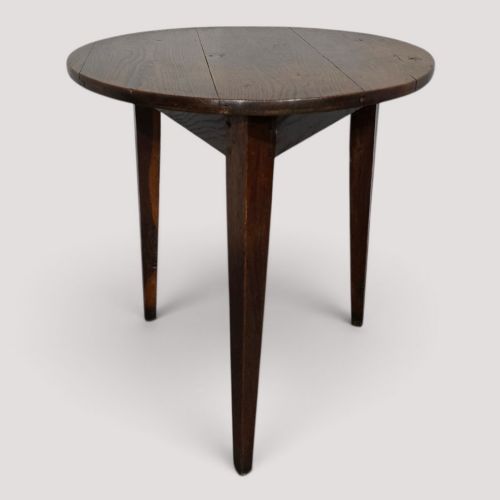
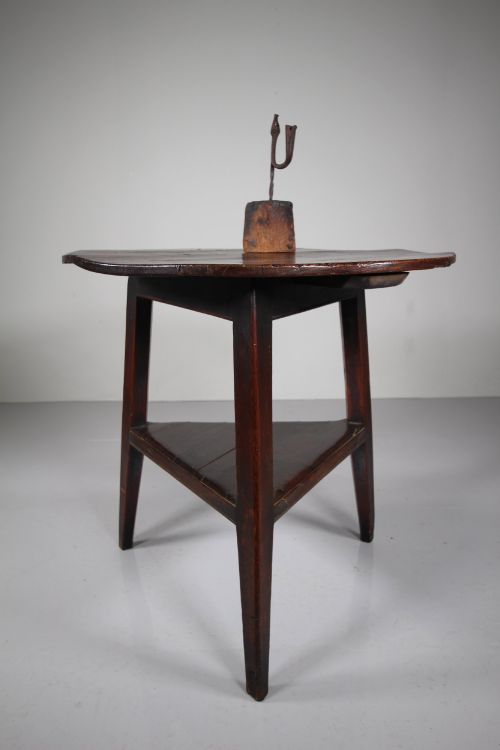
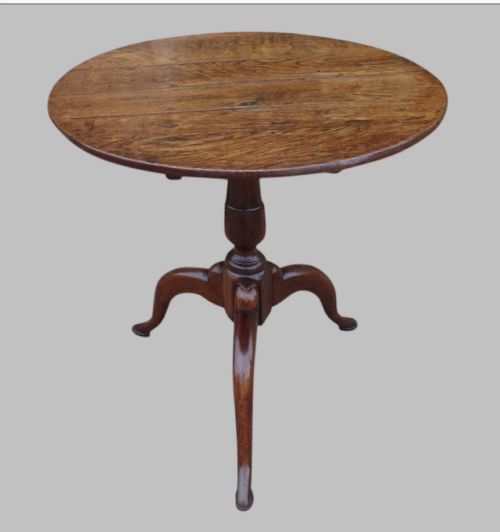
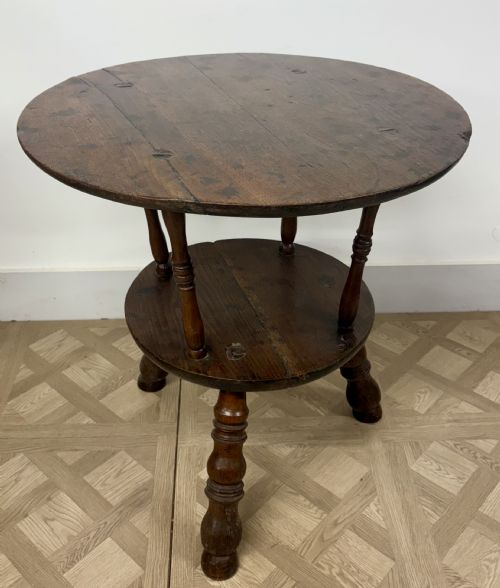
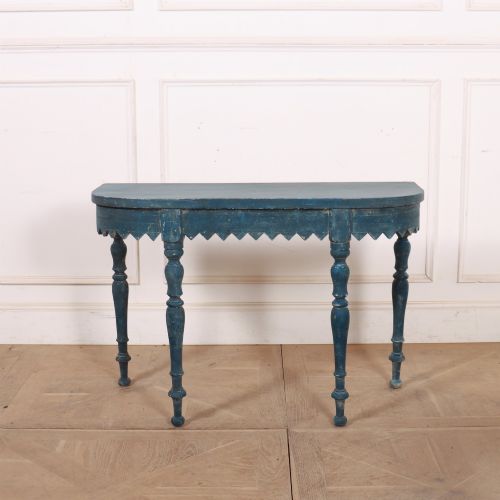
The most common examples encountered are tripod and cricket tables constructed in oak or fruitwood, often featuring three splayed legs and circular tops designed for stability on uneven floors. Side tables and lamp tables also appear frequently, spanning simple utilitarian designs to painted vernacular variants.
Earlier iterations from the seventeenth century feature straightforward joinery and gateleg actions, while eighteenth-century examples lean toward slender columns and tilt-top mechanisms. Later revivals and twentieth-century interpretations maintain the traditional forms utilising similar native timbers.
Materials and Construction
Makers relied heavily on native hardwoods such as oak, yew wood, elm, and fruitwood, occasionally incorporating pine or applying paint finishes to softer timbers. These materials were selected for local availability and structural resilience rather than decorative display.
Construction techniques prioritised durability, employing pegged mortise and tenon joints for frames and turned pedestals for tripod bases. Tabletops often consist of single wide planks or joined boards secured with traditional wooden cleats.
Some tables were built with secret tilt-top actions so they could fold flat and hide discretely behind chairs when dinner ended.
Assessing Merit
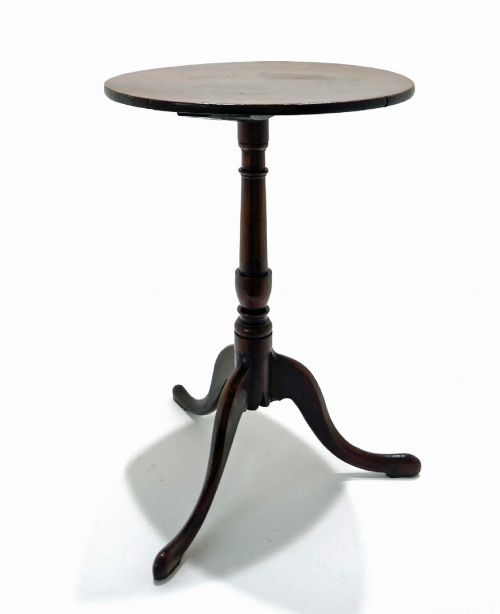
Quality rests upon the integrity of the timber and the honesty of the construction, where patination developed through decades of use distinguishes better examples. Elements like slender turned columns and well-proportioned tripod legs separate finer workshop output from heavier utilitarian pieces.
Original surfaces and unaltered structural components elevate a piece, whereas excessive replacement of timber or modern hardware diminishes historical integrity. The balance between practical utility and refined vernacular proportion determines the standing of each table.
The English Country Occasional Table Glossary
- Cricket table
- A small three-legged table with a circular top, traditionally used in vernacular settings because three legs remain stable on uneven flagstone floors. These pieces often feature triangular undershelves for additional rigidity.
- Tripod table
- A small table supported by a central pillar resting on three spreading feet, sometimes featuring a tilting top mechanism. This form gained popularity during the eighteenth century for tea service and general room use.
- Gateleg table
- A drop-leaf table where hinged flaps are supported by swinging legs that pivot outward like a gate. This design allowed tables to fold compactly against walls when not in use.
- Patina
- The deep surface sheen and colour developed on wood over long periods through handling, waxing, and exposure to light. It serves as an indicator of age and continuous use.
- Vernacular furniture
- Domestic pieces made by local joiners and country craftsmen rather than urban cabinetmakers, prioritising local materials and functional utility over prevailing metropolitan fashions.
English Country Occasional Table: Frequently Asked Questions
How were these tables used historically?
They served flexible roles around the home, functioning as surfaces for lighting, tea service, reading materials, or portable tasks.
Because of their light construction and small footprints, inhabitants moved them easily from firesides to corners or window recesses as daily routines required.
How do I identify eighteenth-century examples?
Eighteenth-century pieces typically display hand-turned components, pegged joints, and native timbers showing deep patination from decades of household use.
Details like slender columns on tripod bases and pegged stretchers help distinguish pieces from later nineteenth-century revivals.
Are these tables suitable for modern homes?
Their modest proportions and versatile forms make them exceptionally well suited for placement beside armchairs, sofas, or beds in contemporary spaces.
They offer practical surface area while introducing tactile warmth and historical character to a room through aged timber and traditional craftsmanship.