
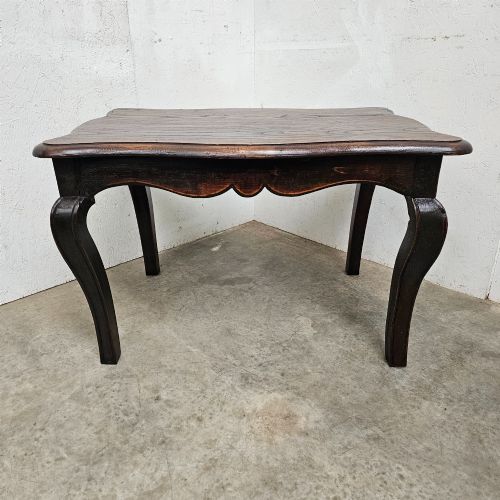

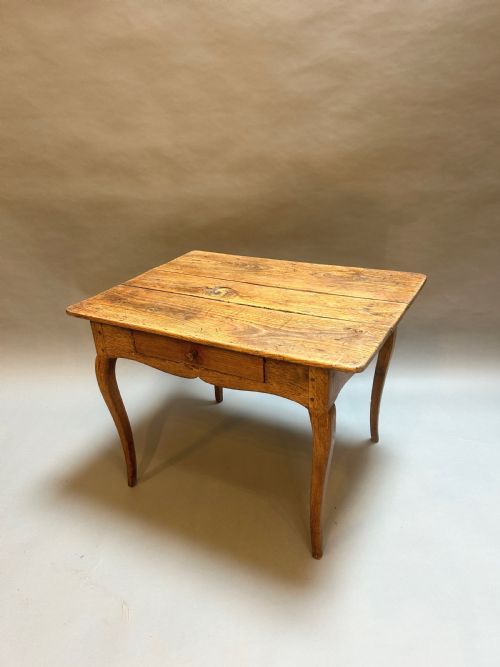
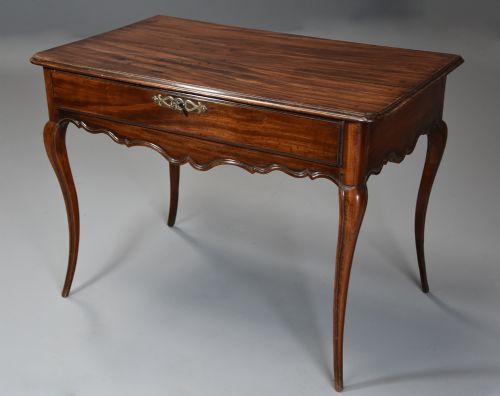


Provincial Occasional Table
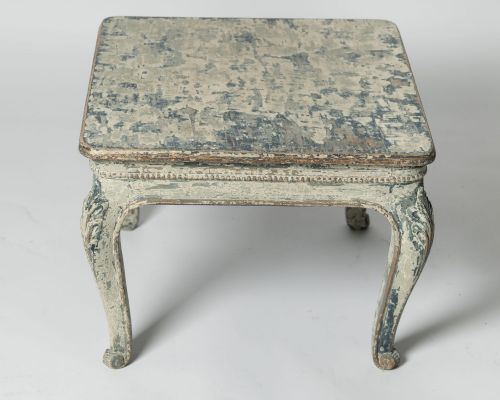
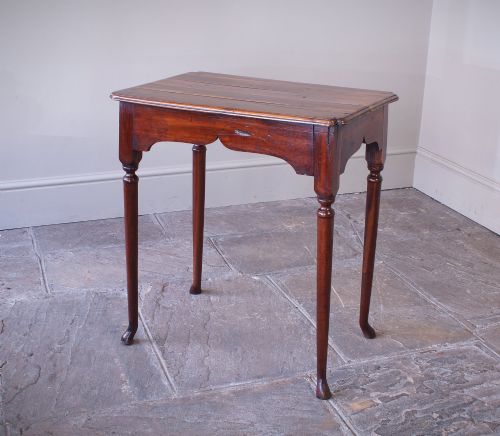
A provincial occasional table is a handy stand for a lamp or book, most often built from solid fruitwood or oak in the eighteenth or nineteenth century.
Provincial Occasional Table
A provincial occasional table serves as a versatile small stand, appearing in formats such as side tables, coffee tables, lamp tables and centre tables. When searching for a provincial occasional table, buyers encounter pieces designed for practical daily use in country houses and regional homes rather than grand urban salons.
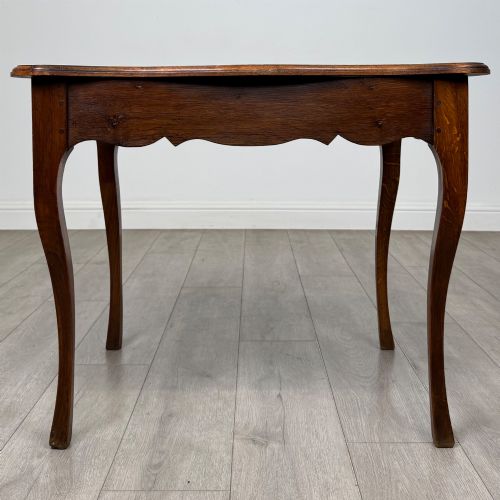
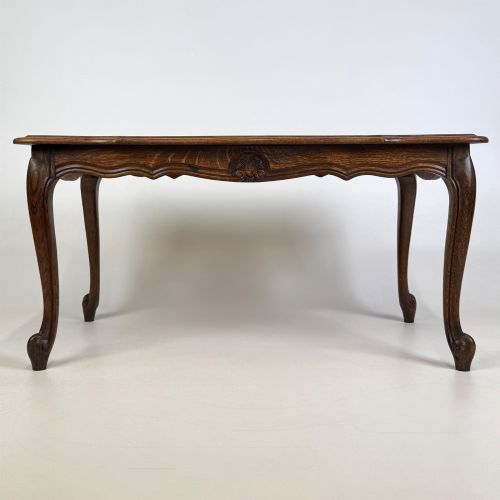
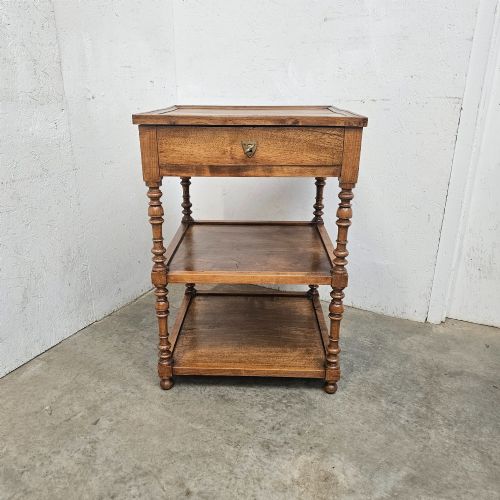
The selection ranges from early eighteenth-century fruitwood and oak specimens to later nineteenth-century walnut and painted surfaces. French and English country workshops dominate the evidence, producing utilitarian stands with turned legs, drawers or marble tops suited to modern rooms.
How they were made
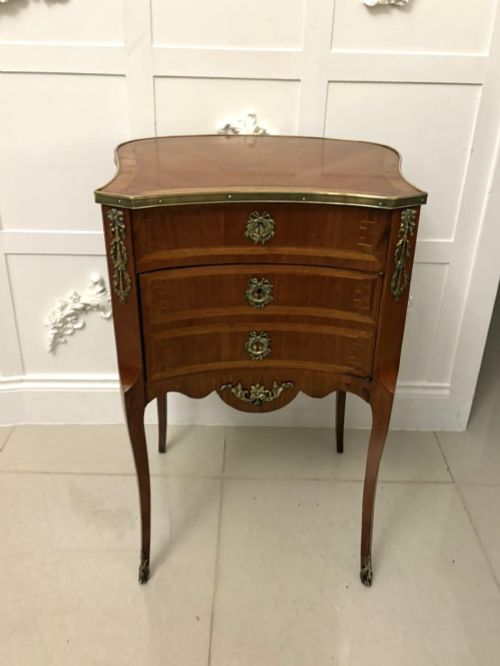
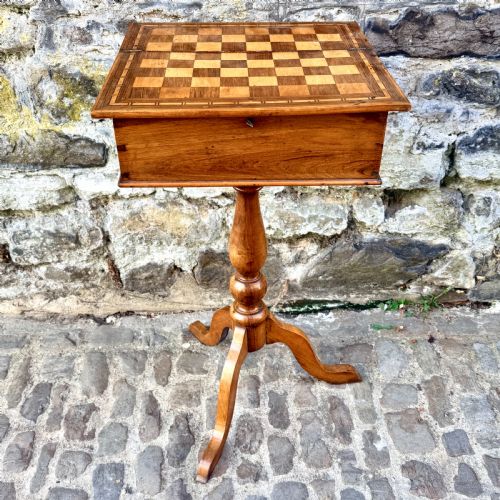
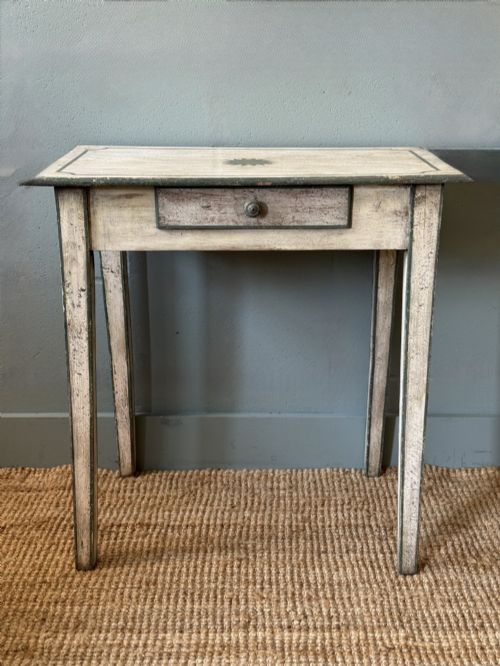
Cabinetmakers built these pieces using solid timbers like oak, walnut, fruitwood, elm and cherry, often joining tops to turned or carved legs. Marquetry, parquetry and floral inlay appear on finer examples alongside simpler planks of painted pine or chestnut.
Surface treatments play a vital role in construction, with original patinas, wax finishes and inset marble slabs marking the methods of regional joiners. Structural details like drawers, folding frames and barley twist supports indicate the specific function intended by the maker.
A tiny candle shelf attached to a cherry bedside table reminds us of nights before electric light.
What varies in quality
The standard of timber selection and depth of original patina separate standard pieces from exceptional examples. Dense fruitwoods and figured walnut command attention through rich grain patterns developed over centuries of use.
Refinement in carving, the integrity of marquetry patterns and the presence of integrated details like candle shelves or stamped initials distinguish superior regional craftsmanship from basic utilitarian furniture.
The Provincial Occasional Table Glossary
- Patina
- The surface sheen and texture developed by wood over years of handling and polishing. This quality reveals the age and history of a piece.
- Fruitwood
- Timber derived from fruit-bearing trees such as cherry, pear or apple. Cabinetmakers valued it for its fine grain and warm tone.
- Marquetry
- Decorative veneer applied to furniture in geometrical or pictorial patterns. Craftsmen cut thin pieces of various woods to form the design.
- Gueridon
- A small French table supported by one or more columns or figures. These versatile stands often feature marble tops.
- Lowboy
- A small eighteenth-century English table with drawers, resembling the lower section of a tallboy. These were typically used as writing desks or dressing tables.
Provincial Occasional Table: Frequently Asked Questions
What is a provincial occasional table used for?
These versatile stands serve as lamp tables, bedside surfaces or small desks in contemporary rooms. Their compact proportions allow them to fit easily beside seating or in hallways.
Historically, regional homes utilised them for writing, holding candles or displaying decorative objects. Today they function practically while adding historical character to a space.
How do I identify an eighteenth-century table?
Eighteenth-century examples typically display solid construction in oak, walnut or fruitwood with hand-cut joinery and deep patination. Tool marks and timber shrinkage offer clues to their age.
Stylistic markers such as turned legs, early drawer construction and regional French or English forms align with this period. Examining the underside and joints helps confirm traditional methods.
Are marble top tables practical for daily use?
Marble tops provide a durable, heat-resistant surface that handles glasses and lamps with ease. They appear frequently on nineteenth-century French lamp and coffee tables.
While robust, the stone requires protection from acidic liquids to preserve the polish. The combination of cool stone and warm timber creates a striking contrast.
Where were these tables made?
The pieces originate primarily from regional workshops in France and England during the eighteenth and nineteenth centuries. Provincial makers utilised locally available timbers such as fruitwood, oak, chestnut and elm.
Country cabinetmakers focused on functional design rather than court fashions, resulting in sturdy, honest furniture suited to rural estates and town houses.