





English Country Oak Rack
An English country oak rack brings utilitarian warmth to a room, offering sturdy shelves for display or storage rooted in centuries of vernacular tradition.

English Country Oak Rack
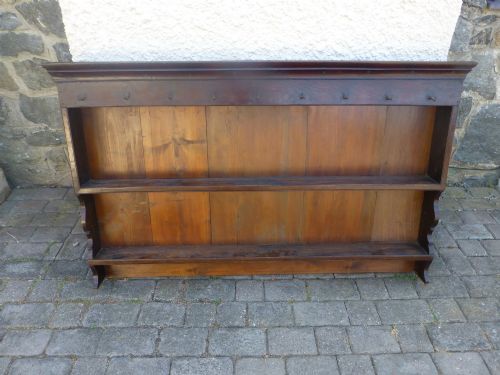
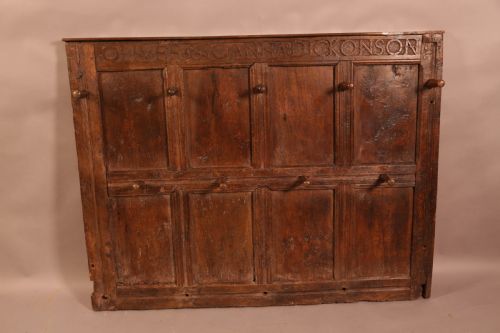
When you search for an English country oak rack, you encounter functional wall-mounted hanging racks, plate racks, and the upper tiers of traditional dressers. These pieces originate from periods spanning the seventeenth century through to the Edwardian era and the early twentieth century.
The domestic forms recorded here include hanging spoon racks, delft racks designed to display ceramic plates, and multi-division hall racks for umbrellas and sticks. Oak is the primary wood, frequently paired with pine or elm in vernacular construction.
The most common formats on this page combine timber shelves with regional English country styling, reflecting the practical needs of past domestic kitchens and halls.
Materials and construction methods
These items rely principally on solid oak, supplemented by secondary timbers such as pine, elm, and occasional painted finishes. Blacksmith-made iron, steel, and brass fittings provide structural reinforcement and hanging capability.
Joinery techniques reflect traditional English vernacular woodworking, utilising pegged joints, panel construction, and shaped boards suited to daily domestic service.
English Country Oak Rack Retail Price Guide 2026
Typical asking prices for english country oak rack among the pieces listed under this phrase on Sellingantiques today, from the lower quarter to the upper quarter. They describe what is for sale here now, not the wider market.
Listings span from the seventeenth century through Georgian, Victorian, and Edwardian periods, utilising oak, pine, elm, brass, and painted finishes.
Assessing quality in vernacular racks
Quality separates through the integrity of the timber selection, the crispness of hand-carved or shaped details like Corinthian columns and spoon slots, and the retention of an honest surface patina. Early seventeenth and eighteenth-century examples display distinct regional adze marks and joinery methods that differentiate them from later nineteenth-century and Edwardian interpretations.
The balance of proportions and the degree of original surface survival, whether unpainted oak or early painted finishes, determine the standing of an individual piece.
The English Country Oak Rack Glossary
- Delft rack
- A wall-mounted or dresser-top wooden shelving unit specifically designed to display ceramic plates upright. These often feature slender front retaining rails or grooves to secure the crockery.
- Dresser base
- The lower sideboard portion of a traditional dresser, which is sometimes separated from its matching upper rack. It typically incorporates drawers and cupboards above a pot board or open shelf.
- Vernacular
- Architecture and furniture built by local craftsmen using regional materials and traditional methods rather than high-style academic designs. This approach prioritises utility and local availability of timber.
- Pot board
- An open lower shelf built into a dresser base, historically used for storing heavy pots and pans. It sits just above the floor, supported by the legs of the base.
- Spoon rack
- A narrow wall-hanging rack featuring shaped cut-outs or notches designed to hold spoons securely by their bowls or handles. Eighteenth-century versions frequently display decorative shaped cresting boards.
English Country Oak Rack: Frequently Asked Questions
What is a delft rack?
A delft rack is a wall-hung or dresser-mounted set of shelves created to display plates and platters upright. They were standard fixtures in historical kitchens for storing everyday tableware.
Over time, these racks transitioned from utilitarian storage to decorative display units used to exhibit ceramic collections in country houses and farmhouses.
How do I date an oak rack?
Dating relies on examining construction marks, timber characteristics, and hardware like brass or iron fixings. Seventeenth and eighteenth-century pieces typically exhibit hand-cut joints, pegged framing, and distinct regional variations in the oak.
Later Victorian and Edwardian examples often display machine-sawn elements and standardised fixings while maintaining traditional country forms.
Were these racks always attached to dressers?
Many racks functioned as independent wall-hung units designed to sit above serving tables or dado rails. Others formed the upper section of a two-piece Welsh or country dresser.
Surviving pieces frequently include standalone hanging racks alongside upper sections separated from their original dresser bases.
How do I hang a heavy oak rack safely?
Mounting heavy timber racks requires securing the piece directly into wall studs or masonry using appropriate weight-bearing fixings. The substantial weight of oak, especially when loaded with ceramic plates, demands robust wall anchoring.
Consulting a professional structural installer ensures the hanging brackets engage safely with the wall substrate.