




Oak Wall Shelf Unit
An oak wall shelf unit brings practical storage and solid timber character to any room, offering versatile wall-mounted display for books, plates, and decorative items.

Oak Wall Shelf Unit
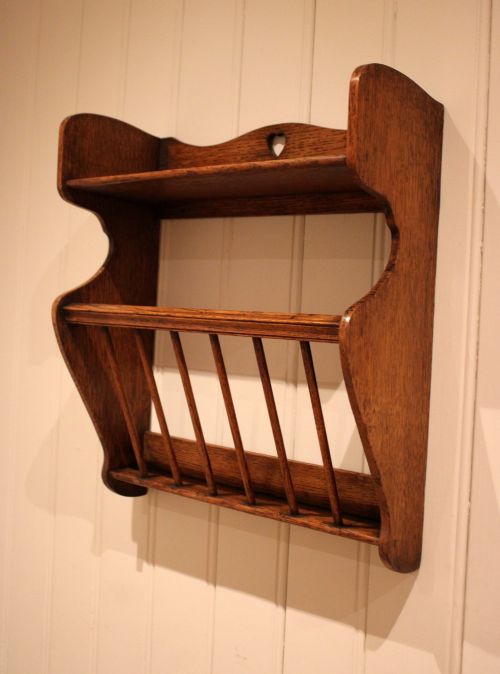
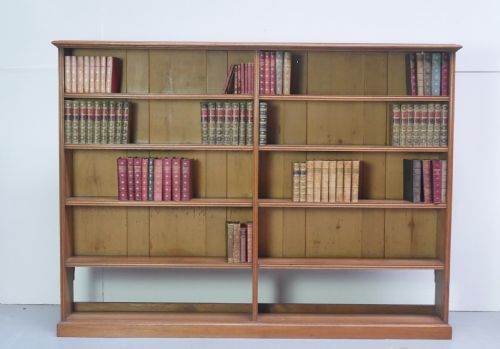
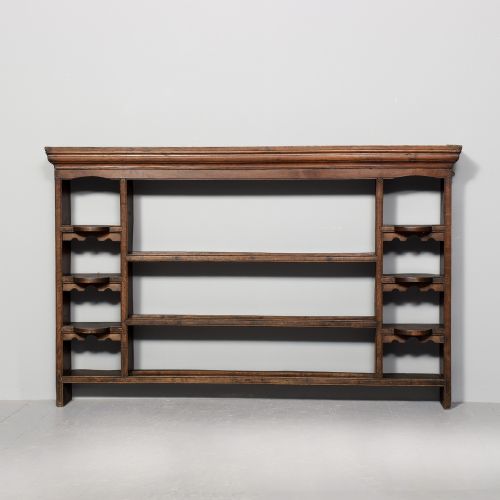
When you search for an oak wall shelf unit, you are looking at practical timber storage designed to be fixed to the wall rather than stood on the floor. These pieces range from simple hanging shelves and plate racks to more substantial bookcases, display boxes, and small dressers.
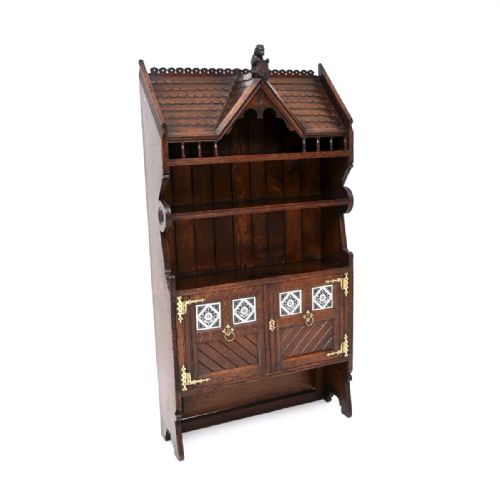
The versions you are most likely to meet on this page span several centuries and design movements, notably the 18th century, the 19th century, and the early decades of the 20th century. Styles vary from Georgian and Victorian Gothic Revival to Arts and Crafts and Mid-Century Modern.
Origins and forms reflect both English country utility and more refined decorative purposes. You will encounter hanging cupboards, corner shelves, and mirror-backed cloakroom units alongside straightforward open shelving.
How they were made
Construction relies heavily on solid oak, often paired with secondary or complementary timbers such as beech, mahogany, and plywood. Some pieces incorporate wood veneer surfaces or glass panels.
Metal components such as brass hardware appear on specific forms like display boxes and hanging cupboards. Bleached oak finishes also feature among the materials recorded in the evidence.
Oak Wall Shelf Unit Retail Price Guide 2026
Typical asking prices for oak wall shelf unit among the pieces listed under this phrase on Sellingantiques today, from the lower quarter to the upper quarter. They describe what is for sale here now, not the wider market.
Listings on this site span the 18th century, 19th century, and the early 20th century up to 1930.
What varies in quality
Quality in these wall units is defined by the integrity of the timber and the honesty of the construction. Pieces utilising solid oak throughout maintain structural stability better than those relying heavily on secondary veneers.
Design ambition separates simple utility pieces from finer examples. The presence of thoughtful Arts and Crafts detailing or crisp Victorian Gothic Revival carving elevates a functional shelf into a piece of decorative furniture.
Heals
The Oak Wall Shelf Unit Glossary
- Plate rack
- A wall-mounted shelving unit specifically designed with vertical slats or grooves to display plates upright. This form prevents crockery from sliding forward.
- Hanging cupboard
- An enclosed wall cabinet with doors, offering concealed storage above floor level. These pieces often feature interior shelving.
- Arts and Crafts
- A design movement prioritising traditional craftsmanship and simple forms over mass-produced ornamentation. It frequently appears in early 20th-century shelving units.
- Victorian Gothic Revival
- A 19th-century stylistic movement drawing on medieval architectural motifs. Pieces in this style often incorporate pointed arches and heavy decorative carving.
- Bleached oak
- Oak timber treated to achieve a lighter, paler tone. This finish alters the natural dark grain of the wood.
Oak Wall Shelf Unit: Frequently Asked Questions
What is the difference between a plate rack and standard shelves?
Plate racks feature specific design elements like slatted plate grooves or retaining rails to hold crockery safely at an angle. Standard shelves provide flat horizontal surfaces for general display.
Both forms are designed to mount directly to the wall to save floor space.
Can I use an antique wall shelf in a bathroom?
Certain pieces, such as hanging cloakroom mirrors with integrated shelves, were historically designed for transitional spaces like hallways or washrooms. Moisture levels should be monitored when placing antique timber in damp environments.
Ensure the finish is suitable for ambient humidity to prevent timber movement.
How do I identify an Arts and Crafts oak shelf?
Arts and Crafts pieces typically display honest construction methods, exposed joinery, and minimal reliance on applied machine-made ornamentation. They often date from around the late 19th or early 20th century.
The focus remains on the natural grain of the oak and functional utility.