



Rustic Oak Coat Rack
These rustic oak coat rack pieces are sturdy hallway fixtures that bring natural character and practical storage to an entrance.

Rustic Oak Coat Rack
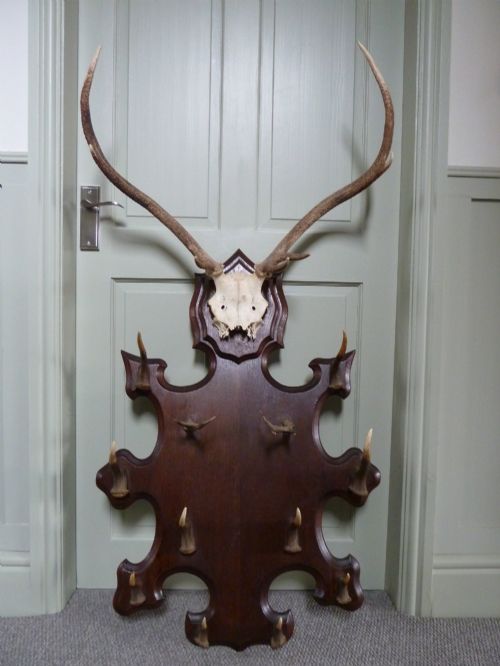
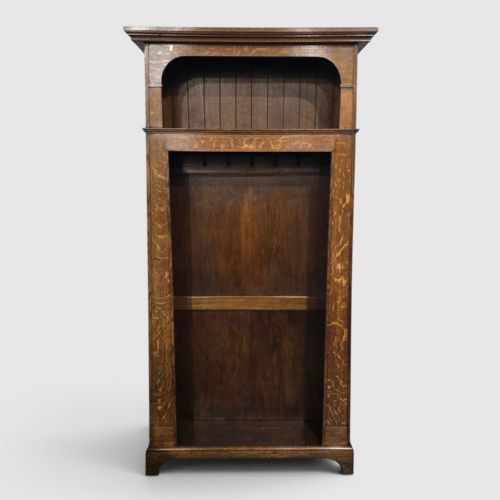
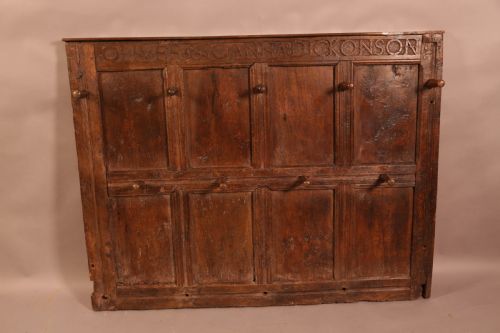
A rustic oak coat rack provides sturdy wall or freestanding storage for everyday garments in a hallway or boot room. Buyers seeking a rustic oak coat rack encounter forms ranging from simple hanging wall panels to elaborate hall stands and mounted horn designs.
The pieces span multiple centuries and stylistic traditions, including eighteenth century hanging racks, nineteenth century country house examples, and continental hunting styles. Most items combine solid timber backboards with functional hanging points made from wood, iron, or animal horn.
Makers utilised various formats to suit domestic spaces, from compact wall shelves and double hook strips to large furniture pieces incorporating umbrella storage and taxidermy elements. Selecting the right version depends on available wall space and the desired balance of plain timber or decorative carving.
How they were made
Construction relies heavily on solid oak boards, frequently shaped by hand and joined using traditional methods suited to domestic furniture and wall fixtures. Timber backboards provide the structural foundation for supporting heavy garments and fitted hardware.
Metal, iron, and carved wood serve as the primary materials for hooks and hanging mechanisms, ensuring durability under daily use. Natural elements such as stag horn, cow horn, bone, and glass appear across continental and Victorian country house pieces for decorative and functional effect.
Rustic Oak Coat Rack Retail Price Guide 2026
Typical asking prices for rustic oak coat rack among the pieces listed under this phrase on Sellingantiques today, from the lower quarter to the upper quarter. They describe what is for sale here now, not the wider market.
Listings feature items spanning from the seventeenth century through to the early twentieth century, utilising oak, horn, iron, and glass.
What varies in quality
Quality rests in the depth of natural patination on the timber and the integrity of the structural joints supporting the hooks. Superior examples display thoughtful hand-carved detailing or integrated taxidermy elements that remain secure within the oak backboard.
Simpler hanging racks derive their appeal from honest, unpretentious construction and the rich grain of aged oak. More elaborate hall stands demonstrate exceptional craftsmanship through sculptural carving, quality metalwork, and well-mounted animal horns.
The Rustic Oak Coat Rack Glossary
- Oak
- A dense, durable hardwood traditionally used for sturdy furniture and architectural joinery throughout British and continental history. Its prominent grain pattern takes on a deep patination over centuries of exposure and handling.
- Hall Stand
- A substantial hallway furniture piece combining coat hooks, umbrella wells, and frequently a mirror or small shelf. These items organise visitors' garments and accessories near the main entrance of a home.
- Taxidermy
- The preservation and mounting of animal specimens, which appears on continental hunting style and Black Forest pieces. Horns and carved animal figures function directly as sturdy coat hooks on these items.
- Black Forest
- A nineteenth and early twentieth century style originating in the mountainous regions of central Europe, known for naturalistic animal carvings and foliage motifs. Pieces in this tradition often incorporate detailed figures of foxes, eagles, and deer.
- Jacobean
- An early seventeenth century British design style characterised by heavy rectilinear construction, geometric panels, and dark finishes. Surviving oak work from this period exhibits hand-tooled surfaces and traditional joinery.
Rustic Oak Coat Rack: Frequently Asked Questions
What is a rustic oak coat rack?
A rustic oak coat rack is a wall-mounted or freestanding wooden fixture designed for hanging garments, hats, and everyday accessories in a hallway.
These pieces use solid oak backboards fitted with hooks made from metal, iron, wood, or horn to provide durable storage.
How do I choose between a wall rack and a hall stand?
Choosing depends on your available floor space and storage needs within an entrance hall or boot room.
Wall racks fix directly to plaster or masonry for compact hanging space, while hall stands offer larger furniture units that often include umbrella storage and shelving.
What materials are used besides oak?
Makers incorporated various materials alongside solid oak to enhance both the utility and decorative appearance of these pieces.
Common additions include iron and metal brackets, glass details, carved wood accents, and natural elements like stag horn, cow horn, and bone.
How do I tell different periods apart?
Distinguishing periods relies on observing construction techniques, timber finishing, and stylistic influences present in the carving and hardware.
Early pieces from the seventeenth and eighteenth centuries show hand-worked joinery and simpler timber boards, whereas nineteenth and twentieth century examples often display regional styles like Arts and Crafts or continental hunting motifs.