




English Country Oak Panel
An english country oak panel brings sturdy vernacular craftsmanship and centuries of honest grain straight into a room.
English Country Oak Panel
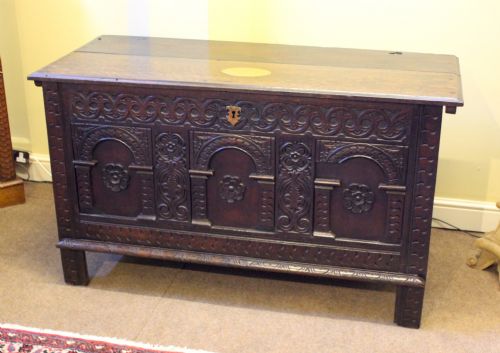
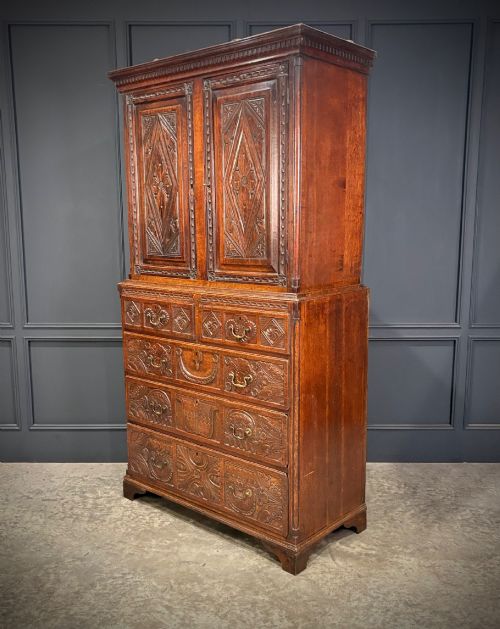
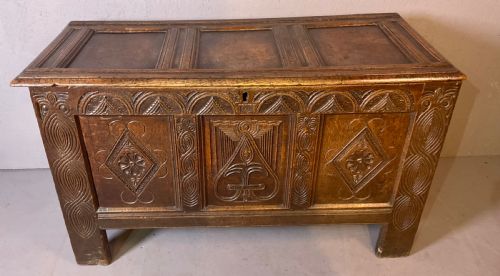
When searching for an english country oak panel, buyers encounter structural elements and decorative surfaces drawn from seventeenth and eighteenth-century domestic woodwork. These components appear most frequently as structural parts of coffers, mule chests, dressers, and settle backs rather than standalone items.
The material traces its lineage through the Georgian, Jacobean, and William and Mary periods, reflecting the practical needs of rural English households. Workshops shaped these native hardwoods for daily storage and seating.
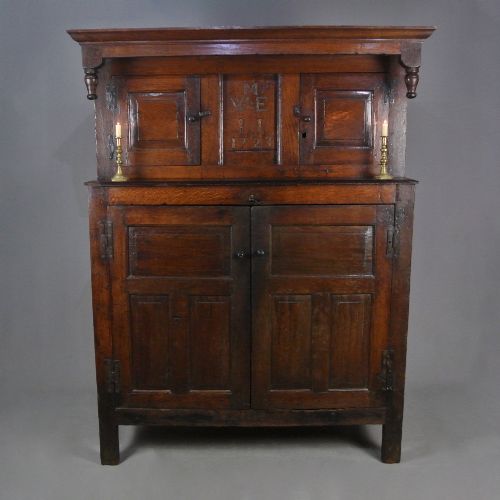
Surviving examples span blanket chests with carved elevations, dresser bases, and court cupboards, all displaying the heavy timber framing characteristic of provincial joinery.
Materials and construction methods
Joiners relied on solid English oak, supplemented occasionally by fruitwood inlay, iron hinges, and brass fittings. Boards were hand-rived or sawn, then planed to form the flat surfaces required for large furniture assemblies.
Panels were typically set into grooved frameworks using mortise and tenon joints held by wooden pegs, allowing the timber to expand and contract with seasonal humidity without splitting.
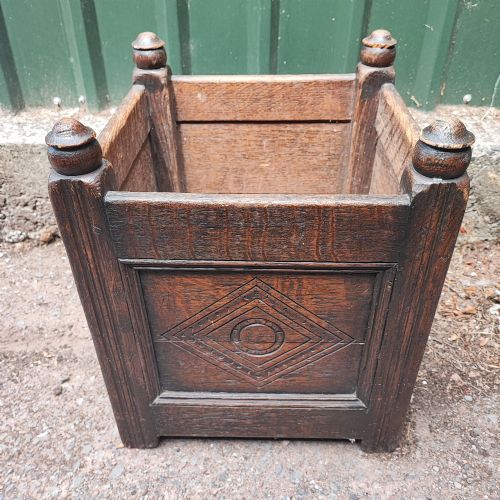
Surface decoration involved gouge carving, painted finishes, and fielded panel profiles that created depth and shadow across the face of cupboards and chests.
Some panels whisper of past occupants, carrying centuries-old carpenter marks or initials pressed deep into the timber grain.
Distinctions in construction and preservation
Quality rests in the integrity of the timber framing and the depth of the hand-carved detail across the surface. Pieces retaining their original board backs, authentic hinges, and unclipped feet command higher regard among collectors.
The crispness of the tool marks on carved panels distinguishes skilled vernacular work from later, heavier-handed alterations. Surface patination, gained through centuries of waxing and handling, marks the difference between honest age and over-restored timber.
The English Country Oak Panel Glossary
- Fielded panel
- A wooden insert with bevelled edges that fits into a recessed groove within a frame. This construction method reduces the weight of large doors and chests while accommodating natural wood movement.
- Coffer
- A heavy storage chest constructed with boarded or panelled sides and a hinged lid. These utilitarian pieces served for storing linen, documents, and domestic valuables.
- Settle
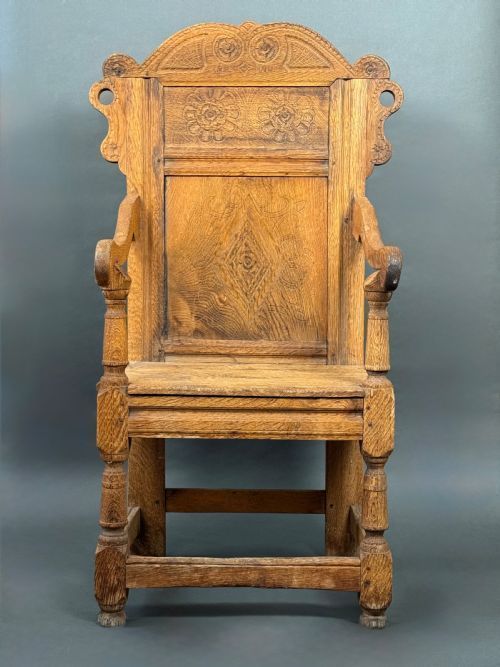
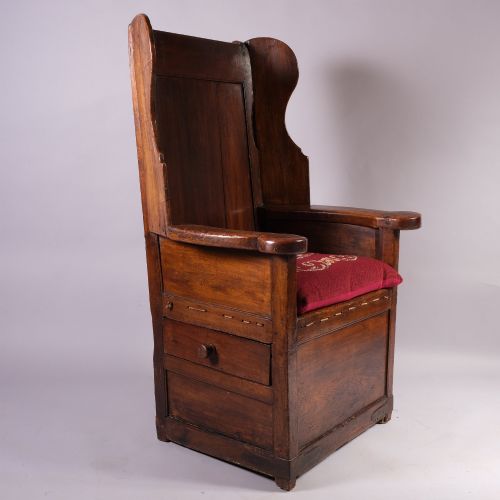
- A high-backed wooden bench with solid sides and a storage base or enclosed seat. They were positioned near hearths to block cold drafts in early homes.
- Dresser base
- A low wooden sideboard featuring drawers and cupboards built for storing and serving food in provincial kitchens. They represent the heavy joinery traditions of the seventeenth and eighteenth centuries.
English Country Oak Panel: Frequently Asked Questions
What is an english country oak panel used for?
These panels formed the structural and decorative walls of seventeenth and eighteenth-century furniture such as coffers, settles, and cupboards. They provided sturdy containment for household goods while offering surfaces for carved ornamentation.
Today, surviving examples retain their function as decorative architectural elements or remain integrated within antique furniture pieces that anchor traditional interiors.
How do I care for antique oak furniture?
Maintain the timber by applying traditional beeswax sparingly to nourish the dry grain and preserve the surface sheen. Avoid placing pieces near direct heat sources or in fluctuating humidity to prevent the oak from splitting.
Dust regularly with a soft, dry cloth rather than using modern silicone polishes that can degrade the historic finish over time.
How can I tell a seventeenth-century panel from a later copy?
Examine the rear of the board for tool marks left by pit saws or hand planes, which differ from modern mechanical milling. Genuine early panels show shrinkage, uneven thickness, and natural wear around the peg joints.
Check for period-appropriate construction methods, such as pegged mortise and tenon frames, rather than modern screws or machine-cut dowels.
Where were these oak pieces originally made?
Regional workshops across rural England produced these items, utilising local hardwood forests for their raw materials. Provincial joiners in areas like the West Country developed distinct regional styles of carving and assembly.
These pieces reflect the domestic requirements of country houses, farmhouses, and modest rural dwellings before industrial standardisation took hold.