



English Country Oak Box
An english country oak box brings domestic history into a room, offering sturdy utility shaped by centuries of regional vernacular woodworking.
English Country Oak Box
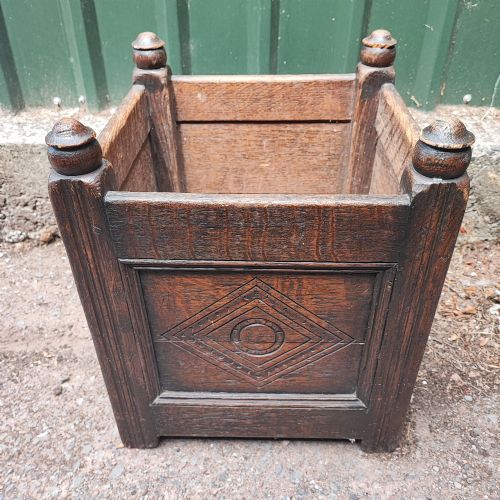
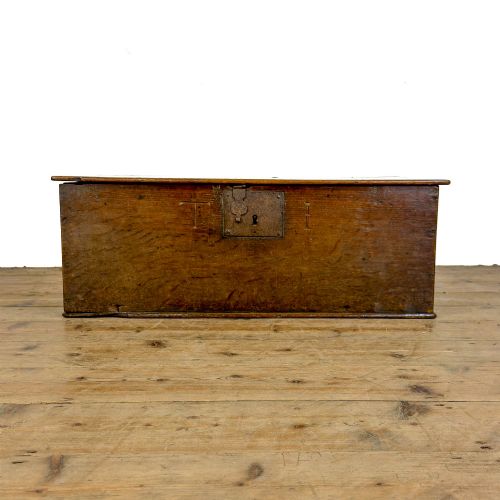
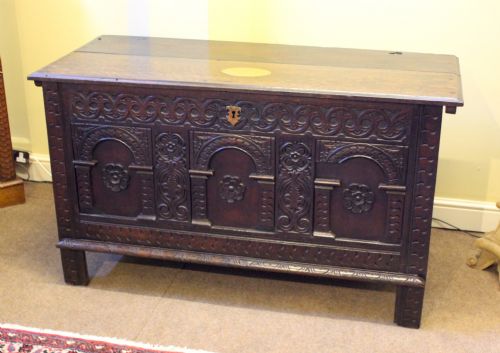
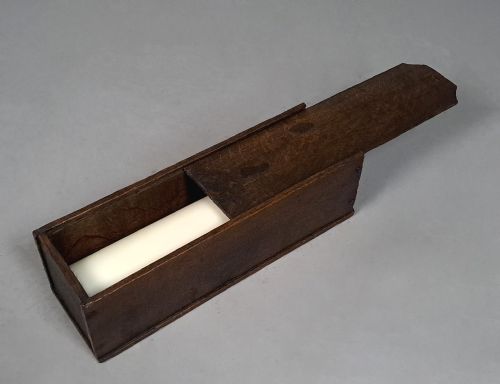
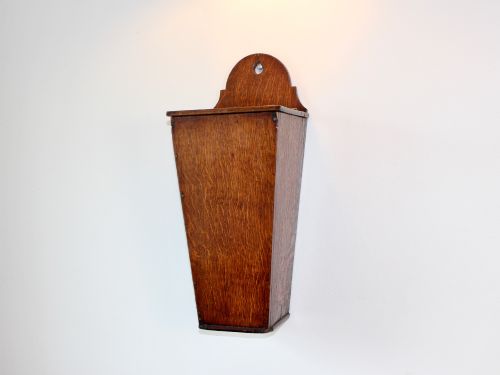
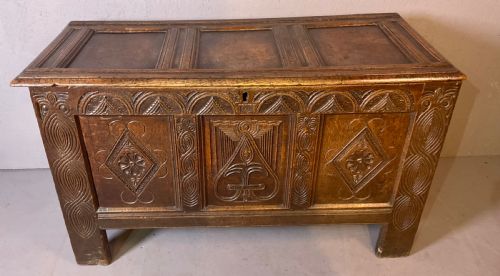
When you search for an english country oak box, you encounter a varied selection of functional storage containers spanning from the sixteenth century to the Edwardian era. The most common forms include smaller hanging candle boxes, desktop bible boxes, and larger four-panel coffers or blanket chests made for domestic life.
The materials reflect domestic timber resources, predominantly solid oak supplemented by elm, fruitwood, and walnut, often accented with iron or brass hardware. These pieces originate from regional English workshops, including West Country and North Country variants that display distinct local carpentry traditions.
Materials and Technique
Makers utilised solid timber boards joined with traditional methods suited to rural workshops, such as panel construction and scratch carving. Iron and brass hinges, locks, and handles were fastened to secure the contents of trunks, mule chests, and bible boxes.
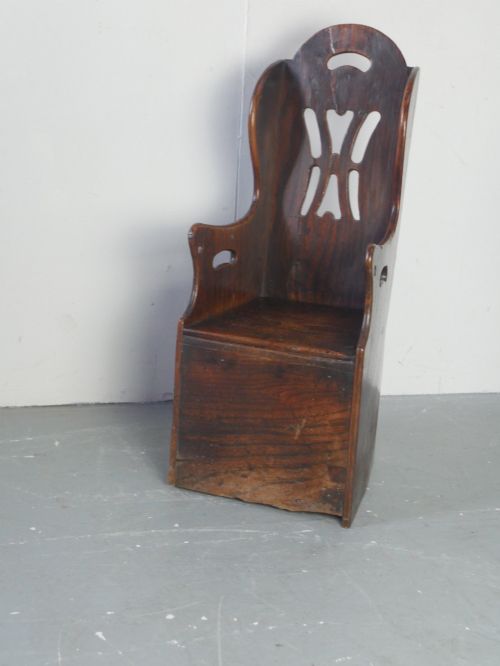
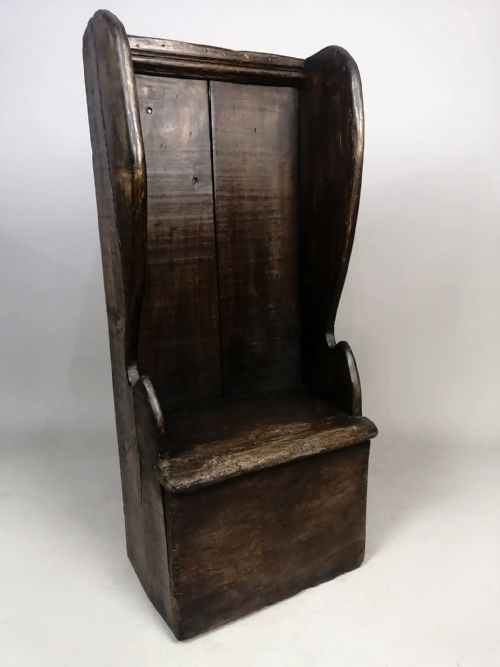
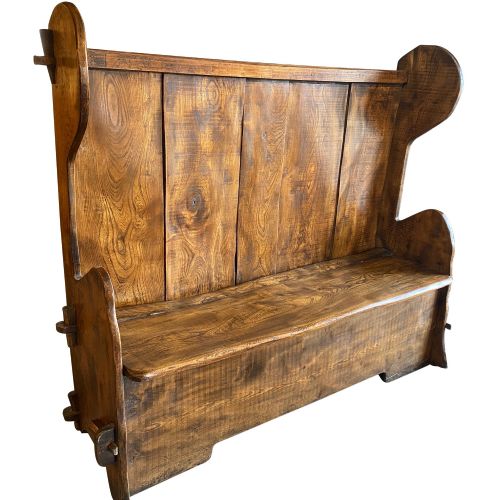
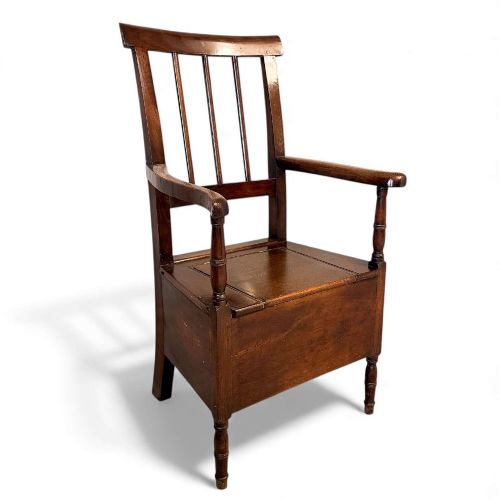
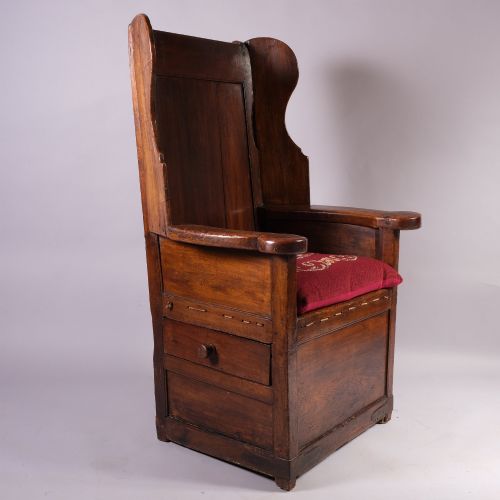
Secondary woods like elm and fruitwood appear alongside the primary oak, particularly in seating forms and smaller desk boxes. Surfaces show the simple tool marks of the period, relying on the natural grain rather than heavy veneers.
Several pieces come equipped with hidden compartments for secrets.
Gradations in Quality
The standard of a piece rests on the integrity of its timber and the crispness of any period carving, such as scratch-carved panels on seventeenth-century coffers. Finer items retain their original hinges, locks, and board bases without extensive later timber replacement.
Proportion and scale also dictate worth, as smaller hanging boxes and neat desktop containers demand precise carpentry to remain balanced. Pieces displaying untampered surfaces and honest patina sit comfortably above heavily restored examples.
The English Country Oak Box Glossary
- Coffer
- A large wooden chest used historically for storing valuables, linens, and documents. These sturdy containers often feature panelled construction and heavy lids.
- Bible box
- A small desktop container traditionally used to hold family Bibles and writing implements. They frequently feature sloping lids and internal compartments.
- Mule chest
- A storage chest equipped with one or more drawers beneath the main lift-top compartment. This form bridges the gap between the traditional coffer and the modern chest of drawers.
- Joint stool
- A sturdy wooden stool constructed with mortise and tenon joints using wooden pegs. These versatile seats date primarily from the sixteenth and seventeenth centuries.
- Scratch carving
- A simple form of decoration where a profile is scraped or gouged directly into the surface of the wood. It is commonly found on seventeenth-century vernacular oak furniture.
English Country Oak Box: Frequently Asked Questions
What is an english country oak box used for?
These boxes served practical domestic purposes, ranging from storing household candles and letters to securing family Bibles and linens.
Today, they function well as decorative storage trunks, window seats, or accent pieces in living spaces and hallways.
How do I date an antique oak box?
Dating relies on construction methods, hardware types, and stylistic cues such as scratch carving or panel thickness.
Sixteenth and seventeenth-century pieces typically display pegged joints and hand-riven boards, while later Victorian versions utilise machine-sawn timber and different fastening methods.
Are these boxes made entirely of solid oak?
While oak is the dominant primary material, makers frequently incorporated secondary woods like elm and fruitwood for specific structural elements or internal components.
Hardware elements such as hinges and keyplates generally consist of forged iron or brass.
How should I care for antique oak furniture?
Keep wooden pieces away from direct heat sources and dramatic humidity fluctuations to prevent the oak from splitting or warping.
Apply a traditional wax polish occasionally to nourish the grain and maintain the natural lustre of the surface.