

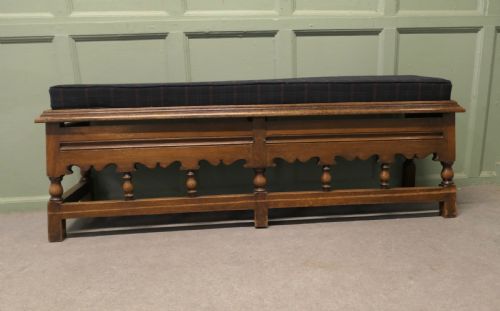

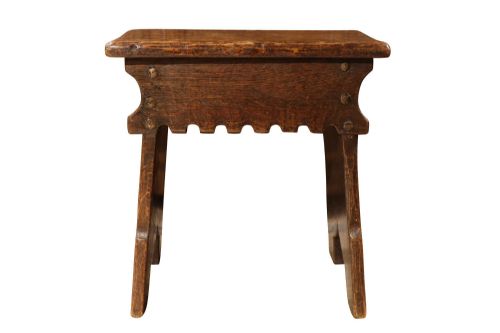


English Country Oak Bench
An english country oak bench brings honest domestic utility and centuries of patina directly into a modern interior.
English Country Oak Bench
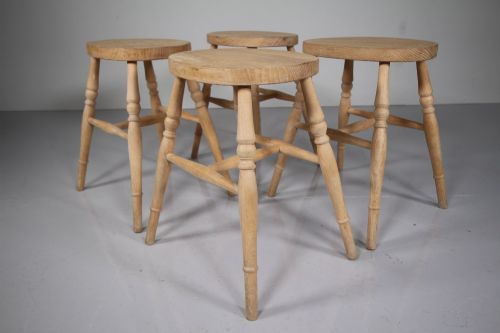
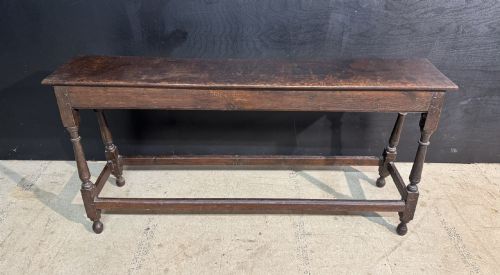
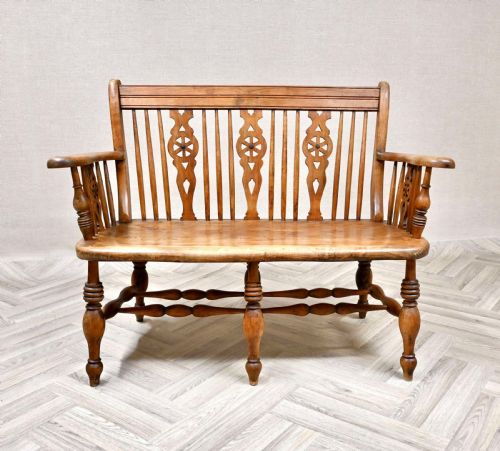
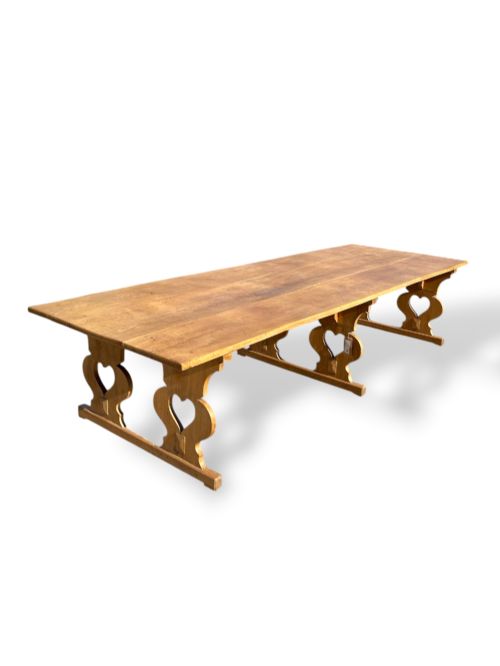
An english country oak bench encompasses sturdy seating forms rooted in domestic utility, ranging from low joint stools and long refectory benches to high-backed settles with integrated storage. These pieces emerge primarily from the seventeenth, eighteenth, and nineteenth centuries, reflecting the straightforward needs of rural households.
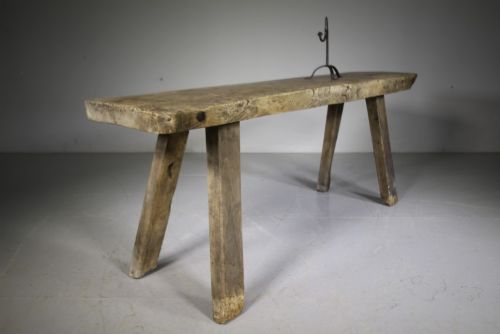
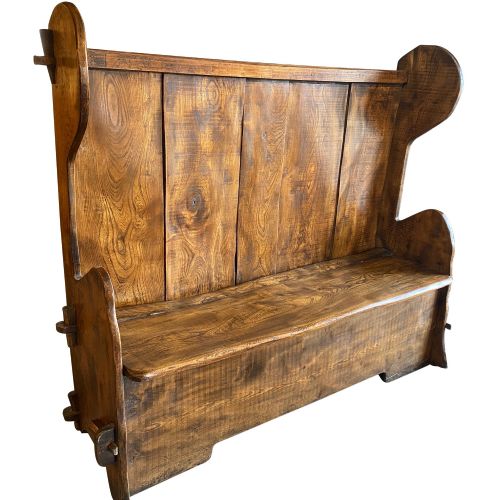
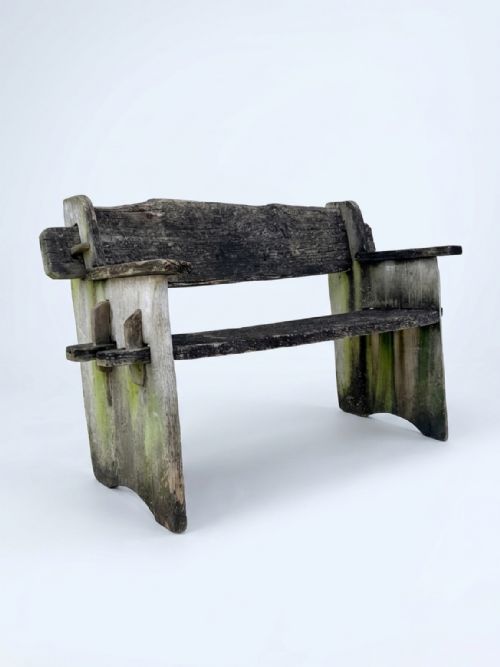
The varieties most often met on this page include solid oak joint benches, rustic garden seats, and box settles fashioned from native timbers. Makers of the period built these items for hard daily use, employing robust construction methods that survived centuries of domestic life.
What Varies in Quality
The distinction between ordinary utility items and superior examples lies in the integrity of the timber and the retention of original structure. Pieces retaining their early surface patination and unreplaced peg construction hold greater architectural and historical coherence.
Proportion and timber selection drive the character of individual pieces, where straight-grained oak or well-figured elm elevate a simple form. Alterations to height or the replacement of structural floor timbers diminish the direct connection to the period of origin.
Listings span four centuries of construction, combining primary structural oak with elm, ash, and yew elements.
The English Country Oak Bench Glossary
- Joint Stool
- A low wooden seat constructed with mortise and tenon joints held together by wooden pegs rather than glue. These sturdy items served multiple domestic purposes in early households.
- Box Settle
- A high-backed wooden bench featuring a solid panel back and a hinged seat opening to a storage compartment below. This form protected sitters from draughts in unheated rooms.
- Pegged Construction
- A method of joining wooden elements by drilling through overlapping joints and driving a tapered wooden pin through the hole. This traditional technique provides flexible strength.
- Bleached Oak
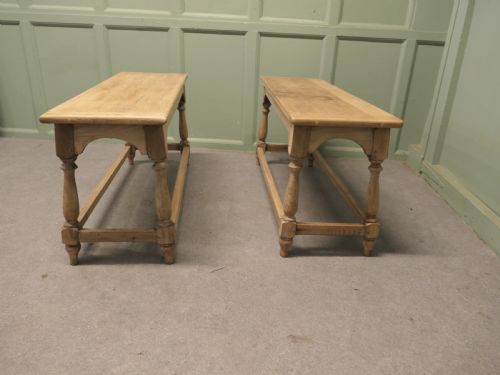
- Timber that has undergone a lightening process, either through natural exposure to sunlight and scrubbing over centuries or via chemical treatment. This finish highlights the grain pattern.
- Refectory
- A long dining form traditionally associated with communal eating halls, adapted in domestic settings into extended benches or tables. These pieces accommodate multiple sitters along a single span.
English Country Oak Bench: Frequently Asked Questions
How do I care for an old oak bench?
Keep timber pieces away from direct heat sources and sudden temperature shifts to prevent the wood from splitting or warping.
Apply a traditional beeswax polish sparingly and buff with a soft cloth to maintain the surface sheen without building up heavy residues.
Where were these benches originally used?
These forms served primarily in farmhouses, cottages, and large halls for everyday seating around dining tables or beside hearths.
High-backed versions stood near entryways or firesides to block cold draughts, while smaller joint stools served as flexible portable seating.
How can I tell an eighteenth-century bench from a later copy?
Examine the construction marks and the nature of the timber surface for signs of hand-tool shaping and genuine age-related wear.
Genuine early examples display characteristic shrinkage, hand-cut peg joints, and dry patination that modern reproductions cannot replicate.
Can I use an antique bench outdoors?
Most historic indoor seating lacks the modern weather-resistant treatments needed to survive damp conditions and direct rain exposure.
Specific pieces designed as garden seats handle outdoor environments better, though sheltered placement extends the life of any historic timber.