





English Country House Dresser
An English country house dresser brings substantial utility and domestic history to a room, standing as a practical storage piece built for daily use.
English Country House Dresser
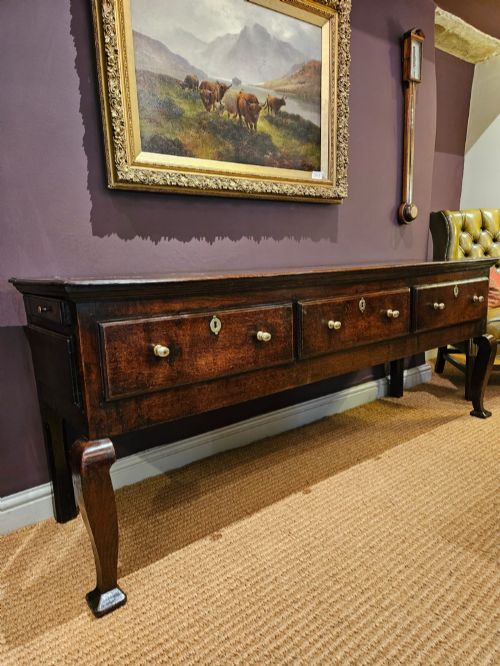
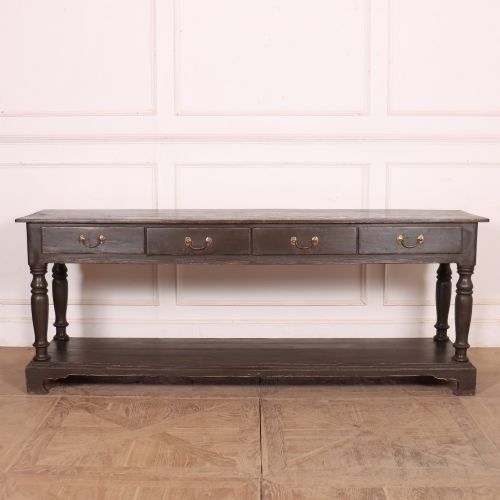
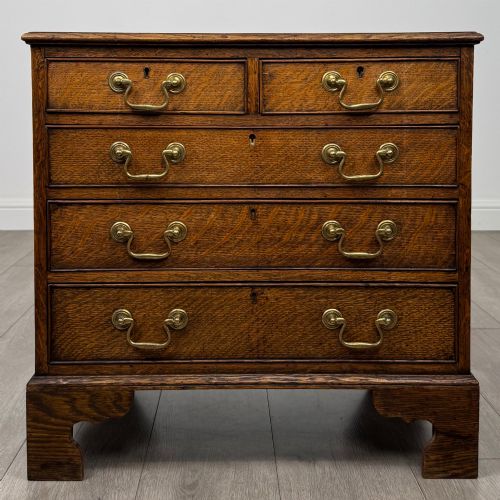
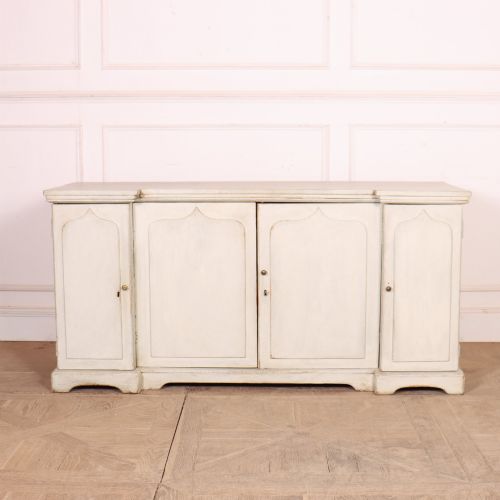
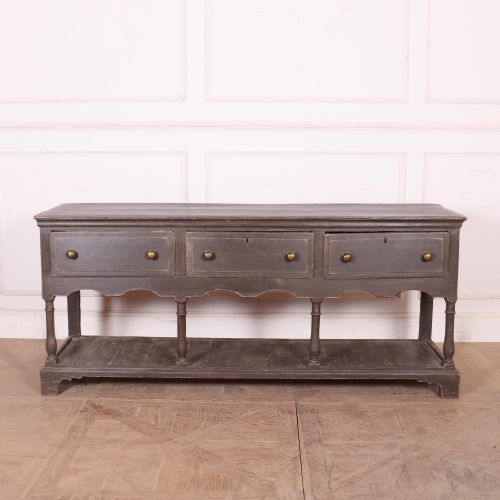
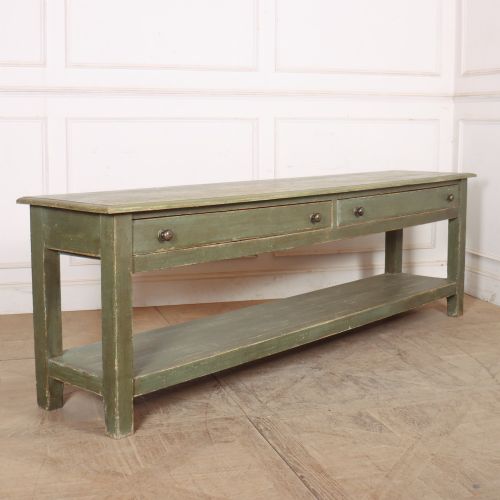
When searching for an english country house dresser, buyers encounter substantial utility furniture designed for provincial domestic spaces rather than formal urban reception rooms. The pieces appearing here span the seventeenth, eighteenth, and nineteenth centuries, taking the primary form of kitchen dressers, dresser bases, and potboards.
The most frequent items met on this page are dresser bases and kitchen dressers originating from Georgian and Victorian periods. Many examples display regional characteristics such as West Country construction or retain original paintwork alongside unpainted oak, elm, and pine surfaces.
Construction and materials
Carpenters built these pieces primarily using solid timbers sourced locally, predominantly oak, pine, and elm, supplemented by fruitwoods such as yew. Boards were joined using traditional framing techniques suited to supporting heavy domestic tableware and provisions.
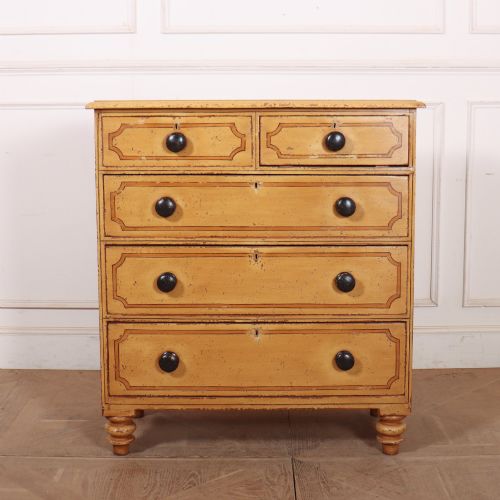
Surfaces frequently show the application of paint or plain timber finishes, sometimes bleached or left in original painted states. Iron and brass hardware, including drop handles and drawer pulls, completed the functional construction of bases and cupboards.
English Country House Dresser Retail Price Guide 2026
Typical asking prices for english country house dresser among the pieces listed under this phrase on Sellingantiques today, from the lower quarter to the upper quarter. They describe what is for sale here now, not the wider market.
Listings here feature materials including oak, pine, elm, yew wood, brass, and glass across eighteenth and nineteenth-century periods.
Assessing quality in country furniture
Quality rests in the integrity of the timber selection and the retention of original surfaces, such as early paint or undisturbed patination on oak and elm boards. Substantial scale and well-proportioned breakfront or potboard designs indicate superior workshop execution.
The degree of structural unaltered state separates exemplary survivals from heavily restored pieces. Original hardware, undisturbed drawer linings, and genuine period timber shrinkage signal better preservation.
The English Country House Dresser Glossary
- Potboard
- An open lower shelf beneath a dresser base traditionally used for storing pots and pans. This platform sits just above the floor, supported by the legs of the base.
- Breakfront
- A piece of furniture having a central section that projects forward from the flanking sections. This configuration adds architectural depth to large dresser bases and bookcases.
- Housekeeper's cupboard
- A large storage cabinet utilised in country houses for linen, dry goods, and household accounts. These tall pieces often feature panelled doors and internal shelving.
- Bowfront
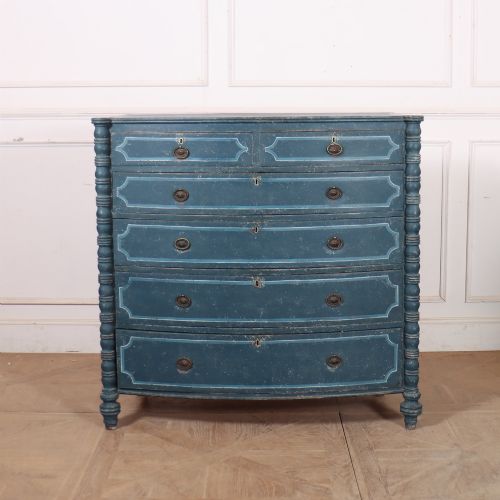
- A convex, curved front elevation typical of certain chests of drawers and cabinets. This shaping softens the rectangular profile of case furniture.
- West Country
- A geographical descriptor indicating origin from the southwestern counties of England. Furniture from this region often exhibits distinct regional timber choices and construction habits.
English Country House Dresser: Frequently Asked Questions
How do I date an oak dresser?
Dating relies on observing construction methods, timber characteristics, and hardware types used across the seventeenth, eighteenth, and nineteenth centuries. Hand-cut joints, pegged tenons, and original surface patination offer reliable chronological clues.
Changes in moulding profiles and drawer construction from Georgian to Victorian periods further help establish the era of manufacture.
Where were these dressers used?
These pieces originated in the kitchens, sculleries, and morning rooms of large rural estates and country houses. They served as primary storage and preparation surfaces for domestic staff managing household provisions.
Today, buyers place them in contemporary kitchens and living spaces to provide substantial storage and display capacity.
Are painted finishes original?
Many pieces retain early or original paint surfaces, ranging from black paint to various historical pigments applied to pine and timber. Identifying original paint requires examining pigment layering, wear patterns, and integration with the underlying wood.
Unpainted examples display exposed oak, elm, or bleached timber surfaces developed through centuries of cleaning and handling.