





English Country Glazed Cabinet
An english country glazed cabinet brings domestic warmth and practical storage together, making it a timeless choice for modern rooms.
English Country Glazed Cabinet
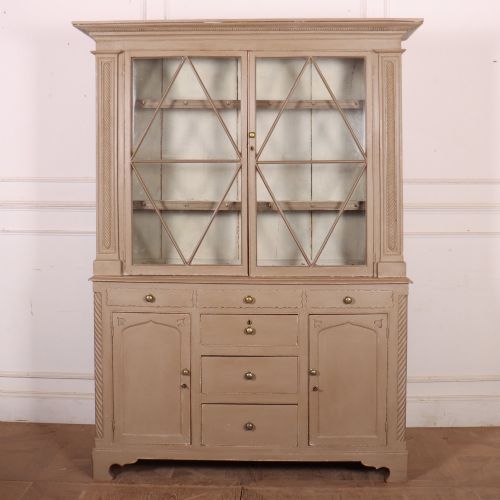
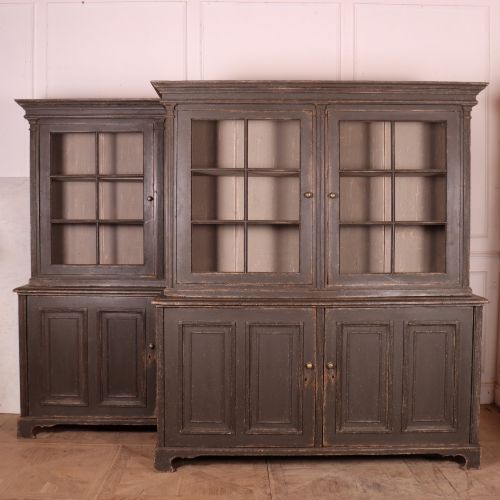
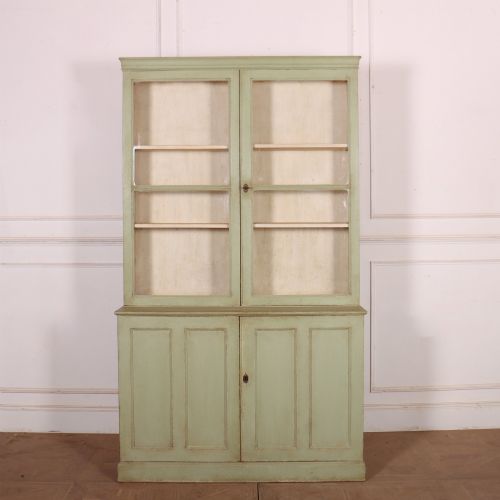
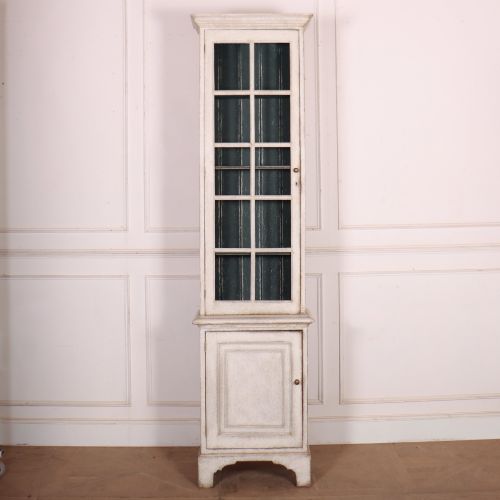
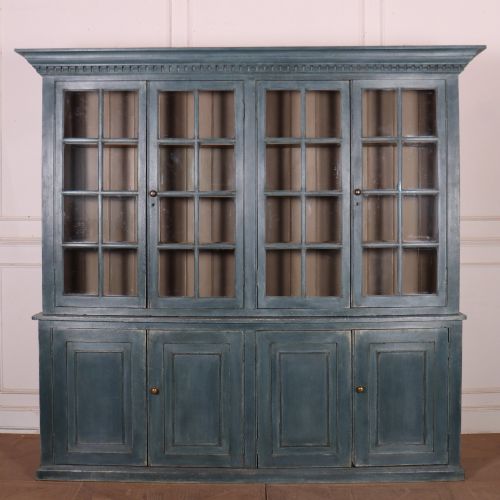
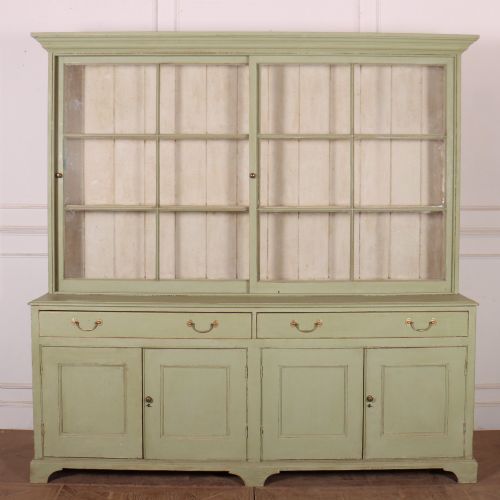
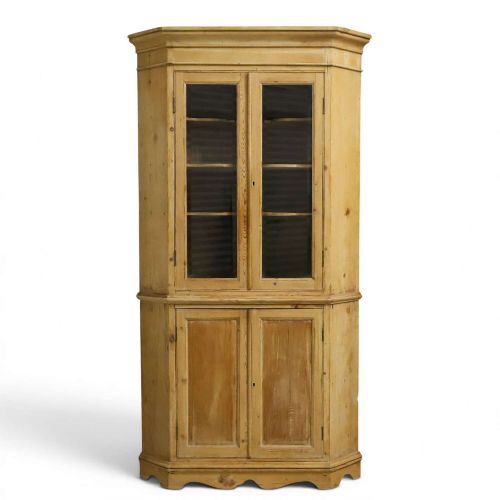
An english country glazed cabinet encompasses kitchen dressers, bookcases, display cabinets, and corner cupboards designed for everyday domestic use. These pieces emerge primarily from the nineteenth century, alongside examples from the eighteenth century and around nineteen hundred.
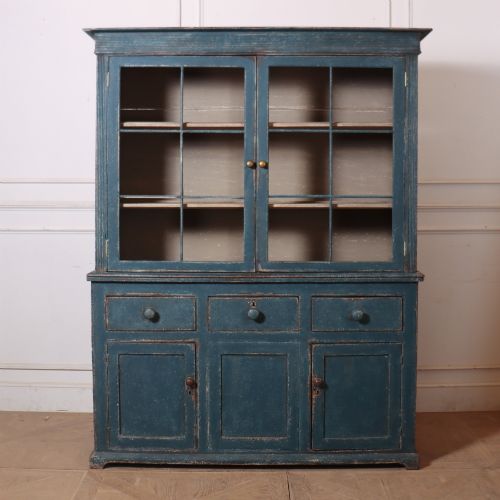
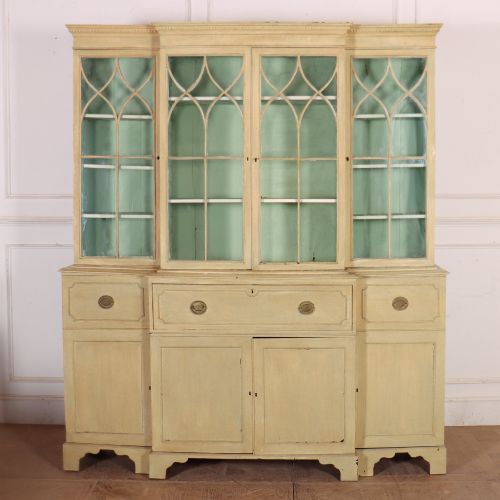
The selections available here range from large kitchen dressers and breakfront bookcases to narrow cupboards and larder cabinets. Regional variations, notably from the West Country, appear frequently among the painted and pine forms on this page.
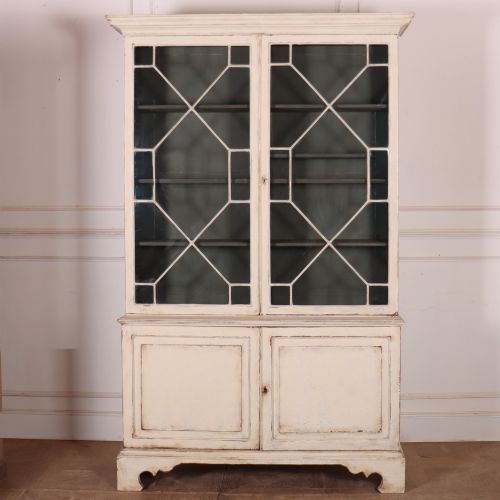
Makers and craftsmen built these utility items in various formats, including two-part forms with glass doors and secretaire arrangements. Buyers encounter styles spanning Georgian, Victorian, and Gothic Revival influences adapted for provincial homes.
Materials and construction
Carpenters constructed these cabinets predominantly using solid pine, oak, and mahogany, often applying layers of paint to the wooden surfaces. Brass fittings such as hinges and handles complete the construction of these storage pieces.
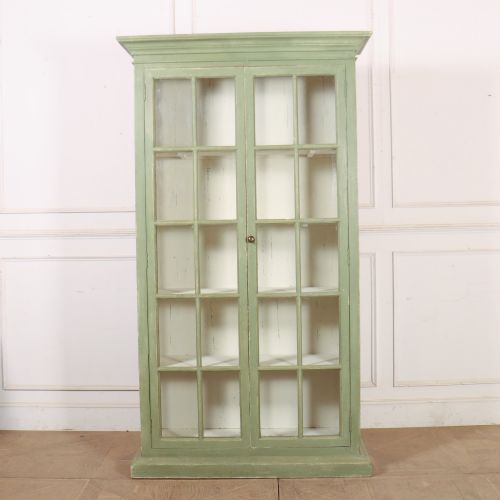
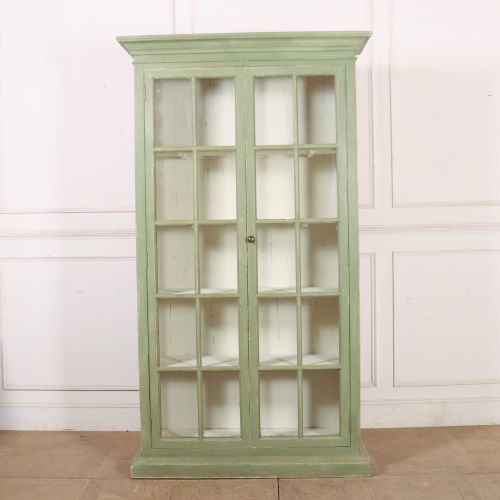
Glazing bars hold the glass panes securely within the upper cabinet doors, allowing the display of books and crockery. Painted finishes, sometimes original, cover the wood on many pieces alongside bleached walnut and dark painted surfaces.
English Country Glazed Cabinet Retail Price Guide 2026
Typical asking prices for english country glazed cabinet among the pieces listed under this phrase on Sellingantiques today, from the lower quarter to the upper quarter. They describe what is for sale here now, not the wider market.
The listings span the eighteenth century, the nineteenth century, and around nineteen hundred, utilising pine, oak, mahogany, and painted wood.
Judging the execution
The distinction between standard utility items and superior pieces rests on the choice of timber and the refinement of the joinery. Cabinets featuring well-proportioned breakfronts or intricate Gothic Revival detailing demonstrate a higher level of workshop ambition.
Surface treatment plays a significant role, with original painted finishes offering greater visual character than later repainting efforts. The integrity of the glass panels and the original brass hardware further elevate the standing of a piece.
The English Country Glazed Cabinet Glossary
- Breakfront
- A cabinet design where the central section projects forward from the flanking outer sections. This architectural arrangement adds depth and visual interest to large bookcases and dressers.
- Secretaire
- A desk component integrated into a bookcase or cabinet, featuring a drop-down writing flap that conceals small drawers and pigeonholes. It combines storage with a compact writing surface.
- Glazing bars
- The narrow wooden strips that divide a glass window or cabinet door into smaller panes. They provide structural support while framing the displayed contents.
- Larder cabinet
- A tall storage piece traditionally used for food preservation and kitchen provisions, often featuring panelled or ventilated doors. These utilitarian cupboards prioritise deep interior capacity.
- Corner cupboard
- A specialised cabinet built with a triangular cross-section to fit neatly into the corner of a room. These pieces maximise floor space in smaller country interiors.
English Country Glazed Cabinet: Frequently Asked Questions
What rooms suit an english country glazed cabinet?
These cabinets fit well in kitchens, dining rooms, and sitting rooms where display and storage are equally important. Their glazed doors protect books and crockery while keeping them visible.
The domestic scale of these pieces allows them to anchor various interior layouts without overwhelming smaller spaces.
How do I care for painted wooden surfaces?
Dust the painted wood regularly with a soft, dry cloth to prevent dirt accumulation. Avoid harsh chemical cleaners that can degrade historic painted finishes.
Maintaining stable indoor humidity levels protects both the pine or hardwood structure and the applied paint layers from cracking.
Were these cabinets used in kitchens?
Many examples on this page functioned as kitchen dressers, food cupboards, or larder cabinets for storing provisions and everyday tableware. Their robust construction suited the demands of busy domestic spaces.
Over time, owners moved similar glazed furniture into libraries, morning rooms, and living areas for display purposes.
What is a two-part form cabinet?
A two-part form consists of a distinct lower base cabinet and an upper glazed section stacked together. This construction method made moving heavy furniture through country homes much easier.
The separation point usually sits at counter height, occasionally incorporating a slide or desk surface between the upper and lower sections.