
English Country Art
English country art captures the landscapes, livestock and rural scenes of Britain through paintings, watercolours and country furnishings.
English Country Art
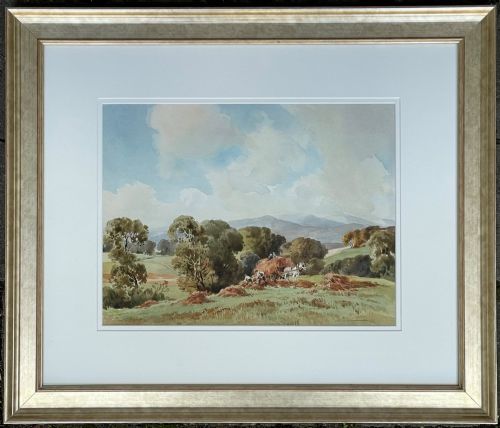
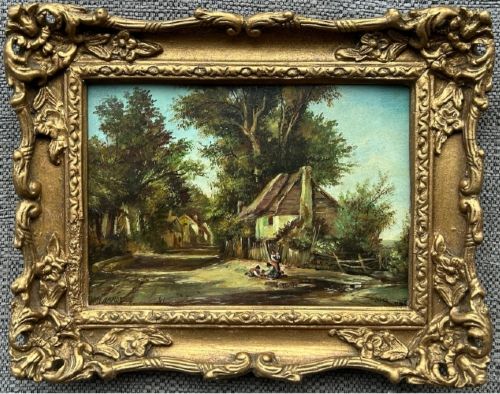
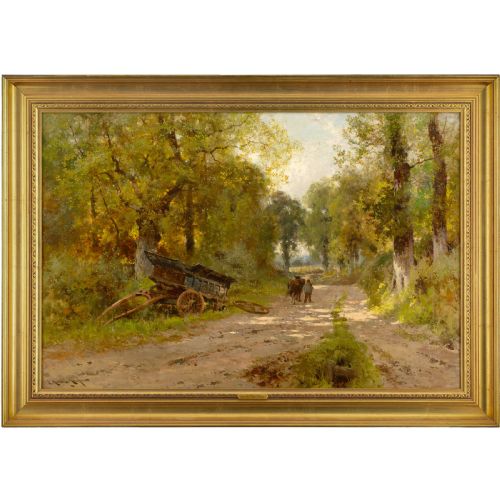
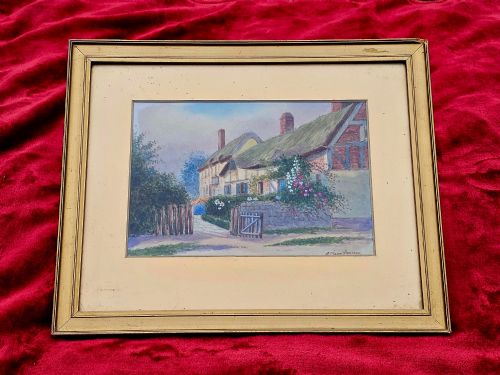
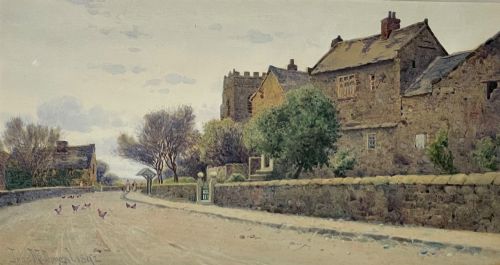
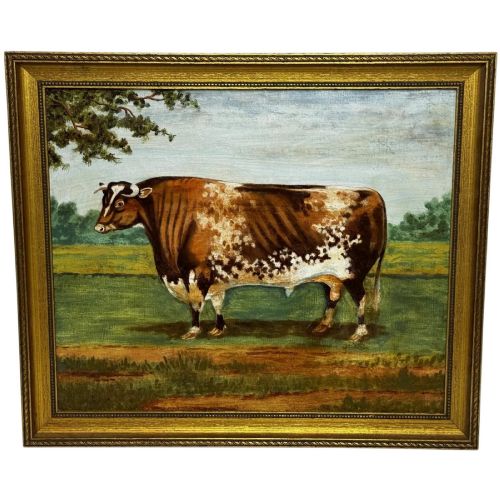
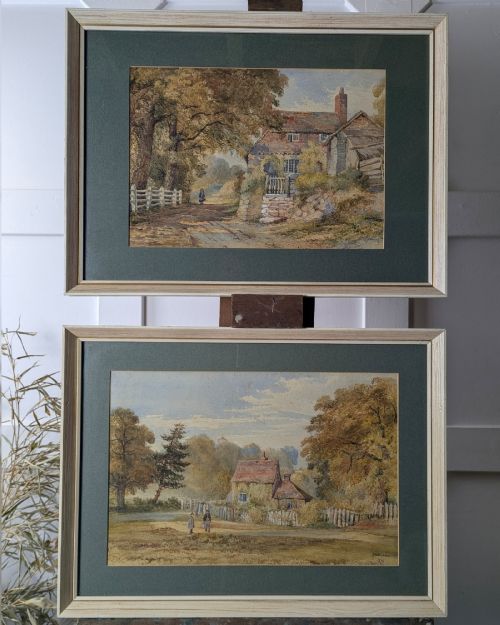
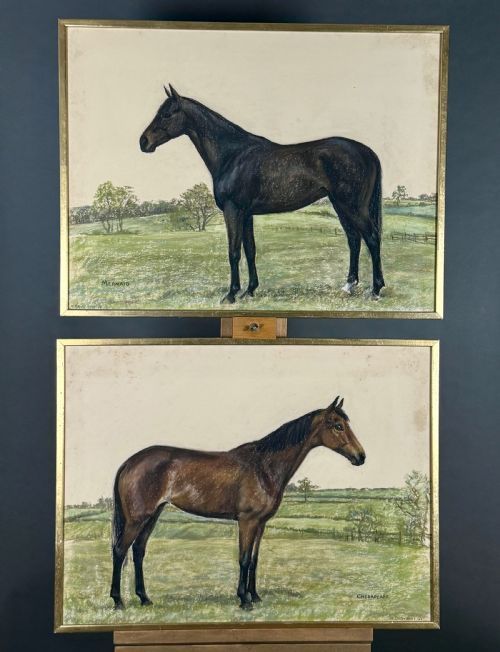
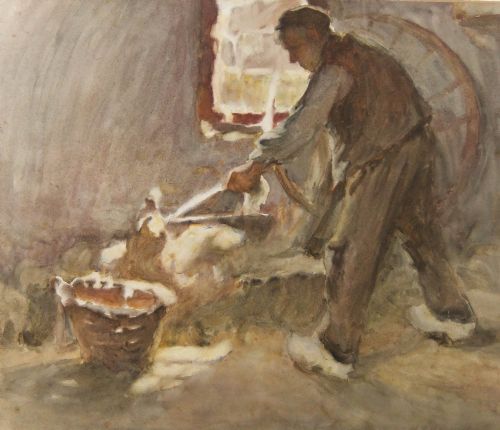
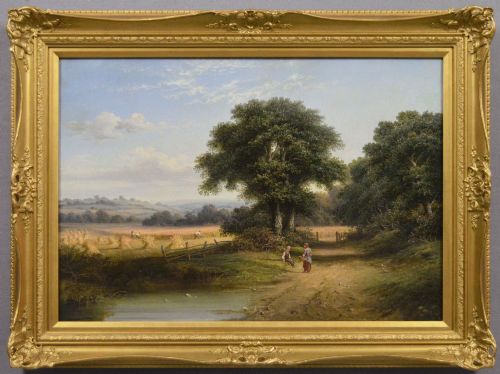
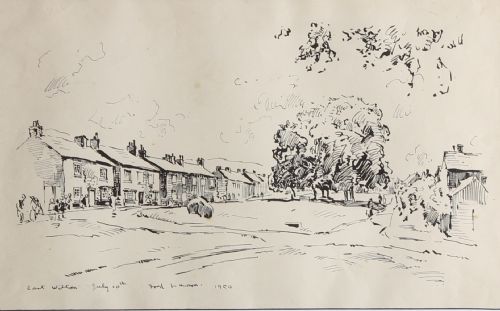
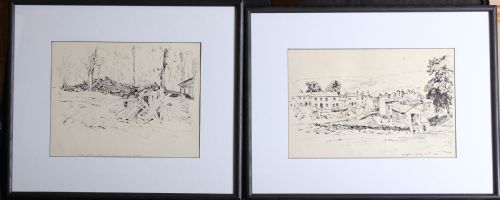
When you search for english country art, you encounter oil paintings, watercolours, and drawings depicting rural life, agricultural scenes, and landscapes across Britain. These works range from detailed Victorian animal studies to early twentieth-century village watercolours.
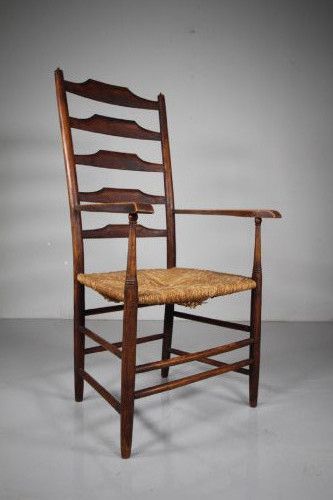
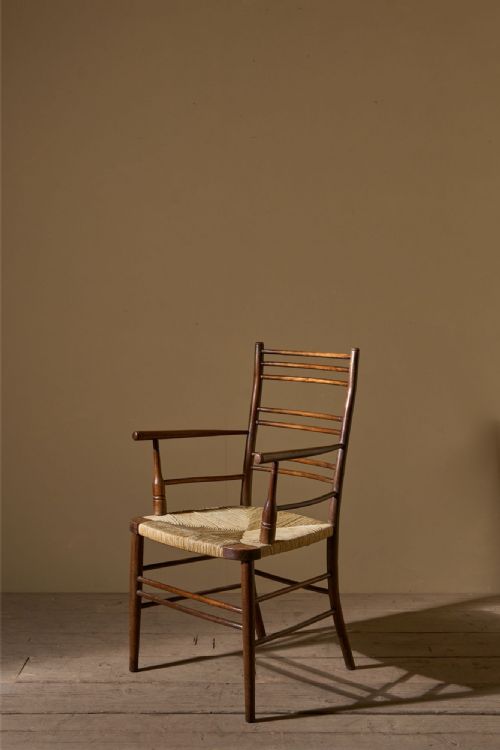
You will also find functional country objects including elm and oak armchairs, rush seat chairs, stools, and decoy ducks that share a rustic aesthetic. The selection leans heavily towards nineteenth-century and early twentieth-century pieces created by British artists and local makers.
The category bridges fine art and vernacular craft, bringing together framed pastoral canvases and rustic wooden seating from the same rural traditions.
How they were made
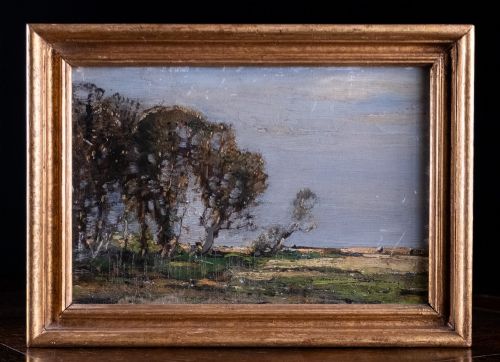
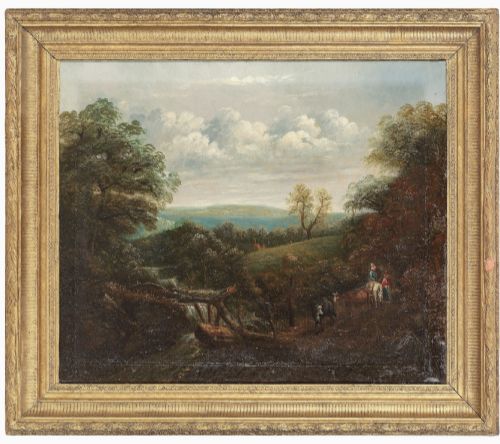
Paintings in this category utilise oil on canvas, panel, or board, alongside watercolours and ink drawings on paper or card. Artists applied pigments to capture changing light across harvest fields, village streets, and river valleys.
Wooden items such as armchairs and stools rely on traditional turnery and joinery, combining native timbers including elm, laburnum, beech, and oak. Artisans shaped these pieces by hand, frequently pairing rush or solid wood seats with sturdy vernacular frames.
English Country Art Retail Price Guide 2026
Typical asking prices for english country art among the pieces listed under this phrase on Sellingantiques today, from the lower quarter to the upper quarter. They describe what is for sale here now, not the wider market.
An eighteenth-century elm candlebox featuring a shaped heart decoration survives alongside decoy ducks and artists' stools.
What varies in quality
Quality rests in the handling of medium and the sureness of the hand, whether in the confident brushwork of an oil landscape or the precise draughtsmanship of an architectural watercolour. Stronger examples display a clear command of light, atmosphere, and proportion.
In furniture and wooden objects, distinction lies in the selection of timber grain, the integrity of the construction, and the preservation of original surfaces. Pieces retaining honest wear and untouched patination stand apart from those altered over time.
Percy Lancaster·William Howard Hardy·John Horace Hooper·A. Marie Parsons·John McDougal·Kershaw Schofield·Robert A. Nottingham·Philip Clissett·Henry Silkstone Hopwood·Walter Heath Williams·Fred Lawson·Robert Thorne Waite·John Smith Atherton·George Augustus Holmes·Thomas Sidney Cooper·Joseph H Barnes·Raymond Booth·Ernest Arthur Rowe·Frederick Walker·John Sargent Noble·Herbert Royle·C. H. Weigall·Henry Yeen King
The English Country Art Glossary
- Oil on panel
- A painting executed on a wooden board rather than canvas. This solid support provides a rigid surface often favoured by nineteenth-century landscape artists.
- Watercolour
- A paint consisting of pigment suspended in a water-soluble binder, typically applied to paper. It allows for translucent washes that capture luminous skies and rural weather.
- Vernacular furniture
- Everyday objects made by local craftsmen using regional traditions and native woods. Examples include Windsor armchairs and milking stools.
- English School
- A designation for works produced by British artists whose specific training or identity is unrecorded or broad. It encompasses anonymous topographical views and regional landscapes.
- Pastel on paper
- A dry medium consisting of powdered pigment binder, pressed into sticks and applied to a paper support. It produces soft textures well suited to portraits and equestrian studies.
English Country Art: Frequently Asked Questions
What subjects appear in these paintings?
The artworks depict harvest landscapes, village streets, livestock, river valleys, and domestic animals across various rural regions of Britain. Common themes include agricultural workers, country cottages, and coastal villages.
Many pieces record specific local topography, naming the exact roads, towns, and counties where the artist set their easel during the nineteenth and early twentieth centuries.
How do I care for antique watercolours?
Watercolours require protection from direct sunlight to prevent the pigments from fading over time. Framing them behind glass with acid-free mounts safeguards the paper from environmental damage.
Keeping these works in rooms with stable humidity levels prevents the paper stock from warping or developing foxing spots.
How do I identify vernacular furniture woods?
Makers utilised native British hardwoods such as elm, oak, beech, and laburnum for country chairs and seating. Elm displays a distinctive interlocking grain that resists splitting, while laburnum offers rich contrasting colours.
Examining the underside and turning marks helps determine the timber species and the regional traditions employed by the maker.
Where were these pieces originally used?
Paintings and framed prints hung in domestic parlours, country houses, and artist studios throughout Britain. They served to decorate living spaces with familiar pastoral scenes.
Wooden armchairs and stools functioned as practical seating in farmhouses, cottages, and artists' workspaces, built for daily utility rather than formal display.