

English Carved Armchair
An English carved armchair brings centuries of craftsmanship into a room, offering both sturdy seating and distinct historic character.
English Carved Armchair
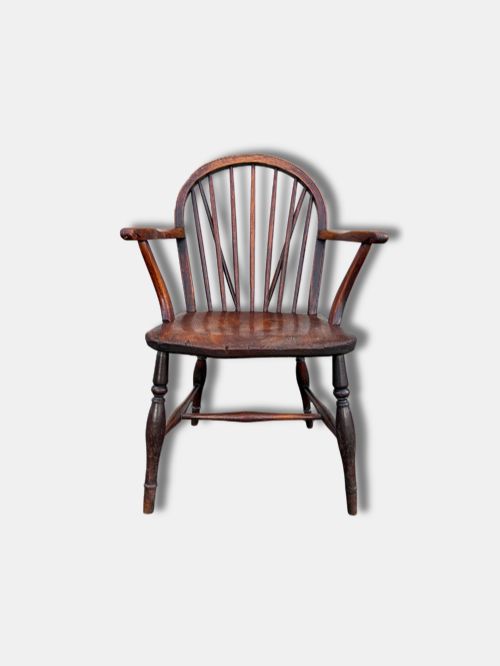
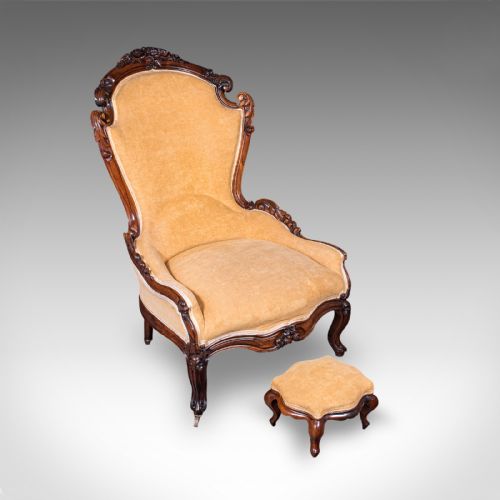
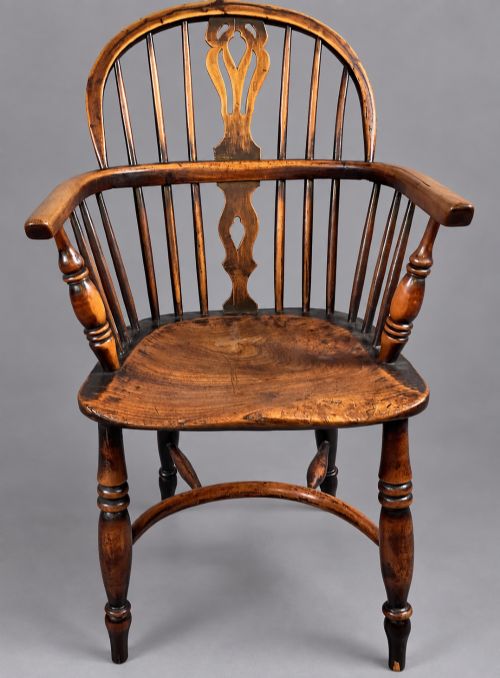
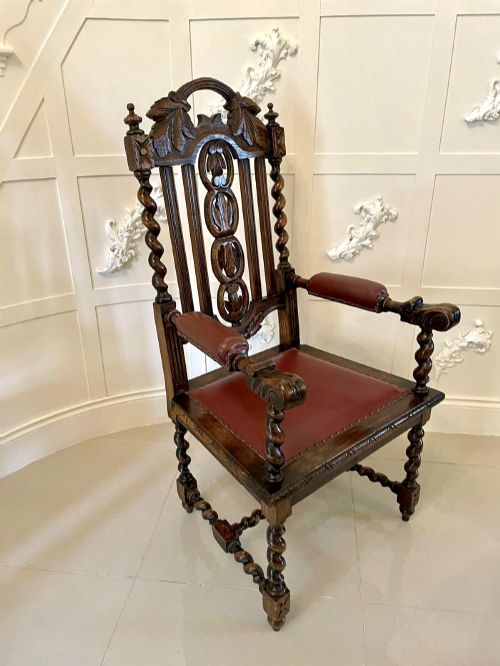
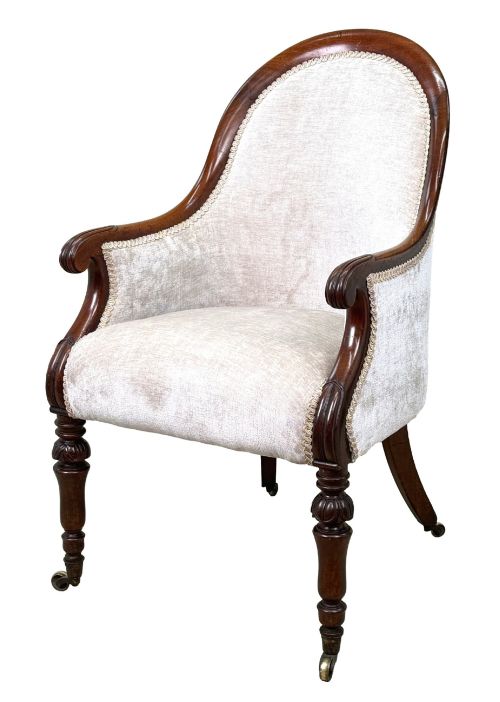
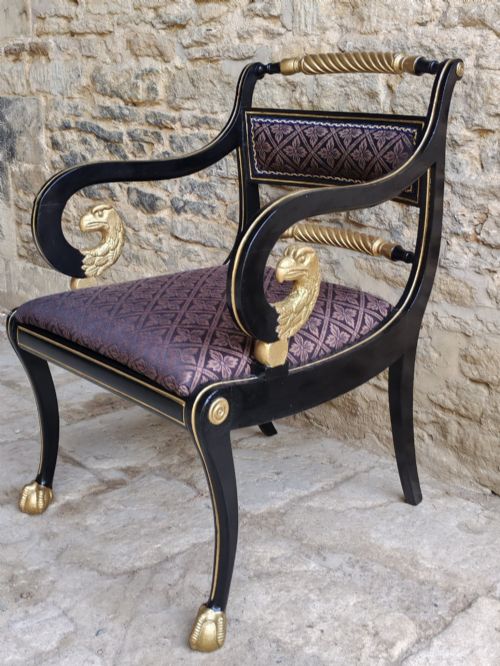
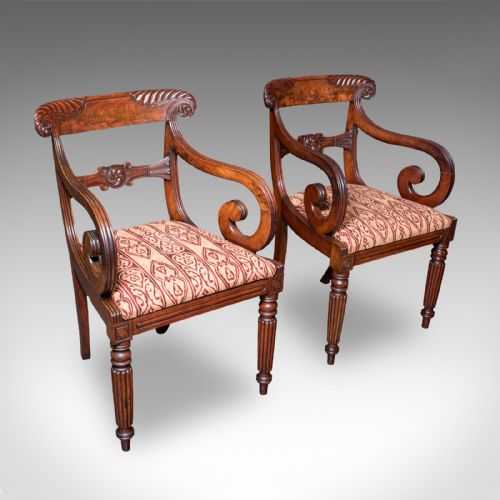
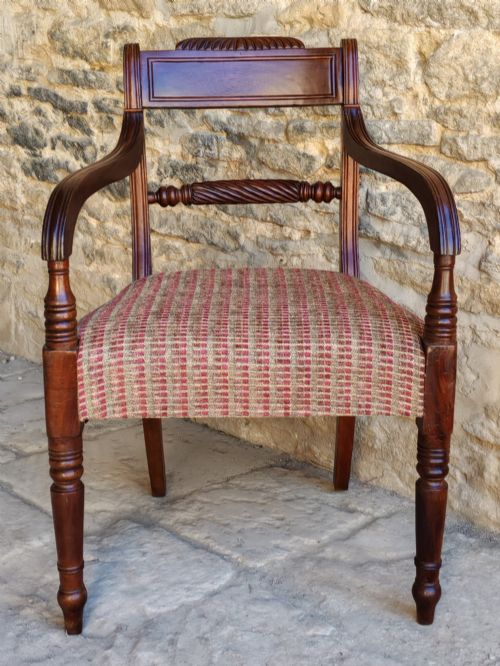
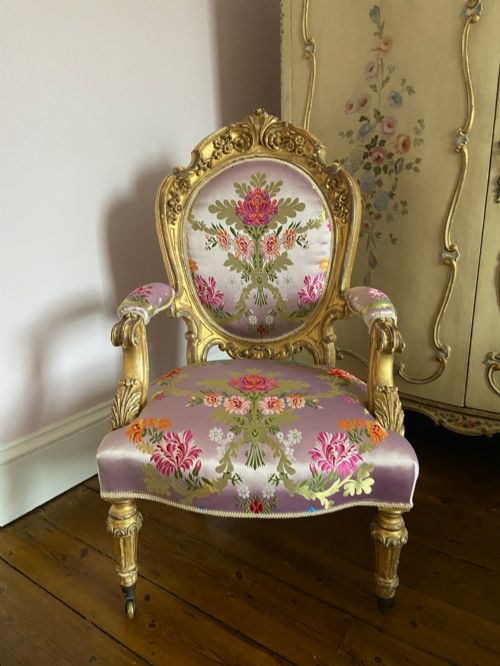
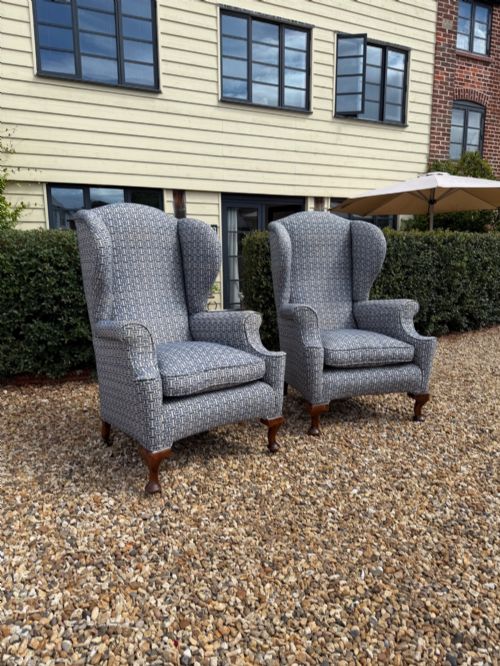
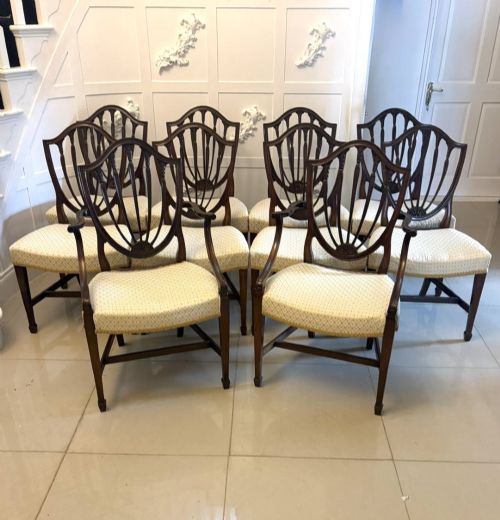
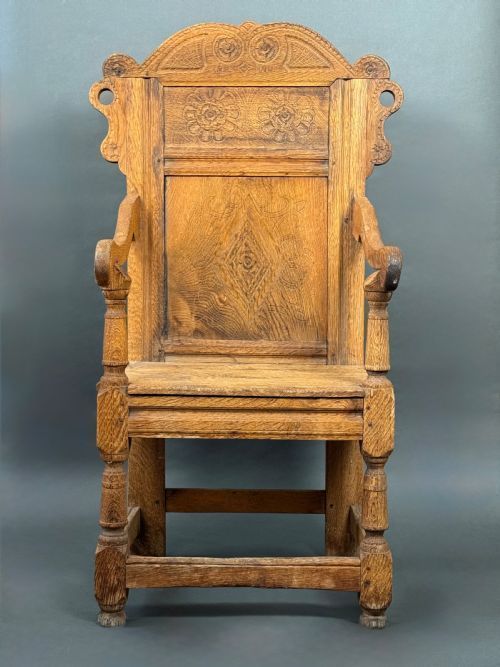
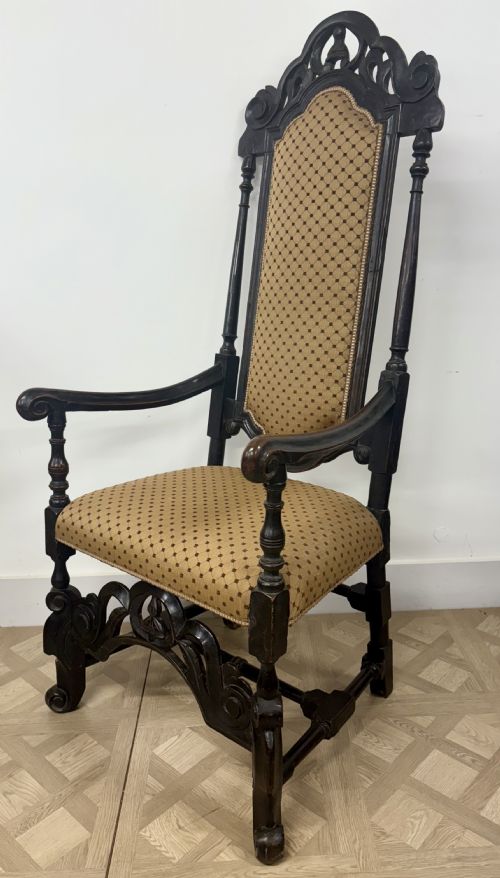
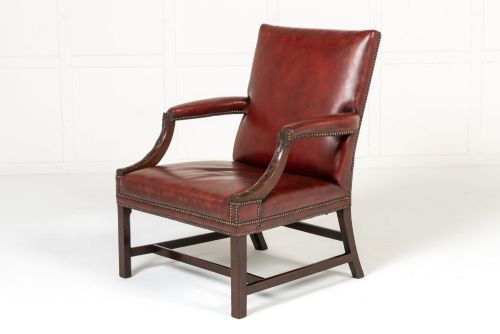
An english carved armchair is a substantial seating form found across multiple centuries, ranging from robust early oak wainscot chairs to elegant mahogany library and Gainsborough designs. Buyers searching this phrase encounter a rich mix of formal dining carvers, library seats, and country house armchairs.
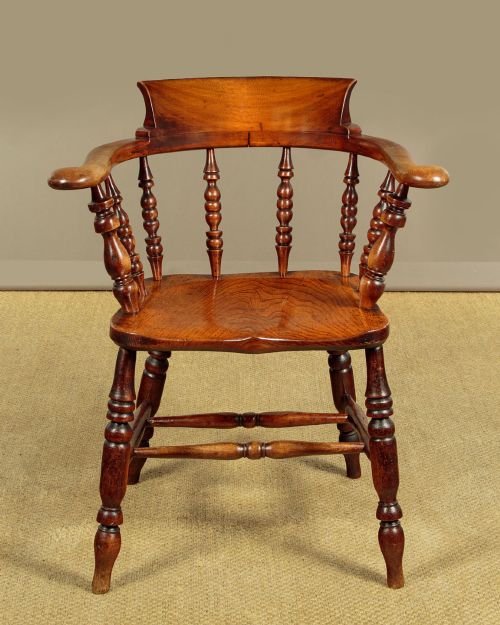
The 19th century and Victorian periods are particularly common on this page, alongside earlier 17th and 18th century examples fashioned from solid timber. These pieces vary widely in function, serving as desk chairs, smoker's bows, and spacious wing chairs upholstered in fabric or leather.
Materials and construction methods
Cabinet makers and joiners utilised native and imported timbers, building frames primarily from oak, mahogany, elm, walnut, and beech. Solid woods were hand-shaped, turned, and joined using traditional peg and mortise techniques.
Ornamentation relied on manual skill, featuring deep relief carving, blind fretwork, or applied mouldings directly into the structural wood. Seats were often fitted with cane, solid timber, or upholstered pads filled with natural materials.
Periods represented range from the 16th century through the Victorian era and into the 1930s.
Differentiating quality across examples
Quality rests in the crispness of the hand-carved detail and the integrity of the timber selection. Superior pieces display deep, fluid carving that retains sharp relief, whereas lesser examples show softer, shallower execution or later surface alterations.
Structural harmony also defines the hierarchy, where well-proportioned frames retain their original joinery without excessive replacement parts. The depth of the timber grain and the fidelity of historical style revivals further separate standard workshop output from exceptional furniture.
Maple and Co
The English Carved Armchair Glossary
- Wainscot chair
- A heavy wooden armchair from the 17th century, constructed primarily of oak with solid panels. These early seats display rigid backs and formal proportions.
- Gainsborough chair
- A wide, open-armed seat from the Georgian period featuring upholstered back and arm rests. They were designed for comfort and ease of movement.
- Smoker's bow
- A low-backed Windsor variant with a continuous bentwood rail and turned spindles. It was widely used in domestic and public interiors during the 19th century.
- Blind carving
- Relief ornament carved into a flat or recessed surface without piercing the wood. This technique appears frequently on mid-Georgian mahogany frames.
- Carver
- A traditional term for an armchair that matches a set of smaller side chairs. These items typically sat at the head of a dining table.
English Carved Armchair: Frequently Asked Questions
How do I date an antique armchair?
Dating relies on examining the timber species, joinery methods, and the specific style of the carving. Earlier pieces from the 17th century utilise heavy oak and pegged joints, while later 18th and 19th-century examples shift towards mahogany and lighter structural frames.
Secondary indicators include tool marks on hidden surfaces and the wear patterns on the feet. Comparing the decorative motifs, such as scrollwork or splat designs, against known historical periods confirms the approximate decade of manufacture.
Were these chairs used at desks?
Many chair forms listed here, particularly library armchairs and revolving desk chairs, were built specifically for writing and study. Their proportions accommodated the heavy oak desks found in period townhouses and country estates.
Other variations, such as smoker's bows and Windsor chairs, served multiple domestic purposes from the parlour to the kitchen. Their versatile frames provided stable seating for various daily tasks.
How should I care for wooden frames?
Maintenance requires keeping the antique timber away from direct heat sources and extreme humidity fluctuations. Applying a microcrystalline wax periodically helps nourish the surface polish without building up excessive residue.
Cleaning should be done with a soft, dry cloth to remove dust from carved recesses and joints. Avoid liquid cleaners or silicone polishes, which can penetrate porous historical finishes and damage the wood.