

English Brown Chair
An English brown chair brings centuries of timber and craft into daily domestic use, offering solid seating built from native woods.
English Brown Chair
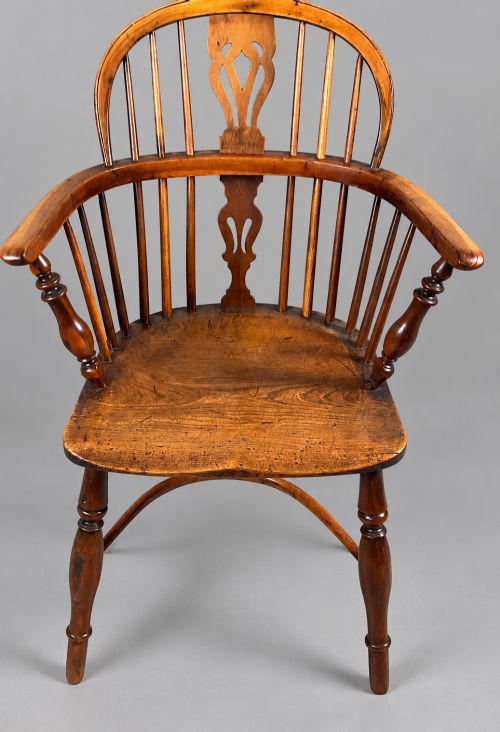
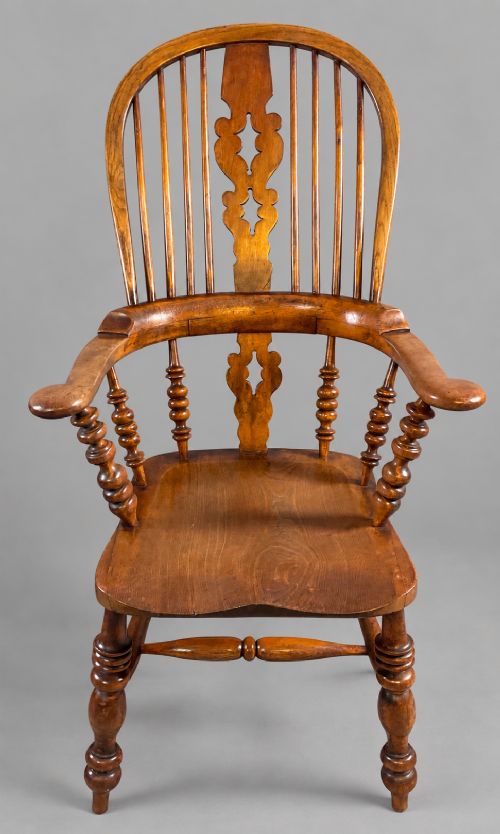
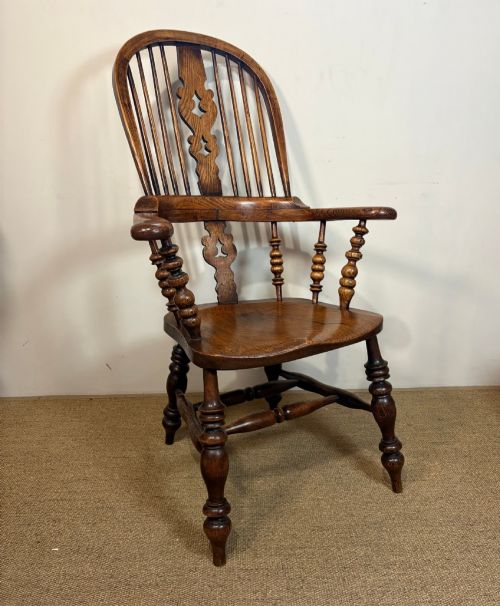
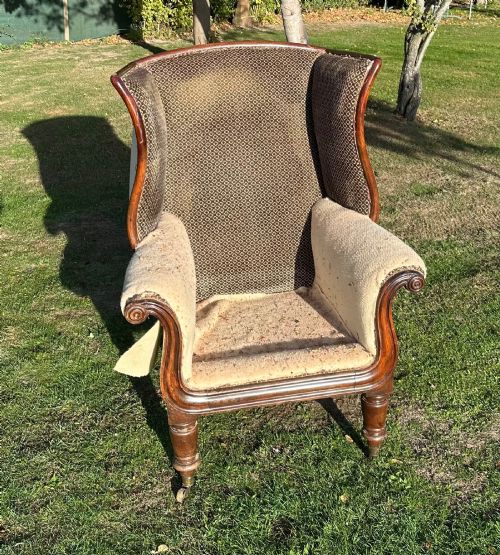
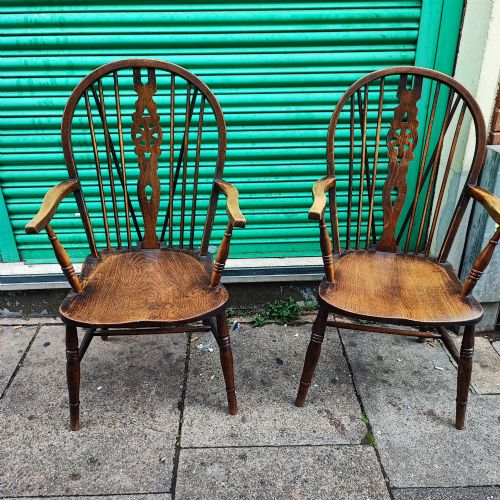
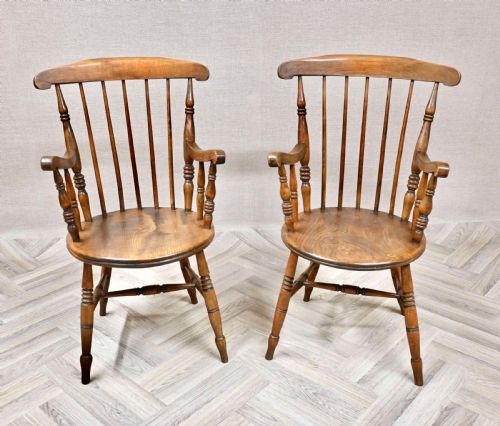
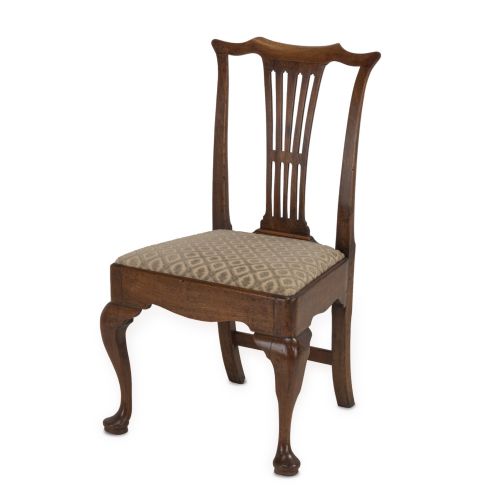
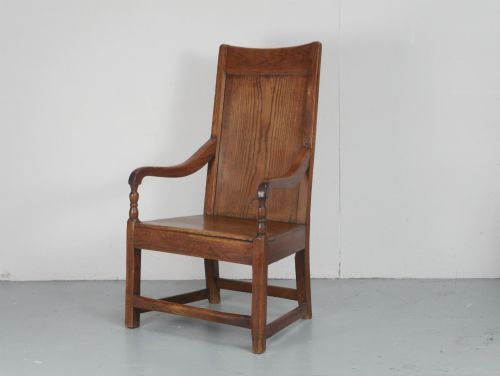
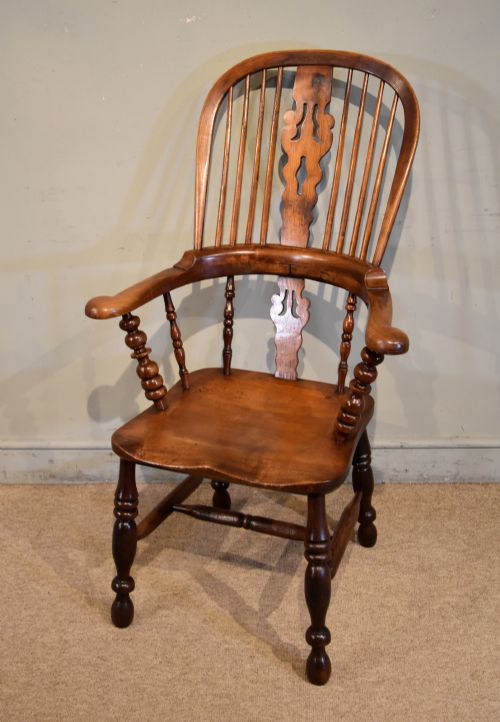
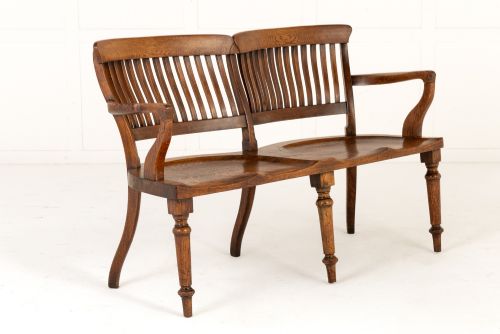
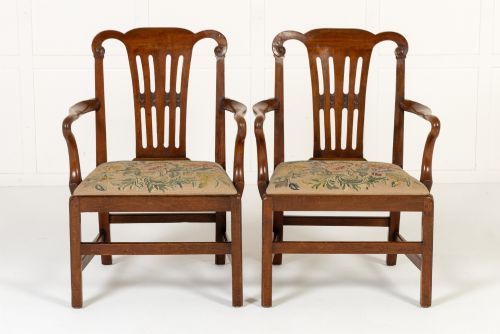
An English brown chair spans centuries of domestic seating, appearing most frequently on this page as nineteenth-century Windsor armchairs, eighteenth-century dining seats, and Victorian balloon back chairs. Buyers searching this phrase encounter sturdy farmhouse kitchen furniture alongside formal mahogany dining sets and hall chairs.
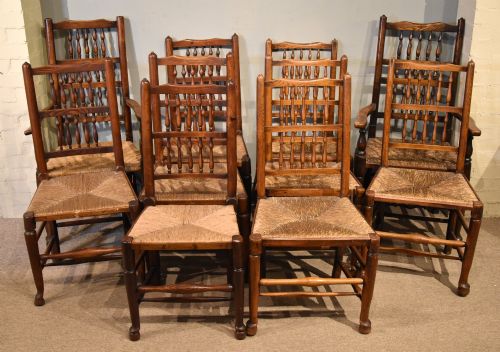
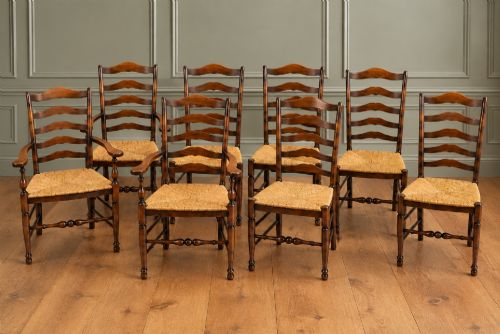
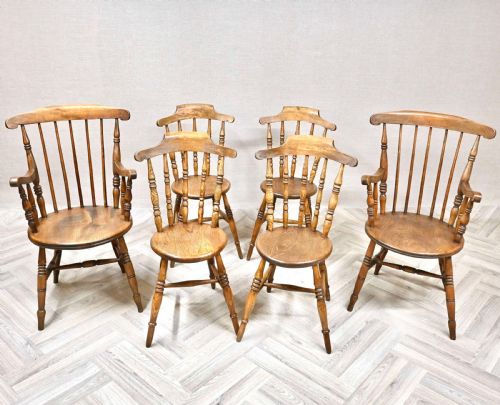
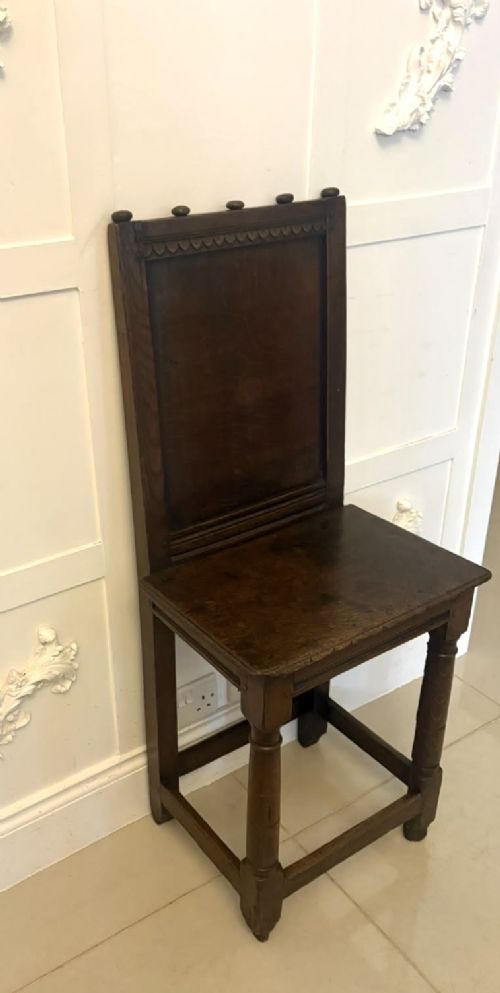
The selection ranges from early oak correction chairs and Queen Anne dining seats to Regency mahogany library armchairs and Thames Valley hybrids. Workshops produced distinct regional variants, including spindle back chairs, smoker's bows, and low back Windsor armchairs designed for everyday utility.
Makers utilised native timbers to construct armchairs, side chairs, setteses, and children's chairs that survived through generations of family use. The inventory reflects a heavy concentration of nineteenth-century vernacular pieces alongside formal Georgian and William IV seating.
Materials and construction methods
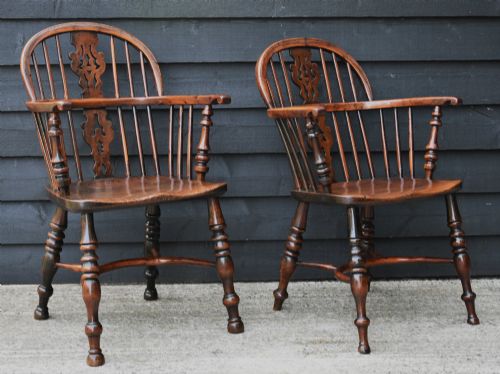
Cabinetmakers and rural joiners relied heavily on native hardwoods such as oak, mahogany, ash, elm, and yew, often combining multiple timbers within a single piece like a Thames Valley Windsor chair. Elm provided strong, split-resistant seats for Windsor and kitchen chairs, while ash and yew formed flexible bentwood spindles and hoops.
Formal dining chairs utilised dense mahogany shaped into balloon backs, barbacks, and shield backs, sometimes accented with carved details or brass fittings. Vernacular seating relied on traditional pegging, turned legs, and solid plank seats shaped into penny or deep-seated forms.
English Brown Chair Retail Price Guide 2026
Typical asking prices for english brown chair among the pieces listed under this phrase on Sellingantiques today, from the lower quarter to the upper quarter. They describe what is for sale here now, not the wider market.
The listings span the seventeenth through the early twentieth centuries, encompassing Victorian, Georgian, and Regency periods.
Factors of quality and survival
Quality rests in the integrity of the timber selection, the crispness of turned or carved elements, and the depth of natural patina built up over centuries. Examples displaying matched grain patterns in yew and elm or precise joinery in mahogany represent the upper tier of production.
Survival of original surface finishes, untouched structural elements, and authentic regional characteristics distinguish superior pieces from heavily altered or restored chairs. The balance between domestic utility and refined cabinetmaking dictates the standing of each individual piece.
Gabbitass of Worksop·M. D. Miller and Sons Nottingham
The English Brown Chair Glossary
- Windsor chair
- A wooden chair featuring a solid plank seat into which the legs and back spindles are directly inserted. These vernacular seats often combine elm, ash, and yew.
- Balloon back
- A rounded, closed-loop backrest popular on Victorian dining chairs. This upholstered or open form curves gracefully above the seat.
- Smoker's bow
- A low-backed Windsor armchair with a continuous curved armrail supported by turned spindles. This sturdy form originated in nineteenth-century provincial settings.
- Hall chair
- A rigid wooden seat placed in an entrance hall, usually featuring a solid timber back carved with a crest or shield. These pieces prioritized formal display over prolonged comfort.
- Patina
- The lustrous surface sheen developed through decades of handling, polishing, and natural ageing of timber. Collectors prize an undisturbed surface above modern chemical finishes.
English Brown Chair: Frequently Asked Questions
How do I date an English brown chair?
Dating relies on identifying timber combinations, structural joinery methods, and stylistic cues unique to periods like the Georgian era or the nineteenth century. Examining tool marks and timber shrinkage helps confirm age.
Formal dining chairs often display the carved motifs of their decade, while vernacular country pieces reveal regional building traditions passed down through generations.
What is a Thames Valley Windsor chair?
A Thames Valley Windsor chair is a distinct regional type produced along the river valley using mixed native timbers like yew, elm, and ash. These pieces are celebrated for their generous proportions and elegant, flowing lines.
Makers in this region utilised high hoops and expressive grain patterns to create some of the most sought-after country armchairs.
How were these chairs used historically?
These chairs served diverse domestic functions, from formal dining and library reading to everyday kitchen tasks and hallway reception. Different room requirements dictated whether a chair received fine mahogany veneers or robust elm and beech construction.
Children's chairs and correction chairs fulfilled specialised household roles, while armchairs provided fireside comfort in parlours and farmhouses.
How do I care for antique wooden chairs?
Protect antique wood by maintaining stable indoor humidity levels and keeping pieces away from direct heat sources and strong sunlight. Regular dusting with a soft cloth prevents surface accumulation.
Applying occasional natural wax feeds the timber and preserves the historic patina without sealing the wood beneath synthetic layers.