



English Bone China Figurine
An english bone china figurine captures character and costume through delicate modelling, offering a tangible link to past decades.
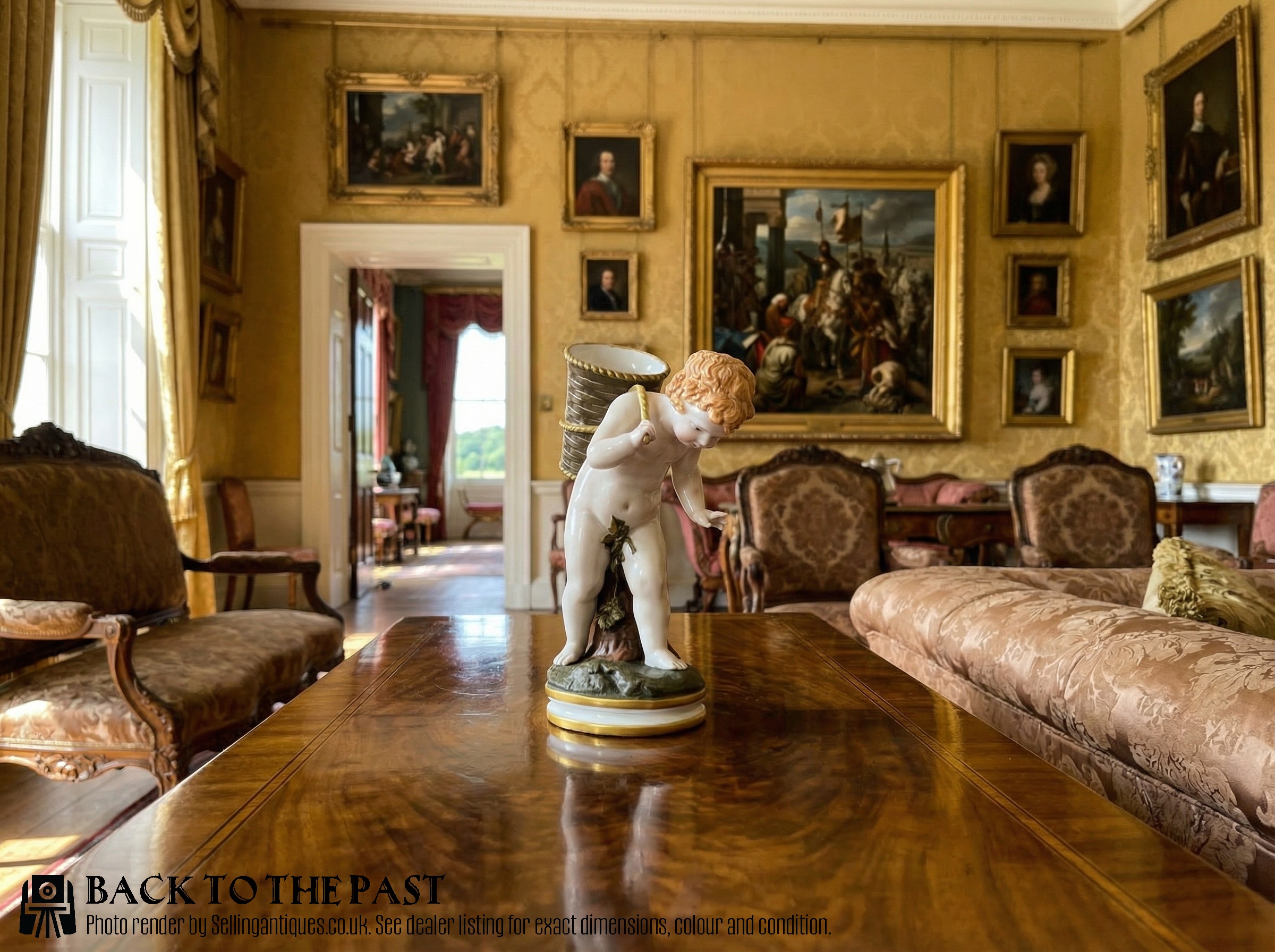
English Bone China Figurine
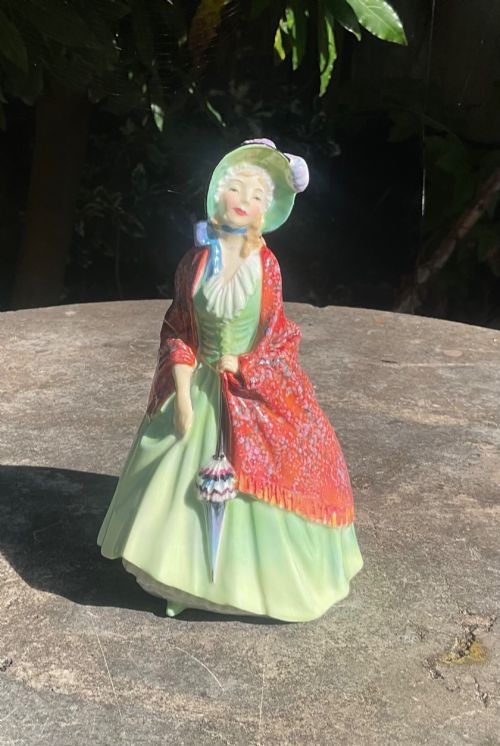
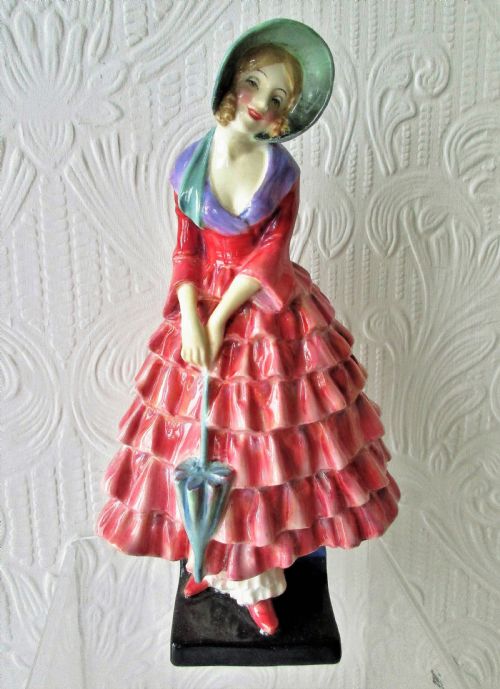
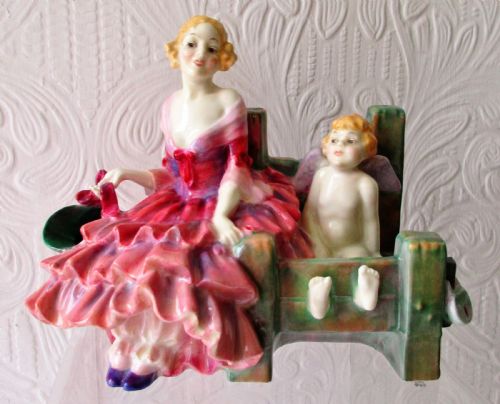
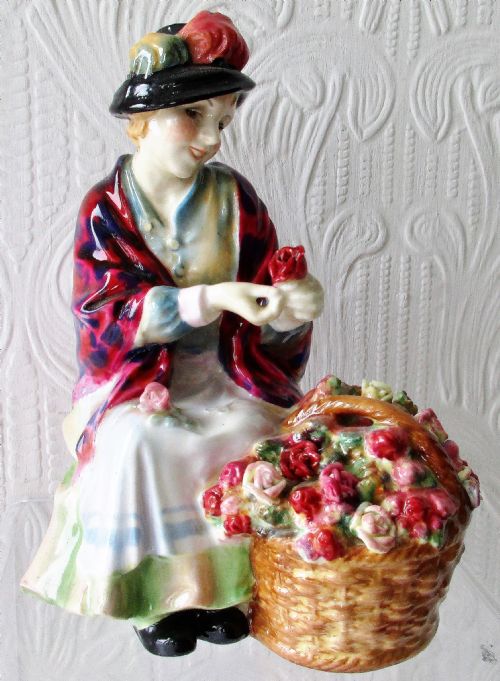
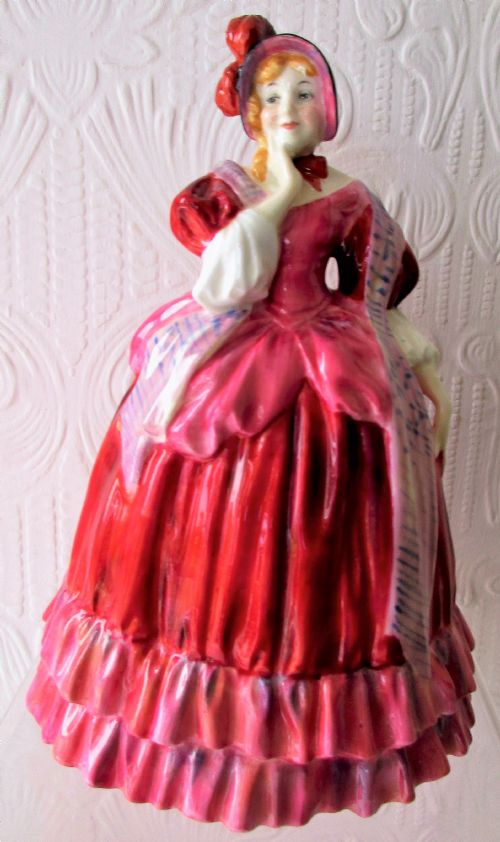
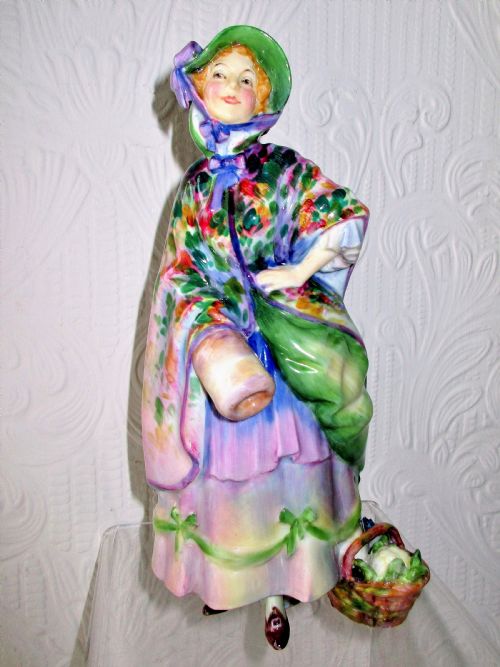
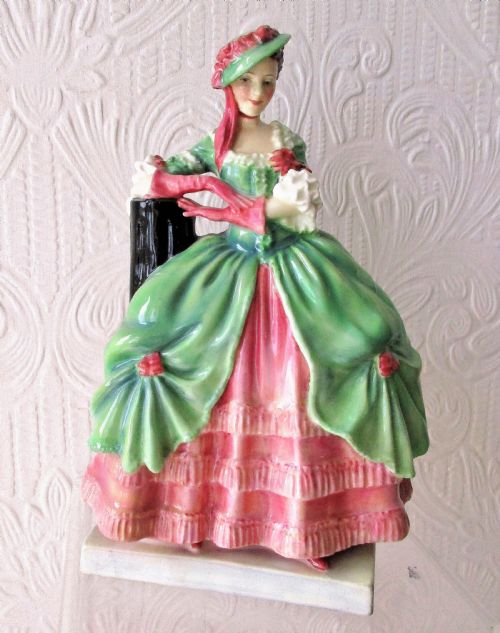
When you search for an english bone china figurine, you encounter sculptural works spanning from the nineteenth century through the mid-twentieth century. The selection encompasses named characters, literary figures, and decorative statuettes representing historical dress and pastoral scenes.
The most common examples on this page date from the nineteen-thirties and nineteen-forties, particularly figures produced by Royal Doulton. These mid-twentieth-century pieces sit alongside earlier nineteenth-century works and Edwardian pieces, showing diverse stylistic shifts from Rococo Revival to Art Deco.
Evaluating Quality
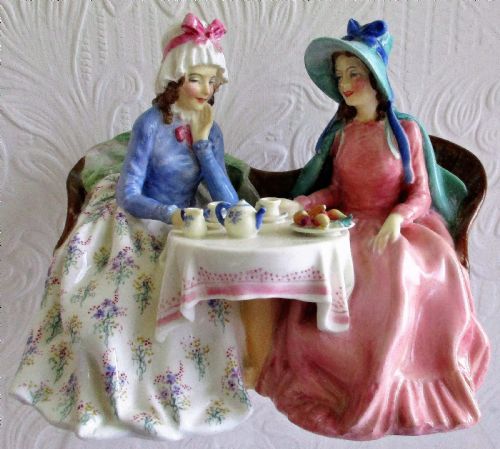
The complexity of the subject matter also influences distinction within the range, as multi-figure compositions and elaborate costumes require greater technical skill during firing. Pieces carrying specific model numbers, year marks, or artist attributions demonstrate documented provenance that elevates their standing.
Object types include decorative figurines, candle snuffers, and statuettes in Victorian and Art Deco styles.
Royal Doulton·Royal Worcester·Minton
The English Bone China Figurine Glossary
- Bone china
- A type of porcelain incorporating bone ash, yielding a durable body with a warm, translucent quality. This material forms the primary substrate for many twentieth-century decorative pieces.
- Blanc de chine
- A French term for white porcelain, indicating a monochromatic glazed or unglazed finish. It highlights the sculptural contours of animal and human figures without distraction from added pigments.
- Enamel
- A vitreous composition fused to the ceramic surface during a secondary firing stage. It provides the vibrant, lasting colours seen on historical costume details.
- Gilt
- A thin layer of gold applied to surface decorations, trims, and accessories. It adds metallic contrast to the painted ceramic glaze.
- Candle snuffer
- A specialised domestic implement formed as a figural character or animal with a conical interior. These functional pieces combine sculptural modelling with utility.
English Bone China Figurine: Frequently Asked Questions
How do I identify the date of a piece?
Check the base for stamped numbers, impressed ciphers, or specific model codes that correspond to factory production records. Many twentieth-century items include individual HN numbers that indicate the year of introduction or manufacture.
Style also offers strong chronological clues, shifting from nineteenth-century Rococo Revival and Regency aesthetics toward streamlined Art Deco and mid-century decorative forms in later decades.
What is the difference between a figurine and a statuette?
The terms are often used interchangeably, though statuette generally denotes a smaller standalone sculptural representation. Both describe three-dimensional modelled figures created from ceramic or porcelain materials.
Within this selection, pieces range from human characters in period dress to animals and literary subjects, all sharing the same fundamental production methods.
How were these figures displayed historically?
These decorative items typically occupied prominent positions on mantelpieces, in glass-fronted cabinets, and on parlour sideboards. Their colourful enamel finishes and gilt accents were designed to catch ambient light in domestic interiors.
Certain specialised forms, such as figural candle snuffers, served practical daily functions while remaining ornamental when not in active use.
Are all pieces marked with a manufacturer name?
Most established factories applied backstamps, impressed marks, or painted script signatures directly to the underside of the ceramic body. These marks identify the producing pottery and occasionally the specific decorator or modeller.
Earlier nineteenth-century works may carry simpler impressed ciphers rather than elaborate printed backstamps, requiring careful comparison with known factory archives.